

I’m an Aries ♈️ which means we run everything around these parts 😂
Hammond, IN
Joined December 2015
- Tweets1.4K
- Following1.3K
- Followers92
- Likes12.1K


Nehmiah Thomas retweeted

When you get called a N*gger for the trillionth time by @IsuckMagaCock3058394 for making Charlie Kirk jokes, not supporting pedophiles, and thinking kids should have free breakfast & lunch at school.
Nehmiah Thomas retweeted

8 billion people around the world witnessed Israel do this…
AND YET THE CULPRITS STILL ENJOY THE FREEDOM TO TRAVEL ACROSS THE WORLD WITH IMPUNITY.




Nehmiah Thomas retweeted

white people love all that cave diving cause down there they feel closer to their ancestors in hell
Nehmiah Thomas retweeted
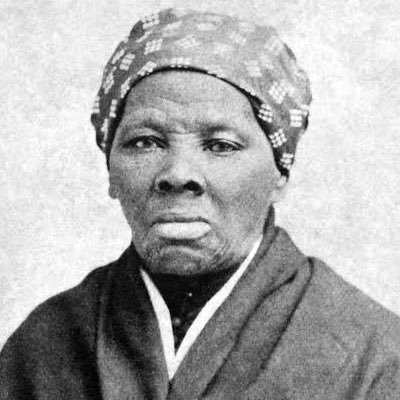
Every single one had FBI files.
Vilified in life. Sanitized in death.From Malcolm X to Martin Luther King Jr., from Rosa Parks to Nelson Mandela — many who uplifted Black communities were surveilled, criticized, and opposed. When truth challenges power, backlash often follows.
During the Civil Rights era and beyond, many prominent Black leaders, activists, and cultural figures were monitored by the Federal Bureau of Investigation. Through official programs such as COINTELPRO, federal authorities conducted surveillance on individuals they considered politically influential or capable of organizing large movements.
Figures such as Malcolm X, Martin Luther King Jr., Muhammad Ali, James Baldwin, Angela Davis, and others were subject to government monitoring at different points in their lives. In many cases, surveillance was tied to their activism, political affiliations, global connections, or their ability to mobilize communities around issues of civil rights and social change.
This pattern highlights an important historical reality: when movements challenge existing power structures, government scrutiny often follows. Surveillance was not limited to one ideology or one group — it was part of a broader national security strategy during a period marked by Cold War tensions and domestic unrest.
Despite being monitored, investigated, criticized, and sometimes targeted, these individuals continued their work. They organized, wrote, protested, spoke publicly, and influenced laws and public opinion. Their impact extended far beyond any investigation file.


