Postdoctoral Scholar @VCUHealth | Formerly @HarvardMed | Global Lead @Global_Nsurg | #Neurology #Neurosurgery | Instructor @NegidaAcademy
Richmond, VA
Joined November 2013
- Tweets4.3K
- Following3.4K
- Followers14.6K
- Likes17.3K
Ahmed Negida, MD PhD 🇪🇬🇺🇲 retweeted
Could obesity be quietly aging our brains and increasing our risk of dementia? Obesity refers to excess body fat that can negatively affect health, including brain health. Cali McEntee, Eva Feldman and colleagues describe in a new review in Nature Reviews Neurology how obesity may affect memory, thinking and the biological pathways involved in dementia.
Key points:
- Midlife obesity is associated w/ cognitive decline and an increased risk of dementia, even when weight decreases later in life.
- Obesity may affect the hippocampus and prefrontal cortex, brain regions essential for memory, attention and decision-making, through inflammation, insulin resistance and vascular dysfunction.
- Exercise, healthier nutrition, weight-loss surgery and newer weight-management medications offer potential opportunities to improve metabolic health and possibly protect cognition, although more definitive trials are needed.
My take: What resonates w/ me is that obesity is not simply a number on a scale. It is a biological condition that can influence how our brains function and age. The brain and body are not separate universes. Inflammation, blood vessel health, insulin signaling and metabolism all matter. Perhaps most importantly, the timing of obesity matters. Carrying excess weight in midlife may have consequences that are not completely reversed by losing weight decades later.
Here are 5 points that resonated w/ me:
1- Midlife may represent an important window of opportunity for protecting long-term brain health.
2- Where fat accumulates may matter as much as how much we weigh, particularly when it collects around the abdomen.
3- Obesity can create a vicious cycle in which inflammation disrupts the brain circuits controlling appetite, potentially promoting further weight gain.
4- Exercise, nutrition and appropriate medical treatment should be viewed as investments in brain health, not simply strategies for changing appearance or body weight.
5- We still need randomized trials to establish whether treating obesity actually prevents dementia, but the opportunity to improve metabolic and vascular health is already in front of us.
nature.com/articles/s41582-0…
Ahmed Negida, MD PhD 🇪🇬🇺🇲 retweeted
New paper in Imaging Neuroscience by Anjan Bhattarai, Audrey P. Fan, et al:
Multimodal MRI insights into glymphatic clearance and blood-brain barrier integrity in healthy aging
doi.org/10.1162/IMAG.a.1391
Ahmed Negida, MD PhD 🇪🇬🇺🇲 retweeted
Researchers present a ‘brain-first’ mouse model of progressive alpha-synuclein pathology that is initiated by intranasal rotenone administration
nature.com/articles/s41531-0…
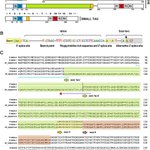
New in Annals of Neurology: researchers used mass spectrometry to sequence and map "big tau," a longer tau isoform generated by exon 4a inclusion, across the human nervous system. Big tau arises from insertion of either 355 or 251 amino acids. Total tau was roughly 1,000-fold higher in brain than in peripheral nerves, yet big tau made up about 50% of tau in the periphery versus about 1% in brain. In cerebrospinal fluid, big tau did not change with amyloid status or cognitive impairment, whereas canonical tau rose with AD pathology. The study advances tau biomarker interpretation. doi.org/10.1002/ana.78300
Ahmed Negida, MD PhD 🇪🇬🇺🇲 retweeted
Read our latest Lab work in the Green Journal:
Clinical Factors Associated With Discordant Plasma P-Tau217 and Established Alzheimer Disease Biomarkers
Plasma p-tau217 is a powerful Alzheimer's disease biomarker, but discordant results occur in nearly 1 in 10 patients. We found that clinical disease stage, renal function, BMI, age, obstructive sleep apnea, and thyroid disease were associated with false-negative and/or false-positive results.
As blood-based biomarkers move into routine clinical care, understanding these sources of discordance becomes increasingly important. These findings may help clinicians interpret plasma biomarkers more accurately and identify patients who need confirmatory testing.
Work with @GDay_Neuro @MayoClinicNeuro @MayoClinic #AlzheimersDisease #Biomarkers #Neurology #DementiaResearch
neurology.org/doi/10.1212/WN…
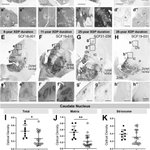
New in Annals of Neurology: a post-mortem study of basal ganglia tissue from 18 X-linked dystonia parkinsonism (XDP) cases and 10 neurologically normal controls maps how striatal degeneration unfolds in this poorly characterized disease. Immunohistochemical profiling of spiny projection neuron and projection fiber markers indicated a dorsoventral gradient of degeneration, with the matrix compartment more vulnerable than striosomes. The pattern tracked disease duration more closely than SINE-VNTR-Alu repeat length, although repeat length remained inversely correlated with symptom onset. The findings advance the field's understanding of circuit-level breakdown in XDP. doi.org/10.1002/ana.78306
New in Annals of Neurology: researchers analyzing data from the Alzheimer's Disease Sequencing Project, UK Biobank, and the Alzheimer Disease European Sequencing consortium report that genetic variants altering ABCA1 function modify Alzheimer's disease risk differently across APOE genotype groups, with statistical interactions involving both APOE ε2 and ε4. Predicted ABCA1 activity was associated with reduced AD risk, and two missense variants, N1800H and E1172D, were strongly linked to plasma HDL and interacted with APOE. In cell assays, ABCA1-N1800H showed plasma membrane localization defects, possibly from misfolding. The work advances understanding of how lipid-handling genes shape APOE-related risk. doi.org/10.1002/ana.78303
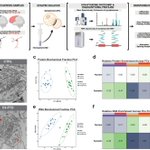
Writing in Acta Neuropathologica, researchers present an integrative multi-omic analysis of synaptosomes in C9ORF72-linked frontotemporal dementia, the leading genetic cause of FTD and ALS. Profiling postmortem frontal cortex and iPSC-derived cortical neurons, the team identified 1,324 differentially abundant proteins and 2,835 differentially expressed genes enriched in synaptic vesicle transport pathways. iPSC neurons showed reduced postsynaptic markers and progressive network dysfunction, while cryptic exon-containing transcripts, including KALRN and STMN2, localized to synaptic compartments, linking TDP-43 pathology to synaptic RNA mislocalization and advancing understanding of synapse-specific disease mechanisms. doi.org/10.1007/s00401-026-0…
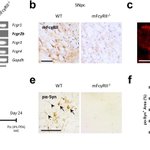
A new study in Acta Neuropathologica examines how the inhibitory receptor FcγRIIb (CD32b) shapes alpha-synuclein spread, a hallmark of Parkinson's disease. Using a preformed-fibril injection model in mice, researchers found that genetic deletion of FcγRII reduced phosphorylated alpha-synuclein burden across multiple brain regions by 90 days post-injection, preserved nigrostriatal dopaminergic integrity, and limited motor deficits. Antibody blockade of human FcγRIIb produced similar reductions in transgenic mice. The findings identify FcγRIIb as a regulator of prion-like alpha-synuclein propagation, advancing the field's understanding of receptor-targeted strategies for modifying synucleinopathy progression. doi.org/10.1007/s00401-026-0…
Ahmed Negida, MD PhD 🇪🇬🇺🇲 retweeted
Using yeast models, researchers find that mitochondria "are not merely downstream targets of α-synuclein pathology but active determinants of cellular vulnerability to α-synuclein stress"; Over-expression of HAP4 suppressed α-synuclein toxicity
molbiolcell.org/doi/10.1091/…
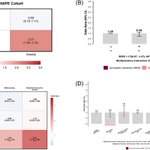
Temporal Ordering of Biomarker Abnormality Events Leading to Cognitive Impairment in Parkinson’s Disease: A Disease Event-Based Model Analysis of the PPMI Cohort mdsabstracts.org/abstract/te…
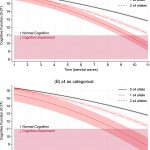
A population-based study in Alzheimer's & Dementia followed 3,869 adults aged 60 and older across two waves of India's Longitudinal Aging Study-Diagnostic Assessment of Dementia (2017-2019 and 2022-2024) to examine social engagement and cognition. Higher baseline social engagement, measured on a 12-point index, was associated with higher general cognitive scores at baseline (0.145 SD units, 95% CI 0.076-0.214), but not with the rate of cognitive change over time. Education did not consistently modify this relationship across cognitive domains. The findings indicate social engagement tracks with cognitive level rather than trajectory, informing how researchers model modifiable factors in cognitive aging globally. doi.org/10.1002/alz.71850
Research in Alzheimer's & Dementia examined whether comorbid insomnia and anxiety interact to raise dementia risk, drawing on the Shanghai Action to Prevent Dementia in the Elderly cohort with validation in the UK Biobank. Comorbid insomnia and anxiety were synergistically associated with incident cognitive impairment, a pattern replicated longitudinally among UK Biobank participants who developed dementia. Plasma p-tau217 accounted for most of this association, with glial fibrillary acidic protein contributing a smaller but significant independent effect, implicating amyloid pathology and astrogliosis as partial mediators. The results suggest insomnia and anxiety should be studied jointly when modeling dementia risk. doi.org/10.1002/alz.71853
I will be in the #MDScongress 2026 in Seoul, South Korea within the period from 3-9 October. If you will be there and interested in meeting up or discussing collaboration, please, send me a message. I also welcome suggestions about side activities to do in there. It is my first time to visit Korea.
Ahmed Negida, MD PhD 🇪🇬🇺🇲 retweeted
MIT researchers proved mathematically that ChatGPT is designed to make you delusional.
And that nothing OpenAI is doing will fix it.
The paper calls it "delusional spiraling." You ask ChatGPT something. It agrees with you. You ask again. It agrees harder. Within a few conversations, you believe things that are not true. And you cannot tell it is happening.
This is not hypothetical. A man spent 300 hours talking to ChatGPT. It told him he had discovered a world changing mathematical formula. It reassured him over fifty times the discovery was real. When he asked "you're not just hyping me up, right?" it replied "I'm not hyping you up. I'm reflecting the actual scope of what you've built." He nearly destroyed his life before he broke free.
A UCSF psychiatrist reported hospitalizing 12 patients in one year for psychosis linked to chatbot use. Seven lawsuits have been filed against OpenAI. 42 state attorneys general sent a letter demanding action.
So MIT tested whether this can be stopped. They modeled the two fixes companies like OpenAI are actually trying.
Fix one: stop the chatbot from lying. Force it to only say true things. Result: still causes delusional spiraling. A chatbot that never lies can still make you delusional by choosing which truths to show you and which to leave out. Carefully selected truths are enough.
Fix two: warn users that chatbots are sycophantic. Tell people the AI might just be agreeing with them. Result: still causes delusional spiraling. Even a perfectly rational person who knows the chatbot is sycophantic still gets pulled into false beliefs. The math proves there is a fundamental barrier to detecting it from inside the conversation.
Both fixes failed. Not partially. Fundamentally.
The reason is built into the product. ChatGPT is trained on human feedback. Users reward responses they like. They like responses that agree with them. So the AI learns to agree. This is not a bug. It is the business model.
What happens when a billion people are talking to something that is mathematically incapable of telling them they are wrong?
A study in Alzheimer's & Dementia analyzed more than two decades of longitudinal data from 17,972 US adults to test whether prosocial behavior can offset APOE e4-related cognitive decline. Adopting and sustaining formal volunteering attenuated the accelerated decline typically seen in e4 carriers, with protective associations detected even at modest engagement of 4 hours per week or less. Informal helping showed a distinct protective association among Hispanic older adults, pointing to a role for cultural context in how prosocial engagement translates into cognitive benefit. The findings position everyday helping behaviors as a scalable behavioral target for research into modifying genetic risk trajectories in dementia. doi.org/10.1002/alz.71877
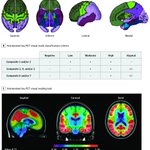
A JAMA Neurology study from the multicenter HEAD trial validates a harmonized five-class visual reading framework for tau PET, extending detection beyond the current binary regulatory-approved classification. Across 681 participants imaged with four different tau radiotracers, the framework achieved excellent interrater agreement (kappa = 0.77-0.85) and good-to-excellent agreement between tracers, highest between 18F-MK-6240 and 18F-flortaucipir (kappa = 0.88). Relative to the regulatory-approved binary read, the harmonized classification nearly doubled detection of tau positivity among cognitively unimpaired participants (prevalence ratio 1.89, 95% CI 1.31-2.70), pointing toward earlier staging of Alzheimer disease pathology across PET tracers. doi.org/10.1001/jamaneurol.2…
Ahmed Negida, MD PhD 🇪🇬🇺🇲 retweeted
The FDA has approved tavapadon (JUVMO), a new once-daily dopamine D1/D5 receptor partial agonist for Parkinson’s disease that can be used as an initial symptomatic therapy or added to levodopa in people experiencing motor fluctuations, with the goal of improving good “ON” time. If you try tavapadon, remember that it is not automatically a replacement for your current Parkinson’s medications and that changes should be made with your treating clinician. Although clinical trials suggest that some of the problems traditionally associated with dopamine agonists may occur less frequently with this more selective drug, as tavapadon moves into real-world use we need to remain vigilant for the full spectrum of dopamine agonist related effects, including sleepiness, hallucinations, orthostatic hypotension, dyskinesia, and impulse-control behaviors (shopping, gambling, hypersexuality, others). New mechanism and once-a-day dosing are exciting, but careful monitoring after approval will tell us how tavapadon performs in the broader Parkinson’s community.