

Official Twitter account for the National Weather Service Alaska Region. Details: https://xitter.cf/t.co/Eq4gjSxysV
- Tweets3K
- Following86
- Followers18.2K
- Likes474




ALT Firefighter watches smoke rising from a wildfire in a forested mountain area with Wildfire Awareness Month in text on the photo.

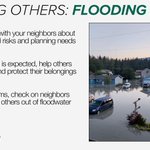
ALT A graphic titled “Helping Others: Flooding” encourages community support during floods. Key tips include: connect with neighbors about flood risks, help others elevate belongings if flooding is expected, and check on neighbors after storms. The image on the right shows flooded streets and homes in Juneau, Alaska, with partially submerged vehicles and standing water. The NOAA logo and weather.gov appear at the bottom.

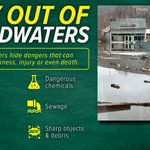
ALT A graphic titled “Stay Out of Floodwaters” warns of hidden dangers in floodwater that can cause sickness, injury, or death. Hazards listed include animals and insects, dangerous chemicals, live wires, sewage, harmful bacteria, and sharp objects and debris. A photo on the right shows floodwater in Manley Hot Springs, Alaska, with visible debris including logs, barrels, and broken wood. The NOAA logo and weather.gov are included at the bottom.


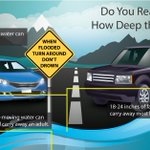
ALT Do you really know how deep the water is? 6 inches of fast-moving water can knock over and carry away an adult. 12 inches of fast-moving water can carry away a small car. 18-24 inches of fast-moving water can carry away most large SUVs, vans and trucks.

ALT Don't underestimate the power of water! 6 inches of fast-moving water can knock over and carry away an adult. 12 inches of fast-moving water can carry away a small car. 18-24 inches of fast-moving water can carry away most large SUVs, vans and trucks.

ALT Side-by-side infographic comparing a Flood Watch and Flood Warning. Left side explains that a Flood Watch means flooding is possible and encourages people to stay informed and prepare to evacuate. Right side states a Flood Warning means flooding is happening or about to happen and urges people to move to higher ground and avoid flooded roads. Background shows water surrounding a submerged bench. NOAA logo and weather.gov appear at the bottom.

ALT Infographic titled “Be Prepared for Debris Flows” with a photo of a home partially buried in mud and large fallen trees after a debris flow. Text explains that heavy rain can trigger debris flows in minutes, especially in areas with little vegetation or recent wildfire burn scars. Tips include having a plan, following official instructions, and evacuating early. NOAA logo and weather.gov are shown at the bottom.

ALT Aerial view of flooded homes and snow-covered areas in Sleetmute, Alaska, caused by ice jams along a river. On the right, the graphic includes safety tips: chunks of ice can jam rivers and restrict flow, flooding can develop in hours, and drivers should never enter floodwaters. The NOAA logo and weather.gov/flood are shown at the bottom.

ALT Photo of coastal flooding in Golovin, Alaska, with buildings and roads submerged by rising water during a storm. The left side of the image includes a blue checklist with three tips: elevate your belongings, move your vehicle to higher ground, and have an evacuation plan. The NOAA and weather.gov logos appear at the bottom.

ALT Aerial photo of Circle, Alaska, showing a frozen river jammed with ice and a nearby community with roads and buildings surrounded by snow. On the left, a blue background features safety tips about ice jams: they can block river flow, cause water to rise rapidly, and it's never safe to cross flooded roads or drive around barricades. The NOAA logo and weather.gov appear at the bottom.

ALT Graphic titled “Watch Out for Snowmelt Flooding” over a background of icy river water. Safety tips include: know your limits in swift currents, be prepared for cold river water even in warm air temps, wear a life jacket, and never cross flooded roads. Blue icons accompany each message. NOAA and weather.gov logos appear at the bottom.

ALT Aerial photo of flooding in Juneau, Alaska, showing water covering roads and surrounding homes in a wooded residential neighborhood. On the left side, a dark green background features bold yellow and white text: “Prepare for Floods Before They Happen.” Tips include checking if you live in a floodplain, identifying flood-prone roads, and knowing the fastest way to higher ground. The NOAA and weather.gov logos appear at the bottom.

ALT Aerial photo of severe flooding in Buckland, Alaska, with homes and roads partially submerged. A green overlay on the left includes safety questions: “Are you located in a floodplain?”, “What is the fastest way to higher ground?”, and “What roads nearby are most likely to flood?” Large white text on the right reads: “Prepare For Flooding Before It Happens.” Logos for NOAA and weather.gov/flood appear at the bottom.

ALT Infographic with the heading “Are You in the Zone?” showing a list of tsunami preparedness activities, including knowing your zone, attending events, sharing resources, and preparing emergency supplies.

ALT Your safe place from tsunamis: tsunamis are rare but incredibly destructive, so know where to go if you're by the coast. You are generally safer by going to official evacuation zones, higher ground, or further inland. Identify your safe place and official evacuation zones before a tsunami occurs.

ALT Photo showing damage in Kodiak, Alaska after the 1964 earthquake and tsunami, with text reading “Today in Tsunami History, March 27, 1964.”