

We provide free, confidential support via telephone and email for adult survivors of all types of childhood abuse. ☎️ 0808 801 0331 📧 [email protected]
Joined June 2009
- Tweets13K
- Following2.4K
- Followers8.8K
- Likes2.4K
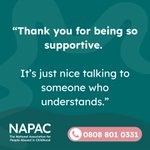
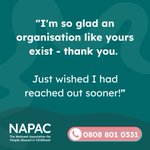


We're incredibly grateful to everyone who shares their experience with us. Your feedback reminds us why our work matters.


Sibling abuse is one of the least recognised forms of childhood abuse. Parents often miss it. Survivors often minimise it. And "kids will be kids" ends up covering things that were never acceptable.
#SiblingAbuse #NAPAC #AbuseAwareness


Many survivors wonder if they are "making it up" or remembering events incorrectly.
Self-doubt can develop for many reasons, particularly if someone was repeatedly told their experiences weren't real, were exaggerated or were their fault.
#SurvivorSupport #HealingJourney


If you experienced physical, sexual, or emotional abuse or neglect as a child, NAPAC is here for you. No matter how long ago it happened or how "small" you think it was.
Call our support line: 0808 801 0331 (free, confidential)
#NAPAC #SupportLine #MentalHealthSupport


Recovery from Technology-Assisted Child Sexual Abuse is rarely straightforward and its effects can continue long after the abuse itself.
We are pleased to share this free webinar series, offering important insight for parents, carers and professionals.
mariecollinsfoundation.org.u…

When a child has experienced Technology-Assisted Child Sexual Abuse, parents and carers can be left facing difficult questions with no clear idea what to do next.
We are pleased to share a free webinar series from the Marie Collins Foundation:
mariecollinsfoundation.org.u…

One thing we hear on our support line is people questioning why memories of childhood abuse have only started coming back later in life.
If memories are becoming difficult to cope with, speaking to someone you trust or reaching out for support can help.
#SurvivorSupport

Some survivors in their 20s and 30s contact NAPAC while still living with family members or in environments that bring back difficult memories.
If that's your situation, you're not alone. Wveryone deserves to feel safe where they live.
#SurvivorSupport #CostOfLiving

Many survivors contact NAPAC unsure whether what they experienced “counts” as abuse.
Abuse can take many forms, including emotional abuse, neglect, manipulation and experiences that leave you feeling unsafe or unheard.
#SurvivorSupport #EmotionalAbuse #HealingJourney

For many survivors, the response from others after abuse can be as difficult to process as what happened itself.
If this is something you have experienced, support is available.
#ChildhoodTrauma #SupportForSurvivors #NAPAC #HealingJourney


