

The Moore Charitable Foundation is a private family foundation committed to land, water & wildlife conservation, founded by Louis Bacon in 1992
New York, NY
Joined July 2012
- Tweets6.1K
- Following891
- Followers29.7K
- Likes3.2K




Indicator species act as early warning systems. Rio Grande cutthroat trout, ospreys, coral, and nesting waterbirds all reveal changes in water quality and habitat before problems surface elsewhere, which is why MCF partners monitor them closely. 🐟
Peconic bay scallops have dozens of bright blue eyes and help keep Long Island's bays clear as filter feeders. @BackToTheBays is restoring this keystone species through its hatchery. 🦪 ccesuffolk.org/marine

Easy to overlook, red-cockaded woodpeckers carve cavities into living pines that later shelter many other species. @NFWFnews is restoring the longleaf forests this keystone species needs in NC through prescribed burning and collaborative conservation. 🌲nfwf.org/programs/longleaf-l…

Sharks are a keystone species, keeping marine food webs in balance. The Shark Conservation Fund is working to restore threatened species in Pacific Panama, strengthen marine protected areas, and reduce trade-driven deaths. 🦈 sharkconservationfund.org/
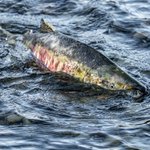
Salmon are a keystone species, feeding wildlife and Alaska Native communities on the Kuskokwim River. The proposed Donlin Gold Mine puts that at risk. We're grateful to work with the Mother Kuskokwim Tribal Coalition to safeguard them. 🐟

A keystone species has an outsized effect on its ecosystem. Remove it, and everything shifts. This week, we're spotlighting four keystone species our partners protect: wild salmon, sharks, red-cockaded woodpeckers, and bay scallops. 🐟🦈🐦
The Leatherback Project uses satellite tags to track hawksbill sea turtles in #Panama's Gulf of Chiriquí, mapping how feeding areas connect to protected waters like Coiba National Park. That data is key to protecting them from coastal development. 🐢 leatherbackproject.org
From Long Island's ospreys to royal terns and egrets on the NC coast and waterfowl along the Atlantic Flyway, millions of birds are heading south, connecting ecosystems across continents. This #WorldMigratoryBirdDay, we're grateful to the partners safeguarding their habitat. 🐦

Good news for forests 🌲 A UK plan for a 1.2GW data center powered by burning wood pellets has hit major setbacks. Thank you to Biofuelwatch for raising awareness of the impacts of industrial bioenergy. We are proud to stand with them. thetimes.com/business/energy…

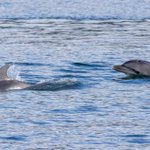
Panama's Gulf of Chiriquí is the only known wintering area for humpback whales from both hemispheres. @Panacetacea has studied them since 2002 and is now learning how bottlenose dolphins live in the nearby Manglares de David. 🐋🐬 panacetacea.org

A big #conservation win for the Cape Fear River! The NC State Ports Authority has asked the Army Corps to pause the $1.3B Wilmington Harbor expansion, allowing time to study impacts on wetlands, fisheries and PFAS. Proud to stand with our partners 💧 coastalreview.org/2026/10/po…

Mangroves shelter young fish, sharks, and sea turtles and absorb floodwater during storms. This #WorldHabitatDay, we stand with @TheOxygenProj, leading 60+ organizations to protect Panama's Manglares de David from the proposed Port of Barú. 🌿

On #WorldAnimalDay, we're recognizing partners protecting ospreys on Long Island, shorebirds in North Carolina, queen conch in The Bahamas, and native trout in Colorado. Different species, same goal. 🌍

This #NCOysterMonth, we're grateful to work alongside @AudubonNC, restoring shell rakes where oystercatchers nest on the Lower Cape Fear, and @NCCoastalFed rebuilding oyster reefs through the Lower Cape Fear Oyster Pathway!🦪

This October, we're spotlighting the species at the center of MCF's #conservation work, from humpback whales in Panama to red-cockaded woodpeckers in North Carolina. Follow along as we celebrate the animals that keep these ecosystems running. 🐋

Since 2018, @MareaVerde_PA has removed more than 778,000 kilos of waste and 62,000 kilos of recyclables from rivers in #Panama, benefiting more than 25,000 people. They run floating trash barriers in the Juan Díaz River basin and lead cleanups. Learn more: mareaverdepanama.org/en/home

The Susitna and Kuskokwim sustain Alaska's salmon runs, the Rio Grande carries water through Colorado, and the Cape Fear supports NC's fisheries. Rivers like these are essential, but face real pressure. On #WorldRiversDay, we're proud to partner with those protecting them.
The Rio Grande stretches nearly 1,900 miles from Colorado to the Gulf. In the Alamosa National Wildlife Refuge, the Rio Grande Headwaters Restoration Project is stabilizing a severely eroding bend, protecting a trail, infrastructure, and #wildlife habitat. riograndeheadwaters.org/

#ClimateWeekNYC brings together leaders across energy, policy, and conservation. This week @Earthjustice, @DogwoodAlliance, @selc_org, and @NRDC are on the ground in New York. Real solutions come from conservationists, scientists, and scholars building on each other's work. 📃🌳

1.5 million North Carolinians get their drinking water from the #CapeFearRiver Basin. Since 1982, NC Coastal Federation has restored shoreline and trained communities to protect the coast it feeds into, reaching nearly 300,000 people a year. Read more: nccoast.org/