

⚽Football blogger| ✒️Human heart, AI pen |✨No club bias here.. so if you want to read only about your club, don't follow me 🚫
Joined August 2025
- Tweets3.4K
- Following6
- Followers221
- Likes82




Is Eduardo Camavinga a left-back or a midfielder, and has he become injury-prone?
👤 Snapshot
→ 23 years old
→ Listed and developed as a central midfielder (No 6 or No 8)
→ Can cover left-back in emergencies
→ Current club wants him used as a midfielder first
Position
🧠 Natural role
→ Central midfielder by training and instinct
→ Strengths sit in midfield: ball-carrying, defensive duels, progressive passing, high-energy pressing
→ Comfortable as a holding midfielder or as a more box-to-box eight
→ That is the position he has publicly said he wants long term
⬅️ Left-back usage
→ Used at left-back during injury crises, especially under Carlo Ancelotti
→ Worked there because of athleticism, recovery speed and defensive work rate
→ Treated as a short-term tactical patch, not a permanent conversion
→ He has said he will help the team there if needed, but not as a long-term plan
→ Current manager has indicated he sees him as midfield cover, not a regular defender
✅ Verdict on position
→ Midfielder first
→ Left-back only as emergency cover
→ Buying or judging him as a specialist left-back would be a misread of his profile
Injury record
📉 The shift
→ Very durable as a teenager at Rennes
→ Availability has clearly worsened since 2023
→ Lower-limb problems have become a pattern: knee ligaments, hamstrings, groin, ankles
📋 Main absences
→ Nov 2023 to Jan 2024: torn lateral knee ligament → about 7 to 10 games missed
→ Aug to Sep 2024: knee ligament issue → about 9 to 10 games missed
→ Nov to Dec 2024: thigh or hamstring problem → about 4 games missed
→ Jan to Feb 2025: another hamstring or biceps femoris issue → about 6 games missed
→ Apr to Jul 2025: adductor or groin tendon injury → around 65 to 75 days, 9 to 13 games missed
→ Aug to Sep 2025: ankle injury → about 5 to 6 games missed
→ Nov 2025: short hamstring issue
→ Dec 2025: further ankle problems → a few more games missed
→ Mar 2026: short dental issue
📊 Availability picture
→ Roughly 44 club games missed through injury while at Real Madrid
→ 2024-25 was the worst season: around 28 to 33 games missed and more than 150 days out
→ 2023-24 and 2025-26 each cost around 7 to 11 games
→ Across the last three seasons the total sits near the “50-plus games missed” range often cited
→ Early career at Rennes was much cleaner, with only short knocks and one muscle issue
⚠️ Why this matters for his game
→ His value depends on explosive carrying, pressing and repeated duels
→ Repeated knee, hamstring and ankle issues interrupt rhythm and reduce consistency
→ He has also lost some midfield status at club level because of form dips plus absences
→ One ankle issue was previously mishandled or misdiagnosed, which added to the stop-start pattern
✅ Injury verdict
→ Not born fragile
→ Has become injury-prone by recent evidence
→ The concern is real, not just media noise
→ Main risk is recurring lower-limb problems rather than one isolated accident
→ Any club signing him should price in missed weeks every season and a need for careful load management
Bottom line
Camavinga is a midfielder who can survive at left-back, not a left-back who happens to play midfield. On fitness, the teenage durability is gone. The last three seasons show a clear cluster of knee, hamstring, groin and ankle setbacks. Talent remains high. Availability is now a genuine question mark.

201
Is Carlos Baleba actually injury-prone or is the label completely overblown?
🧠 Current situation
→ Dealing with the first major long-term physical setback of his professional career
→ Sustained an ankle ligament injury in August 2026 during pre-season
→ The timing of the injury collapsed advanced transfer talks worth more than £60 million
→ This has created a sudden narrative around his durability that does not match his actual record
📋 Full medical history
→ 2026–27: Ankle ligament injury (several weeks, ongoing) → Missed the start of the season
→ 2025–26: Minor knee and general knocks → Only 3–4 days each, almost no games missed
→ 2025–26: Hamstring strain → Just 2 days out
→ 2024–25: Knee inflammation → Missed one match purely as a precaution
→ 2024–25: Minor knock → 3 days recovery during an international break
📊 Availability record
→ 2023–24: 34 matches across Premier League and Europa League in his first season after joining from Lille
→ 2024–25: 36 matches in all competitions
→ 2025–26: 31 Premier League appearances plus additional cup and international games for Cameroon
→ Extremely high availability for a young midfielder playing a high-intensity role
🔍 Why the “injury-prone” tag is misleading
→ Current ankle problem is a traumatic, one-off structural injury (awkward landing or tackle) rather than a recurring soft-tissue issue
→ Brighton have historically been very cautious with him, resting him for minor tightness as a protective measure for a young player in a demanding position
→ The media spotlight intensified only because the injury directly killed a big-money transfer
→ Before this summer he had an excellent physical track record with almost no significant absences
✅ Overall assessment
Baleba has shown strong durability across three seasons of regular Premier League football. The current ankle ligament injury is his first real setback and does not indicate a pattern of fragility. Provided the rehabilitation is handled properly, there is no historical data suggesting long-term durability problems.

605
Has Michael Carrick found a working way for Manchester United to attack without Benjamin Sesko?
⚠️ Current situation
→ Benjamin Sesko has been limited to training only during pre-season due to a shin injury
→ Expected to be available for the Premier League opener but will lack full match sharpness
→ United have used the time to develop a clear alternative attacking structure
⚡ Front-line solution being tested
→ Bryan Mbeumo has started as the central striker in consecutive friendlies
→ Flanked by Amad on the right and Patrick Dorgu on the left
→ Joshua Zirkzee operating as the No 10 just behind the front three
→ The four players have shown strong understanding and natural rotation
🔄 How the system works
→ Mbeumo often drops deep to link play and drag defenders out of position
→ When he drops, Dorgu and Zirkzee become the higher attacking threats
→ Amad arrives late into the box from the right
→ Quick one-twos and diagonal runs create overloads in central and half-space areas
→ The group presses high as a unit in a 4-2-4 shape during the early phases of games
📈 What has worked well
→ Nine goals scored across five pre-season matches
→ Fluid movement has repeatedly unsettled opposing defences
→ Mbeumo has contributed both goals and assists while leading the line
→ Amad has taken more shots than the other wide options in recent games
→ Zirkzee has recorded more touches inside the opposition box than the nominal centre-forward
→ Extended time together has improved the connection between Mbeumo and Dorgu after limited link-up last season
⚠️ Limitations shown
→ High 4-2-4 press leaves little midfield cover and becomes harder to sustain once fatigue sets in
→ Mbeumo can struggle when the final third becomes congested and physical
→ Sesko’s aerial ability and penalty-box presence are still missing in certain situations
→ Substitutions have sometimes disrupted the rhythm when the original front four are removed
🧠 Tactical contrast with Sesko
→ Sesko offers greater physical presence, aerial threat and a more traditional penalty-box focus
→ Mbeumo brings superior ball-carrying, link-up play and the ability to drift into wide areas
→ The current setup is more mobile and rotational
→ The Sesko version is more direct and suited to crosses and set-piece situations
✅ Overall assessment
Carrick has used Sesko’s absence to build a genuine alternative attacking plan rather than a temporary fix. The Mbeumo-led front four looks sharp, interchangeable and capable of creating chances through movement and combination play. It will not fully replace Sesko’s specific qualities, but it gives United a functional and dangerous option while the striker returns to full fitness. The early evidence suggests the side can score freely even without their main centre-forward.


181
Do Barcelona have a real Plan B if they cannot sign Julian Alvarez?
🎯 Current Alvarez situation
→ Player has held a direct face-to-face meeting with Diego Simeone
→ Clearly restated his desire to join Barcelona
→ Agents were present at the training ground
→ Atletico Madrid remain firmly against selling to a direct rival
→ Negotiations have been running since March and continue to resemble a high-stakes standoff
💰 Why Atletico hold the stronger hand
→ Paid a large fee to sign Alvarez from Manchester City
→ Unwilling to strengthen a domestic competitor
→ Know Barcelona are short of proven centre-forward options
→ Can afford to wait and force Barcelona into a higher offer or a climbdown
📉 Barcelona’s attacking problem
→ Robert Lewandowski has already left
→ Ferran Torres is close to departing for Paris Saint-Germain
→ Combined goal output from those two players leaves a gap of roughly 40 goals that needs replacing
→ Current options are mostly versatile attackers rather than pure number nines
→ Lack of a focal point risks reducing presence inside the penalty area
🔄 Stated Plan A and the lack of a clear Plan B
→ Alvarez is openly described as the only named priority target
→ No fully developed alternative has been publicly advanced at the same level
→ Internal candidates such as younger or more flexible forwards are viewed as useful but not ideal replacements for a true centre-forward
→ Names floating as possible backups include more difficult or unrealistic options that would require major negotiations or unlikely sales
⚠️ Strategic criticism
→ Allowing Torres to leave without a guaranteed incoming striker is seen as risky
→ Creates a situation where Barcelona are negotiating from a position of need
→ Board changes have also reduced the usual transparency around potential deals
→ Failure to land Alvarez would leave the attack looking lighter at a time when major rivals have strengthened
🧠 Realistic pathways still open
→ Continued pressure from the player himself could yet force movement
→ Barcelona have pulled off difficult deals before and still believe the situation is not closed
→ Any successful late move would almost certainly require an offer large enough that Atletico feel unable to refuse
→ If the deal collapses, the club will need to move quickly onto secondary targets or accept a more makeshift forward line
✅ Current assessment
Barcelona’s attacking plan for the season is heavily dependent on landing Julian Alvarez. Atletico hold most of the leverage and show no sign of softening. Without a completed deal or a high-quality alternative already lined up, the squad risks starting the campaign short of a proven central striker. The next two weeks will determine whether the priority target arrives or whether the lack of a fully prepared Plan B becomes a serious problem.

261
Is the Premier League wealth gap now so wide that the Big Six are simply raiding everyone else?
💰 Scale of the talent drain
→ Over the past 14 months the Big Six have spent almost £1.2 billion on 23 players taken from the other 14 Premier League clubs
→ Last summer alone saw 11 such moves
→ The following January added more high-profile departures
→ A record number of these internal Premier League transfers occurred in a single season
→ Eleven different non-Big Six clubs have lost key players in this period
📈 Financial gulf that drives the pattern
→ Average revenue of a Big Six club reached £635 million in the most recent full season
→ Average revenue of the other 14 clubs stood at £214 million
→ The gap of £421 million is the largest ever recorded
→ Big Six revenues have grown far faster since the pandemic than those of the rest of the division
→ Matchday and commercial income continue to widen the advantage
🛒 How the money is being used
→ The richest clubs can offer significantly higher wages and the realistic chance of trophies
→ Squad cost rules tied to revenue allow the Big Six to spend more consistently
→ Smaller clubs are often forced to sell to stay within the same regulations
→ Successful mid-table sides are repeatedly stripped of their best performers just as they begin to progress
📊 Clubs most affected
→ Brighton have lost the highest number of players to Big Six sides in recent years
→ Newcastle have generated huge fees from multiple major sales in a short period
→ Leicester and Wolves have also been heavily raided over a longer timeframe
→ Aston Villa and Nottingham Forest rank among the biggest net sellers in the current window
→ Even relatively stable mid-table clubs now expect to lose star players every cycle
🔄 The self-reinforcing cycle
→ Better players make the Big Six more attractive
→ Greater attractiveness brings still more talent and commercial growth
→ The rest of the league receives large transfer fees but struggles to replace the quality that leaves
→ Finishing in the top four has become an extreme over-achievement for anyone outside the established elite
→ Winning the title is now viewed as almost impossible for clubs outside the richest group
📉 Competitive consequences
→ The Premier League shows less variation in champions than several other major European leagues
→ A clear glass ceiling has formed around sixth or seventh place for most clubs
→ Middle-tier sides are financially healthier than before thanks to sales and prize money
→ Sporting progress beyond that middle tier remains extremely difficult once the biggest clubs decide to buy their best players
✅ Overall picture
The wealth gap is no longer just about revenue tables. It has become a structural transfer conveyor belt. The Big Six are systematically acquiring the strongest talent from the rest of the division at record volume and cost. Fees flow downward, but the quality gap continues to widen. Unless the financial rules change significantly, the hierarchy looks set to harden further.

77
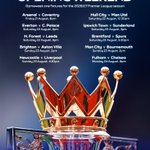
What will the full 2026/27 Premier League table look like by the end of the season?
1. Arsenal
🏆 Strongest and deepest squad in the division
🧠 Midfield now contains multiple high-level options for different roles
🛡️ Defensive structure remains the most reliable
⚡ Ability to score from both open play and set pieces has improved
📈 Continuity in leadership and tactical approach gives a clear edge
✅ Best equipped to handle the demands of a long campaign
2. Manchester City
⚡ Still possess one of the most potent attacking threats in Europe
🎯 Central striker expected to deliver a heavy goal tally
🔄 Supporting attackers have the quality to influence big matches
🧠 New managerial setup will need time but the underlying talent level remains elite
📈 Will stay in the title race for most of the season
3. Manchester United
🔄 Noticeable improvement in midfield balance and control
📊 Greater squad depth than in recent years
⚡ Attacking connections look more fluid
✅ Capable of securing a top-four place once again
⚠️ European football will test rotation and consistency
4. Chelsea
🧠 Fresh tactical direction and interesting creative options
⚡ Several dynamic attackers capable of producing decisive moments
📋 Large group of players still requires a clear hierarchy
📈 Top-four finish is realistic if chemistry forms early
✅ Calendar without European football could help maintain intensity
5. Tottenham
🛒 Significant investment in midfield quality and intensity
⚡ High-pressing style expected to produce more consistent performances
📈 Clear improvement projected after last season’s difficulties
✅ Strong candidate for a European place
6. Liverpool
🔄 Transitional period under new leadership
⚠️ Defensive lapses remain a recurring concern
🎯 Main striker needs to deliver regularly for the side to climb higher
📊 Top-six finish is achievable but automatic Champions League qualification is less certain
7-8. Brighton and Aston Villa
📈 Brighton continue to extract strong results from intelligent recruitment and clear principles
📉 Villa likely to settle slightly lower after previous high finishes and the extra demands of European football
Mid-table group
⚡ Fulham possess enough attacking quality to challenge for the upper half
📊 Bournemouth projected to occupy a solid mid-table position under new management
✅ Leeds expected to stay comfortably clear of relegation danger
🛡️ Coventry given a realistic path to safety through continuity and an established core
⚠️ Sunderland face the typical second-season test after over-performing previously
Lower mid-table and danger zone
🔄 Crystal Palace face a period of adjustment after key departures
📊 Brentford remain difficult to play against but may lack the consistency for a higher finish
⚖️ Everton possess enough quality to stay clear of serious trouble yet may lack the spark for a strong campaign
⚠️ Newcastle carry significant risk after major player losses and a shift toward a younger squad
Relegation places
📉 Nottingham Forest look vulnerable after instability and the loss of important performers
⚠️ Ipswich expected to find the step up difficult despite measured recruitment
📉 Hull City projected to finish bottom due to the scale of the jump and limited ability to attract top-level reinforcements
Defining factors across the season
🧠 Squads with clear tactical identity and leadership continuity hold a major advantage
📉 Clubs that lost experienced creators or leaders face the steepest adjustment curves
⚠️ Newly promoted sides once again confront a significant gap in quality and depth
📊 Depth and the ability to rotate without major drop-offs will separate the top group from the rest
Arsenal enter as the most complete side. Manchester City retain the quality to challenge. The battle for the remaining European places looks open, while several clubs in transition sit closest to the relegation zone.


259
Is José Mourinho’s return to Real Madrid magic or madness?
🔄 The appointment in full context
→ Returns 13 years after leaving at the end of his first spell
→ Club has just endured two straight seasons without a major trophy
→ Finished second in La Liga and exited the Champions League in the quarter-finals
→ Decision taken after other short-term options failed to restore order and intensity
→ President under internal pressure following the lack of silverware and the first serious challenge to his leadership in two decades
🧠 Why Mourinho specifically
→ Proven ability to dominate dressing rooms filled with superstar egos
→ Track record of imposing structure, discipline and a winning mentality quickly
→ Viewed as the biggest personality in any room he enters, which the club believes is necessary right now
→ Long-standing personal relationship with the president made the reunion possible despite the years apart
→ Ideal candidates from previous successful eras were unavailable because of international commitments
⚠️ The baggage he brings
→ Last major European trophy came a decade ago
→ Recent seasons at various clubs produced only limited silverware and several difficult exits
→ Arrives with a significant release clause payment required by his previous club
→ Reputation for creating a siege mentality still exists, but questions remain about whether the methods still function at the absolute highest level in 2026
→ History of public conflicts with players and media remains part of the package
👥 Squad inherited
→ Attack is loaded with elite talent: Kylian Mbappe, Vinicius Junior, Jude Bellingham and new signing Yan Diomande
→ Diomande arrived for a very large fee as a direct, high-upside option for the right side
→ Midfield still incomplete after missing a primary target who chose another Spanish club
→ Defensive structure has looked fragile in key moments despite quality in goal
→ Overall balance remains skewed toward attacking talent at the expense of control and defensive solidity
🔥 Key player dynamics
→ Vinicius Junior has just signed a long-term extension and publicly recommitted to the club
→ Past critical comments from Mourinho about the player created tension, but both sides currently signal willingness to work together
→ Mbappe carries elevated status after the World Cup yet still needs to convert individual brilliance into consistent team trophies in this environment
→ Bellingham requires a clearly defined role if the side is to function without overcrowding central areas
→ Success hinges on whether these major personalities accept collective demands and defensive responsibilities
📈 Definition of success
→ Restoring a competitive, aggressive and unified atmosphere inside the club
→ Winning La Liga is the baseline requirement
→ Serious Champions League contention deep into the knockout stages is expected
→ Re-establishing the sense of mental strength and inevitability that marked the best periods of the first spell
🔮 How the return is likely to unfold
→ Short-term lift in intensity and focus is realistic given Mourinho’s man-management strengths
→ The raw talent available is higher than in most of his recent jobs
→ Tactical questions around fitting multiple elite attackers into a coherent structure remain unresolved
→ Longevity is the biggest doubt: previous patterns suggest high initial impact followed by friction if results dip
→ The appointment is deliberately high-risk and high-reward rather than a safe continuation of a long-term project
✅ Final assessment
Real Madrid have chosen authority, experience and proven dressing-room control over a more modern or developmental path. Mourinho’s second spell will be defined by his ability to impose order on a star-heavy but imbalanced squad and turn individual quality into collective ruthlessness. The potential for rapid success exists. So does the potential for renewed drama if the major egos do not fully submit to the demands. The next six months will show whether this is a masterstroke or a nostalgic gamble.

153
How close did Arsenal actually get to signing Vinicius Junior and what finally kept him at Real Madrid?
⏳ Full timeline of the saga
→ Contract was due to expire in June 2027
→ First formal renewal talks began in January 2025 at the club’s training ground
→ Negotiations lasted 18 months and were marked by repeated deadlocks, public tension and private frustration
→ Two separate Real Madrid offers were rejected before the final breakthrough
→ New contract until 2032 was announced in August 2026
💰 Detailed salary negotiations
→ Starting point: approximately €18 million net per season (including previous bonuses)
→ Real Madrid’s opening improved offer: around €20 million
→ Player’s side, supported by his father and two agents, demanded a package close to €30 million that included base salary, performance bonuses and a large renewal bonus
→ No Real Madrid player had previously received a renewal bonus of that scale, making it the main sticking point
→ Club rejected the counter-proposal
→ A further offer of around €22 million was made during the World Cup period and also turned down
→ Final offer went significantly higher and placed him among the highest-paid players in the club’s history
🔄 Arsenal’s campaign in detail
→ Began serious work several months before the decisive period
→ Full institutional backing from ownership, sporting director Andrea Berta and head coach Mikel Arteta
→ Multiple high-level conversations took place with the player and his representatives
→ Project was presented with Vinicius positioned as the central figure both on the pitch and commercially
→ Personal terms were never an obstacle
→ Club was prepared to break its normal wage structure to make the deal happen
→ Internal confidence remained high right up until the final Real Madrid meeting
→ Some voices inside Arsenal had privately questioned whether the financial scale was sustainable for future squad planning
📉 Relationship problems that prolonged the uncertainty
→ Strained relationship with the head coach appointed in 2025 contributed to the player’s reluctance
→ Public frustration boiled over after a substitution in a Clásico, followed by a private apology to the president
→ At one stage the player indicated he did not see a future at the club while that coach remained
→ Change of manager improved the atmosphere and reopened the possibility of an agreement
→ Periods of frostiness saw casual contact between club and player reduce sharply
📅 The decisive final days
→ Meeting scheduled for 5 August after the player returned from post-World Cup holidays
→ Talks took place at a restaurant in Madrid involving the player’s agents and Real Madrid’s senior negotiators
→ President was kept fully informed throughout
→ Club tabled a substantially improved financial package that finally met the player’s valuation of his own importance
→ Vinicius and his representatives contacted Arsenal the next day to confirm he was staying
→ Expressed gratitude for the seriousness of Arsenal’s approach but cited long-term emotional attachment to Real Madrid and the size of the final offer as the reasons for remaining
📱 Public closing of the story
→ Deleted every photo from his Instagram profile the evening after the key meeting
→ Announced the renewal the following day with a message stating that eight years at the Bernabeu were not enough and that he wanted six more years and beyond
✅ Final assessment
Arsenal ran a highly professional and ambitious operation that genuinely unsettled Real Madrid and forced the Spanish club to go further than planned. For a period the move was a live and realistic possibility. The decisive factor was Real Madrid’s willingness to make an extraordinary financial commitment that turned Vinicius into one of their highest earners on a contract running until 2032. Without that final leap, the outcome could easily have been different.


120
What does the Jeff Bezos-linked stake sale actually mean for Liverpool and the wider game?
💰 Exact shape of the deal
→ A consortium is acquiring approximately 30 percent of Liverpool
→ The transaction values the entire club at around £4.4 billion
→ Fenway Sports Group remain the majority owners and keep overall control
→ The agreement has been under discussion for months and is now close to formal completion
→ Professional advisers have been involved in structuring the sale
👥 The new shareholders
→ Jeff Bezos (Amazon founder, one of the three richest people on the planet)
→ Eduardo Saverin (Facebook co-founder and major global investor)
→ Amit Bhatia (previously a visible figure in the ownership of Queens Park Rangers)
→ This is Bezos’ first significant direct investment in football after earlier interest in other major American sports franchises
📈 Financial transformation under current ownership
→ Fenway Sports Group purchased Liverpool for £300 million in 2010
→ That deal came after the chaotic and damaging ownership of Tom Hicks and George Gillett
→ Sixteen years later the club is valued at more than fourteen times the original purchase price
→ An earlier small stake sale (around 3 percent) had already begun the process of bringing in external capital
→ The new deal continues that gradual dilution while locking in a much higher valuation
🔄 What the arrival of this money represents
→ Another clear example of elite football clubs being treated as global investment assets
→ Technology and platform wealth (Amazon, Facebook) now sitting alongside traditional sports ownership
→ Raises the possibility that other ultra-wealthy technology figures could follow similar paths into the game
→ Accelerates the long-running shift away from local or civic-rooted ownership models
🏟️ Cultural and historical tension
→ Liverpool built much of its modern identity on collective values and a strong connection to its city
→ That identity sat alongside commercial growth even in earlier decades
→ The current ownership structure places the club firmly inside the world of international venture capital and billionaire investment
→ Some see this as the logical endpoint of football’s commercial evolution
→ Others view it as further distance from the club’s traditional social roots
⚠️ On-pitch perspective
→ Rising valuations and new capital do not automatically fix squad balance
→ Liverpool still head into the season with clear structural gaps in certain positions
→ Big external investment has not yet translated into a fully coherent and complete squad
→ The football department remains in a transitional phase under the new head coach
📊 Broader industry signal
→ American and technology-linked capital continues to see Premier League clubs as high-growth assets
→ The gap between the richest clubs and the rest of the football pyramid keeps widening
→ Ownership conversations at the top end of the game are increasingly dominated by global billionaires rather than traditional football figures
✅ Current reality
A 30 percent stake is about to pass to a consortium that includes Jeff Bezos and Eduardo Saverin, valuing Liverpool at £4.4 billion. Fenway Sports Group stay in control, but the ownership group becomes significantly more diverse and globally connected. The deal confirms the club’s enormous commercial value while leaving the same on-pitch questions about squad balance and sporting direction still to be answered.

142
Will Chelsea really struggle to finish in the top four this season?
🔄 Clear shift in transfer approach
→ Moved away from a pure youth-and-potential model
→ Added experienced Premier League players specifically for leadership and dressing-room presence
→ Jordan Henderson and Danny Welbeck brought in to raise standards and provide maturity
→ New manager insisted on greater balance in the squad rather than continuing the previous long-term project approach alone
💰 Financial background
→ Operating under a settlement agreement that requires careful management of spending and sales
→ Need to complete further outgoings before the window closes to stay within the required limits
→ Several players are expected to leave to help balance the numbers and create a clearer hierarchy
📐 Tactical setup under the new manager
→ Base shape often a 4-2-3-1 out of possession
→ Builds into a back three when in possession
→ Can become a more aggressive 3-3-4 when pushing forward
→ Full-backs are encouraged to step high and join the attack
→ Emphasis on structure, control and clear positional roles
🧠 Squad construction challenges
→ Large number of new or recently arrived players still integrating
→ Uncertainty over exact roles and the order of the pecking order
→ Midfield options include a mix of young talents and the new experienced arrivals
→ Defensive stability remains a concern, particularly with consistency in goalkeeping and the centre of defence
→ No urgent need for another centre-forward, with focus instead on moving surplus players on
📈 Realistic expectations
→ Top four is viewed as the absolute ceiling rather than a minimum target
→ Stronger, more settled squads above them make automatic qualification difficult
→ Absence of European football this season gives a cleaner calendar and more recovery time
→ Success will depend heavily on how quickly the new group forms clear chemistry and understands the required intensity
⚠️ Key risks
→ Too many new faces can slow the building of automatic understanding
→ Defensive lapses have not been fully solved
→ Pressure for immediate results is high because of the size and expectations of the club
→ The manager is still in a deconstruction phase (removing pieces and adding the right personalities) before the side can be fully reconstructed
✅ Overall view
The squad now has more leadership and a clearer tactical direction than in recent seasons. However the volume of change, remaining defensive questions and the strength of the clubs above them make a top-four finish an overachievement rather than the expected outcome. Progress and a solid top-half campaign look more realistic while the new structure beds in.

70
Which Premier League clubs are the clear winners and losers of the transfer window so far?
Tottenham Hotspur – Strongest window so far
🛒 Major arrivals
→ Sandro Tonali (beat competition from bigger clubs)
→ Mateus Fernandes (significant midfield upgrade)
→ Andy Robertson
→ Jan Paul van Hecke
→ Marco Sessi
📈 Key points
→ Broke the club transfer record twice in one window
→ Heavy investment after years of more restrained spending
→ New contracts also handed to key existing players (Pedro Porro, Micky van de Ven, Anthony Kinsky)
→ Medical and performance department overhauled after a string of serious injuries last season
→ Several academy or fringe players sold to balance the books (including a sizeable fee for Vuskovic)
⚠️ Remaining issue
→ Still look light in genuine centre-forward options given the injury history of several attackers
→ Front-line depth remains the most obvious gap
Arsenal – Solid and controlled
🛒 Business completed
→ Bruno Guimaraes arrived for £75 million as the standout midfield addition
→ Provides leadership, physicality and rotation options alongside Declan Rice
🔄 Other notes
→ Missed out on a major attacking target who stayed in Spain
→ Defensive cover still being monitored
→ Overall squad already the deepest in the league, so the window has been about fine-tuning rather than transformation
Manchester United – Quietly effective
🛒 Key signings
→ Youri Tielemans (£35 million release clause) viewed as one of the best-value deals of the summer
→ Andrey Santos has impressed in pre-season
📈 Assessment
→ Not a flashy window but sensible additions that improve midfield control and depth
→ Existing young players expected to take further steps forward
→ Still need more depth for a campaign that includes European football
Manchester City – Watching and waiting
🔄 Current position
→ Interest exists in high-level midfield reinforcement
→ Future of Rodri remains a significant background factor
→ Recent recruitment has been targeted rather than expansive
→ Positioned to move if the right opportunity appears or if a key player departs
Liverpool – Clear work still required
⚠️ Squad gaps highlighted
→ Defensive options remain thin, especially at full-back and centre-back with several injury concerns
→ No natural high-level replacement yet for the major attacking departure on the right
→ Midfield lacks a specialist holding player
→ Ronald Araujo arrived on loan as short-term cover but longer-term solutions are still needed
→ Window so far feels incomplete relative to the holes that need filling
Newcastle United – Difficult summer
📉 Major departures
→ Lost Sandro Tonali and Bruno Guimaraes among others
→ Significant experience and quality removed from the squad
🛒 Incoming profile
→ Mostly young players with potential rather than ready-made Premier League performers
→ Missed out on several preferred first-choice targets
→ New manager inherits a much younger and less proven group
→ Risk of a challenging season while the new core develops
Other clubs
🟡 Aston Villa
→ Added interesting attacking and defensive pieces
→ Still looking for greater midfield control after losing a key passer
🟡 Brentford
→ Replaced experience with younger, athletic options
→ Attack strengthened with additional forward depth
→ Overall position looks stable
🟡 Fulham
→ Lost important creative and attacking players
→ New manager faces a transitional squad
→ Window currently viewed as one of the more difficult ones
✅ Current ranking of windows
1. Tottenham – most decisive and ambitious business
2. Arsenal – smart, targeted improvement of an already strong squad
3. Manchester United – quiet but high-value additions
4. Brentford and Aston Villa – functional and sensible
5. Manchester City – still to show their full hand
6. Liverpool and Newcastle – most obvious remaining gaps and biggest adjustment required
The window is not closed. Rankings can still shift in the final weeks, but the early picture shows a clear split between clubs that have acted decisively and those still chasing solutions.

619
How did Andy Robertson rise from amateur football to become a Premier League champion and one of the best left-backs in the world?
👤 Early years and rejection
→ Released by Celtic as a youngster because he was small and not considered physically robust enough
→ Fell through the cracks in the same way many promising Scottish kids do at that age
→ Joined Queen’s Park in League Two, which looked like a step backwards but proved the perfect environment for growth
→ Supportive coaching staff allowed him to enjoy his football and develop without heavy pressure
→ Energetic, consistent character who laughed a lot and brought positive energy every day
→ Debate over his best position: his dad saw him as a centre-midfielder while the coaches pushed him towards left-back
→ Deliveries into the box quickly became a standout strength
📈 Dundee United breakthrough
→ Signed for a combined fee of around £4,000 (alongside another young player)
→ Some supporters were unhappy at the club taking players from Queen’s Park
→ Stood out through pure desire and appetite to win
→ Gave everything in every training session
→ Crossing improved dramatically and became highly accurate
→ Attracted interest from Everton, West Ham and other clubs
→ Clearly the standout performer and ready for a bigger move
🔄 Hull City and the Premier League education
→ Spotted by a scout who was actually looking for a striker and nicknamed him for his quickness
→ Hull accepted a bid and he drove to Glasgow to decide whether to take the leap
→ Only one year as a full professional at that point, so the decision carried real risk
→ Settled with help from older players in the squad
→ Made his Premier League debut under Steve Bruce
→ Biggest period of growth came during the Championship season after relegation
→ Played the most minutes in the side and learned the physical and tactical demands of English football
→ Developed a strong winning mentality and became more vocal
→ Knew at 23, with one year left on his contract, that he had to stay in the Premier League
🏆 Liverpool arrival and transformation
→ Met Jürgen Klopp at the manager’s house for a two-hour conversation
→ Discussed dreams, backgrounds and what both wanted from the next chapter
→ Klopp told him that if he committed to improving his defending, the rest of the game would be developed together
→ Arrived as a relatively shy and timid figure who kept his head down
→ Spent early months behind Alberto Moreno and sometimes out of matchday squads
→ Breakthrough came when Moreno suffered an injury in the Champions League
→ Immediately looked suited to the high-intensity, attacking full-back role required
→ Extra work on crossing and defensive positioning paid off quickly
→ Became a constant source of energy, assists and relentless pressing
→ Famous for tracking back and pressing high even against the strongest sides
🌟 Peak years and leadership
→ Formed one of the most productive full-back partnerships in Europe alongside Trent Alexander-Arnold
→ Competed with him for assists and attacking output while maintaining defensive standards
→ Grew into a leader who lifted the mood of the dressing room every day
→ Known as the joker in the best sense: zero ego, infectious personality and total commitment
→ Central to the culture that delivered a Champions League title and a Premier League title
→ Went from a player who simply hoped to prove himself at the top level to one who expected to win major trophies
✅ The complete journey
→ Released as a small teenager
→ Rebuilt at Queen’s Park in the lower divisions
→ Exploded at Dundee United through pure desire
→ Learned the harsh lessons of English football at Hull
→ Transformed into a world-class left-back at Liverpool through hard work on his weaker areas and perfect tactical fit
→ Remains the same grounded character who started the journey, with no regrets over the nine years at the highest level
The rise is a clear example of delayed physical development, the right environment at the right time, elite work ethic, and a manager who saw the potential to turn attacking instincts into a complete full-back.

1
853
🇪🇸 Jorge Salinas Viadero
19-year-old Left-Back / Centre-Back | Racing Santander & Spain U19
Left-footed modern defender who can operate as a progressive left-back or left-sided centre-back. Key figure in Racing Santander’s 2025-26 La Liga 2 title and promotion. UEFA European Under-19 Championship winner with Spain in 2026.
📋 Core Profile
🎂 Born: 3 April 2007 (Santander)
📏 Height: 1.81-1.83 m
🦶 Preferred foot: Left
🏟️ Current club: Racing Santander (No. 32)
📝 Contract: Until 30 June 2029
💰 Market value: €8m
🔒 Release clause: €16m
🧑💼 Agent: Gestifute
🛤️ Career Path
🏠 Local product: Marina Sport, Monte, Bansander → Racing academy (2019)
🟡 Racing B (2024-25): 22 apps, 1 goal
⚪ First-team breakthrough: Debut in Copa del Rey (Dec 2024 vs Sporting Gijón)
📈 2025-26: Became undisputed starter at left-back during promotion campaign
📊 2025-26 Club Stats
📊 Appearances: 33-34 (all competitions)
⚽ Goals: 0
🎯 Assists: 7
⏱️ Heavy minutes as regular starter
🏆 La Liga 2 champions & promotion to Primera
🇪🇸 International Record
🇪🇸 Spain U18: 4 caps
🇪🇸 Spain U19: 9 caps, 3 goals
🥇 UEFA European Under-19 Championship winners (Wales 2026)
🔧 Technical & Tactical Profile
💪 Strengths
🛡️ Elite duel winner: Extremely aggressive and effective in 1v1s. Uses body well, stays balanced and rarely overcommits.
🦅 Aerial dominance: Excellent leap and timing despite moderate height. Strong in both defensive and offensive set pieces.
🚀 Progressive left-back: Steps forward with the ball when space appears. High assist numbers for a defender show vision and delivery.
🔄 Positional versatility: Comfortable as left centre-back or left-back. Adapts well to high defensive lines.
💪 Recovery speed & work rate: Good ability to recover when beaten. High intensity and physical capacity.
🧠 Mentality: Described as serious, professional and mature beyond his years.
⚠️ Areas for Development
⚠️ Occasional defensive lapses when the team is stretched high up the pitch.
🏋️ Still filling out physically for consistent top-level duels against elite Premier League or Champions League forwards.
📉 Limited senior experience in La Liga (only just promoted).
🩹 Injury history: Jaw fracture (Oct-Nov 2025) kept him out for around one month.
🔄 Transfer Situation (August 2026)
🔴 Strong interest from Barcelona (player preference reported earlier in summer)
🔴 Manchester United monitoring as alternative to Lewis Hall
🟡 Club stance: Full €16m clause required. Manager has stated the player currently does not want to leave.
🟢 Still training and available with Racing for the new La Liga season.
🌟 Potential Ceiling
Modern, ball-playing left-sided defender with the aggression of a traditional centre-back and the progressive output of a contemporary full-back. Clear pathway to become a regular at a top-five league club and a Spain senior squad member if development continues cleanly.


1
455
Can Arsenal really go back-to-back and become Premier League champions again?
🏆 Last season in context
→ Ended a 22-year wait to win the Premier League title
→ Reached the Champions League final but lost on penalties to Paris Saint-Germain
→ Huge celebrations followed, with an estimated million-plus people attending the title parade in north London
→ Mikel Arteta was so tense he could not watch Manchester City’s final collapse and was instead in his back garden lighting a fire when the title was confirmed
🛒 Transfer business completed and still possible
→ Bruno Guimaraes signed from Newcastle for £75 million after a compromise fee was agreed
→ Christos Tzolis arrived from Club Brugge for £34 million as the replacement for Leandro Trossard on the left side of the attack
→ Major pursuit of Vinicius Junior ended when the Brazilian extended his Real Madrid contract until 2032
→ Interest remains in adding defensive cover, with Ezri Konsa of Aston Villa among the names still monitored
→ Sporting director Andrea Berta is still expected to look for one more attacking reinforcement before the window shuts if the right opportunity appears
⚠️ Major fitness and workload issues
→ William Saliba sustained a back injury while playing for France at the World Cup and will miss an unknown period of the start of the season
→ Declan Rice has been playing through neural pain in his hamstring and lower back since December
→ Bukayo Saka has had recurring fitness problems in recent seasons and also felt the physical effects of a long World Cup campaign
→ Both Rice and Saka played through significant discomfort to help England reach the later stages of the tournament
→ Careful management of these three players will be one of the defining challenges of the campaign
🧠 Midfield depth and tactical flexibility
→ Guimaraes brings leadership, physicality and the ability to play multiple roles
→ Can operate as a deep-lying controller or as a more box-to-box presence
→ Gives Arteta genuine rotation options alongside Declan Rice, Martin Odegaard, Martin Zubimendi, Myles Lewis-Skelly and Mikel Merino
→ Allows the coaching staff to protect Rice’s minutes after a heavy previous season that included playing while injured
→ Creates one of the strongest and most versatile midfield groups in the league
🛡️ Defensive outlook
→ Saliba’s absence removes the side’s most important centre-back for the opening weeks
→ The defence conceded 27 Premier League goals last season
→ Set-piece strength remains a major advantage
→ Only three teams produced a better non-penalty expected goal difference from set plays alone last season
→ Referees have been instructed to pay closer attention to grappling at set pieces this season, which could test Arsenal’s previously dominant routine
⚡ Attacking options
→ Christos Tzolis provides a natural left-sided forward with goal threat and the ability to stretch defences
→ Bukayo Saka remains the primary source of creation and goals when fully fit
→ The lack of a new high-profile centre-forward is the one clear gap left in the summer window
→ Young players such as Max Dowman continue to push for more opportunities after strong pre-season moments
📈 Title prospects
→ Squad is now widely regarded as the deepest in the Premier League
→ Continuity under Arteta is a major strength while several rivals are adjusting to new managers
→ Not since 1935 have Arsenal successfully retained a league title
→ Ownership messaging has been clear that there will be “no standing still”
→ Current consensus prediction is that they will finish first again
🏟️ Off-field notes
→ Plans are advancing for an Emirates Stadium expansion beyond 70,000 capacity at a potential cost of up to £500 million
→ New commercial partnerships have been secured after the previous sleeve sponsor departed
→ The ownership group continues to invest heavily and is now more openly celebrated by supporters after the title success
✅ Overall assessment
Arsenal enter the season as clear favourites with the strongest and deepest squad in the division. The midfield has been upgraded, the core of the team remains intact, and the tactical structure under Arteta is proven. The biggest threats to another title are the fitness of Saliba, Rice and Saka, plus the question of whether the attack can maintain its output without a major new centre-forward. If those issues are managed successfully, they will be extremely difficult to catch.


479
How similar is Enzo Maresca actually to Pep Guardiola?
🧠 Shared background and rapid rise
→ Won the Premier League 2 with Manchester City’s development squad
→ Served as assistant during a treble-winning season under Guardiola
→ Took Leicester City to the Championship title with a clear possession-based style
→ Won two trophies in a single season at Chelsea while also securing Champions League qualification
→ Consistently worked with young squads and still produced strong results
📊 Performance markers at Chelsea
→ Generated 1.8 expected goals per 90 (second only to the very top sides)
→ Conceded just 1.3 expected goals per 90
→ Fielded the youngest average squad (by minutes) across consecutive seasons
→ Maintained high territorial control and patient circulation of the ball
⚙️ Core tactical similarities
→ Both build coherent possession systems based on positional play
→ Careful, structured build-up that often creates a 3-2-5 shape
→ Full-back inversion to form a situational double pivot
→ Emphasis on occupying specific zones to create numerical advantages
→ Strong rest-defence structure once the ball is progressed
→ Preference for controlling the centre while using wide networks to stretch the opponent
→ Patient sequences with high numbers of passes and relatively slow progression up the pitch
🔄 Points of difference and adaptation
→ Guardiola has shown greater willingness in recent seasons to introduce more verticality and controlled chaos when the league meta has shifted
→ Maresca has demonstrated flexibility with individual roles (for example using a full-back in midfield or pushing another into advanced half-spaces)
→ Willing to change shape within short periods (moving between 4-2-3-1, 4-2-2-2 and 4-3-3 according to the opponent)
→ Out-of-possession approach blends player-oriented and zonal pressing, which can be highly effective but leaves the side open if the timing is wrong
✅ Overall assessment
The underlying principles are very close: positional structure, technical security in tight areas, territorial dominance and a clear idea of how to build from the back. Maresca is not a pure copy, however. He has already shown the ability to adjust shapes and roles according to personnel and opposition. The biggest test will be whether he can install similarly robust out-of-possession habits and adapt the in-possession patience when games demand more directness. The similarities explain why he has been viewed as a natural candidate to continue a possession-dominant project.


141
What did Chelsea’s long summer tour actually reveal about Xabi Alonso’s squad handling, Cole Palmer and the return of Mykhailo Mudryk?
✈️ Tour overview
→ Covered Australia, Hong Kong, Indonesia and Malaysia
→ More than 25,000 miles of travel
→ Five matches plus two open training sessions
→ Only two full days off across a period of more than two weeks
→ Heavy schedule of commercial events, media duties and training alongside the games
🧠 Alonso’s methods
→ Extremely high attention to detail from the first session
→ Watched training and match clips on the team bus immediately afterwards
→ Led sessions with constant instruction and clear standards
→ Held individual conversations with strong eye contact
→ Built relationships with senior staff, including a golf day used to discuss plans
→ Involved daily in transfer conversations despite the time differences
😊 Cole Palmer
→ Returned in excellent spirits after a full summer free of international duty
→ Noticeably more relaxed and upbeat than at many points in previous seasons
→ Volunteered for his first pre-match press conference since joining the club
→ Engaged warmly with fans, including playful interactions outside the hotel
→ Positive mood seen as an important boost heading into his fourth season at the club
🔄 Mykhailo Mudryk reintegration
→ Cleared to return after his long suspension was resolved
→ First appearance in 21 months came as a substitute against Juventus in Hong Kong
→ Arrived the day before that match and received the loudest reception of any player at the open training session
→ Clear change in demeanour: smiling, embracing staff and looking far more open than the withdrawn figure of previous seasons
→ Nicolas Jackson agreed to come off late so Mudryk could get minutes
👥 Squad atmosphere and hierarchy
→ Some fringe and academy players sensed an A and B group split in training and match minutes
→ Club position is that every player was given chances to impress
→ Under-21s were fully included and several impressed, especially the young midfielders who received the most minutes
→ Levi Colwill played an important role in helping younger players feel part of the group
→ Overall mood was more focused and positive than on some previous long-haul tours
🆕 New and returning faces
→ Jordan Henderson and Danny Welbeck brought in to add experience and leadership
→ Maxence Lacroix and Morgan Rogers also part of the wider group
→ Several senior players (including Reece James and Enzo Fernandez) joined later after post-tournament breaks
→ Filip Jorgensen left the tour early after making clear he wants a new club
📊 Results and priorities
→ Mixed outcomes on the pitch (wins, losses and a draw)
→ Results were secondary to fitness, tactical installation and squad assessment
→ Heavy use of substitutions in every game
→ No major concern expressed about the defeats
✅ Overall picture
The tour gave Alonso an intensive first look at the entire group under demanding travel conditions. Palmer’s renewed positivity and Mudryk’s successful first steps back were the clearest individual pluses. Standards have been set high from the start, relationships are being built, and the hierarchy is beginning to take shape even while further transfer work continues. The real test will come when the competitive season begins and minutes become harder to distribute.


1
142
Is José Mourinho still “box office” and what does his new documentary actually reveal?
🎬 The documentary
→ Three-part Netflix series titled simply “Mourinho”
→ Filming began in 2022 while he was still at Roma
→ Directed by Joe Pearlman and produced by experienced documentary makers
→ Features extensive interviews with Mourinho plus contributions from John Terry, Frank Lampard, Iker Casillas and most of his former assistants
→ Aims to “tell the truth” and “set the record straight” in Mourinho’s own words
🧠 Central personal revelations
→ Deep and complicated relationship with his father Felix, described as the opposite of him because “everybody loved him”
→ Admits “I’m not nice, that’s just the way it is. I do it with pride. Anything to get your players not to lose”
→ Says “I don’t want to change. It’s too late”
→ Reflects that his children “enjoy life much more without me”
→ Shows clear reluctance when pushed to talk about his inner self, drawing a distinction between the public persona and the private man
😢 Vulnerability on camera
→ Broke down in tears on the phone to Sir Alex Ferguson
→ Became emotional after Inter’s 2010 treble, leaving the celebrations early
→ Speaks openly about periods of feeling unloved and unaccepted by the wider game despite managing the biggest clubs
🔄 The Manchester United revelation
→ In the summer of 2013 he agreed to succeed Sir Alex Ferguson at Manchester United
→ Later changed his mind and returned to Chelsea instead
→ Told Ferguson he needed to “feel love” after his first spell at Real Madrid
→ Ferguson confirms the conversation and that Mourinho was in tears when he called to reverse the decision
🏟️ Club-by-club insights
→ Real Madrid first spell ended with a sense of emotional exhaustion
→ Chose Chelsea over United in 2013 for personal rather than purely sporting reasons
→ Still carries bitterness about being sacked by Chelsea on two separate occasions
→ Early years at Barcelona left a lasting chip on his shoulder after being dismissed by some as merely a “translator”
→ Views the 2010 Inter treble as the pinnacle of his career
⚔️ Personality and methods
→ Continues to reject the idea of sabbaticals, describing them as weakness
→ Takes pride in a confrontational, win-at-all-costs mentality
→ Maintains that people think they know him but do not
→ The public “Mourinho” character created over 25 years is now tightly bound to the real person
📈 Legacy and current standing
→ Has not won a league title for more than a decade and has gone several years without a major trophy
→ Yet remains a figure of fascination for supporters, filmmakers and club presidents
→ Recent return to Real Madrid is presented as a form of unfinished business and personal validation
→ The documentary reinforces that, for better or worse, he is still capable of dominating the conversation
✅ Overall picture
The series mixes familiar career highlights with unusually open moments of self-reflection. It confirms long-held views of Mourinho as driven, proud and often abrasive, while also showing a more vulnerable side that he has rarely allowed the public to see. The revelation about turning down Manchester United in 2013 is the clearest new piece of football history, but the deeper interest lies in his relationship with his father and his refusal to soften with age.


1
419
Are there still glaring gaps in Liverpool’s squad that need urgent transfer work?
🏟️ Context from the Monaco defeat
→ Lost 3-2 at Anfield after leading 2-1 at half-time
→ Strong dominant first 30 minutes with high pressing and fluid attacking combinations
→ Energy and control dropped sharply once substitutions were made
→ Late winner conceded from a corner, repeating last season’s set-piece problems
→ Head coach noted the side cannot yet sustain the required intensity for a full match
Defensive situation
🛡️ Centre-back and full-back cover
→ Ronald Araujo has arrived on a season-long loan from Barcelona as a short-term solution
→ Provides experienced cover at both centre-back and right-back
→ Prevents further reliance on makeshift pairings that were exposed previously
→ Virgil van Dijk remains the leader but needs reliable partners
→ Ifeanyi Ndukwe (18) has impressed with composure in pre-season but faces work-permit issues and is likely to go out on loan
→ Jeremy Jacquet (£60 million signing) is returning from knee injury and is expected to be available for the season opener
→ Joe Gomez and Giovanni Leoni remain sidelined
→ Full-back options currently rest heavily on Jeremie Frimpong and Milos Kerkez while Conor Bradley is injured
🧤 Goalkeeping
→ Clear hierarchy with the established first choice well ahead of the deputy
→ Sizeable gap in quality and experience between the two
Midfield gaps
🧠 Holding midfield remains unaddressed
→ No specialist defensive midfielder has been signed
→ Last season the side were frequently outfought and outrun in central areas
→ Ryan Gravenberch, Dominik Szoboszlai and Florian Wirtz can dominate when fresh but fatigue sets in quickly
→ Curtis Jones is currently dealing with hip discomfort and has attracted interest from Inter
→ Selling Jones without a replacement is viewed as unthinkable
→ Alexis Mac Allister is expected to stay with no concrete offers received
Attacking depth and the Salah replacement
⚡ Right-sided attacking options
→ The departure of Mohamed Salah has left a major hole
→ Pursuit of Bradley Barcola continues but PSG’s valuation remains extremely high (demands around £145 million)
→ A lower bid has already been rejected
→ Alternatives such as the young PSG winger Ibrahim Mbaye are being monitored
→ Current options (Lewis Koumas and Federico Chiesa) are not considered sufficient for a full campaign
→ Koumas has shown exciting moments but still has decision-making limitations and may need a loan
⬅️ Left side and central attacking
→ Cody Gakpo, Rio Ngumoha and new arrival Victor Munoz all competing for minutes
→ Munoz has displayed pace and directness in early appearances
→ Alexander Isak is the clear lead striker when fit
→ Overall depth further forward is still viewed as light for Premier League and European demands
Key priorities before the window closes
→ Secure a high-level right-sided attacker to replace the goal threat and creativity previously provided on that flank
→ Add a reliable holding midfielder who can protect the defence and allow the more progressive players to push forward
→ Ensure full-back and centre-back cover is robust enough for a long season
→ Improve set-piece organisation after repeated concessions from dead-ball situations
✅ Overall assessment
The first-half performance against Monaco showed clear progress in intensity and attacking combinations. The second-half collapse and continued structural weaknesses highlight that the squad is not yet complete. Several positions still require reinforcement if Liverpool are to sustain the levels the new manager demands across a full campaign. The next three weeks of the transfer window will be critical.


553