

We are the independent entity responsible for direct safety oversight and enforcement on WMATA's Metrorail system in D.C., Maryland and Virginia
Washington, DC
Joined December 2018
- Tweets8.5K
- Following95
- Followers2K
- Likes50


Pinned Tweet
Have #WMATA rail safety concerns?
Report them to us through DMs, email or our online form: wmsc.gov/report/
(If it is an emergency, first call 911/MTPD)

MWCOG Board of Directors passed Resolution R40-2026, recognizing Dr. David Mayer, the WMSC CEO from 2018 to June 2026. His leadership was vital to building the WMSC and advancing a stronger safety culture across the Metrorail system. #RailSafety #TransitSafety #SafetyOversight

Through our audits, inspections and corrective action plan oversight, the WMSC assesses WMATA's training and compliance with emergency procedures, such as emergency braking.#RailSafety #SafetyOversight #TransitSafety #WorkingWednesday

Catch up on the latest WMSC updates, including inspections, public meetings, and ongoing rail safety oversight activities. #RailSafety #TransitSafety #SafetyOversight
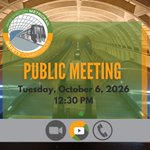
The WMSC will hold an in-person public meeting on December 8, 2026, at 12:30 p.m. Attend and learn more about the WMSC’s ongoing rail safety oversight. #RailSafety #TransitSafety #SafetyOversight

The second phase, covering the Orange, Silver, and Blue Lines, is targeted for December 2026, and the third phase, covering the Yellow and Green Lines, for approximately mid-March 2027.
WMATA is introducing single controller operations in phases, line by line. The first phase, covering the Red Line, is scheduled to be activated on November 7, 2026.
The project changes how control territories are divided and how each controller manages trains, communications, and track activity within them.
WMATA is moving to a model where one Rail Traffic Controller manages a defined territory of the rail system from the Metrorail Integrated Command Center.
The WMSC will continue to monitor this issue in safety oversight activities like risk-based inspections and future audits.
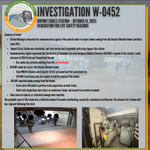
Consideration of whether bollards were the right solution to prevent illegal parking versus no parking signage, or painted lines indicating not to park.
WMATA worked with WMSC subject matter experts throughout the journey to ensure the unique solutions for each location were sufficient to address the risk.
WMATA looked at other locations that presented similar conditions. WMATA identified 33 other locations that were similar to the Rosslyn below-ground emergency exit hatch that needed additions to prevent them possibly being blocked.
The exit hatch was not marked with any signage or protective measures like bollards to prevent parking.
The emergency exit is hidden by sidewalk-level doors that are flush with the sidewalk. This permits people or vehicles to move onto those doors because there is a curb-cut that allowed vehicles to park on top of the emergency exit hatch.
Rosslyn Station is one of the deepest stations on the Metrorail system. In 2013, two new high speed elevators were installed and along with that project, an emergency exit stairwell was also installed.
In an emergency, a vehicle parked on top of an emergency exit door would result in people being trapped, rendering that emergency exit route useless for its intended purpose.
In the 2022 Emergency Management and Fire and Life Safety Programs Audit, the WMSC identified that exit doorways located at Rosslyn Station were at risk of being blocked by vehicles being parking over top of the exit door.
Those exits are not obvious, at the street level, because their locations are visually hidden or locked.