

Insights on nutrition, healthy choices, and long-lasting wellness. Wife, Mom, PhD in Engineering:Inventor/Author. Opinions are my own, not medical advice.
California, USA
Joined August 2024
- Tweets6.3K
- Following408
- Followers1.5K
- Likes14.2K




Pinned Tweet
"Anger is never about them, it is about you. Its a mirror, showing your expectations, your wounds, your illusions." Alan Watts.
Longevity Boosts 🥩 🫒 retweeted

If you can't comfortably go 16 hours without eating, something is off. You're either not metabolically flexible yet, not eating enough protein to stay full, or both.
Not everyone needs to (or should) fast, but it shouldn't feel like the end of the world if you skip a meal.
Longevity Boosts 🥩 🫒 retweeted

Common nutrient deficiencies:
-Vitamin D (SUN, fatty fish, cod liver, eggs)
-Magnesium (Cacao, leafy greens, supplements)
-Iodine (seaweed, seafood, eggs, dairy)
-B12 (red meat/organs, shellfish, eggs)
-Potassium (avocados, bananas, kiwi, potatoes)
-B1 (mussels, pork, asparagus)
Longevity Boosts 🥩 🫒 retweeted

This is your muscle at 25 vs. 55.
On the left: dense, healthy tissue.
On the right: muscle marbled with fat like a ribeye steak.
It's called myosteatosis, and if you're not lifting heavy and you're carrying extra fat, it's already happening to you.

Longevity Boosts 🥩 🫒 retweeted

If you have a double chin, try out these 5 exercises!
A double chin commonly forms due to loose skin and weakened fascia, the connective tissue beneath the skin that supports the muscles. As we age, the muscles and fascia in the neck are used less frequently, which can cause them to weaken and sag over time.
Each of these exercises targets a different layer of fascia and muscle to help stretch, strengthen, and tone the neck area. Perform each exercise for 30 seconds consistently to see noticeable improvements.
Longevity Boosts 🥩 🫒 retweeted

Here's the simple reason why ruminant meat (beef, lamb) is superior to monogastric meat (chicken, pork).
Monogastrics store whatever they’re fed.
Grains in → linoleic acid in their fat.
That’s why pork fat = 20% PUFA, chicken fat = 25% PUFA.
They are literally swimming in seed oils.
Ruminants are different. Their multi-chambered stomachs biohydrogenate polyunsaturated fats, converting unstable seed oils into stable saturated & monounsaturated fats.
Grains in → beef fat still ~2–4% PUFA.
Translation:
🐖 + 🐓 = vehicles for industrial seed oils.
🐄 + 🐑 = built-in detox machines that protect you from seed oils.
L-lysine is an essential amino acid that your body can't produce on its own, so you get it from food or supplements. It's a building block for proteins and plays roles in various bodily functions. Here are the main things L-lysine is commonly used for or considered good for, based on available evidence:Preventing or reducing cold sores (herpes labialis) — This is the most well-known and supported use. Lysine may help by interfering with arginine (another amino acid the herpes simplex virus needs to replicate). Evidence shows that oral lysine supplements (typically 1,000 mg or more daily for prevention, and higher doses like 3g+ during outbreaks) can reduce the frequency, severity, or duration of outbreaks for some people. Lower doses (<1g/day) often show little effect, and results vary. It's rated as "possibly effective" by sources like WebMD.
Supporting calcium absorption and bone health — Lysine helps the body absorb calcium better and may reduce calcium loss in urine, which could benefit bone strength and potentially help prevent issues like osteoporosis (though direct evidence for preventing osteoporosis is limited).
Reducing anxiety and stress — Some studies suggest lysine (often combined with arginine) can lower anxiety levels, possibly by influencing serotonin pathways or reducing stress responses. This has been observed in certain populations, like those with diets low in lysine.
Promoting wound healing and collagen production — As part of protein synthesis, lysine contributes to collagen formation (important for skin, connective tissues, and healing). It may aid in faster wound recovery.
Other potential benefits with emerging or mixed evidence:Lowering blood pressure (in people with insufficient lysine intake).
Supporting muscle recovery or growth.
Boosting immune function or growth in children/adolescents (especially in lysine-deficient diets, like those heavy in grains).
Lysine is naturally found in high-protein foods like meat, fish, eggs, dairy, beans, and quinoa. Supplements are popular for the above uses, but evidence for many claims (beyond cold sores) is preliminary or not strong enough for definitive recommendations.Always check with a healthcare provider before starting supplements, especially at higher doses, as they can interact with certain conditions or medications (e.g., caution with kidney issues or calcium-related concerns). Side effects are usually mild (like stomach upset), but high doses aren't suitable for everyone.
Summary by Grok

Longevity Boosts 🥩 🫒 retweeted

Kindness is peak human performance and high status.
Kindness requires metabolic abundance: the capacity to override primal impulses, regulate emotions, and extend empathy.
Meanness is dirty energy: high cortisol, inflammation and an exhausted executive function.

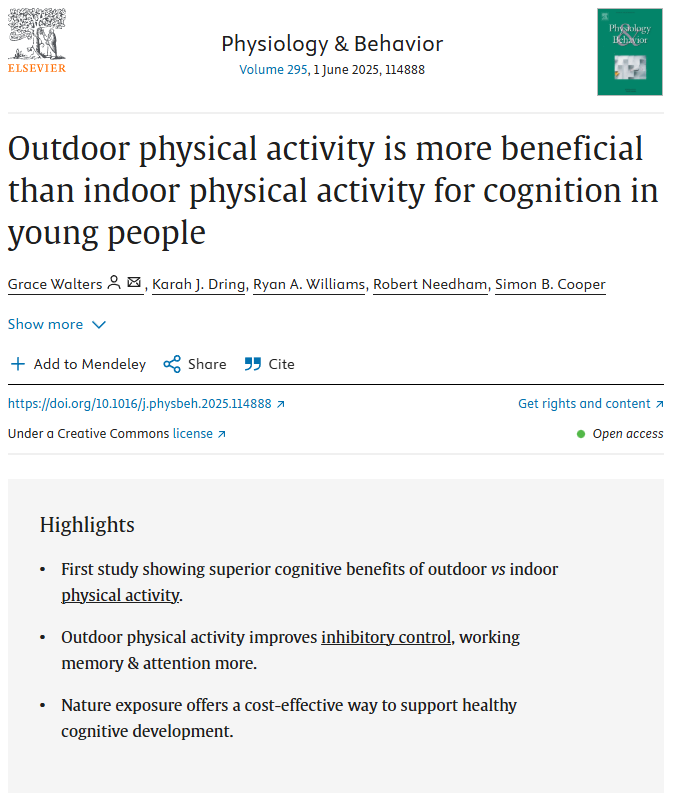

Use Costco for best prices. I buy online from sameday.costco.com. I pick organic, pasture raised and grassfed options whenever possible.

When people respond to feedback with overconfidence, biases or outright denial, they trap themselves in the same life circumstances—whether in relationships, careers, or parenting—and prevent progress to improve.
Longevity Boosts 🥩 🫒 retweeted

I love watching this couple cook for their family and often their kids friends
He’s an orthopedic surgeon and she’s a skincare executive but they make the time to cook together
And their food always looks so good.
They’re not shilling anything - not trying to look extra - not doing performative nonsense- not being fake. More social media and content like this please!

Longevity Boosts 🥩 🫒 retweeted

10 weird and wonderful benefits of carnivore:
1. No more yellow gunk in my eyes when I wake up
2. Stronger nails and thicker hair
3. A lot less farting
4. Better sense of smell
5. Skin tags and glycation marks falling off
6. No more dry eyes
7. No more new floaters in my eyes
8. No more wobbly teeth
9. No more smelly feet
10. A huge desire to educate myself and read books.
Excessive sodium intake over time can potentially damage the kidneys and heart, particularly if it starts early in life and becomes a habitual pattern, like regularly eating instant ramen (which often contains 1,500–2,000 mg of sodium per serving, far exceeding daily recommendations).
