

ハイライトにまとめてます
Joined November 2023
- Tweets6.3K
- Following77
- Followers2.8K
- Likes2K






Pinned Tweet
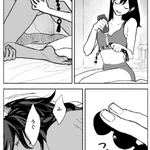
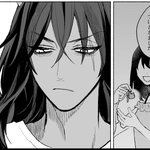
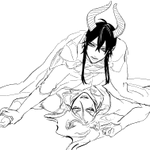
11/29のCOMIC CITY 東京で、ginnさん(@gi11111nn)と出す🌸⚗️🦁合同誌のサンプルを公開しました。
とっても楽しく作りました✌
萌子作画パートのサンプル⇨pixiv.net/artworks/150859252

多分、「正規版が出たら僕たちは買うんだよ!」という人たちは本気でそう思ってる。でも日本人は「法律という大事な約束を果たせずしかも悪びれない人が、どうしてそんな約束を守る人間だと思ってもらえるんだ?」と思ってる。おもしろ〜い
そろそろ「お互いのことは分かった。じゃあどうすればいいかな」のフェーズにいきそうかな。どういうところに着地するのかな。2ちゃんだったら簡易スチームができる頃だけどここはXだから概念的なものに着地するかなぁ
楽しみ。
日本には溢れるほどコンテンツがある、だから違法なことしてまで漫画に手を出す人の気持ちがわからない。だからパンがないならお菓子を食べろと言う。違法なことをしている人は、自分に正義があると思わないと心を保てないから延々といかに自分の側に正義があるかについて語る。ただし販路を拓こうとはしない。口開けてるだけ。こんな感じだな。
私はコンテンツ作る側じゃないから言えるのかもしれないけど、私個人としては、日本のクリエイターが優先されて創作できる世界が良いから、日本のクリエイターが反対してるなら反対だし、賛成してるなら賛成。作品はクリエイターの望む形とタイミングで公開されるべきだと思う。
萌子 retweeted

Hello Japanese Twitter. I want to explain why Western consumers are often willing to push the boundaries of copyright, even when it's controversial:
Historically, in the West, challenging copyright restrictions has SOMETIMES led to better outcomes for everyone, including the copyright holders themselves.
Take "fair use".
In the US, copyright law allows people to use pieces of copyrighted material for criticism, reviews, education, research, and parody, depending on the circumstances. It's why anyone can make YouTube essays using gameplay footage, review movies using clips, parody existing works, or study copyrighted material.
These freedoms developed over decades of folks challenging copyright restrictions in court. People pushed boundaries, courts established new rules, and consumers benefited. Hooray!
Something similar happened with the "right-to-repair" movement. Manufacturers have used copyright restrictions, software locks, and other barriers to stop people from repairing products they own. Consumers challenged those restrictions, by repairing them anyway, then being sent to court, which helped bring about laws that expanded our repair rights.
Basically we said: "This law sucks. If I buy this shit, I should have basic rights over how I use and repair it."
Now consider Piracy. I don't condone piracy, but I recognise that it has sometimes exposed problems with how entertainment is sold.
Music piracy EXPLODED when people wanted digital music. Then iTunes was created in response, and helped prove that millions of those same pirates were happy to pay for a convenient, affordable service that didn't exist. Movies and TV experienced similar problems, so streaming services were made which helped massively reduce Piracy. PC gaming saw something similar with Steam.
But my favourite example is Crunchyroll!
Crunchyroll started as a website hosting Pirate anime. Western audiences wanted to watch Japanese shows that often weren't legally available in their countries. Eventually, it becamse so big Japan made a deal with Crunchyroll to become a legitimate streaming business. The site now licenses anime directly from Japanese companies.
Today, it has millions of paying subscribers and generates MASSIVE revenue for the Japanese anime industry.
An audience that once watched anime without permission became a massive international customer base willing to pay Japanese companies. Imagine if that demand had simply been dismissed as criminal behaviour, without anyone recognising the business opportunity??
This is the pattern I'm trying to explain.
We see that when consumers push against restrictions, they sometimes expose problems with the existing business model. Companies respond with better services, laws change, and both consumers and creators can benefit.
None of this means piracy is justified or that creators shouldn't be paid. Only that challenging a restriction can SOMETIMES reveal that the damn restriction itself is preventing a better solution, and pressing on that restriction can create to fix.
I think this helps explain a cultural difference between some Western and Japanese attitudes towards copyright. Western consumers often see copyright disputes as ordinary folks fighting against wealthy corporations controlling access to entertainment. Japanese audiences seem to place greater emphasis on respecting the people and companies who created that entertainment.
Of course, neither perspective represents everyone. And I respect both views.
But where one person sees disrespect towards an artist's work, another sees consumers challenging a corporation's control over something they love. And because Western history contains examples of those challenges producing positive results, some Western consumers are more comfortable pushing those boundaries.
(Hope you can see how these points are relevant to old videogames like Tekken 6 that have no modern re-release/re-print)
ALSO I accept that sometimes piracy means consumers don't want to pay. They are just thieves. But other times, it means consumers were never given the opportunity to pay, and the solution will arise from pushing boundaries.
Please understand I'm not defending piracy. Just explaining why some Western consumers are willing to challenge copyright restrictions and not hate it so much.
We see things differently because history has shown us that sometimes, when people push back, everyone can end up way way way better off.
Sorry this was so long.

海賊版の話を追ってて思うのが海外の人たちが「海賊版はダメだから、やるにしてもこっそりやるよ、本当にごめんね」みたいなスタンスだったら「こっちもなんかごめんね」みたいになると思うんだけど「日本人の作るコンテンツは好きだから消費し続けるが日本人は幼稚で遅れている(から、ないがしろにして己の理論を適応していい)」という感覚が、女体好きの女嫌いを向けられてるみたいな感覚でゾワゾワする
そっちが勝手に好きになってるのに気持ち悪い💦好きになってもらわなくて良いんだけど💦自分の国で作ったものでオナニーしようね💦みたいな気持ちが近い
相手から漂う「評価してやってるのに」的なのが何様?って思うというか、私の感覚だと、相手から「嫌」って言われたら、その合理性はともかく「嫌なことしちゃったんだね、ごめんね」って言ってほしいというか、そう言えない人と信頼関係は築けないじゃん?
例えがあれなんだけど、日本のクリエイターが「体をまさぐらないで」って言っているのであれば、チンコを立てた側のすることは、セックスする合理性を説くことでも、こちらの落ち度を説くことでもなく、あまつさえお前には実在するものがないんだからヤラれても傷つかないはずだと言うことでもなく、「分かった、待つね𓂺」もしくは「海を越えて壁を越えてお前を求めに来た!(顎クイッ)」なんじゃない?
そういう価値観の国の作品を好きになったんだから、相手の大事にしてるもの大事にしようよ
Xで日中韓が喧嘩してるポスト、その中で拍手をもって称えられるのは、真っ当なことを言う人でも論破した人でもなく「鋭い切り返しをした人」なのが最高に好き
韓国人の人たちは言葉選びが的確で鮮烈で天才すぎて、日本のこと侮辱してるってわかるのに、芸術点の高さが心の高鳴りに置き換えられてもっと聞きたくなっちゃう🥺
もうこれはスポーツだね。いっぱい負けたい…
ラ・ラ・ランドを漫画にするってなったとき、漫画には、この、ミュージカルにあたるものがないので、感情の起伏を頭で納得してもらうことになるので、ラ・ラ・ランドのテンポやストーリーをそのまま採用したら、「ありふれた話」で終わる気がする。
ありふれたエピソードの中で劇的な心の動きを示しているのがこの作品の良さなので、劇的な心の動きを感覚で理解してもらう仕組みが必要
映画を観るのがホントに苦手で、というのも、映画は2時間受動的に座っているのがホントに難しくて、どんなに面白くても、だんだん「なんか別のことしたい…」ってなるんですよね
でも誰かと見ると、その人と遊んでる時間という枠になって、楽しいからじっとしてられるんですよね〜不思議
ラ・ラ・ランド見た
エピソードの刺激や展開の速さで押し流すというよりは、キャラクターを丁寧に描いて2人の相互作用を見せる、という映画だった。
ミュージカル形式だったんだけど、ミュージカルパートの使い方が上手で、出来事によってキャラクターがどう感じたのかを歌やダンスで表現しているので、エピソード自体にえぐみや刺激がなくてもキャラクターの心の変化を自然なものとして受け止められた。エピソードが露骨でなくても無理なく描写できるので、観たあとに「品が良く上質なものを吸った」という感覚になれた。
心の動きのダイナミックさをミュージカルで描写できるので、エピソードパートは出来事や説明に専心でき、2人らしさに尺を割くことができていた。キャラクターの心を頭で理解してもらう必要がないので、エピソードの誇張を大きくせず素朴なままでも話についていけたし、逆に、誰かが死んだこんなに傷ついたみたいな演出だと、ミュージカルパートの心の説明が二重になり、ますくどくなるんだと思う。全ての塩梅が完璧でした。