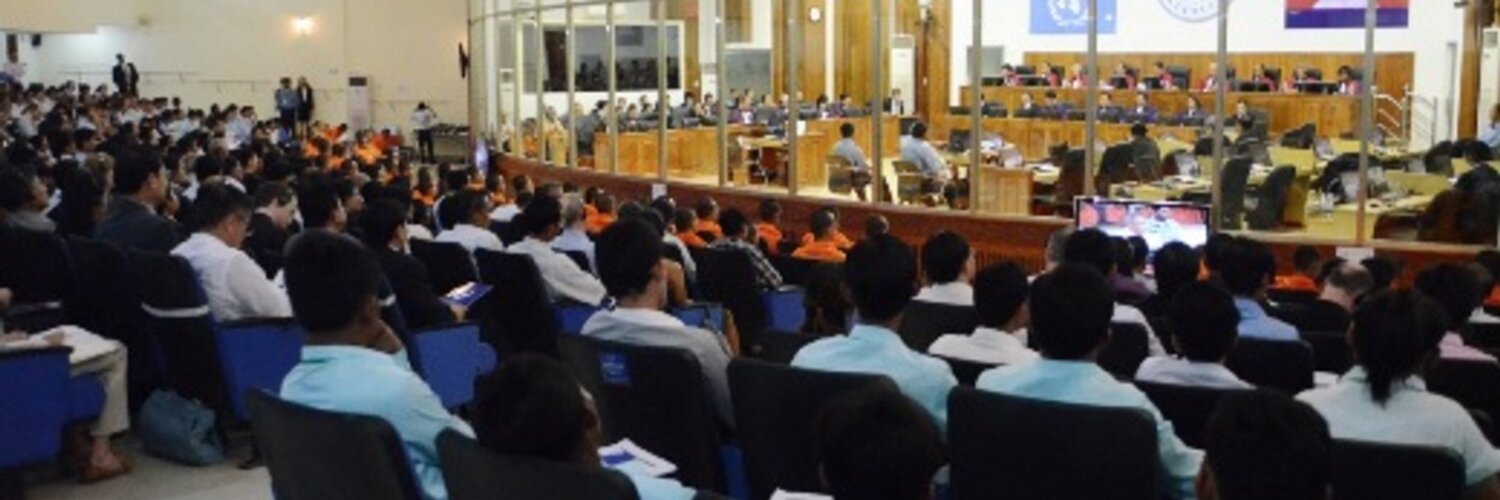

Twitter feed of the Khmer Rouge Tribunal in the Extraordinary Chambers in the Courts of Cambodia (ECCC), located in Phnom Penh.
Phnom Penh, Cambodia
Joined April 2009
- Tweets2.1K
- Following241
- Followers8.9K
- Likes73


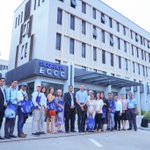

On Friday, 16 October 2026, the ECCC Resource Centre welcomed a group of immigration lawyers from the Netherlands, led by Mr. L.J. Woltring, for a study visit to learn about the ECCC’s work and legacy.
The programme included a tour of Sala Yuttikar and the permanent exhibition, followed by visits to the Archives, Mobile Resource Centre and Library. Participants also joined Mr. Milan Jovancevic and Mr. Sokha Keut for a discussion and question-and-answer session in the Champa-Champei Room.
Throughout the visit, the group showed keen interest in the Khmer Rouge hierarchy, the ECCC’s combination of civil law and common law, its cases and accused persons, terminated proceedings, and the experiences of Buddhist and Cham communities. Reconciliation was a recurring topic, with participants asking how Cambodia has pursued healing and rebuilt society following decades of conflict and civil war.
The visit concluded with the presentation of publications and group photographs.
We thank Mr. Woltring and the visiting lawyers for their thoughtful questions and meaningful engagement with Cambodia’s pursuit of justice, reconciliation and remembrance.


On the afternoon of 19 October 2026, His Excellency Gordan Grlić Radman, Minister of Foreign and European Affairs of the Republic of Croatia, and his delegation visited the Resource Centre of the Extraordinary Chambers in the Courts of Cambodia (ECCC) to learn about Cambodia’s pursuit of justice and the preservation of the ECCC’s legacy.
The delegation was welcomed by His Excellency Hem Kranh Tony, Secretary of State at the Office of the Council of Ministers and Acting Director of Administration of the ECCC, together with senior management and relevant ECCC officials.
On this occasion, His Excellency Hem Kranh Tony welcomed the meaningful visit and highlighted the importance of promoting understanding and exchanging experiences in transitional justice, peacebuilding and national reconciliation. He noted that the visit would provide the delegation with a deeper understanding of the Royal Government of Cambodia’s efforts to secure justice for victims of the Democratic Kampuchea regime, support psychological healing and national reconciliation, and preserve historical memory for future generations.
In addition to the working discussions, His Excellency the Minister and his delegation toured the permanent exhibition hall (Sala Yuttikar), which presents the ECCC’s judicial proceedings, investigations and key findings concerning crimes committed during the Democratic Kampuchea regime. The delegation also learned about the organization, management and preservation of ECCC records at the Archives, which operates in accordance with international standards. They also visited the library and study rooms, which support learning and research by students and the general public.
At the conclusion of the visit, His Excellency Gordan Grlić Radman expressed his pleasure at visiting the ECCC Resource Centre and highly commended the ECCC’s achievements and its significant contributions to promoting accountability, national reconciliation, sustainable peacebuilding and the prevention of future atrocities.
His Excellency the Minister stated: “Through truth-seeking, justice and remembrance, the ECCC has played a vital role not only in healing and reconciliation within Cambodian society, but also in contributing to international peacebuilding efforts. The lessons learned from the ECCC clearly demonstrate the importance of justice and accountability as essential foundations for achieving lasting peace, stability and effective peacekeeping in post-conflict societies.”
His Excellency the Minister also expressed his appreciation to all donor countries that have supported this important mission and highly commended the ECCC Resource Centre’s work in education, preserving historical memory and promoting justice.
The visit by His Excellency the Minister and the high-level delegation of the Republic of Croatia reflected their interest in and support for the pursuit of justice, the preservation of the Chambers’ historical legacy and the dissemination of knowledge about Cambodia’s history. It also reaffirmed the importance of remembering the past to promote an understanding of justice and peace among future generations.


On the morning of Wednesday, 14 October 2026, approximately 200 students from Mesang High School in Mesang District, Prey Veng Province, visited the Extraordinary Chambers in the Courts of Cambodia (ECCC) Resource Centre to learn about the history and legacy of the ECCC, as well as the impact of the Khmer Rouge regime through the firsthand testimonies of survivors.
During the study visit, the students participated in an intergenerational dialogue with two Civil Parties, Mr. Kim Lai and Mr. Sem Chek, from Kampong Thom Province. They shared their personal experiences and the hardships they endured during the Khmer Rouge regime.
Mr. Kim Lai recounted that in 1975–1976, he was assigned to a Mobile Unit Category 2, a group that the Khmer Rouge did not want to retain and for which they frequently sought excuses to accuse and execute its members.
He further explained that the Khmer Rouge forced him to marry someone he did not know, despite having someone he loved. He was unable to marry the person he loved because of differences in their assigned social categories. As he recalled, “At that time, the Khmer Rouge forced me to marry someone I did not know, even though I had someone I loved. We could not marry because of the differences in our assigned categories. They were simply classified as Base People.”
Mr. Kim Lai stated that if he refused the arranged marriage, he would be sent to the border to fight against Vietnamese troops. Fearing that he might not survive, he reluctantly agreed to marry according to the Khmer Rouge's orders.
Mr. Kim Lai also described the harsh working conditions and food shortages during that period. He and two other people were forced to excavate three cubic metres of soil, while their food ration consisted of only two cans of rice. At night, they had to continue transplanting rice seedlings, leaving them with insufficient time to rest.
Furthermore, Mr. Kim Lai recounted the loss of his father, who was killed, and his younger brother, who was detained at Security Office S-21, also known as Tuol Sleng Prison. He explained that whenever he visited the site, he felt deeply emotional and pained as he remembered the family members he had lost.
Through this study visit, the students had an opportunity to deepen their understanding of the history of the Khmer Rouge regime and the importance of documenting and preserving historical evidence.
Listening to the firsthand experiences of Civil Parties also helped the students gain a clearer understanding of the consequences of violence, human rights violations, and the loss of family members. The visit further reminded the younger generation of their role in preserving historical memory, promoting peace and justice, and respecting human rights to help prevent such tragedies from happening again.


“My childhood was truly miserable and dark. At the age of 12–13, the Khmer Rouge forced me to perform hard labour beyond my physical strength, with no time to rest,” said Ms. Hem Saron.
On the morning of 7 October 2026, the ECCC Resource Centre hosted an intergenerational dialogue featuring two Civil Parties, Ms. Hem Saron and Ms. Keo Kimleang, who survived the Democratic Kampuchea regime. They shared their painful experiences with approximately 200 participants, including students from Boeng Preah High School and residents of Doun Mea Village, Sdao Kaong Commune, Ba Phnum District, Prey Veng Province.
During the dialogue, Ms. Hem Saron spoke about the loss of her family members and the hardships she endured from childhood. She recalled that her father, an educated man, was deceived by the Khmer Rouge and taken away to be killed. Her mother was told that she would be taken to live with her husband, but she, too, was taken away and killed. Of the eight siblings in her family, six died, leaving only two survivors.
Ms. Hem Saron also described how, at the age of 12–13, she was forced to carry out arduous tasks, including building rice-field embankments, collecting cow dung, and weeding. Food was extremely scarce: a single tin of rice was used to prepare porridge for as many as 40 people.
Mr. Loeuk Soeun, another survivor of the Democratic Kampuchea regime who attended the programme, also shared his experience of being forcibly relocated to a border area known as Koh Roka. He recalled that the area was infested with insects, including biting weaver ants that prevented him from sleeping, and was home to many wild animals. He had to gather wood and leaves to build a shelter. He was forced to catch fish and hunt wild animals, and when rising water levels prevented him from catching fish, he was given no food.
Mr. Loeuk Soeun also recounted an incident in which he was accused of cutting down a rubber tree without permission and faced the threat of execution. The fear and trauma of that experience remain with him to this day.
These testimonies gave students and members of the younger generation an opportunity to hear directly from survivors about the painful history of the Democratic Kampuchea regime. The dialogue also helped raise awareness of the importance of historical remembrance, peace, and respect for human rights, preserving these lessons for future generations.


On the afternoon of 5 October 2026, the Resource Centre of the Extraordinary Chambers in the Courts of Cambodia (ECCC) hosted a lecture on “The Role of Youth in Contributing to Social Development,” featuring H.E. Chea Thyrith, Spokesperson for Samdech Techo Hun Sen, President of the Senate of the Kingdom of Cambodia, as the guest speaker. Approximately 80 young people and other participants attended the event.
In his welcoming remarks, H.E. Hem Kranh Tony, Secretary of State at the Office of the Council of Ministers and Acting Director of Administration of the ECCC, expressed his pleasure in welcoming H.E. Chea Thyrith as the programme’s guest speaker. He highlighted that the lecture provided an important opportunity for young people to gain knowledge and new perspectives, while deepening their understanding of Cambodian history and lessons from the past as a foundation for personal development and participation in society.
In his lecture, H.E. Chea Thyrith focused on the importance of youth engagement in studying and understanding Cambodian history through the ECCC’s legacy, as well as preserving memory and learning from the past. He also discussed the role of young people in understanding themselves and their history, cultivating an appreciation for peace, and contributing to building society and a stable, prosperous future for Cambodia.
The programme also provided an opportunity for young people and other participants to exchange views and ask the speaker questions about the role of youth, the study of history, the preservation of memory, and participation in social development. Through these discussions and exchanges, participants gained a deeper understanding of the importance of youth engagement in building society.
The ECCC Resource Centre extends its sincere gratitude to H.E. Chea Thyrith for joining the programme as the guest speaker and sharing his valuable knowledge and perspectives. It also thanks all young people and participants for dedicating their time to attending the event and contributing to discussions on the role of youth in social development.


មជ្ឈមណ្ឌលធនធាន អ.វ.ត.ក. សូមជម្រាបជូនដំណឹងដល់សិស្ស និស្សិត អ្នកសិក្សាស្រាវជ្រាវ និងសាធារណជន ទាំងអស់ឱ្យបានជ្រាបថា៖ បណ្ណាល័យនៃមជ្ឈមណ្ឌលធនធាន អ.វ.ត.ក. និងបិទចំនួនបីថ្ងៃ ចាប់ពីថ្ងៃសៅរ៍ទី១០ ដល់ថ្ងៃចន្ទទី១២ ខែតុលា ឆ្នាំ២០២៦ ដើម្បីចូលរួមអបអរសាទរពិធីបុណ្យភ្ជុំបិណ្ឌ អាស្រ័យហេតុនេះ សូមសាធារណជន មេត្តាជ្រាបជាព័ត៌មាន។
-------------------
The ECCC Resource Centre would like to inform all students, researchers, and the public that the ECCC Resource Centre library will be closed for three days from Saturday, 10 October to Monday, 12 October 2026, to celebrate the Pchum Ben festival.
We kindly request the public to take note of this announcement.
#PchumBen #ECCC #LibraryClosed

On Monday, 5 October 2026, the ECCC team attended the Kan Ben and Pchum Ben ceremony at the Tuol Sleng Genocide Museum, presided over by H.E. Hun Many and H.E. Dr. Phoeurng Sackona, with the participation of senior officials, civil servants, and Buddhist devotees.
The ceremony was held to dedicate merit to the spirits of victims of the Khmer Rouge regime and to honour those who lost their lives with respect and sorrow. Activities included incense offerings, Bangskol rites, prayers and blessings, and offerings of food to Buddhist monks.
The team’s participation reflects its respect for victims and its commitment to preserving the memory of the past, while raising awareness of the importance of justice, peace, and preventing the recurrence of atrocities.


បុគ្គលិក GIZ បំពេញទស្សនកិច្ចសិក្សានៅមជ្ឈមណ្ឌលធនធាន អ.វ.ត.ក.
ភ្នំពេញ៖ នៅថ្ងៃទី២ ខែតុលា ឆ្នាំ២០២៦ បុគ្គលិកជាតិ និងអន្តរជាតិរបស់អង្គការ GIZ ប្រចាំកម្ពុជា ប្រមាណ ២០នាក់ បានអញ្ជើញមកបំពេញទស្សនកិច្ចសិក្សានៅមជ្ឈមណ្ឌលធនធាន អ.វ.ត.ក. ដើម្បីស្វែងយល់អំពីប្រវត្តិសាស្ត្រ សមិទ្ធផលនៃការកាត់សេចក្ដីរបស់សាលាក្ដីខ្មែរក្រហម និងការអនុវត្តមុខងារសេសសល់របស់ អ.វ.ត.ក.។
ក្នុងអំឡុងទស្សនកិច្ច ក្រុមការងារបានស្តាប់ការធ្វើបទបង្ហាញ និងការពន្យល់អំពីតួនាទី និងសមិទ្ធផលរបស់ អ.វ.ត.ក. ព្រមទាំងបានទស្សនាផ្នែកសំខាន់ៗនៃមជ្ឈមណ្ឌលធនធាន រួមមាន សាលពិព័រណ៍អចិន្ត្រៃយ៍ បណ្ណសារដ្ឋាន បណ្ណាល័យ ឧទ្យានសម្រាប់ការចងចាំ និងសាលពហុបំណង។
ទស្សនកិច្ចនេះបានផ្តល់ឱ្យប្រតិភូរមានការយល់ដឹងកាន់តែច្បាស់អំពីលទ្ធផលនៃការកាត់សេចក្ដីរបស់សាលាក្ដីខ្មែរក្រហម លើឧក្រិដ្ឋកម្មដែលបានប្រព្រឹត្តឡើងក្នុងរបបកម្ពុជាប្រជាធិបតេយ្យ ព្រមទាំងស្វែងយល់អំពីការអនុវត្តមុខងារសេសសល់ និងកេរដំណែលរបស់ អ.វ.ត.ក. ក្នុងការរក្សាទុកឯកសារ ការចងចាំប្រវត្តិសាស្ត្រ និងការផ្សព្វផ្សាយចំណេះដឹងទៅកាន់សាធារណជន និងជំនាន់ក្រោយ។


Delegation and Researchers Visit the ECCC Resource Centre for a Study VisitPhnom Penh: On 2 October 2026, a delegation and 13 researchers from various countries visited the ECCC Resource Centre to learn about the achievements of the Khmer Rouge Tribunal’s judicial proceedings and the implementation of the ECCC’s residual functions.The study visit was organized while the delegation and researchers were in Cambodia to participate in a UNESCO programme related to education and the prevention of genocide.During the visit, the delegation was welcomed and received explanations about the judicial outcomes concerning crimes committed during the Democratic Kampuchea regime, as well as the implementation of the ECCC’s residual functions. The delegation also visited the ECCC Permanent Exhibition Hall, the ECCC Mobile Resource Centre, the Memorial Park, the Archives, the Library, and the Multipurpose Hall.The delegation expressed appreciation for the organization of the Resource Centre as a place for learning, research, and remembrance, as well as for its efforts to disseminate knowledge about history and the achievements of the ECCC to the public and future generations. These efforts help people gain a clearer understanding of their history, prevent the recurrence of atrocities, and recognize the value of the peace that Cambodia has achieved.


Western University Students Learn About the Accomplishmentand Legacy of the ECCC
On Thursday, 1 October 2026, approximately 180 students from the Kampong Cham Campus of Western University participated in a study visit to the ECCC Resource Centre to learn about the achievements of the ECCC’s judicial proceedings, the Court’s legacy, Cambodian history and the importance of peace.
During the visit, the students learned about the judicial proceedings, judgments and key achievements of the ECCC in establishing the truth and delivering justice for crimes committed during the Democratic Kampuchea regime. They also learned about victims’ participation and the importance of the justice process in remembering and understanding the past.
The students also explored the role of the ECCC Resource Centre in preserving and disseminating the Court’s legacy through documents, books, archival records, exhibitions and educational activities. These resources provide an important foundation for study, research and public understanding, particularly among younger generations, of Cambodian history and the justice process.
During the visit, the students also participated in an intergenerational dialogue with Civil Parties Ms. Mao Kimleang and Ms. Nut Savorn. Ms. Mao Kimleang shared her experiences of malnutrition and forced labour under the Khmer Rouge regime, while Ms. Nut Savorn spoke about the loss of family members and her experiences of witnessing violence and the killing of people during the Democratic Kampuchea regime.
Through this study visit, the students gained further knowledge of Cambodian history, the achievements of the ECCC’s judicial proceedings and the Court’s legacy. They also developed a deeper understanding of the importance of remembering the past, learning from history and preserving peace for present and future generations.


Around 200 Students from Prey Veng Province Visit the ECCC Resource Centre and Hear Experiences Shared by Civil Parties
On the morning of 30 September 2026, around 200 students from three high schools in Prey Veng Province—Preah Ang Duong High School, Chamroeun Vichea High School and Hun Sen Kampong Leav High School—participated in a study visit to the Resource Centre of the Extraordinary Chambers in the Courts of Cambodia (ECCC).
The visit aimed to help the students learn about the history, work and legacy of the ECCC, as well as the impact of the Khmer Rouge regime, by hearing directly from individuals who lived through that historical period.
During the visit, the students learned about the work of the ECCC and participated in an intergenerational dialogue with two Civil Parties, Ms. Sok Sameth and Mr. Menh Chhom, from Trapeang Andoung Village, Satv Pong Commune, Chhouk District, Kampot Province.
During the dialogue, Ms. Sok Sameth shared her experiences of life under the Democratic Kampuchea regime. She recalled that although she was pregnant at the time, she was forced to perform hard labour without adequate rest, food or medicine. She was assigned to carry soil until the day she gave birth, after which she was permitted to rest for approximately six weeks. However, even during this period, she did not receive adequate food or healthcare.
Ms. Sok Sameth also described the loss of her younger brother, who became ill and died due to malnutrition and a lack of adequate medical treatment.
Mr. Menh Chhom also shared his experiences under the Democratic Kampuchea regime, including the loss of six members of his family. He explained that his family members suffered from excessive labour, food shortages and inadequate medical care.
The intergenerational dialogue provided students and members of the younger generation with an opportunity to hear directly from people who had lived through a deeply difficult period in Cambodia’s history. By sharing their personal experiences, the Civil Parties also contributed to raising young people’s awareness of the importance of historical remembrance, peace, justice and respect for human rights, ensuring that these experiences continue to serve as lessons for future generations.


Cambodian Red Cross Delegation Commends the Organization and Information Services at the ECCC Resource Centre
Phnom Penh: On 29 September 2026, a delegation from the Cambodian Red Cross expressed its appreciation for and interest in the organization and provision of information at the Resource Centre of the Extraordinary Chambers in the Courts of Cambodia (ECCC) during a study visit to the Centre.
The delegation was led by H.E. Dr. Sok Long, Director of the Health Department of the Cambodian Red Cross, and H.E. Roeut Sokhon, Deputy Director of the Human Resources Department of the Cambodian Red Cross, and comprised ten officials.
During the visit, the delegation learned about the history, mandate and work of the ECCC, as well as its achievements and legacy in seeking justice for victims and preserving Cambodia’s historical memory.
The delegation also visited the ECCC Permanent Exhibition Hall, Mobile Resource Centre, Library and Archives to learn more about the documents, educational materials and information relating to the work of the ECCC.
The delegation commended the organization of the Resource Centre, particularly its systematic presentation and preservation of important documents, information and materials. These resources support education, research and public understanding, especially among younger generations, of Cambodia’s history and the legacy of the ECCC.


IPHGE Delegation Visits the ECCC Resource Centre
Phnom Penh, 28 September 2026: A delegation from the International Program on Holocaust and Genocide Education (IPHGE) visited the Resource Centre of the Extraordinary Chambers in the Courts of Cambodia (ECCC) to learn about Cambodia’s experience in seeking justice, preserving memory, and educating the public about genocide.
The delegation was welcomed by H.E. Hem Kranh Tony, Secretary of State at the Office of the Council of Ministers and Acting Director of Administration of the ECCC.
During the visit, the delegation toured the Resource Centre and attended presentations on the history of the Khmer Rouge regime, the ECCC’s judicial proceedings, victims’ participation, and the ECCC’s remaining functions. These include managing and preserving records, providing resources for research and education, and sharing the ECCC’s work with the public and younger generations.


On the afternoon of Friday, 25 September 2026, 13 tour guides visited the ECCC Resource Centre to deepen their knowledge and understanding of the history of Democratic Kampuchea, the establishment and mandate of the ECCC, its judicial proceedings, key cases, victim participation, and the Court’s legacy.
During the visit, the participants attended a presentation and toured the Permanent Exhibition Hall, Mobile Resource Centre, Remembrance Park, Archives Repository, and Library. They also learned about the ECCC’s educational and outreach activities, archival preservation, and efforts to safeguard historical memory.
The programme contributed to strengthening the tour guides’ capacity to communicate sensitive historical information and the legacy of the ECCC to national and international visitors accurately and responsibly. It also promoted historical remembrance, peace, and respect for human rights.


អបអរសាទរ ទិវាប្រកាសរដ្ឋធម្មនុញ្ញនៃព្រះរាជាណាចក្រកម្ពុជាលើកទី៣៣
២៤ កញ្ញា ១៩៩៣ - ២៤ កញ្ញា ២០២៦!
---------------------------
Happy 33rd Anniversary Constitution Day of Cambodia!
September 24th 1993 – September 24th 2026
#ECCC #ConstitutionDay

“My elder brother was forced by the Khmer Rouge to marry against his will, despite his repeated refusal.”
This was the testimony of Mr. Thoek Bunroeun, a Civil Party from Romlech Village, Romlech Commune, Bakan District, Pursat Province, during an intergenerational dialogue held at the ECCC Resource Centre on Wednesday, 23 September 2026.
During the dialogue, Mr. Thoek Bunroeun shared with approximately 200 students from Hun Sen Pea Reang High School in Prey Veng Province his experiences and the hardships endured by his family under the Khmer Rouge regime.
Mr. Kob Man, a Cham Muslim Civil Party, also recounted the suffering he experienced during the Democratic Kampuchea regime. He explained that the Khmer Rouge forced him and other Cham Muslims to eat pork and other types of meat that were prohibited by their religious beliefs and practices. He added that, because of severe food shortages, he sometimes had to eat rice husks instead of rice.
The intergenerational dialogue provided students and younger generations with an opportunity to hear directly from those who lived through this difficult period in history. By sharing their personal experiences, the Civil Parties helped promote awareness among younger generations about the importance of historical remembrance, peace, justice, and respect for human rights.


200 Youths from Baray District Visit and Learn About the Legacy of the ECCC
Phnom Penh: On the morning of 22 September 2026, approximately 200 citizens and youths from Baray District, Kampong Thom Province, visited the ECCC Resource Centre to learn about the history, achievements, work, and legacy of the Extraordinary Chambers in the Courts of Cambodia (ECCC).
During the visit, participants learned about the history and judicial proceedings of the ECCC, as well as case files, historical documents, and materials related to the participation of victims in the pursuit of justice. The visit also provided participants with an opportunity to better understand that learning about the past is not only about remembering history, but also serves as a means for younger generations to understand the values of peace, human rights, and justice.
On this occasion, two Civil Parties, Ms. Srey Su Run and Mr. Touch Sreng, from Basak Village, Sambor Meas Commune, Kampong Siem District, Kampong Cham Province, shared their personal experiences of life, loss, and suffering under the Khmer Rouge regime. Through their firsthand testimonies, participants heard personal stories from those who experienced the tragedy of the past.
The visit to the ECCC Resource Centre and the opportunity to hear directly from Civil Parties also contributed to promoting public remembrance and the transfer of knowledge from one generation to another. Remembering the past is not intended to create hatred or division, but rather to learn from what happened and strengthen understanding of the importance of respecting human rights, tolerance, peaceful coexistence, and resolving conflicts without violence.
The study visit highlighted the important role of youth in preserving historical memory. When the experiences of survivors are heard, documented, and shared with future generations, the lessons of the past can continue to hold value for the present and the future.


On 21 September 2026, the Extraordinary Chambers in the Courts of Cambodia (ECCC) organized an ECCC Law Talk titled “Victims’ Expectations and Transitional Justice at the ECCC: Rethinking Justice Beyond Criminal Trials,” attended by more than 50 students and researchers.
The presentation was delivered by Mr. Leo DIF, a student at Paris 1 Panthéon-Sorbonne University in France, who undertook a legal research internship at the ECCC.
His presentation focused on forms of justice for victims that extend beyond criminal trials, including recognition, accountability, reparations, and restoration. It also highlighted the importance of understanding the perspectives of victims and affected communities.
The event concluded with a lively discussion during which participants shared their knowledge, perspectives, and thought-provoking questions, contributing to an informative and productive session.


On the morning of 21 September 2026, H.E. Hem Kranh Tony, Secretary of State of the Office of the Council of Ministers and Acting Director of Administration of the ECCC, met with Ms. Barbara Clauss, a member of the Paris Bar and Director of International Affairs at the Paris Bar School, and her delegation during their visit to the ECCC Resource Centre.
During the meeting, H.E. Hem Kranh Tony shared key information about the ECCC’s mandate, achievements, and legacy, as well as its experience in transitional justice. He also highlighted the ECCC’s internship programme, which provides international students with opportunities to learn about the Court’s work and legal experience.
In response, Ms. Barbara Clauss expressed interest in the internship programme and potential future cooperation. Such cooperation could provide international criminal law students from the Paris Bar School with opportunities to undertake internships at the ECCC and learn about its legal proceedings, the experience of a hybrid court, and the pursuit of justice for victims.
The meeting highlighted the importance of exchanging legal knowledge and experience, as well as strengthening international cooperation in the fields of justice and legal education.


⏳ Only 1 days left! Don’t miss this opportunity to join an important conversation on victims’ rights, transitional justice, accountability, and justice beyond the courtroom.
ECCC is pleased to invite students, researchers, legal professionals, and members of the public to an upcoming ECCC Law Talk:
⚖️ “Victims’ Expectations and Transitional Justice at the ECCC: Rethinking Justice Beyond Criminal Trial”
📅 Monday, 21 September 2026
🕑 2:00 PM – 4:00 PM
📍 Multifunction Room, ECCC
🎤 Speaker: Leo DIF
This presentation will explore victims’ expectations of justice and the role of transitional justice at the Extraordinary Chambers in the Courts of Cambodia (ECCC). It will consider how victims and affected communities understand justice beyond the outcome of a criminal trial, including broader expectations surrounding recognition, accountability, reparations, and healing.
The discussion will also examine the challenges of addressing the long-term needs and expectations of victims after judicial proceedings have concluded. By looking beyond criminal trials and courtroom outcomes, the talk will invite participants to reflect on how transitional justice mechanisms can contribute to a more meaningful and lasting understanding of justice.
The presentation ultimately asks an important question: Can justice truly be achieved through criminal trials alone, or must it go beyond the courtroom to address victims’ continuing needs and expectations?
👨⚖️ About the Speaker
Leo DIF will lead the discussion on victims’ expectations and transitional justice, highlighting the importance of understanding justice from the perspective of those affected by mass atrocities and the continuing legacy of the ECCC
Register here:
docs.google.com/forms/d/1S8J…
📍 ECCC Library — Your Gateway to Knowledge and Resources: maps.app.goo.gl/vd2Q9ftnumvd…
