

KIMIA Lab (Laboratory for Knowledge Inference in Medical Image Analysis) is a machine learning and computer vision research group at Mayo Clinic
- Tweets359
- Following25
- Followers276
- Likes204


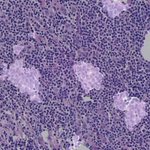

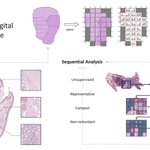


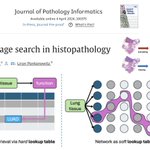


ALT Rigorous validation, clinical grounding, and evidence must remain at the center of how we develop and evaluate AI technologies. Our work advances the conversation around AI in medicine, emphasizing the need to move beyond impressive algorithms toward solutions that are clinically meaningful, reliable, and capable of delivering real-world impact. "Even the best-performing model achieved only approximately 68% ± 21% retrieval accuracy on TCGA, with multiple subtypes below 50% and some at 0%, highlighting limitations of morphology-based representations and the need for substantial progress before reliable clinical deployment."

ALT Foundation Models in Pathology


ALT Why general-purpose AI models fall short in pathology The critical role of retrieval-augmented generation (RAG) and multimodal learning Why data silos and lack of diverse datasets are blocking innovation How academic culture and publication pressure enable dishonesty What “graceful failure” in diagnostic AI really means Why we must specialize to scale clinical AI responsibly The ethical implications of bias and disparity in medical AI Why language isn’t evidence, and what that means for LLMs


ALT Validation of histopathology foundation models through whole slide image retrieval in histopathology


ALT Foundation Models, Pathology, UNI, Virchow, GigaPath, Image Search, Retrieval, AI, Deep Learning

ALT Introduction into ARtificial Intelligence, ASCP

ALT AI Summit Mayo Clinic

ALT “Beyond 1 million Slides: How the Era of Foundation Models is Super Charging Precision Medicine” - Keynote by Dr. Thomas Fuchs


ALT Mayo Clinic AI Summit Abstract Submission - Generative and Multimodal AI, Ethics, Validation

ALT Mayo Clinic AI Summit Generative & Multimodal AI – Potentials and Challenges July 8-9, 2024 URL: https://ai-summit.com/ #AI #multimodal #generative #healthcare #medicine

