

Informed patients are healthier patients.
Joined November 2025
- Tweets215
- Following114
- Followers139
- Likes7

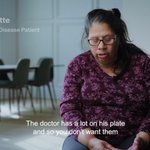


Transparency isn’t abstract — it’s how patients understand their treatment options and make informed health decisions. The @FDA’s new Transparency Roadmap is a good start, but balance matters.
Read more at informedpatients.org/a-win-f…

Every American deserves to live a healthy lifestyle. This starts with having access to the information they need to make smart choices about the food they eat, medicines they take, and science that guides their care.
A healthcare system where transparency is standard and patients are active participants in their own health is the baseline Americans deserve.
Learn more at InformedPatients.org

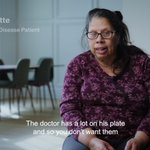
Jeanette was diagnosed with multiple sclerosis at ten years old.
Years later, drug ads on TV introduced her to treatments she hadn’t heard of. She did her own research, brought questions to her doctor, and made the most of every appointment.
Drug ads open up dialogue between patients and their providers. Don’t take that away.
Watch Jeanette’s full story at InformedPatients.org/patient…
Drug ads help patients learn about treatment options and start important conversations with their doctors.
A proposed rule could make the information patients rely on harder to understand.
Patients deserve clear drug ads they can actually learn from.
Learn more at InformedPatients.org

When your health is on the line, you want to use every resource available.
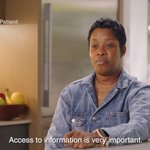
Lovette engaged at every touchpoint she could to stay informed and find a path to health care that changed her life. That included drug ads.
Informed patients are healthier patients.
Hear more patient stories like Lovette's at InformedPatients.org/patient…
Patients navigating a chronic disease can learn about new treatments through drug ads.
Jeanette was able to start new conversations with her doctor because of what she learned from a drug ad.
Access to health information should be protected and preserved, not scaled back.
Hear Jeanette’s story at InformedPatients.org/patient…
For patients in rural communities waiting weeks for an appointment, a drug ad might be the first time they learn a treatment exists.
A proposed rule would threaten that, making health information even harder to access. Patients deserve more information, not less.
Learn more at InformedPatients.org

MAHA has raised real questions about who has stake in your health care – questions a lot of patients share.
That's part of why today’s #MAHASummit is worth a closer look. Its sponsors include health insurers, AI companies, and one of the country's largest retail pharmacy chains. None of that erases the movement's goals.
But a movement for patients is strongest when it puts patients first.
Learn more at the link below. InformedPatients.org

- Protecting the free flow of health information.
- Protecting American families from hidden dangers in our food.
- Empowering patients with the right to try.
- Modernizing virtual care with patients at the center.
- Protecting free expression in the digital town square.
Each of these helps patients make informed decisions about their own care, and none of them should get lost in the conversation about putting patients first.
Learn more at the link below. InformedPatients.org
Today’s #MAHASummit includes a panel on modernizing the FDA, with Acting Commissioner Kyle Diamantas.
It's a real opportunity. Modernization can mean faster answers for patients, clearer labeling, and rules that transform how care actually gets delivered – if patients stay at the center of the conversation.
We'll be listening for the patient in the room.
Learn more at the link below. InformedPatients.org
Having kids can change how you think about your health.
Lovette couldn’t spend time with her daughter the way she wanted. That motivated her to seek out information, ask better questions, and find a treatment that changed her health.
Being an empowered patient means being part of the decision and the outcome. That starts with access to health information.
Watch her story and more at InformedPatients.org/patient…
For years, Dominique's doctors had no answers — until a drug ad sparked a conversation that changed her care.
The more patients know about their options, the better equipped they are to advocate for themselves.
Hear Dominique’s and other patient stories at InformedPatients.org/patient…
A drug ad can help a patient spot a symptom, ask a better question, and start a conversation that changes their care.
But a proposed rule on drug advertising could make the health information patients rely on harder to access.
Informed patients are healthier patients.
Learn more at InformedPatients.org

83% of people living with a chronic disease say drug ads have helped them. Two-thirds better understand their care options because of it.
Laura Bonnell, raising two daughters with cystic fibrosis, knows why.
Drug ads can be a family’s first entry point into treating a condition in a system 63% of Americans struggle to navigate.
Restricting access to healthcare information doesn’t protect patients. It limits their choices.
Read Laura’s full story here: bit.ly/3TudY1S

Patients are more equipped to advocate for themselves when they know their options.
Online touchpoints to health information matter – that's how Lovette came to her doctor prepared with the right questions. And that first step ultimately led to her life-saving surgery.
For patients like Lovette, protecting patients’ access to health information is everything.
Listen to Lovette’s story at InformedPatients.org/patient…
Laura sought every touchpoint to health information and every treatment option possible when both of her daughters were diagnosed with cystic fibrosis.
Now she’s following a new FDA proposal that could make drug ad information harder for families to use.
Parents need more information, not less. Because informed patients are healthier patients.
Read Laura’s full story here: bit.ly/3TudY1S

Drug ads may make some people reach for the remote. But for patients like Tina, they are often a lifeline to information they can’t find anywhere else.
After being diagnosed with multiple sclerosis, Tina sought every touchpoint of information available to navigate her treatment options - including drug ads.
Hear more from Tina and other patients at InformedPatients.org/patient…
When her two daughters were diagnosed with cystic fibrosis, Laura Bonnell did what any parent would do – she dug for answers.
Laura learned that drug ads do more than market a new treatment. They point to options patients didn’t know existed. They make a rare disease a little less isolating.
For a parent, that information shapes the questions you ask, choices you make, and care your children receive.
That’s why Laura is urging the FDA to keep health information accessible.
Read Laura’s full story here: bit.ly/3TudY1S

A drug ad changed Dominique’s life after years of misdiagnoses.
Her story isn't unique – 70% of Americans exposed to drug ads take action, like scheduling a doctor's appointment, just like Dominique did.
Don't let new rules bury this information in red tape.
Read Dominique’s full story in @TheWellNews at the link below. bit.ly/4ghgY97
