

Develop your healthcare career and explore the world. Clinical shadowing, study abroad and admissions support from world-class mentors!
Washington, D.C.
Joined July 2014
- Tweets1.4K
- Following142
- Followers1.1K
- Likes8



Pinned Tweet
As 2025 comes to a close, we’re reflecting on a year defined by impact, growth, and shared purpose. This year, we delivered some of our largest initiatives yet—through our Community Medical Clinics, Hygiene Education Programs, and Mental Health Awareness Clinics, we reached tens of thousands of patients in profoundly underserved communities. We also supported patient care within some of East Africa’s and South America’s largest and most important regional teaching and referral hospitals, working alongside local clinical teams to strengthen care delivery where it’s needed most.
None of this would have been possible without the dedication of our interns, staff, and healthcare partners. Together, we helped bridge critical gaps in care and supported communities across East Africa and South America—creating real, lasting impact.
Beyond the work, 2025 was also a year of connection and discovery. We formed lifelong friendships, immersed ourselves in diverse cultures, and experienced some of the world’s most extraordinary natural wonders—from the Masai Mara to Machu Picchu.
Here’s to carrying this momentum into 2026—we can’t wait to see what we’ll accomplish together in the year ahead. 💙✨
"I had an amazing experience in Kenya, and I truly cannot say enough positive things about the program. Every aspect of the experience felt thoughtfully planned and well executed. From the hospital rotations to the cultural activities and excursions, it was clear that International Medical Aid put a great deal of care into creating a meaningful experience for every intern.
One of my favorite parts of the program was the wide variety of activities outside of the hospital. Visiting places like Haller Park, exploring local communities, and participating in the Community Outreach Activities allowed me to experience Kenya beyond the clinical setting. These experiences gave me a much deeper understanding of the country's culture, people, and healthcare system, and I felt that IMA did an excellent job of immersing us in all that Kenya has to offer.
The in-country support was exceptional. All of the Program Mentors were approachable, engaging, and genuinely invested in our experience. They were always available to answer questions, offer guidance, and ensure we felt comfortable throughout our stay. They also helped make our beach safari a memorable experience by creating a fun, inclusive atmosphere where everyone felt involved. From our arrival at the residence to our time exploring Kenya, their dedication helped make the program both enjoyable and rewarding.
Overall, this experience had a profound impact on both my personal and professional growth. It strengthened my passion for becoming a Physician Assistant, broadened my perspective on global health and healthcare disparities, and taught me the importance of adaptability, compassion, and cultural humility. I am incredibly grateful for the opportunity and will carry the lessons I learned in Kenya with me throughout my career."
— 𝐇𝐨𝐩𝐞 𝐒𝐭𝐮𝐞𝐡𝐥𝐞𝐫, 𝐒𝐮𝐦𝐦𝐞𝐫 𝟐𝟎𝟐𝟔 𝐀𝐥𝐮𝐦
𝘜𝘯𝘪𝘷𝘦𝘳𝘴𝘪𝘵𝘺 𝘰𝘧 𝘔𝘢𝘳𝘺𝘭𝘢𝘯𝘥, 𝘊𝘰𝘭𝘭𝘦𝘨𝘦 𝘗𝘢𝘳𝘬 𝟸𝟶𝟸𝟽
#internationalmedicalaid #medicalinternships #prepa #globalhealth #kenya


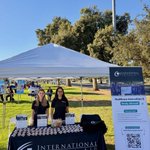
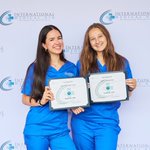
Over the weekend, International Medical Aid was honored to participate in the 2026 UC Davis Pre-Health Conference, more than a decade after we first began participating in this event. It was a pleasure to return and connect with students, academic advisors, and educators supporting the next generation of healthcare professionals pursuing careers in medicine, nursing, dentistry, and other healthcare fields.
Throughout the conference, our team spoke with students about international clinical internships, exposure to different healthcare systems, and the role that cultural understanding plays in preparing for a career in healthcare.
IMA also hosted a workshop titled “Ethics, Culture, and Care: Responsible Approaches to International Clinical Internships,” which focused on the responsibilities of participating in healthcare experiences abroad. We discussed ethical clinical engagement, cultural awareness, working alongside local healthcare professionals, and how international programs can support learning while respecting host communities.
IMA alumni joined us for the presentation and shared their firsthand experiences in our programs. Their perspectives helped illustrate how clinical observation, cultural immersion, and learning within unfamiliar healthcare environments can shape a student’s understanding of patient care and global health.
We would like to extend our sincere appreciation to the UC Davis Pre-Health Conference student organizers for hosting another successful event, as well as to our alumni representatives and everyone who visited our booth or attended our workshop. We continue to value the opportunity to engage with students and educators who share our commitment to preparing the next generation of healthcare leaders.
For students interested in exploring international clinical learning opportunities, applications are now open for IMA’s Winter, Spring, and Summer 2027 programs in Kenya and Peru.
🌍 Explore our programs and apply through the link in our bio or visit medicalaid.org/get-started/
#internationalmedicalaid #ucdavis #prehealthconference #globalhealth #medicaleducation


"I had a unique experience in Kenya that I believe was very different from the usual intern with IMA. My background is critical care nursing, with plans to pursue a career in nurse anesthesia. I worked through the COVID-19 pandemic while my fellow interns were deciding what college to attend. My experience in Kenya was really interesting due to my comfortability in the hospital setting.
I was attached to the anesthesia teams in the surgical theatre, learning how each anesthesia provider approached their cases. After a few days, I was able to interact with staff on a first-name basis and compare the differences between the United States and Kenya through the lens of the operating room.
In terms of the logistical and outside-the-hospital experience as an intern, I thought IMA ran a very curated, professional, and educational experience. Beyond theatre, I was able to participate in health clinics in local schools due to the relationship IMA fosters with the local community. I applied to IMA because of my past global experience with Johns Hopkins and Nursing Heart Inc., which foster relationships with communities in Guatemala that otherwise do not have access to healthcare. I witnessed how genuine, long-lasting relationships create community initiatives to reach goals identified by the communities themselves. This is not a short-lived intervention, but rather a relationship between communities, empowered by the people who live there. As an intern and medical professional, I was a catalyst used to help continue this relationship. I believe this model is one of the best ways to develop community engagement with current healthcare and can even be applied to patient care at the bedside. I try to meet patients where they are, establish rapport early to identify what they need beyond medical treatment, and foster a relationship based on mutual trust rather than short-term intervention.
Thank you to all the Program Staff and Program Mentors! You all are amazing at personable interaction and demonstrate your dedication to your job every day. Every interaction was so friendly and welcoming, everyone truly did their best, and you can see it every day. Thank you also for helping tailor my experience to my unique situation of already being a nurse. Being recognized by the government to practice in the hospital was above and beyond, and helping me get additional hours in the surgical theatre was exactly what I needed."
— 𝐉𝐮𝐬𝐭𝐮𝐬 𝐍𝐨𝐰𝐚𝐤, 𝐒𝐮𝐦𝐦𝐞𝐫 𝟐𝟎𝟐𝟔 𝐀𝐥𝐮𝐦
𝘑𝘰𝘩𝘯𝘴 𝘏𝘰𝘱𝘬𝘪𝘯𝘴 𝘚𝘤𝘩𝘰𝘰𝘭 𝘰𝘧 𝘕𝘶𝘳𝘴𝘪𝘯𝘨 𝟸𝟶𝟸𝟶
#internationalmedicalaid #ima #nursing #globalhealth #johnshopkins


“My experience was incredible; to say I'm grateful is an understatement. Beginning with my clinical experience, my Clinical Mentors were very kind, attentive, and educational. The clinical experience working with them was outstanding. I also appreciated the team in the Maternity Department so much. Their leadership and teaching were great. From working with them at Coast General Teaching and Referral Hospital and at Community Medical Clinics, I found them to be an incredible resource.
With the IMA Program, I also have a deep appreciation for the staff. The Community Outreach Coordinator was deeply involved in the community integration and Outreach Activities for us. He helped me coordinate care for a student during one of the Women's Health Education Sessions. The tour of the Informal Settlement was a huge learning experience during my time there. In the Program Residence, the House Matron was a joy every single day. Her positivity and loving personality helped me feel welcomed and at home right away.
Additionally, the Program Mentors were incredible advisors and always diligent to resolve any issues we had. They were an amazing resource and not only listened to our feedback but also found ways to implement change. They encouraged us to use the resources available to voice our opinions. The lectures, Clinical Debriefs, and Skills Labs were all beneficial in my learning and understanding of the community. The Program Residence always felt very safe to the Cultural Treks, Safaris, and me, and Community Outreach Activities felt like I was able to experience Kenyan Culture outside of just healthcare. Without IMA's resources, my experience would not have been the same.”
— 𝐃𝐲𝐥𝐚𝐧 𝐂𝐥𝐚𝐫𝐤, 𝐒𝐮𝐦𝐦𝐞𝐫 𝟐𝟎𝟐𝟔 𝐀𝐥𝐮𝐦
𝘔𝘰𝘯𝘵𝘢𝘯𝘢 𝘚𝘵𝘢𝘵𝘦 𝘜𝘯𝘪𝘷𝘦𝘳𝘴𝘪𝘵𝘺 2026
#internationalmedicalaid #medicalinternships #premed #globalhealth #kenya


“My International Medical Aid internship in Mombasa, Kenya, was one of the most meaningful experiences I have had during high school. From the moment I arrived, I felt welcomed and supported by the IMA staff, making it easier to adjust to a new environment. The program balanced structured learning with opportunities to experience the local community, allowing me to grow personally and academically.
My Clinical Mentor made the hospital experience especially meaningful. He was patient and generous with his time, teaching us about patients and helping us understand the reasoning behind diagnoses and treatments. He encouraged our curiosity and treated us as students eager to learn. His guidance made me more comfortable in the hospital and deepened my understanding of medicine. The Program Mentors and staff also made a huge difference. They ensured everyone felt comfortable, included, and supported. Whether we had questions or needed help adjusting to something unfamiliar, they were always approachable and willing to help.
The hospital experience was eye-opening. Observing healthcare in a setting with fewer resources than I was accustomed to challenged my understanding of quality medical care. I watched healthcare professionals find creative ways to care for patients despite limited supplies and equipment. This made me reflect on healthcare accessibility and the need for affordable, practical solutions in underserved communities.
Outside the hospital, I loved experiencing Kenyan culture, especially the food. Chapati quickly became one of my favorite things to eat, and sharing meals was a memorable way to connect with the culture.
Overall, my IMA experience gave me much more than clinical exposure. It taught me to be adaptable, open-minded, and willing to learn from others. I left Mombasa with a deeper understanding of global healthcare and a stronger desire to make healthcare more accessible through my future career.”
— 𝐇𝐚𝐢𝐥𝐞𝐲 𝐁𝐮𝐧𝐝𝐲, 𝐒𝐮𝐦𝐦𝐞𝐫 𝟐𝟎𝟐𝟔 𝐀𝐥𝐮𝐦
𝘔𝘢𝘯𝘴𝘧𝘪𝘦𝘭𝘥 𝘍𝘳𝘰𝘯𝘵𝘪𝘦𝘳 𝘚𝘛𝘌𝘔 𝘈𝘤𝘢𝘥𝘦𝘮𝘺 2027


“I felt welcomed from the beginning, especially because this was my first time traveling alone and I did not know anyone in the program. The Program Mentors took great care of me, and I was supported even before the trip to make sure I had everything I needed. I always felt safe because of the precautions IMA took, and I felt comfortable throughout my stay. I really enjoyed having a balance of planned activities and free time. Being able to explore with my friends made me feel more independent while still having the support of the Program Mentors.
I also loved the Community Outreach Activities, especially visiting an orphanage and teaching the children about personal hygiene and Menstrual Health. These experiences gave me the opportunity to connect with the community outside of the hospital and made my time in Kenya even more meaningful.
The hospital was definitely a culture shock, but it became one of the most meaningful parts of my experience. I was able to shadow doctors in Pediatrics, Cardiology, the Emergency Department, Internal Medicine, Maternity, and the Newborn Unit, which gave me a glimpse into my future in medicine. Seeing sick children in the Pediatric ward was difficult, but it helped me grow and made me even more interested in becoming a doctor.
I also met so many kind people who shared my interests and made the experience even better. Overall, I am very grateful for this experience and for everyone at IMA who made me feel supported, safe, and excited to learn.”
— 𝐃𝐚𝐧𝐢𝐞𝐥𝐥𝐞 𝐊𝐮𝐜𝐡𝐧𝐢𝐚, 𝐒𝐮𝐦𝐦𝐞𝐫 𝟐𝟎𝟐𝟔 𝐀𝐥𝐮𝐦
𝘎𝘳𝘦𝘦𝘯 𝘏𝘰𝘱𝘦 𝘏𝘪𝘨𝘩 𝘚𝘤𝘩𝘰𝘰𝘭 2027
#internationalmedicalaid #medicalinternships #premed #globalhealth #highschoolinternships #highschoolstudyabroad #kenya


The IMA experience extends beyond the clinical setting. Our internships abroad provide students with opportunities to engage with local communities, learn about cultural traditions, and better understand the social and cultural context in which healthcare is delivered.
These experiences are an important part of developing a broader understanding of global health. Language, traditions, values, history, and community can all influence how healthcare is understood, accessed, and experienced. Engaging with these aspects alongside clinical rotations provides valuable context for interns’ experiences within hospitals, clinics, and other healthcare environments.
Throughout their time with IMA, interns participate in cultural and educational experiences designed to encourage meaningful engagement with their host communities. Language classes introduce interns to commonly used words and phrases, while visits to cultural and historical sites provide greater insight into the history, traditions, and everyday life of the communities in which they are living and learning.
Whether experiencing the culture and traditions of Peru, exploring local life in Kenya, learning a new language, or engaging with communities across IMA’s international program destinations, these experiences complement clinical exposure and encourage interns to approach unfamiliar environments with curiosity, openness, cultural humility, and respect.
For many interns, participating in an IMA program is a once-in-a-lifetime opportunity to combine clinical exposure, cultural immersion, and meaningful engagement with communities abroad.
At International Medical Aid, we believe global health education extends beyond clinical shadowing. By combining clinical exposure, cultural immersion, and community engagement, IMA programs help interns develop a more comprehensive understanding of global health and the diverse communities they encounter.


"This program far exceeded my expectations in the food, hospitality, organization, accommodations, tours, and cultural enrichment. I felt constantly supported by the Program Mentors and learned so much more about Kenya than I ever would have if I had just visited on my own. I truly felt welcomed and was able to call Kenya my home for an entire month, which was the biggest blessing of my life. Everyone was incredibly friendly and eager to help or support you.
The other interns were so social, kind, and friendly as well, and we all developed such close relationships with each other and unforgettable memories. You were never made to feel silly by anyone for learning the local customs or culture, and instead were always encouraged by locals and interns to get out of your comfort zone in the best ways. The Community Outreach Activities were so much fun, getting to meet and connect with the local kids and see their day-to-day life was priceless. Despite the obvious things that are hard to see in the hospital, my time in Kenya was one of the best months of my life, and I miss it constantly. I hope to be back again one day very soon."
— 𝐒𝐨𝐩𝐡𝐢𝐚 𝐃𝐢𝐨𝐧𝐧𝐞, 𝐒𝐮𝐦𝐦𝐞𝐫 𝟐𝟎𝟐𝟔 𝐀𝐥𝐮𝐦
𝘕𝘰𝘳𝘵𝘩𝘦𝘢𝘴𝘵𝘦𝘳𝘯 𝘜𝘯𝘪𝘷𝘦𝘳𝘴𝘪𝘵𝘺 𝟸𝟶𝟸𝟼
#internationalmedicalaid #medicalinternships #prepa #globalhealth #kenya


“My experience in Kenya was incredible overall. As someone with a genuine passion for medicine, I found that my time there, particularly my rotations at Coast General, only reinforced my desire to pursue a career in healthcare.
Experiencing the day-to-day dynamics of a hospital firsthand and observing a range of medical procedures further motivated me to contribute as a healthcare professional in the future.
As someone who had never traveled to a country with such a different cultural and socioeconomic context, engaging with the local community was particularly eye-opening. It helped me understand how educational systems, healthcare, and everyday life can vary significantly across countries.
I learned directly from the people I met, broadened my perspective, and developed a greater appreciation for the importance of cultural awareness and adaptability.
Overall, this experience allowed me to grow both personally and professionally, and it is one that I will always remember.”
— 𝐀𝐧𝐚 𝐀𝐥𝐨𝐧𝐬𝐨, 𝐒𝐮𝐦𝐦𝐞𝐫 𝟐𝟎𝟐𝟔 𝐀𝐥𝐮𝐦
𝘒𝘦𝘯𝘴𝘪𝘯𝘨𝘵𝘰𝘯 𝘚𝘤𝘩𝘰𝘰𝘭 𝟸𝟶𝟸𝟽
#internationalmedicalaid #medicalinternships #premed #globalhealth #kenya


"My experience with the IMA program in Kenya was incredibly meaningful, and I left with a much deeper understanding of psychology, healthcare, and what it means to be immersed in another culture. The cultural treks were especially meaningful, allowing me to experience Kenya beyond the hospital and learn directly from communities.
The IMA staff were a huge part of what made the experience special. I felt welcomed and supported from the beginning. My clinical experience was another major highlight. The psychology interns and clinical staff mentors made my time at Coast General wonderful. The Kenyan psychology interns welcomed me, allowed me to shadow them, explained their work, translated conversations, answered my questions, and helped me become more comfortable speaking with patients. I felt genuinely included.
One of the biggest lessons I took away was how universal human connection is. Although healthcare systems, resources, languages, and cultural practices may differ, the need to feel heard, supported, and understood does not. I expected to focus primarily on the differences between healthcare in Kenya and the United States, but I found myself focusing just as much on the similarities. I came away realizing that “people are people” and that human connection is central to psychology.
The combination of clinical work, cultural immersion, and relationships made this experience much more impactful than I expected. I came home with a stronger passion for psychology, a broader interest in women's health and global healthcare, and a deeper appreciation for culture. Most importantly, I feel that I learned not just about Kenya, but from Kenya."
— 𝐋𝐢𝐥𝐲 𝐃𝐮𝐛𝐢𝐧, 𝐒𝐮𝐦𝐦𝐞𝐫 𝟐𝟎𝟐𝟔 𝐀𝐥𝐮𝐦
𝘜𝘯𝘪𝘷𝘦𝘳𝘴𝘪𝘵𝘺 𝘰𝘧 𝘝𝘦𝘳𝘮𝘰𝘯𝘵 𝟸𝟶𝟸𝟹
#internationalmedicalaid #medicalinternships #premed #globalhealth #kenya


Healthcare doesn’t begin and end inside a hospital. The impact of IMA’s programs extends far beyond the clinical setting and into the communities we serve, where education, prevention, and meaningful, long-term engagement have a lasting impact on health and well-being.
IMA’s approach to community health is rooted in a model of healthcare delivery developed by our founders at Johns Hopkins University and refined over the course of the organization’s work in the communities we serve. This model recognizes that improving health requires more than clinical care alone. It requires sustained investment in health education, prevention, community engagement, and access to essential resources.
Throughout their time with IMA, interns take part in a range of Community Outreach Initiatives, including Community Medical Clinics, Hygiene Education Sessions, Women’s Health Education Sessions, and Mental Health Awareness Clinics.
Each experience provides interns with the opportunity to engage directly with local communities, support health education, promote healthy practices, and contribute to initiatives designed around important community health needs.
Over the course of IMA’s work, these initiatives have shown the meaningful impact that consistent, long-term community engagement can have. Interns see firsthand how education, prevention, and sustained outreach complement care delivered within hospitals and clinics while gaining a deeper understanding of the social and economic factors that influence access to healthcare.
Just as importantly, these experiences shape our interns themselves. Community outreach helps build empathy, cultural awareness, communication skills, and a deeper understanding of global health, qualities that stay with future healthcare professionals long after their time abroad.
At International Medical Aid, our commitment to improving health extends well beyond the walls of the hospital. Every outreach initiative is professionally guided and thoughtfully designed to be ethical, sustainable, and responsive to the communities we serve.


Congratulations to our final Summer 2026 cohorts on completing their Healthcare Internship Programs at our flagship site in South America—Cusco, Peru!
Throughout their time in Cusco, our interns experienced healthcare delivery through hospital rotations, clinical education sessions, and community outreach. Each setting offered a different perspective—from observing healthcare professionals to engaging with communities through health education.
Interns also explored the relationship between traditional and complementary healing practices and modern evidence-based medicine, gaining insight into how cultural beliefs, traditions, and contemporary clinical care can intersect within a healthcare system.
Across these experiences, our interns demonstrated curiosity, responsibility, respect, and a willingness to learn. They encountered different clinical environments, patient populations, and approaches to care while developing a broader understanding of the social, cultural, and public health factors that influence health outcomes.
Their experience in Peru also extended beyond the clinical setting. Living and learning in Cusco offered the opportunity to experience its history, traditions, culture, and communities while reinforcing the importance of cultural awareness in healthcare.
Our cohorts also developed meaningful connections with one another, making those relationships an important part of the experience.
This year’s interns were selected from the largest and most competitive applicant pool in IMA’s history, making this milestone especially meaningful.
As we conclude our Summer 2026 season in South America, we extend our congratulations and appreciation to every member of our Cusco cohorts. We are grateful for the commitment, curiosity, and enthusiasm each intern brought to their program, peers, clinical partners, and the communities from whom they had the opportunity to learn.
Congratulations once again to our final Summer 2026 cohorts in Cusco, Peru. We are proud of all you accomplished and look forward to seeing where your journeys take you next!


Imagine waking before sunrise as the African savannah comes to life—watching elephants move across the horizon, giraffes silhouetted against the morning sky, and the first light stretch across the endless plains of the Masai Mara.
For IMA interns in East Africa, experiences like these can become part of a journey that extends far beyond the hospital.
IMA’s award-winning Masai Mara Game Reserve with Nairobi Overnight Trek, routinely recognized as one of the top adventure travel opportunities for high school and college students, takes interns from one of Africa’s most iconic wildlife reserves to the heart of Kenya’s capital—combining adventure, culture, conservation, and unforgettable moments along the way.
Across the Masai Mara, interns set out on game drives in search of lions, elephants, giraffes, zebras, wildebeest, and countless other species that call this extraordinary ecosystem home. Between wildlife encounters are sweeping grasslands, dramatic skies, and the unmistakable feeling of experiencing Kenya in a way few travelers ever forget.
The journey also creates opportunities to engage with Maasai communities and learn more about the traditions, heritage, and daily life that have shaped this region for generations.
From the Mara, the adventure continues to Nairobi, where interns experience another side of Kenya. Visits focused on wildlife conservation offer the opportunity to learn about efforts to protect orphaned elephants and endangered Rothschild’s giraffes while getting remarkably close to some of the country’s most iconic animals.
For interns based at IMA’s flagship site in Mombasa, Kenya, the experience provides an incredible contrast to the clinical rotations, community health initiatives, and educational opportunities that define the Healthcare Internship Program.
It is a chance to explore. To recharge. To experience more of the country you have traveled across the world to serve and learn within—and to build friendships and memories that last long after the internship ends.
The Masai Mara. Nairobi. One unforgettable weekend. A lifetime of memories. 🇰🇪


Congratulations to our final Summer 2026 cohorts on completing their Healthcare Internship Programs with International Medical Aid at our flagship site in East Africa—Mombasa, Kenya!
Throughout their time with us, our interns experienced the many dimensions of healthcare delivery, rotating through hospital departments and participating in Community Medical Clinics and Hygiene Education Sessions. Each setting offered a different perspective—from observing patient care alongside healthcare professionals to engaging directly with community members through outreach initiatives.
Their time in Mombasa also extended beyond the clinical environment. Interns had the opportunity to experience the culture, history, and natural beauty of the Kenyan coast, adding an important cultural dimension to their time abroad.
Across these experiences, our interns encountered new clinical environments, diverse patient needs, and different approaches to healthcare delivery. From observing procedures and learning directly from healthcare professionals to participating in community-based initiatives, each opportunity contributed to a deeper understanding of healthcare and the communities it serves. These experiences also encouraged interns to consider the broader public health factors that influence health outcomes while developing greater cultural awareness and competency in caring for patients from diverse backgrounds.
As their internships came to a close, our interns reflected on a period shaped by clinical exposure, community engagement, cultural immersion, and the connections they formed along the way. Together, these experiences provided opportunities to expand their understanding of healthcare while developing a broader perspective on caring for diverse populations.
We are proud to celebrate our final Summer 2026 cohorts and all they accomplished during their time with International Medical Aid. While their journey with us in Kenya has come to an end, the lessons, perspectives, and experiences they gained will continue to shape their paths in healthcare.
As we transition into our Fall and upcoming Winter programs, we also extend our congratulations and appreciation to every member of our Summer 2026 cohorts. We are grateful for the effort, enthusiasm, and contributions each intern brought to their program, their peers, our clinical partners, and the communities they had the opportunity to serve and learn from.
Congratulations once again to all of our Summer 2026 interns in East Africa. We look forward to seeing where your journeys take you next!


Healthy habits often begin with small choices. Washing hands at the right time, keeping personal spaces clean, and practicing good hygiene each day may seem simple, but when these routines are understood and practiced consistently, they can play an important role in protecting children’s health and strengthening public health more broadly. By building knowledge and healthy behaviors early, hygiene education can also help address preventable health challenges at a more foundational level—before they require clinical care.
Recently, we conducted a Hygiene Education Session at Makupa Comprehensive School, located at our flagship site in East Africa—Mombasa, Kenya. The session focused on practical hygiene practices and the everyday routines that can help learners reduce their exposure to preventable illness and maintain better health.
Rather than presenting hygiene as simply a set of rules to follow, the session encouraged learners to understand the connection between their daily actions and their overall well-being. By learning why these practices matter, children can begin to recognize how consistency transforms individual actions into lasting habits.
Health education is most meaningful when knowledge can be carried beyond the classroom. When learners understand the reasons behind the practices they are taught, they are better positioned to apply them at home, at school, and within their communities. These habits can also extend through families and peers, allowing practical health knowledge to reach beyond the students who participate directly in each session.
Everyday hygiene practices may be simple, but their impact can extend far beyond a single day or lesson. By helping children understand the value of these routines and providing them with the knowledge to practice them consistently, we can support habits that contribute to healthier lives, stronger communities, and the prevention of avoidable illness over time.


Access to healthcare is shaped by more than the availability of medical services. For communities located farther from central healthcare facilities, factors such as distance, available resources, and access to local services can influence how and when care is received. Community-based healthcare plays an important role in bringing essential services closer to the populations they serve while providing greater insight into the healthcare needs and challenges experienced within those communities.
Recently, IMA conducted a Community Medical Clinic at Takaungu Dispensary near our flagship program site in Mombasa, Kenya. The clinic provided an opportunity to support healthcare delivery within a rural community while offering our interns greater exposure to patient care outside larger hospital settings.
At Takaungu, the clinic highlighted the important role local healthcare facilities play in improving access to care within rural communities. By bringing healthcare services closer to where people live, the engagement helped address immediate health needs while providing greater insight into some of the practical factors that can shape access to care outside major healthcare centers.
For our interns, experiences like the Takaungu Community Medical Clinic provide a broader perspective on healthcare delivery. Participating in a rural community setting allows them to observe how healthcare professionals adapt to different clinical environments, engage with local populations, and work within the resources and infrastructure available to them.
Community Medical Clinics remain an important part of IMA’s approach to community-centered healthcare and global health education. Each engagement provides an opportunity to work alongside local healthcare professionals, support community health initiatives, and develop a more comprehensive understanding of the factors that influence health and access to care.
At IMA, we believe meaningful healthcare education extends beyond the hospital environment. Through Community Medical Clinics and other outreach initiatives, our interns gain a deeper understanding of community health and healthcare delivery while supporting efforts to make essential services more accessible to the communities we serve.


Healthcare delivery can look different from one facility to another, shaped by the services available, the healthcare teams involved, and the needs of the communities each hospital serves. Exposure to different healthcare settings can give future healthcare professionals a broader understanding of how patient care is organized and delivered.
Throughout their internship, our interns have been gaining clinical exposure at Coast General Teaching and Referral Hospital, a public teaching and referral hospital located at our flagship site in East Africa—Mombasa, Kenya. As part of their program experience, they recently had the opportunity to visit Mombasa Hospital, one of the leading private healthcare facilities in the region, and explore another healthcare setting within the city.
During the tour, interns visited different areas of the hospital, learned about the range of services provided, and gained insight into the teams and systems involved in supporting patient care. The visit offered an opportunity to observe how another healthcare facility operates and how its departments work together to meet the needs of its patients.
For our interns, seeing these differences firsthand helped broaden their understanding of the healthcare landscape in Kenya. Their experience at Coast General Teaching and Referral Hospital provides insight into care within a public teaching and referral setting, while their visit to Mombasa Hospital offered another perspective on healthcare delivery within the same city.
Experiences such as the Mombasa Hospital Tour are an important part of the IMA internship experience. By introducing interns to different healthcare environments, we encourage them to consider the many factors that influence patient care and develop a broader perspective on the healthcare systems they encounter throughout their program.
Through continued clinical exposure and unique educational experiences, IMA remains committed to providing interns with opportunities to understand healthcare from multiple perspectives while learning within the communities they serve.
Learn more about our upcoming Summer and Winter 2027 Healthcare Internship Programs at medicalaid.org!

As we observe Suicide Prevention Month, we are reminded of the importance of recognizing when someone may be struggling and creating opportunities to seek support. For young people navigating academic expectations, relationships, family responsibilities, and adolescence, understanding mental health and knowing when to reach out can be an important part of overall well-being.
During our recent Mental Health Awareness Clinic at Mwakirunge Senior School, located at our flagship site in East Africa—Mombasa, Kenya—students participated in discussions focused on mental health, emotional well-being, and recognizing when they may need support. The clinic created a safe and supportive environment where students could ask questions, share perspectives, and explore practical ways to care for their emotional health without fear of judgment.
Mental health awareness begins with understanding that emotional well-being is an essential part of health. Helping young people recognize changes in how they feel, understand when support may be needed, and identify trusted people they can turn to can make it easier to seek help when challenges become difficult to navigate alone.
These conversations can also have an impact beyond the individual. When students develop greater awareness of their own emotions and learn to approach others with empathy and understanding, they can contribute to school environments where asking for help is recognized as an important step toward well-being rather than something to be hidden.
The conversations, questions, and engagement we witnessed at Mwakirunge Senior School highlight the importance of making mental health education accessible to young people. By encouraging awareness, empathy, and help-seeking, we can equip students with knowledge they can carry into their daily lives while fostering greater understanding of mental and emotional well-being.
This Suicide Prevention Month, we continue to recognize the value of conversations that encourage connection, understanding, and support and of creating spaces where young people feel empowered to speak openly, seek help, and support one another.


In many settings, everyday hygiene practices play an important role in preventing illness and supporting healthier environments. For children, learning how simple routines such as proper handwashing, oral hygiene, and maintaining personal cleanliness can influence their well-being provides an important foundation for healthy habits that can continue as they grow.
As part of our continued commitment to preventive health education, our interns recently visited the Shauri Yako Community, located at our flagship site in East Africa—Mombasa, Kenya, for an interactive Hygiene Education Session with local children. The session focused on practical hygiene practices and encouraged participants to consider how these habits can become part of their everyday routines at home, at school, and in their daily lives.
Through demonstrations, discussions, and interactive activities, the children explored proper handwashing techniques, oral hygiene, and the importance of maintaining consistent hygiene routines. The session also created opportunities for them to ask questions, share what they already knew, and participate directly in the demonstrations, making the lessons practical and relatable to their daily experiences.
The children’s enthusiasm and willingness to participate quickly became one of the highlights of the session. Their questions and active involvement created an engaging environment where health education became a shared experience, while giving our interns an opportunity to engage with local residents in a setting outside of the hospital.
Community-based health education remains an important part of our outreach efforts and reflects IMA’s evidence-based public health model centered on prevention, health literacy, and sustainable behavior change. By helping children understand and adopt simple preventive practices early, initiatives such as the Hygiene Education Session at Shauri Yako can contribute to reducing the risk of preventable illness, limiting the spread of infection, and supporting better health outcomes over time. This preventive approach also reinforces an important principle of public health: improving health outcomes not only through the treatment of disease, but also by addressing behaviors and environmental factors before illness occurs.
For our interns, these initiatives provide an opportunity to see how education, prevention, and community engagement complement clinical care as part of a broader approach to improving population health. Through continued outreach initiatives, IMA remains committed to supporting preventive health education and creating meaningful opportunities for interns to engage with the populations they serve.


For many young women, adolescence brings questions about changes in their bodies, menstrual health, personal hygiene, and other aspects of their well-being. Creating opportunities to discuss these topics openly can help young women develop a clearer understanding of their health during an important stage of development.
As part of our continued commitment to community health education, our interns recently conducted a Women’s Health Education Session at Mjambere Senior School, located at our flagship site in East Africa—Mombasa, Kenya. The session brought students together for discussions focused on women’s health and the changes they may experience during adolescence.
Through age-appropriate discussions and interactive conversations, students explored topics related to their physical and emotional well-being and had the opportunity to ask questions about issues that may not always be discussed openly. The session encouraged students to participate in the conversation and engage with topics relevant to their everyday experiences.
One of the highlights of the session was the students’ willingness to participate. As the discussion progressed, students became increasingly engaged, asking questions and contributing their own perspectives. Their curiosity helped create a meaningful exchange between the students and interns throughout the session.
For our interns, the experience provided an opportunity to participate in health education in a school setting and to engage directly with young women on topics that are an important part of their well-being. It also gave them insight into the role that communication, education, and community engagement play in preventive healthcare.
Women’s health education remains an important part of our community outreach efforts. Through initiatives like the session at Mjambere Senior School, IMA continues to create opportunities for meaningful health conversations and to support greater awareness of women’s health within the communities we serve.
Learn more about our upcoming Winter 2026/27 and Summer 2027 Healthcare Internship Programs at medicalaid.org!


