







ALT Our new work with the Stec Lab shows that the liver induces cardiovascular disease when PPARα levels are low. We used our Advanced PamGene Kinome Technology to determine the aorta's signaling mechanisms that cause cardiovascular disease. The findings are surprising and possibly clinically important.


ALT In our manuscript titled Hepatic kinome atlas: An in-depth identification of kinase pathways in liver fibrosis of humans and rodents, we found that the insulin receptor is one of the most hyperactive kinases in cirrhotic human and mouse livers. I am curious to see if others have observed the same. https://journals.lww.com/hep/fulltext/2022/11000/hepatic_kinome_atlas__an_in_depth_identification.16.aspx

ALT New work from our lab earlier this year showed that bilirubin breakdown to urobilin is significantly elevated in the obese, and the higher the urobilin levels in humans, the more insulin resistance. Urobilin is generated in the gut by the microbiome from conjugated bilirubin. This work supports that bilirubin is deposited in the gut of the obese to generate higher urobilin production, which is reabsorbed via the hepatic portal vein. In humans with higher plasma urobilin levels, there is typically more adiposity and worsened insulin resistance. 'Bilirubin Levels Are Negatively Correlated with Adiposity in Obese Men and Women, and Its Catabolized Product, Urobilin, Is Positively Associated with Insulin Resistance' #postdoc #graduatestudents


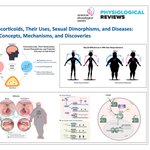
ALT We had what I personally feel is one of our most beautiful manuscripts accepted in the highly respected journal Physiological Reviews (impact factor = 46.5). The work pushes the field with new concepts for glucocorticoid resistance and discusses sexual differences in glucocorticoid signaling. The write-up provides mechanistic details about past problems in the field and future directions. I hope that you enjoy reading the work :D @APSPhysiology @AASLDtweets @HHMINEWS @universityofky #postdoc #graduatestudents Glucocorticoids, Their Uses, Sexual Dimorphisms, and Diseases: New Concepts, Mechanisms, and Discoveries | Physiological Reviews


ALT The latest picture of the Hinds Lab. This diverse group of folks are the most amazing people. Their hearts are gold, and their minds are extremely brilliant. I feel lucky to get to work with them, and I love each of them as family. They are a blessing :D @APS @HHMI @postdocs