

A Plus Immunity | Pet Wellness Science backed immune support for aging pets 🐾 Clean ingredients • Trusted by professionals Support your pet’s immunity ↓
- Tweets18.8K
- Following4.3K
- Followers2.7K
- Likes3.4K





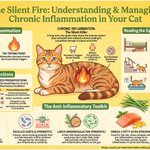


ALT Ep. 13: The Silent Fire Within: Understanding Chronic Inflammation in Cats In this episode, we explore chronic inflammation — the invisible, slow burning process that affects millions of cats. We break down how inflammation works, why it becomes chronic, and how breed genetics shape organ specific risks. You’ll learn: • The difference between acute and chronic inflammation • How inflammation contributes to heart disease, arthritis, neurological issues, and more • Which breeds carry higher inflammatory vulnerabilities • Early warning signs cat parents should watch for • Science backed strategies to support long term feline wellness A must listen for cat parents, veterinary professionals, and anyone passionate about One Health and preventive care. #CatHealthPodcast #Inflammation #OneHealth #FelineWellness #APlusNaturals

ALT Inflammation hits cat breeds differently. Some face heart risks, others joint or gut issues. This infographic shows the top vulnerabilities and early signs every cat parent should know. #FelineHealth #Inflammation #CatCare

ALT 🎧 The Evolutionary Paradox of the Feline Patient: Decoding Pain Masking As veterinary professionals and pet advocates, we face a silent challenge: the evolutionary mandate of the feline species to mask vulnerability. In the wild, displaying weakness is an invitation to predation. In domestic environments, this hard-wired instinct means feline patients often suffer from chronic, low-grade systemic inflammation in absolute silence. In our latest podcast episode, "Why Your Cat Hides Chronic Inflammation," we unpack the neurobiological pathways of feline pain and explore evidence-based, multimodal strategies to detect and mitigate this "silent fire". Key Takeaways Discussed: • Behavioral Shifts over Physical Cues • The Gut-Immune Connection • Nutritional Anti-Inflammatory Therapeutics Listen to the episode to learn how anti-inflammatory nutrition acts as an essential clinical tool for feline longevity. https://youtu.be/WA7YMOahEoY?si=Se78eU3JHGLCjaSL

ALT Have you noticed your cat "slowing down" lately? Maybe they aren't leaping to their favorite high windowsill like they used to, or they've started sleeping in the back of the closet instead of on your bed. It is incredibly easy to dismiss these quiet changes as "just part of getting older." But the truth is, our cats are biologically hard-wired to hide their vulnerabilities. In the wild, showing pain makes you a target. In our homes, it means they suffer in silence. Often, the root cause is chronic inflammation—a low-grade, persistent internal "fire" that can gradually damage their joints, gut, and kidneys. To help cat parents everywhere, we’ve created a series of beautiful, free resource to help you "unmask" your cat's discomfort.

ALT Are you up to date on the latest clinical understanding of feline chronic kidney disease (CKD) and its bidirectional relationship with systemic inflammation? A prospective study published in Animals (Basel) demonstrated that key inflammatory markers—specifically Serum Amyloid A (SAA) and Erythrocyte Sedimentation Rate (ESR)—are statistically significantly elevated across all IRIS stages of CKD, starting as early as IRIS Stage 2. Inflammation is not a bystander; it is a primary driver of nephron loss. Read our latest blog post. Link in bio. What the blog covers: 1. Acute vs. Chronic Inflammation: Distinguishing the targeted "internal fire brigade" from the destructive, persistent low-grade activation that feeds autoimmunity. 2. Microbiome Homeostasis: Navigating the depletion of Bacteroides and Faecalibacterium species in felines

ALT Welcome to The Hidden Link: Feline Zoonotic Diseases and One Health. In this episode, we deconstruct the common "indoor cat myth" and examine the invisible biological networks connecting our domestic cats, our families, and our shifting global environment. While indoor cats face fewer hazards than those roaming freely, pests like fleas and mosquitoes can easily bypass window screens and doors. Once inside, they act as vectors for serious illnesses like Cat Scratch Disease and feline Heartworm. Join us as we explain the scientific reality of zoonotic pathogens like *Bartonella henselae* and *Toxoplasma gondii*, and share the simple, highly effective preventative measures recommended by the Companion Animal Parasite Council (CAPC) to secure your home. https://www.youtube.com/playlist?list=PLfQblEHVSCGU

ALT Veterinary medicine is a critical pillar of public health. Under the One Health framework, we recognize that the pathogens circulating in our pet populations have direct implications for human safety—especially for vulnerable groups. Take Cat Scratch Disease (CSD), caused by the bacterium *Bartonella henselae*. * The Vector: It is fundamentally a flea-borne disease. Cats contract the bacteria via flea bites, and transmit it to humans when a scratch introduces flea feces into a wound. * The Prevalence: Studies show up to 1 in 3 healthy cats (especially kittens) carry *Bartonella* in their blood without showing any signs of illness. * The Risk: While mild in healthy adults, CSD can cause devastating complications in immunocompromised individuals, including bacillary angiomatosis and endocarditis. Because there is no vaccine for CSD, consistent flea prevention is a vital public health measure. See our newly released "Feline Zoonotic Health Risk Guide" infographic below to explore

ALT She is curled on the couch, a warm, purring presence that has been part of your household for years. She grooms herself with meticulous care, watches birds through the window, and occasionally deigns to sit on your lap. She seems, by every measure, the picture of domestic tranquility. But cats are not simply decorative companions. They are biological organisms with complex relationships to parasites, bacteria, fungi, and the ecosystems they inhabit — even when that ecosystem is a two-bedroom apartment. And because cats live in such intimate proximity to their human families, the pathogens they carry or encounter can, under the right circumstances, become human health concerns. This is not a reason to fear your cat or to reconsider the bond you share. It is a reason to be informed. Cats are among the most popular companion animals in the world, and the vast majority of cat owners will never experience a serious zoonotic illness from their pet. But the risk is real.