

The official X account of Health Economics. Featuring theoretical contributions, empirical studies and analyses of health policy from the economic perspective.
Joined May 2023
- Tweets219
- Following27
- Followers1.2K
- Likes23





🏥 Supply restrictions and regulatory costs lead states in the U.S. to spend more on healthcare unless Certificate-of-Need laws are repealed, according to a new Health Economics study.
Read full paper here: doi.org/10.1002/hec.70160
🤖 Made with AI

🩸 Do symbolic medals encourage blood donations? A new Health Economics study tracking 72k+ donors over 12 years shows membership-based medals boost donation frequency by 10%, while donation-only quotas fail.
Read the full paper here:
doi.org/10.1002/hec.70159
🤖 Made with AI

🧠 Feeling out of sync with your government? A new Health Economics study shows that greater ideological distance from the party in power lowers life satisfaction and increases depression risks.
Read full paper here:
doi.org/10.1002/hec.70157
🤖 Made with AI

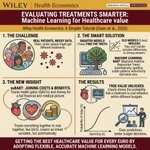
🩺 Evaluating a medical treatment's real-world value is tough. A new Health Economics tutorial shows how machine learning models (BART & suBART) make cost-effectiveness studies fairer and more accurate.
Read full paper here:
doi.org/10.1002/hec.70153
🤖 Made with AI

👶 Experience and travel costs lead mothers in India to use hospital care less for higher-order births unless past complications occurred, according to a new Health Economics study.
Read full paper here:
doi.org/10.1002/hec.70154
🤖 Made with AI

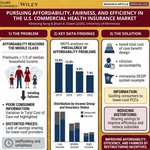
🇺🇸 Having health insurance doesn’t always mean healthcare is affordable.
A new Health Economics study found that 84.2% of people reporting affordability problems in 2022 were already insured.
Read full paper here:
doi.org/10.1002/hec.70151Dig…

🔁 Short-term wins, long-term issues.
A new Health Economics editorial shows focusing only on immediate clubfoot results misses critical dropouts and full recovery.
doi.org/10.1002/hec.70152

🇳🇱 Higher retirement age, zero health penalty.
A new Health Economics study shows pushing back the Dutch pension age increased employment without raising mortality risks.
doi.org/10.1002/hec.70149

🚭 Tobacco 21 did more than curb smoking.
A new Health Economics study finds these laws reduced obesity among 18- to 20-year-olds by 2.1 percentage points, with gains concentrated among never-smokers and no sign of the usual weight-gain tradeoff.
tinyurl.com/pjrcn6wd

🏥 Are standard hospitalization rates telling the wrong story?
A new Health Economics paper shows common measures can misweigh patients and even penalize hospitals for treating sicker case mixes, then offers cleaner alternatives.
tinyurl.com/mryhzf7e

💬 What happens when unemployment benefits are cut off earlier than expected?
A new Health Economics study finds anxiety rose among working-age adults without a college degree, especially among minorities, older adults, and women.
tinyurl.com/mtsu5rpp

💶 Do patients actually value physicians who charge above the regulated fee?
A new Health Economics study in France finds they do: WTP was €4.30 higher for unregulated specialists, linked to perceived quality and easier appointments.
tinyurl.com/4e8h66we

🧠 Can teacher quality protect student mental health?
A new study finds that each additional year of head teacher experience improved junior high students’ mental health in China, with especially strong gains for low-SES and rural students.
tinyurl.com/yckxhvtb

🍎 Economic policy is now firmly in the nutrition toolkit. A new Health Economics perspective charts the rise of SSB taxes, asks why trade policy still lags, and argues research must now push innovation, equity, and gender.
tinyurl.com/3fmbafv2

💸 Same transfer, different timing, different diet.
A new study finds monthly cash payments improved diet quality for low-income older adults in Colombia, while bi-monthly payments led to fewer fruit and vegetable purchases and more UPFs.
tinyurl.com/4kbh46bk

📚 Can a nutrition program raise learning too?
A new Health Economics study finds India’s SABLA scheme increased girls’ school enrollment and improved basic reading and math skills, with gains linked to better health and more education spending.
tinyurl.com/y42nj4mh

📢 June is for summer reading, and the new issue of Health Economics did not come to play! From opioids and urban health sorting to vaping, alcohol, financing, and HIV spillovers, Volume 35 Issue 7 brings range and bite. tinyurl.com/26a76mpt

🧠 Does cutting interstate licensing barriers boost mental health supply?
A new Health Economics study finds PSYPACT increased psychologist listings by 7.7%, but the gain came from in-state incumbents listing for the first time, not out-of-state entry.
tinyurl.com/567rhjae

💊 Did banning Rx rebates help local pharmacies in Germany?
A new Health Economics study finds offline Rx sales rose 1.42%–1.67%, but the smallest pharmacies gained too little to meaningfully stop closures.
tinyurl.com/bdcmjcr7

📚 Education can fight malnutrition, but not always the way you expect.
A new Health Economics study finds Bangladesh’s girls’ schooling program reduced underweight, but also increased overweight and obesity later in life.
tinyurl.com/vkc9rxyv
