
Islamic content, religious discussions & apologetics. This account is managed by Goates (@goatesology) and Realist (@viral_x4).
Tajikistan
Joined August 2024
- Tweets3.4K
- Following304
- Followers2.7K
- Likes1.7K




Goates retweeted
How does Islam explain successful exorcisms by non-Muslims?
Based on Dr. Bilal Philips, Exorcism in Islam (doctoral dissertation), pp. 203-210
The question:
Christians have performed exorcisms for centuries. If Islam considers Christianity false, how does it explain the ones that seem to work?
Does Islam accept the exorcisms of Jesus?
Yes. Islam recognizes the exorcisms of Jesus (عليه السلام) and his true followers as consistent with Islamic and Mosaic tradition. In the Islamic view he exorcised by the will of God, and so did his disciples. Philips adds that they did it in the name of God, not in Jesus' name as the Gospels record it.
What about exorcists today?
Those who exorcise in the name of Jesus or Muḥammad ﷺ are classed with pagan exorcists who use their gods' names or sorcery. The possessing spirits are fundamentally evil, so they leave when shirk is done in their presence. Their leaving strengthens the exorcist's and the audience's belief that their creed and method are right.
So the jinn leave of their own free will, having achieved what Satan promised:
[Satan] said, "Because You have sent me astray, I will surely sit in wait against them on Your straight path. Then I will come at them from their front and from behind them, from their right and from their left, and You will not find most of them dutiful to You."
Sūrat al-Aʿrāf 7:16-17
"O my Lord, because You sent me astray, I will surely beautify the path of error for them on earth, and I will mislead them all."
Sūrat al-Ḥijr 15:39
"Then by Your might, I will surely mislead them all."
Sūrat Ṣād 38:82
Why do possessed people react to the cross or holy water?
Philips argues the reaction is put on by the spirit. It tricks the exorcist into thinking these symbols have power over spirits, and it reassures him that belief in the divinity of Christ, which Muslims consider the greatest shirk, is correct. The exit may be quick or slow. When there's a chance for a show, the jinn will put one on to leave a lasting impression on the witnesses.
What about Muslim exorcism?
Where only Allah is called upon, with no partners and no attributes given to others, the evil jinn are defeated and driven out by the force of truth.
Did early Christians recognize this?
Philips quotes Justin Martyr, a second-century Christian, speaking to Trypho the Jew:
"For every demon, when exorcised in the name of this very Son of God, is overcome and subdued. But though you exorcise any demon in the name of any of those who were amongst you, either kings, or righteous men, or prophets, or patriarchs, it will not be subject to you. But if any of you exorcise it in the name of the God of Abraham, and the God of Isaac, and the God of Jacob, it will perhaps be subject to you."
Justin, Dialogue with Trypho 85
Philips says this recognizes calling on God alone as a successful method, and that it became central to Christian exorcism by the start of the fourth century.
So where does the power come from?
From Allah alone, not from any creature. It is by His name that devils are actually driven out. In other names, the devils leave of their own will, or because the body or mind becomes unlivable as a result of treatment such as drugs, electric shock or physical abuse.
Also see: islamicdiscourse.substack.co…

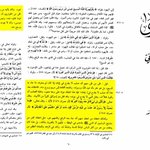
Ibn Taymiyyah is amazing, modern computer scientists (like John Sowa) have noted that Ibn Taymiyyah’s aggressive critique of strict Aristotelian logic, where he favored situational analogy (Qiyas al-Tamthil) and learning incrementally from specific data points, uncannily models the exact way Modern Artificial Intelligence and Machine Learning algorithms operate today. Instead of following rigid rules, they learn patterns dynamically from historical data.
The links to the resources:
share.google/GYlcjkEJin9ac00…
share.google/SkWr59jeLMHkT14…


The Gospel of Mark is anonymous, here the scholarship for it

As we know, the Gospel of Mark starts with no identification of the author, nowhere in the Gospel does Mark identify himself as the author, that is a latet tradition quoted by Eusebius and attributed to Papias that Mark wrote a certain text as Peter's "interpreter".
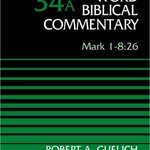
Robert A. Guelich, states that the Second Gospel Mark is anonymous, and does not allude to Authorship.


Very beneficial read
How does Islam explain successful exorcisms by non-Muslims?
Based on Dr. Bilal Philips, Exorcism in Islam (doctoral dissertation), pp. 203-210
The question:
Christians have performed exorcisms for centuries. If Islam considers Christianity false, how does it explain the ones that seem to work?
Does Islam accept the exorcisms of Jesus?
Yes. Islam recognizes the exorcisms of Jesus (عليه السلام) and his true followers as consistent with Islamic and Mosaic tradition. In the Islamic view he exorcised by the will of God, and so did his disciples. Philips adds that they did it in the name of God, not in Jesus' name as the Gospels record it.
What about exorcists today?
Those who exorcise in the name of Jesus or Muḥammad ﷺ are classed with pagan exorcists who use their gods' names or sorcery. The possessing spirits are fundamentally evil, so they leave when shirk is done in their presence. Their leaving strengthens the exorcist's and the audience's belief that their creed and method are right.
So the jinn leave of their own free will, having achieved what Satan promised:
[Satan] said, "Because You have sent me astray, I will surely sit in wait against them on Your straight path. Then I will come at them from their front and from behind them, from their right and from their left, and You will not find most of them dutiful to You."
Sūrat al-Aʿrāf 7:16-17
"O my Lord, because You sent me astray, I will surely beautify the path of error for them on earth, and I will mislead them all."
Sūrat al-Ḥijr 15:39
"Then by Your might, I will surely mislead them all."
Sūrat Ṣād 38:82
Why do possessed people react to the cross or holy water?
Philips argues the reaction is put on by the spirit. It tricks the exorcist into thinking these symbols have power over spirits, and it reassures him that belief in the divinity of Christ, which Muslims consider the greatest shirk, is correct. The exit may be quick or slow. When there's a chance for a show, the jinn will put one on to leave a lasting impression on the witnesses.
What about Muslim exorcism?
Where only Allah is called upon, with no partners and no attributes given to others, the evil jinn are defeated and driven out by the force of truth.
Did early Christians recognize this?
Philips quotes Justin Martyr, a second-century Christian, speaking to Trypho the Jew:
"For every demon, when exorcised in the name of this very Son of God, is overcome and subdued. But though you exorcise any demon in the name of any of those who were amongst you, either kings, or righteous men, or prophets, or patriarchs, it will not be subject to you. But if any of you exorcise it in the name of the God of Abraham, and the God of Isaac, and the God of Jacob, it will perhaps be subject to you."
Justin, Dialogue with Trypho 85
Philips says this recognizes calling on God alone as a successful method, and that it became central to Christian exorcism by the start of the fourth century.
So where does the power come from?
From Allah alone, not from any creature. It is by His name that devils are actually driven out. In other names, the devils leave of their own will, or because the body or mind becomes unlivable as a result of treatment such as drugs, electric shock or physical abuse.
Also see: islamicdiscourse.substack.co…
Goates retweeted
If the early followers of Christ including the disciples believed that Jesus died, it doesn't contradict Islam
In his Majmu al Fatawa, Shaykh ul Islam Ibn Taymiyyah explains that any of the early Christians belieiving in the crucifixion is not a nullifier of their belief in the islamic paradigm, this is because the death of Jesus as reported in the Quran was not revelation at the time, therefore they would have had no blame on them for simply belieiving in the death of the Messiah.
“It was said: The assumption made by some of them that he was crucified does not undermine their faith—so long as they did not distort what the Messiah brought, but rather affirmed that he was a servant of God, His messenger, His word which He cast unto Mary, and a spirit from Him. In that case, their belief that he was crucified does not invalidate their faith. For this is merely a belief about the manner of his death; and the furthest meaning of crucifixion is that it would have been a form of killing. And the killing of a prophet does not nullify his prophethood. Indeed, the Children of Israel killed many prophets.
God the Exalted said:
“How many a prophet fought, and with him were many godly men…”
(Āl ʿImrān 3:146)
And He said:
“Muhammad is but a messenger; messengers have passed away before him. So if he dies or is killed, will you then turn back on your heels?”
(Āl ʿImrān 3:144)
Likewise, the belief of those among them who thought that he came to them after being raised up, and spoke to them, is similar to the belief held by many Muslim shaykhs that the Prophet (ﷺ) came to them while they were awake. They are not declared unbelievers for this. In fact, some of the people who held this belief were among those who followed the Sunnah and followed him (the Prophet ﷺ) the most, and were greater than others in asceticism and worship. Some people would come to him thinking he was the Messenger of God. This was merely an error on their part and does not render them disbelievers.
Similarly, the belief of those disciples who thought that the one they saw was indeed the Messiah does not expel them from belief in the Messiah, nor does it undermine what they transmitted from him.
And when ʿUmar (may God be pleased with him) believed that the Prophet (ﷺ) had not died but had gone to his Lord, as Moses had gone, and that he would not die until his companions had died—this was not something that harmed his faith. It was only a mistake, and he later retracted it.”
Source : (Majmu al Fatawa, Ibn Taymiyyah, Volume 13)

As we know, the Gospel of Mark starts with no identification of the author, nowhere in the Gospel does Mark identify himself as the author, that is a latet tradition quoted by Eusebius and attributed to Papias that Mark wrote a certain text as Peter's "interpreter".
Robert A. Guelich, states that the Second Gospel Mark is anonymous, and does not allude to Authorship.
The Anchor Bible Dictionary states:
The gospel itself is anonymous; we receive no hint from its contents about its author. Had the author‘s identity been important for understanding the message, as was the case, for example, with the epistles of Paul, we would surely have been provided with the name in the gospel itself.


Goates retweeted
As we know, the Gospel of Mark starts with no identification of the author, nowhere in the Gospel does Mark identify himself as the author, that is a latet tradition quoted by Eusebius and attributed to Papias that Mark wrote a certain text as Peter's "interpreter".
Robert A. Guelich, states that the Second Gospel Mark is anonymous, and does not allude to Authorship.
Goates retweeted
In his Majmu al Fatawa, Shaykh ul Islam Ibn Taymiyyah explains that any of the early Christians belieiving in the crucifixion is not a nullifier of their belief in the islamic paradigm, this is because the death of Jesus as reported in the Quran was not revelation at the time, therefore they would have had no blame on them for simply belieiving in the death of the Messiah.
“It was said: The assumption made by some of them that he was crucified does not undermine their faith—so long as they did not distort what the Messiah brought, but rather affirmed that he was a servant of God, His messenger, His word which He cast unto Mary, and a spirit from Him. In that case, their belief that he was crucified does not invalidate their faith. For this is merely a belief about the manner of his death; and the furthest meaning of crucifixion is that it would have been a form of killing. And the killing of a prophet does not nullify his prophethood. Indeed, the Children of Israel killed many prophets.
God the Exalted said:
“How many a prophet fought, and with him were many godly men…”
(Āl ʿImrān 3:146)
And He said:
“Muhammad is but a messenger; messengers have passed away before him. So if he dies or is killed, will you then turn back on your heels?”
(Āl ʿImrān 3:144)
Likewise, the belief of those among them who thought that he came to them after being raised up, and spoke to them, is similar to the belief held by many Muslim shaykhs that the Prophet (ﷺ) came to them while they were awake. They are not declared unbelievers for this. In fact, some of the people who held this belief were among those who followed the Sunnah and followed him (the Prophet ﷺ) the most, and were greater than others in asceticism and worship. Some people would come to him thinking he was the Messenger of God. This was merely an error on their part and does not render them disbelievers.
Similarly, the belief of those disciples who thought that the one they saw was indeed the Messiah does not expel them from belief in the Messiah, nor does it undermine what they transmitted from him.
And when ʿUmar (may God be pleased with him) believed that the Prophet (ﷺ) had not died but had gone to his Lord, as Moses had gone, and that he would not die until his companions had died—this was not something that harmed his faith. It was only a mistake, and he later retracted it.”
Source : (Majmu al Fatawa, Ibn Taymiyyah, Volume 13)
Goates retweeted
Ibn Taymiyyah is amazing, modern computer scientists (like John Sowa) have noted that Ibn Taymiyyah’s aggressive critique of strict Aristotelian logic, where he favored situational analogy (Qiyas al-Tamthil) and learning incrementally from specific data points, uncannily models the exact way Modern Artificial Intelligence and Machine Learning algorithms operate today. Instead of following rigid rules, they learn patterns dynamically from historical data.
The links to the resources:
share.google/GYlcjkEJin9ac00…
share.google/SkWr59jeLMHkT14…