

GALOOL Forum waa madal lagu curiyo doodaha maan-shiilka ah, lagu baraarujiyo shacabka Soomaaliyeed, laguna falanqeeyo arrimaha siyaasadda iyo masiirka ummadda.
Somalia
Joined June 2024
- Tweets162
- Following80
- Followers971
- Likes149



Pinned Tweet
Minister @AhmedMoFiqi interview with Voice of America Journalist.
The agenda of the Somali Federal Government (FGS) is clear and has always been: Somaliland is an integral part of Somalia, as one of its regions. While some individuals in Somaliland have grievances and complaints, the FGS is ready to negotiate and engage in dialogue to foster mutual understanding. We are one people, one country, and we must go through this process together.
When a journalist asked about the visit of the so-called Somaliland leader to the United Arab Emirates (UAE), he responded: “This is no different from other Somali regional leaders traveling to foreign countries. For example, Jubaland leader Ahmed Madobe recently traveled to Kenya, despite the Somali Federal Government's disapproval, and others have done the same. He continued, This is the current situation, but Somaliland remains part of Somalia.”
The journalist then asked about the current relationship between the FGS and the UAE. The minister replied: Our relationship is not bad, but certain issues need to be addressed. The FGS will take appropriate measures, as Somalia will not compromise its sovereignty by allowing external interference aimed at dividing its people. He added, “There are also a few countries pushing this agenda, but we have a strategic policy in place to address it”.
This statement reflects the minister’s words, which were originally spoken in Somali. The Galool Forum translated his remarks into English. We are only responsible for the accuracy of our translation, not for how it is understood or interpreted by others. below is minster’ remarks👇
For over 21 years, the Dervish State of Somalia stood against three empires. Britain, Italy, and Ethiopia. And at the centre of that resistance was Sayyid Mohammed Abdullah Hassan. A poet, a strategist, and a leader who refused to surrender his land, his people, or his identity.
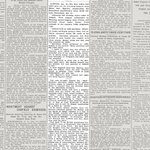
A January 12, 1904 @nytimes report cited British claims that 1,000 Somali Dervishes were killed at Jidbali—mostly during pursuit as they fled. Many prisoners and 400 rifles were taken. A stark account of the human cost of Britain’s colonial war in Somalia.


Britain must answer for colonial massacres in Somalia, including at Taleh, and atrocities during its war against the Dervish movement. Somalis deserve justice: an official apology, reparations and full compensation for civilian deaths and destroyed livelihoods.
@UKinSomalia


“British colonial in Somalia not only exiled Sultan Mohamoud Ali Shire to the Seychelles, but also up to 400 Dervish prisoners—none of whom ever returned.
@shaale1969 at @GaloolForum

“During Farmaajo’s government, and that time Osman Dubbe was a minister of post and tourism, refused to provide Taleh Heritage Foundation with a letter required by UNESCO for its work documenting history and preserving cultural heritage in Somalia”
Historian @shaale1969

The Dervish state did not oppress its people. Every government has laws, but colonial authorities used its enforcement of those laws as propaganda to turn people against the Dervishes.”
— Historian Mohamed Guutaale,

British colonial forces not only killed thousands of civilians but also destroyed livelihoods by seizing livestock, poisoning water sources and burning grazing lands.


Join us tomorrow, Sunday, 15 November, at 8:00 p.m. Somalia time for an X Space with historian Mohamed Guutaale @shaale1969 hosted by journalist and Nagaad TV director Qasim Waddani @WaddaniT
Xasuuqii Qarsoonaa ee Gumeystaha Ingiriiska: Dagaalkii Daraawiishta iyo Dhibaatooyinkii Ka Dhashay (1900–1921)
(The Hidden Massacre of British Colonialism: The Dervish War and Its Aftermath, 1900–1921). Nagu soo bidha, wixii sualo, faalo sixid iyo dhaliil waa furan yihiin.

174
Xasuuqii Qarsoonaa ee Gumeystaha Ingiriiska: Dagaalkii Daraawiishta iyo Dhibaatooyinkii Ka Dhashay (1900–1921)
(The Hidden Massacre of British Colonialism: The Dervish War and Its Aftermath, 1900–1921). Nagu soo bidha, wixii sualo, faalo sixid iyo dhaliil waa furan yihiin.


