

Co-Founder & CEO @HangCopilot
New York, NY
Joined May 2015
- Tweets672
- Following930
- Followers1.1K
- Likes1.2K






Pinned Tweet
Loyalty programs are god-awful and customer engagement is broken.
There, I said it.
My goal for 2024 is to expose just how bad it’s gotten and provide solutions on how to fix it. So, I’ll be starting to post a lot more about how to create better loyalty experiences for brands and customers alike.
So, what is the issue with the way loyalty programs are run right now?
Well, they’re:
→ Single channel
→ Super transactional
→ Follow a one-size-fits-all structure
→ Complicated
→ Not engaging
But we believe at @HangLoyalty, loyalty should be just that: an experience. It’s easy to tear down the existing system, and I’m not here to be critical without offering a solution.
Here’s how we see loyalty programs:
→ Multi-channel
→ Rewards earned quickly
→ Hyper-personalized to individual habits
→ Create high perceived value while costing little (driving meaningful ROI)
→ Dopamine-driven rewards psychology (quick loop)
If you want to learn more about how to build a loyalty program that doesn’t suck (and gets your customers coming back consistently), drop a follow.

Matt Smolin retweeted

we spent most of 2025 trying to make Ribbon work.
it taught us a lot about Shopify, merchants, and the difference between polite interest and real pull.
those lessons led us to Shoptin.
today, we’re launching publicly.
A NYC bar promised to cover every tab if the Knicks win, then set it up to profit when they do.
How? They hedged it for $5K on Kalshi.
Probably a Kalshi-sponsored activation. And not new… Mattress Mack's been hedging like this for years.
But it's the start of something far more scalable.
Because who wouldn't bite: buy a sandwich, and if your team wins, it's free. Worst case, you bought lunch. Best case, your team picks up the check.
Futures market APIs like Kalshi and Polymarket now let brands do this at scale, across guests, markets, and outcomes.
Instead of one operator betting on the Super Bowl, a chain in 20 markets can hit guests in each city with an offer tied to their team and come out fully hedged. The second it sends, it's covered. Two markets playing each other? Hedge one city's guests against the other's.
But hedging is only half of it.
To run this, you have to project redemptions accurately enough to size the bet. A bar owner eyeballs one night.
Doing it across hundreds of locations and dozens of outcomes, fast enough to hedge the second an offer sends, is where the AI comes in. And it's not magic, it's prediction: scoring how likely each guest is to redeem, across millions at once, tight enough that the hedge stays cheaper than the upside. That's the whole game.
And the real kicker: it works best on an underdog, like the Knicks, since the longshot is cheaper to cover. Who doesn’t love rooting for an upset? A free meal and a miracle. Size it right, and the brand clears more than it gave away.
Everyone wins. I wouldn't be surprised if we start seeing more outcome based promos come football season.


Been cooking up some new stuff @HangLoyalty. Check out our ChatGPT-like product that puts a data analyst into every restaurant operator's pocket.
Ask any question about your business in natural language—get back answers & insights instantly.


Customers are tired of email & SMS messages.
When most marketers think of customer engagement & retention, they default to lifecycle marketing campaigns sent via email or SMS.
But these channels are noisy and saturated – it’s difficult to stand out.
Rather than compete for visibility in a crowded channel, we’re building a CX catalog at Hang to enable marketers to expand far beyond email & SMS to engage & retain customers.
We offer a variety of engagement features that can fit into any brand’s existing marketing stack, whether that be an existing app, email/SMS channels, or directly at the point of purchase.
Features including:
- Mystery Boxes
- Gated Minigames
- Gamified Online Shopping
- Geofenced Experiences
- Quests & Challenges
- Raffles
- Experiential Referrals
- Interactive Emails
- Automated Push Notifications
- Apple Wallet Passes
- Progressive Web Apps
If you’re looking to offer your customers more ways to engage, shoot me a DM! Let's chat.

One of the biggest issues with loyalty today is that it’s almost entirely passive.
Most loyalty platforms out there automatically give points to customers simply for using the same credit card, whether they realize they’re in the loyalty program or not. Spend money, then earn points, which you forget about, only to realize on your next purchase that you have free credit to use, which is ultimately a cost center for brands.
No thanks.
Loyalty should be active.
It should be something customers are participating in consistently and thinking about outside of the transaction alone.
Customers in loyalty should take an incremental action because they know to expect something valuable on the other side.
Loyalty should be a verb, not a noun – something customers are actively doing. That’s what true engagement means.
Segmentation in marketing campaigns is broken.
In most cases, brands start with a segment of customers they deem to be similar by some set of characteristics, which they then use to inform some sort of promotion (i.e. send out a 50% off coffee promo after 2pm to customers who typically only order in the mornings in an effort to drive a new behavior).
In reality, every customer is different, and it’s impossible to truly personalize promotions and messaging based on a few pieces of information you know about them.
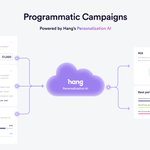
@HangLoyalty , we’ve introduced a new Smart Segmentation promo tool in our CRM platform that uses AI to optimize the promotion distribution to customers deemed most likely to redeem it. By optimizing who gets which rewards, promotions can not just drive top-line revenue, but also reduce costs.
Rather than starting with the segment and choosing a promotion, we can start with promotions and optimize to the right segments (or more specifically, individuals).
Let’s say your restaurant has too much extra guacamole and you need to push it out within the next day. Rather than blast a “free guac today” promotion to everyone, the system will automatically push out the promotion to the subset of customers most likely to redeem it, all directly through our POS integrations.
The principle can be applied at a much larger scale. Over time, the platform learns which promotions are most effective, automatically sends personalized promotions to the right customers, and can even suggest promotions to run.
All the marketer needs to do is set the target parameters (i.e. number of redemptions, reward budget, time period), and Hang does the heavy lifting of optimizing the objective (i.e. incremental revenue, minimized cost, or an ROI target).
If you’re interested in learning more about our Programmatic Promos and Smart Segmentation tools, DM me – we’d love to chat!

Starbucks was widely lauded as a trailblazer in the customer loyalty space, offering an easy-to-use mobile app with built-in online ordering. But that’s now changing.
In the US, 31% of Starbucks’ sales now come from the mobile order and pay feature. @TrungTPhan explains that while this capability has enhanced convenience for customers, allowing people to obtain their morning coffee as quickly as possible with no human interaction required, it’s worth remembering that former CEO Howard Schultz originally built Starbucks as a "Third Place" – a community hub where people could gather outside of home or work.
This "Third Place" ethos justified Starbucks' premium prices by offering not just a decent product but also modern interiors and a welcoming environment. However, the increasing digitalization of the business is slowly eroding the brand's soul. Ironically, while the mobile app offers convenience, it has often contributed to longer wait times and has diminished the communal experience that once defined Starbucks.
This technological shift has turned baristas from quasi-artisans into assembly line workers, and often to the detriment of product quality. Meanwhile, mom-and-pop cafes have been able to gain market share by successfully capturing the old "Third Place" vibe that Starbucks is losing.
When rethinking customer loyalty strategies centered around the digital experience, It’s crucial to address this loss of the "third space" – those intimate brand-customer relationships.
While loyalty apps bring numerous benefits, they shouldn't come at the expense of a personalized customer experience or the sense of community fundamental to the cafe experience.
There are ways to restore these connections without sacrificing scale via features like AI-powered personalized rewards, immersive multiplayer games, and compelling referral programs. These elements not only engage customers but also rebuild the communal atmosphere that fosters loyalty.
To preserve close brand-customer relationships in the face of rapid digitization, it’s crucial for brands to balance digital convenience with the personal touch that makes them memorable for customers.

The Starbucks Reward app is a juggernaut: 34m users and ~$2B of stored funds (which Starbucks is effectively paid $200m+ a year to hold).
But mobile orders are now 31% of US sales and focus on grab n’ go is ruining in-store experience.
I explain why here:readtrung.com/p/starbucks-di…

When discussing loyalty programs with restaurant marketing executives, a common issue is increasing in-store opt-in rates – getting more customers to sign up for the program while they are in the restaurant. How can they solve this?
The key is to simplify the enrollment process.
Customers should be able to sign up in the most frictionless way possible. Ideally, all they should need to provide is their phone number, without the need for a password or other unnecessary information. Additionally, it's important to offer multiple methods for customers to sign up, like:
- Entering their phone number at checkout
- Scanning a QR code in the store
- Clicking a referral link from a friend
- Clicking a link distributed via social media or other digital communication channels
Once a customer has signed up by providing their phone number, you can then create incentive structures to collect additional valuable information, such as their birthday, email address, or social media handles. This data benefits both the business and the customer – for the business, it allows for tracking more actions and integrates all customer data into one place. For the customer, it means receiving more personalized experiences tailored to their tastes and preferences.
While loyalty is top of mind for brands today, so many programs are disconnected from POS systems, leading to friction surrounding enrollment, earning rewards, redemption, and tracking.
Integrating loyalty programs directly with your POS system is critical in streamlining the process of rewarding customers and drives repeat business. A direct integration allows brands to automatically update customer profiles with points or rewards earned during purchases, eliminating manual tracking, and consolidating loyalty points from both online and in-store transactions.
Some key benefits include:
1. Data and Insights
- Comprehensive Data: Store valuable data in customer profiles, including purchase history, customer lifetime value, etc.
- Contact Information: Collect comprehensive customer contact details to launch targeted marketing campaigns across every channel.
2. Tracking
- Enrollment Metrics: Measure the total number of enrolled customers to gauge the effectiveness of your signup efforts.
- Sales Analysis: Track the percentage of sales from enrolled customers to assess your loyalty program’s impact on repeat business, AOV, and customer LTV.
3. Higher Order Values
- Increased spend: Customers close to earning rewards may be incentivized to add more items to their order.
- Upselling: Motivate purchases of higher-priced items through exclusive discounts, boosting order values and revenue.
A direct POS integration ensures that all customers who make a purchase are exposed to your loyalty program, facilitating frictionless enrollment and reward redemption. This seamless process enhances engagement, encouraging frequent returns and higher spend per visit, moreover enhancing customer relationships by helping businesses easily gather insightful data.
The term "gamification" is chronically misunderstood. Many people associate it with video-game-like experiences, such as Roblox, but gamification can be much simpler and more subtle. It’s about integrating immersive experiences and better progression systems into the customer journey.
Effective gamification involves creating product loops that incentivize actions and reinforce them in real-time. This reinforcement encourages customers to repeat these actions because they find value in them, whether it’s a reward or a sense of excitement and meaning. Unfortunately, most restaurant gamification efforts fail because they don't provide immediate reinforcement or a clear progression, causing customers to lose interest.
When done right, gamification enhances the customer experience by making it more enjoyable and incentivizing. At @HangLoyalty , we design our programs with this in mind, ensuring they drive truly incremental actions rather than just offering rewards for actions that would have happened regardless.
Interested in seeing gamification in customer engagement done right? Shoot me a DM — I’d love to show you a demo!

As we discussed last week, Gen Z’s massive spending power is reshaping brand strategies across every consumer industry. Here’s how some brands are responding:
* Caribou Coffee is creating a dating show on TikTok.
* Bojangles is launching Instagram-famous menu items like Bo-Berry cookies.
* Chicken Salad Chick is tapping local influencers for improved imagery and virality.
While these are good first steps, the companies that will truly win the Gen Z market will be those that rethink their entire customer experience, with a focus on digital engagement.
Gen Z is the first generation to grow up with smartphones. Viral mobile apps like Duolingo, Clash of Clans, and Strava show that gamified experiences and a sense of community are key to retention. Restaurants of the future will need to offer digital experiences that are both fun and community-driven, blending online and in-store interactions into a cohesive, engaging journey.
Gamification is crucial, but so is integrating all customer touchpoints. Whether it’s ordering online, dining on-premise, engaging on social media, or participating in branded events, the experience needs to be seamless and consistently engaging. For Gen Z, great food isn’t enough; the overall customer experience must be meaningful and memorable.
At @HangLoyalty , we allow brands to also offer rewards for non-purchase actions, such as engaging on social media, completing branded challenges, playing minigames, or referring friends. Brands can even offer gated specialty products or experiences to the most loyal customers to create a sense of exclusivity and “VIP treatment” for their superfans.
We provide the tools for any brand to undergo a true digital transformation and redefine their engagement with customers across every touchpoint. If you’re a restaurant looking to adapt your digital strategy for the modern consumer, I’d love to tell you more– DM me!
Matt Smolin retweeted

🚀 earning points and redeeming your rewards at checkout has never been easier with our new unified flow – out now across all @HangLoyalty-powered apps ✨

Cracker Barrel, the classic roadside country store we all know and love, is working to regain its iconic status by revamping its brand and business model in light of a 4% decline in sales last quarter – their new CEO is focusing on digital technology and off-premise capabilities. One key initiative is the new Cracker Barrel Rewards program, which launched in mid-September and has already attracted nearly five million members.
They aren’t alone – many once-iconic restaurants face similar challenges and must adapt to meet the needs of modern consumers. Investing in digital solutions is essential for keeping pace with this evolution.
While Cracker Barrel's rewards program is a positive step, getting people to enroll is only one piece of the puzzle. Traditional points-based systems can be too slow and transactional, often failing to maintain customer engagement. The time between when an action is taken (like a purchase) and when the reward is actually realized by a consumer is too long – no one is thinking about a free entree they could earn 10 visits from now.
The best loyalty programs offer real-time, visceral rewards.
For example, if I know I’m going to get a mystery gift with some sort of reward after every purchase, I’m far more likely to take the incremental action (i.e. choosing Cracker Barrel over an alternative). By shortening the timeline between action and reward, programs enhance the customer experience and drive truly incremental behavior. This approach not only makes programs more engaging and fun, but also drives increased visit frequency and customer spend.
Digital investment in a rewards program is a good start, but there are better ways to create incentive structures that deliver real value for both businesses and customers. In today’s digital age, with consumers' shorter attention spans, loyalty programs must evolve.
Interested in learning more about how we’re rethinking loyalty for modern restaurant businesses at @HangLoyalty ? Shoot me a DM –let’s chat!
nrn.com/family-dining/cracke…
While Shopify is a robust platform powering countless E-commerce businesses, there's a significant gap in how loyalty programs are integrated within the purchase funnel, hindering customer engagement and incremental revenue.
While shopping, most customers don’t know the number of points they earn per transaction and how these points correlate with rewards. As such, the incentive to increase cart size is severely weakened, as the rewards system is vague and disconnected.
This leads to underutilized loyalty programs that fail to drive incremental value. It's a missed opportunity for businesses to drive repeat purchases and build long-lasting customer relationships.
We’ve created an ecomm experience that is easy to understand and uniquely engaging. Imagine a system where customers can see how their current shopping affects their rewards in real time – our onscreen mystery box widget highlights the rewards customers can access based on their cart size, motivating them to increase order value and check out.
Features like this revolutionize the shopping experience, making it interactive and genuinely rewarding.
Interested in discussing innovative loyalty solutions for Ecommerce? DM me for insights and strategies to make loyalty programs actually work for your business.
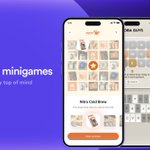
We have seen mini games as a genius way to engage with customers and drive value for restaurant brands.
Imagine tying customer actions like purchases to unlock lives or levels in a game, offering tangible rewards for winning – ultimately benefiting both the restaurant and the consumer.
We've witnessed the incredible potential firsthand with one of our games, a branded version of Wordle. Players have three guesses and can unlock rows 4 and 5 by visiting a store and checking in, driving a whopping 65% of users to return to the app the following day.

Struggling to make sense of the disconnect between orders placed through 3rd party delivery platforms and your restaurant's own customer database?
At a recent restaurant conference, the frustration was palpable— no one seemed to have a solution. Orders from platforms like Uber Eats often appear as "dead rows" in the POS or customer database, leaving restaurant owners completely in the dark about customer behavior and preferences.
Considering that 20-30% (and sometimes more) of restaurant orders nowadays are placed through 3rd party delivery apps, this results in a large volume of invaluable customer data being lost in the shuffle.
At @HangLoyalty, we've built a way to attribute 3rd party delivery orders, empowering restaurants to regain control over their data and gain deeper insights into customer actions. The best part? You don't need to use Hang for loyalty to take advantage of this innovation.
Ready to shine a light on that elusive 20-30% of customers arriving via delivery apps? DM me and let's explore how we can revolutionize your restaurant's omnichannel understanding.

In the rush to scale in the digital age, many brands have traded the intimate customer experience of the local mom-and-pop for broader reach, inadvertently losing that special touch that makes customer relationships truly meaningful.
Today's lifecycle marketers face a daunting challenge:
How do you preserve the warmth and personal connection of real-world interactions in an impersonal digital landscape? Until now, the tools at their disposal have been limited—relying on passive data analysis in CRMs or impersonal texts and emails.
At the same time, brands find themselves bottlenecked by engineering resources, navigating lengthy roadmaps to implement new customer experience strategies – if they have access to an engineering team at all.
We’ve created a platform that empowers marketers to craft and control their customers’ digital experiences firsthand. Hang offers marketers an extensive suite of modules that are fully customizable and can be seamlessly integrated into a brand's customer journey, providing a native and cohesive experience.
@HangLoyalty gives brands the tools to deliver personalized and engaging digital experiences with ease, enabling them to cultivate meaningful relationships with their customers.
It was great to speak with @glossyco about our work with Ulta Beauty to create immersive and engaging loyalty experiences for their customers.
The minigames have been especially fun, with 86% of playing customers retained week over week.

Beauty retailer Ulta Beauty has partnered with gamified loyalty program company Hang to pilot a new gamified loyalty program called GlamXplorer, currently available to a select group of Ulta Beauty Rewards members. buff.ly/3K5MB65