

750+ former EPA scientists, experts & leaders —bringing decades of expertise to protect public health and our environment.
Washington, DC
Joined August 2024
- Tweets534
- Following165
- Followers147
- Likes14


Pinned Tweet
As EPA weakens protections against pollution, families face greater risks.
Safer, Not Sicker is a national campaign bringing trusted expertise to help Americans understand what’s changing, what’s at stake, and how they can take action.
Learn more at safernotsicker.org
What does AI growth mean for the air people breathe?
Former EPA experts Dr. Lynn Goldman and Walter Mugdan joined @MTLegalAF to discuss EPN’s report on the pollution from powering AI data centers and how those health costs are being passed on to families.
youtube.com/watch?v=0rWNsWf4…
The Hidden Health Costs of AI Data Centers explains the harms of data center pollution and documents at least 30 federal actions that could increase health risks. Read the report: safernotsicker.org/take-acti…

What can parents do about toxic exposure – and where do individual choices fall short?
Learn where risks can arise, why timing matters, and why federal safeguards are essential for Mothers, Babies, and Children: safernotsicker.org/resources…

Environmental Protection Network retweeted
EPA says it has taken 100 actions to protect children’s health. But are children more protected?
Counting activities is not the same as preventing pollution. Kids need strong safeguards, not just information about the risks they face.
Read EPN’s response: environmentalprotectionnetwo…

EPA says it has taken 100 actions to protect children’s health. But are children more protected?
Counting activities is not the same as preventing pollution. Kids need strong safeguards, not just information about the risks they face.
Read EPN’s response: environmentalprotectionnetwo…
When EPA weakens pollution safeguards, North Carolina families could pay the price.
Thank you @thatreporter for highlighting what EPA rollbacks and delays could mean for people across the state.
Read @WRAL's coverage: wral.com/news/local/epa-roll…

Read the full North Carolina Left Exposed report: safernotsicker.org/nc
A new Safer Not Sicker report examines how federal rollbacks and delays are raising pollution risks in North Carolina, while shifting more burden to the state and families.
Read and share the report informed by former EPA experts and scientists: safernotsicker.org/nc


Children’s health is at risk as EPA pulls back protections against harmful pollution.
Get a snapshot of how weakened safeguards on air pollution, PFAS and pesticides could put kids in danger: safernotsicker.org/resources

Parents make countless choices to keep their kids healthy. But no family can control the air, water or every exposure their child encounters. On Children’s Environmental Health Day, remember: strong pollution safeguards help give every child a healthier place to grow.


The Clean Air Act was written to protect people from pollution. Exxon and Suncor want the Supreme Court to use it to block a Colorado community's lawsuit.
Former EPA officials who enforced that law say the companies have it backward. EPN's Marc Boom explains.
A weed killer linked to liver cancer in farmers is back on U.S. fields – and its maker, Bayer, got to pick the rules.
Dicamba can vaporize and drift far from where it’s sprayed. Courts rejected its approval twice. This year, EPA approved it again.
EPN’s Peter Murchie explains.
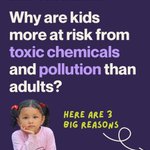
Your child faces greater risks from toxic chemicals and pollution than you do. Why? Their size, stage of development and everyday exposure.
Pollution safeguards must account for these differences. This Children’s Health Month, learn about risks where kids live, learn and play.


Environmental Protection Network retweeted

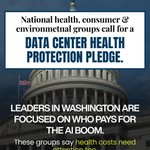
NCLC has joined @EnviroProtNet and a coalition of health, enviro and consumer orgs calling on the Trump Administration to develop a Data Center Health Protection Pledge and urging Congress to consider health and electricity costs of AI data centers.
environmentalprotectionnetwo…

Leaders in Washington are focused on who pays for the AI boom. Electricity isn’t the only cost families can face. They shouldn’t have to pay avoidable health costs from added pollution either. Decisions about where data centers go and how they’re powered need to account for both.


“Forever chemicals” can move through wastewater and end up in your family’s food, water, and yard. EPA’s guidance is voluntary, with no federal testing requirement or enforceable limits.
Tell EPA to stop PFAS pollution at the source before it puts our health at risk. Link below.


See what EPA’s voluntary guidance leaves unaddressed and make your voice heard before the October 5 deadline: safernotsicker.org/take-acti…
Polluters save billions. Families pay the price. Sound fair?
Joe Goffman, former EPA Assistant Administrator, explains how repealing carbon limits for power plants could shift pollution’s costs onto families through greater health risks.
What should EPA’s priorities be? 👇
What if the biggest cost of AI isn’t on your electric bill?
Coal, gas and diesel used to power data centers releases pollution linked to asthma, heart and lung disease and early death. As demand grows, strong safeguards matter more, not less.
Read the report at the link in bio.


