
Gao Feng Advisory Company
Hong Kong
Joined September 2019
- Tweets5.3K
- Following1.3K
- Followers330
- Likes17.5K








Edward Tse retweeted

LES 100 ÉCOLES DE PENSÉE : LES 7 SAGES CHINOIS QUI GOUVERNENT ENCORE LE MONDE
On croit que la Chine d'aujourd'hui, c'est le communisme. C'est faux.
La Chine d'aujourd'hui, c'est 7 philosophes qui se disputent depuis 2500 ans dans la tête de chaque Chinois. Et sans le savoir, ils gouvernent aussi ton téléphone, ton business, ta façon de penser.
Il y a 2500 ans, en Chine, c'est le chaos. Les royaumes se font la guerre. C'est ce qu'on appelle les 100 Écoles de Pensée. C'est comme Athènes, mais en Chine.
Voici les 7 qui ont gagné :
1. CONFUCIUS - L'ORDRE PAR LA MORALE
Pour lui, le chaos vient du fait que chacun a oublié son rôle. Le père doit protéger, le fils doit respecter, le dirigeant doit être juste.
Sa phrase : "Quand le dirigeant est juste, le peuple le suit sans qu'on le lui ordonne."
C'est lui qui a créé la Chine du respect, de l'éducation, de la discipline. Singapour, Corée, Japon ont bâti leur miracle économique sur lui.
2. LAOZI - LE CONTRAIRE DE CONFUCIUS
Laozi dit : "C'est justement vos règles qui ont créé le chaos."
Il écrit un petit livre de 5000 mots, le Tao Te Ching, le livre le plus traduit au monde après la Bible.
Son idée : ne force pas. Sois comme l'eau. L'eau ne casse pas la pierre, elle la contourne et elle finit par la percer. C'est le Wu Wei, agir sans forcer.
Steve Jobs dormait avec ce livre sur sa table de nuit. Tout le "lâcher-prise", le "flow", la méditation, ça vient de lui.
3. ZHUANGZI - LA LIBERTÉ ABSOLUE
C'est le disciple fou de Laozi.
Il rêve qu'il est un papillon. Il se réveille et il se demande : "Est-ce que je suis Zhuangzi qui a rêvé qu'il était un papillon, ou est-ce que je suis un papillon qui rêve qu'il est Zhuangzi ?"
Pour lui, tout est relatif. Le bien, le mal, le grand, le petit, ça dépend de ton point de vue. La vraie sagesse, c'est de ne pas s'attacher à ses certitudes.
C'est le philosophe des artistes, des rebelles, de ceux qui refusent de servir un pouvoir corrompu.
4. SUN TZU - GAGNER SANS SE BATTRE
Tout le monde connaît L'Art de la Guerre. Personne ne l'a compris.
Ce n'est pas un livre pour faire la guerre. C'est un livre pour l'ÉVITER.
Sa phrase : "Le meilleur général est celui qui gagne sans jamais avoir à se battre."
Si tu dois te battre, c'est que tu as déjà perdu. Il faut gagner par l'information, la patience, la psychologie.
Aujourd'hui, il est enseigné dans toutes les écoles de business, dans l'armée américaine, dans la Silicon Valley. Quand un PDG dit "connais-toi, connais ton concurrent", c'est Sun Tzu.
5. MENCIUS - LE PEUPLE EST PLUS IMPORTANT QUE LE ROI
C'est le successeur de Confucius, mais beaucoup plus dangereux.
Il dit : "Le peuple est ce qu'il y a de plus important dans un pays. Après vient la terre. Le roi est le moins important."
Si le roi est un tyran, le peuple a le droit de le renverser. C'est la première théorie du droit de révolte, 2000 ans avant la Révolution française.
6. HAN FEIZI - LA LOI, PAS LA MORALE
L'anti-Confucius total.
Il dit : "Arrêtez de parler de vertu. Les hommes sont égoïstes. Ils ne respectent que deux choses : la récompense et la punition."
Il ne faut pas compter sur un bon roi. Il faut des lois claires, dures, pour tout le monde.
C'est lui qui a inspiré le premier empereur de Chine, celui qui a brûlé les livres de Confucius et unifié la Chine par la force.
7. MOZI - L'AMOUR UNIVERSEL
Le plus oublié, mais le plus moderne.
Il dit : "Pourquoi aimer d'abord sa famille, ensuite son village ? Il faut aimer tout le monde de la même façon."
Et arrêtez de gaspiller l'argent dans les cérémonies, les tombes de luxe, les guerres. Investissez dans ce qui aide le peuple : agriculture, machines, écoles.
ALORS, C'EST QUOI LA PHILOSOPHIE CHINOISE AU FOND ?
C'est une philosophie PRATIQUE. Pas abstraite.
La Chine d'aujourd'hui, c'est le mélange de tout ça. Confucéenne pour la famille, taoïste pour la patience, légiste pour le contrôle, Sun Tzu pour la guerre sans guerre.
Edward Tse retweeted

🚨💣 𝗘𝗫𝗖𝗟𝗨𝗦𝗜𝗩𝗘: Real Madrid are extremely impressed with José Mourinho's management of the squad.
Upon his arrival, the dressing room was divided by internal disagreements, with several groups forming within the team.
Rather than intervening immediately, Mourinho chose to observe and assess the situation.
Despite a difficult start, he has since united all 27 players and restored harmony within the squad.
Real Madrid have now won six consecutive matches, playing impressive football and being only 3 points away from Barcelona.

Edward Tse retweeted

مورينيو في تصريح سابق عن مانشستر يونايتد
"انا رجل أملك 25 بطولة في مسيرتي المهنية حققت كل شيء بكرة القدم عندما تسألني ما هو أكبر أنجاز حققته في حياتي ستتوقع أقول لك لقب مُعين لكن الحقيقه أن أكبر أنجاز بمسيرتي تحقيق المركز الثاني مع المانيو وستعرفون صعوبة هذا في قادم السنوات"

Edward Tse retweeted

中国历史上乱世很多,但唯独安史之乱后的中晚唐和五代,有一个极其诡异的现象:
底层士兵动不动就杀主帅、换皇帝,甚至拿刀架在将领脖子上逼他“黄袍加身”。
为什么三国、魏晋、明末的士兵不这么干?唯独这200年里的大头兵这么狂?
扒开历史细节就会发现,这是一场失控的“暴力分红游戏”。👇
兵制巨变:从“良家子”变成“雇佣兵”
盛唐府兵制崩溃后,大唐全面转向募兵制。
以前的士兵是农闲训练的农民,有田有家;
中晚唐的士兵,则是彻底脱产、终身吃军粮的职业雇佣兵。
在他们眼里,节度使和皇帝不是神圣的君父,只是发薪水的老板。
克扣军饷?砍!赏赐太少?砍!换个新老板能发巨额“改立奖金”?那还等什么,直接哗变!
恐怖的“牙兵”:铁打的大头兵,流水的节度使
中晚唐藩镇(尤其是河朔三镇)演化出了一个怪胎——牙兵(节度使亲卫军)。
这群人世代当兵、内部联姻,垄断了军中最肥的油水,成了当地真正的“地头蛇”。
节度使往往是空降的打工人,而牙兵却是世袭的股东:
• 节度使敢削减福利?杀全家!
• 节度使敢整顿军纪?杀全家!
赵匡胤的“黄袍加身”绝非原创,这套流程在中晚唐藩镇里早就预演过上百次
致富捷径:政变是回报率最高的生意
当时藩镇财权独立,金库(军资库)就在帅府里。任何靠兵变上台的新帅,第一件事就是打开金库大撒币。
士兵们很快算明白了一笔经济账:
太平日子只能拿死工资,但每闹一次兵变、换一个老大,就能分一笔巨额横财,甚至合法抢掠城池三天!
于是,“杀旧帅—立新帅—领赏钱—把钱花光—再杀主帅”成了致富流水线。
很多时候将领根本不想造反,是手下士兵为了拿项目分红,按着他的头逼他反。
门阀覆灭,加上朝廷的“窝囊背书”
为什么以前的大头兵不敢这么干?因为有贵族门第的阶级枷锁。
但到了唐末五代,世家大族被屠戮殆尽,“天子,兵强马壮者当为之!”成了时代共识,谁拳头硬谁就是爷。
更魔幻的是唐朝中央的“姑息政策”:
藩镇士兵今天刚把节度使剁成肉泥,推举个新老大上表请封,长安朝廷明天就捏着鼻子发正式任命书。
最高皇权亲自给“下克上”盖章认证,士兵们还有什么敬畏可言?
横向对比:为什么别的乱世没这毛病?
看看其他乱世的军队底色就明白了:
• 汉末三国(部曲制):曹氏夏侯氏、江东大族,兵将之间是同族同乡、主仆依附,哗变等于背叛整个家族。
• 魏晋北朝(门阀/部落制):士庶天隔,加上鲜卑部落的血缘伦理,底层大头兵根本没资格上桌议价。
• 晚清乱世(湘军/淮军):曾国藩特意用“儒家宗法+同乡纽带”建军,营官招同乡、哨官招亲戚,一层锁死一层,兵为将有。
唯独唐末五代,是纯粹赤裸的金钱雇佣关系。
终局:最懂兵变的人,焊死了制度的铁笼
中晚唐到五代的乱象,本质上是“旧贵族秩序已死,新集权制度未立”这200年真空期里的制度阵痛。
直到五代最后一个大玩家——亲自靠禁军兵变上台的宋太祖赵匡胤出场。
因为自己淋过雨,所以他把伞彻底撕碎了:
1️⃣ 杯酒释兵权(换掉老将)
2️⃣ 更戍法(兵不识将,将不专兵)
3️⃣ 收地方财权归转运使(帅府里没金库可抢了)
当“职业兵+财权+将领”的铁三角被强行拆解,这场持续两百年的骄兵分赃狂欢,终于在北宋初年画上了句号。

Edward Tse retweeted

𝗖𝗛𝗜𝗡𝗔, 𝗨𝗦𝗔, 𝗜𝗡𝗗𝗜𝗔. 𝗪𝗛𝗔𝗧 𝗚𝗗𝗣 𝗗𝗢𝗘𝗦𝗡'𝗧 𝗧𝗘𝗟𝗟 𝗬𝗢𝗨 𝗔𝗕𝗢𝗨𝗧 𝗧𝗛𝗘 𝗥𝗘𝗔𝗟 𝗘𝗖𝗢𝗡𝗢𝗠𝗬.
What is the "real economy," really?
An economy is energy. Coal, oil, gas, uranium, sun, wind, water. Then people work with it and turn it into things we use. Steel. Cement. Food. Chips. Trains.
𝗘𝗻𝗲𝗿𝗴𝘆 𝗽𝗹𝘂𝘀 𝘄𝗼𝗿𝗸. 𝗧𝗵𝗮𝘁'𝘀 𝘁𝗵𝗲 𝗿𝗲𝗮𝗹 𝗲𝗰𝗼𝗻𝗼𝗺𝘆. 𝗧𝗵𝗲 𝗿𝗲𝘀𝘁 𝗶𝘀 𝗺𝗼𝘀𝘁𝗹𝘆 𝘁𝗮𝗹𝗸.
Look at China in the last thirty years. Rice fields became factory zones. The West laughed at "cheap Chinese junk." Today that junk is fast trains and electric cars.
No bank built that.
𝗘𝗡𝗘𝗥𝗚𝗬 𝗖𝗢𝗠𝗘𝗦 𝗙𝗜𝗥𝗦𝗧
Every country that got rich used much more energy on the way up. Britain had coal. America had oil. 𝗖𝗵𝗶𝗻𝗮 𝗻𝗼𝘄 𝗺𝗮𝗸𝗲𝘀 𝗮𝗯𝗼𝘂𝘁 𝗮 𝘁𝗵𝗶𝗿𝗱 𝗼𝗳 𝗮𝗹𝗹 𝘁𝗵𝗲 𝗲𝗹𝗲𝗰𝘁𝗿𝗶𝗰𝗶𝘁𝘆 𝗶𝗻 𝘁𝗵𝗲 𝘄𝗼𝗿𝗹𝗱.
No rich country runs on candles. So my first question is easy. 𝗛𝗼𝘄 𝗺𝘂𝗰𝗵 𝗲𝗻𝗲𝗿𝗴𝘆 𝗱𝗼 𝘆𝗼𝘂 𝗺𝗮𝗸𝗲, 𝗮𝗻𝗱 𝘄𝗵𝗮𝘁 𝗱𝗼 𝘆𝗼𝘂 𝗱𝗼 𝘄𝗶𝘁𝗵 𝗶𝘁?
But energy alone is just heat. You need workers and engineers. That's real value.
𝗧𝗛𝗘 𝗣𝗥𝗢𝗕𝗟𝗘𝗠 𝗪𝗜𝗧𝗛 𝗚𝗗𝗣
GDP doesn't see any of this.
𝗙𝗼𝗿 𝗚𝗗𝗣, 𝗮 𝘁𝗼𝗻 𝗼𝗳 𝘀𝘁𝗲𝗲𝗹 𝗮𝗻𝗱 𝗮 𝗯𝗮𝗻𝗸𝗲𝗿'𝘀 𝗳𝗲𝗲 𝗮𝗿𝗲 𝘁𝗵𝗲 𝘀𝗮𝗺𝗲. A lawyer charges 1,000 dollars an hour, GDP goes up. Nobody built a bridge.
Then they count everything in US dollars, so America looks huge. A haircut in New York costs 60 dollars. In Chengdu it's about 30 yuan. Same haircut.
That's why purchasing power parity (PPP) matters. What can your money buy at home? 𝗖𝗼𝘂𝗻𝘁 𝗶𝘁 𝘁𝗵𝗮𝘁 𝘄𝗮𝘆 𝗮𝗻𝗱 𝗖𝗵𝗶𝗻𝗮 𝗵𝗮𝘀 𝗯𝗲𝗲𝗻 𝘁𝗵𝗲 𝗯𝗶𝗴𝗴𝗲𝘀𝘁 𝗲𝗰𝗼𝗻𝗼𝗺𝘆 𝗶𝗻 𝘁𝗵𝗲 𝘄𝗼𝗿𝗹𝗱 𝗳𝗼𝗿 𝗮𝗯𝗼𝘂𝘁 𝘁𝗲𝗻 𝘆𝗲𝗮𝗿𝘀. 𝗧𝗵𝗮𝘁'𝘀 𝘁𝗵𝗲 𝗜𝗠𝗙'𝘀 𝗼𝘄𝗻 𝗱𝗮𝘁𝗮. 𝗜𝗻𝗱𝗶𝗮 𝗶𝘀 𝘁𝗵𝗶𝗿𝗱.
Funny how CNN never mentions it.
𝗖𝗔𝗡 𝗬𝗢𝗨 𝗠𝗔𝗞𝗘 𝗧𝗛𝗜𝗡𝗚𝗦?
This is the real test. Can a country make its own steel, ships, medicine, chips, weapons?
𝗖𝗵𝗶𝗻𝗮 𝗻𝗼𝘄 𝗺𝗮𝗸𝗲𝘀 𝗮𝗯𝗼𝘂𝘁 𝗮 𝘁𝗵𝗶𝗿𝗱 𝗼𝗳 𝗲𝘃𝗲𝗿𝘆𝘁𝗵𝗶𝗻𝗴 𝗺𝗮𝗱𝗲 𝗶𝗻 𝘁𝗵𝗲 𝘄𝗼𝗿𝗹𝗱. Most ships. Most steel. Most batteries. That's power.
America and Europe went the other way. From the 1980s they sent their factories to Asia and kept the "clean" jobs. Banks, brands, consultants. 𝗟𝗲𝘁 𝗔𝘀𝗶𝗮 𝗱𝗼 𝘁𝗵𝗲 𝗵𝗮𝗿𝗱 𝘄𝗼𝗿𝗸, 𝘄𝗲'𝗹𝗹 𝘁𝗮𝗸𝗲 𝘁𝗵𝗲 𝗽𝗿𝗼𝗳𝗶𝘁.
Then Covid came, and the West couldn't even make masks. Then Ukraine, and NATO didn't have enough shells. Now Washington wants factories back.
Too late?
𝗠𝗢𝗡𝗘𝗬 𝗧𝗛𝗔𝗧 𝗠𝗔𝗞𝗘𝗦 𝗡𝗢𝗧𝗛𝗜𝗡𝗚
The problem is money that just moves around. Share buybacks. Funds that buy a company, load it with debt, fire half the workers and sell what's left.
𝗧𝗵𝗮𝘁'𝘀 𝗻𝗼𝘁 𝗺𝗮𝗸𝗶𝗻𝗴 𝗮𝗻𝘆𝘁𝗵𝗶𝗻𝗴. 𝗧𝗵𝗮𝘁'𝘀 𝘁𝗮𝗸𝗶𝗻𝗴.
In 2008 it wasn't factories that crashed. It was paper.
𝗛𝗢𝗪 𝗧𝗢 𝗠𝗘𝗔𝗦𝗨𝗥𝗘 𝗔 𝗖𝗢𝗨𝗡𝗧𝗥𝗬
Forget the GDP headline. Look at this:
• Energy per person.
• How big industry is.
• Steel, power, ships and cars.
• Engineers every year.
• GDP with PPP.
The world looks very different from CNBC.
𝗕𝗢𝗧𝗧𝗢𝗠 𝗟𝗜𝗡𝗘
𝗔 𝗰𝗼𝘂𝗻𝘁𝗿𝘆 𝗶𝘀 𝗮𝘀 𝘀𝘁𝗿𝗼𝗻𝗴 𝗮𝘀 𝘄𝗵𝗮𝘁 𝗶𝘁 𝗰𝗮𝗻 𝗯𝘂𝗶𝗹𝗱.
𝗬𝗼𝘂 𝗰𝗮𝗻 𝗽𝗿𝗶𝗻𝘁 𝗺𝗼𝗻𝗲𝘆. 𝗬𝗼𝘂 𝗰𝗮𝗻'𝘁 𝗽𝗿𝗶𝗻𝘁 𝗮 𝘀𝘁𝗲𝗲𝗹 𝗺𝗶𝗹𝗹.
The West thought it could live on banks while others did the real work. That's dependence.
China did the opposite. Energy and industry first. Banks under control. Look where it is now.
𝗬𝗼𝘂 𝗰𝗮𝗻'𝘁 𝗲𝗮𝘁 𝗮 𝗱𝗲𝗿𝗶𝘃𝗮𝘁𝗶𝘃𝗲.
𝗕𝗲 𝗶𝗻𝗳𝗼𝗿𝗺𝗲𝗱, 𝗻𝗼𝘁 𝗲𝗻𝘁𝗲𝗿𝘁𝗮𝗶𝗻𝗲𝗱.


Edward Tse retweeted

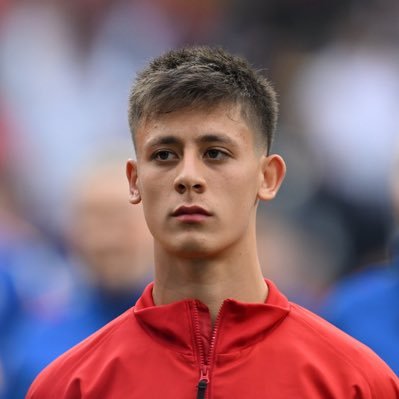
Technically great, plays the ball so well, makes himself look so well without being a detriment to his team like Jude Bellingham, is a very relaxed and calming presence and takes pressure off his teammates with great passes. This is Arda Güler. Flow state Güler. Best in the world.


Edward Tse retweeted

🚨 Jose Mourinho on what he told Arda Guler while embracing him during his substitution:
“People saw me speaking to Arda when he came off. I was telling him something very important, something I remember discussing with Mesut Ozil when we worked together here.
I told him, ‘Arda, you have to understand something. There are very good footballers, and then there are footballers who reach a level where a manager simply cannot ignore them. It doesn’t matter who is sitting on the bench. You make yourself impossible to leave out.’
Because that’s what I want him to understand.
Look at the game he played today. People know Arda as an attacking player. They want to see him close to the penalty area, creating chances, scoring beautiful goals. I understand that. But I asked him to play deeper, to take responsibility for our midfield, and what did he do?
He played like somebody who had been doing that job for ten years.
He was organising players, asking for the ball, deciding when we should attack and when we should slow things down. And then he still found a way to score that goal.
I remember turning to my assistant during the match and saying, ‘Look at him. He’s playing a different position, but he’s still finding a way to be the most influential player on the pitch.’
That’s a fantastic quality.
Some players are very good when everything is arranged for them. You put them in their favourite position, give them the freedom they want, and they can be excellent.
But change one or two things and suddenly you don’t recognise the same player.
Arda doesn’t approach football like that. He wants to play. You ask him to create chances, he creates them. You ask him to help control the midfield, he takes responsibility. You ask him to work without the ball, he works.
And I think this is one of the reasons the supporters love him so much.
Real Madrid supporters have watched some of the greatest footballers in history. You cannot impress them only because you have a beautiful left foot. They’ve seen beautiful left feet before.
They want to see what you do for the shirt. They want to see whether you take responsibility when the match becomes difficult. Whether you’re prepared to work for your teammates. Whether you still want the ball when everybody else is looking for somewhere to hide.
Arda has that personality.
Of course, he is still young. There are things I correct him about. Sometimes I tell him, ‘Arda, you don’t need to play the difficult pass every time. Sometimes the simple pass is the intelligent one.’
And he listens. That’s important.
You don’t teach a player to see football the way Arda sees it. You can improve his decisions, you can improve his positioning, but that natural understanding is something he already has.
When I embraced him, I told him to remember this performance. Not only the goal. The entire performance.
Because when his career is finished, I want him to look back and know that he didn’t waste what he was given.
I worked with Ozil here. I know what an extraordinary football brain looks like. I’m not asking Arda to become Mesut. I’m asking him to understand that he has the opportunity to reach that level of influence in his own way.
And I told him, ‘Keep working like this. Keep accepting responsibility. One day, people won’t be discussing where you should play. They’ll be discussing how to build a team that gets the best out of you.’
That’s the level he should be aiming for.
He doesn’t need me to promise him anything. He needs to keep giving me reasons to select him.
Today, he gave me quite a few.”


Edward Tse retweeted
🚨 Jude Bellingham on Arda Guler’s influence in Real Madrid’s midfield:
“The funny thing about Arda is that when you first meet him, he’s quite quiet. Very respectful. He listens to everybody.
Then you get on the pitch with him and suddenly he’s telling you where to stand.
I remember one of the first times he started doing it regularly. I was moving into a position and I heard him shouting my name. I turned around and he was pointing somewhere else.
I thought, ‘Hang on a minute. Who’s supposed to be giving the instructions here?’
But then he got the ball, played it into the space he’d just told me to attack, and I understood.
That’s Arda.
Sometimes you think you’re in a good position, and he can already see a better one for you. He doesn’t just look at where you are. He looks at where you could be two seconds later.
And it’s not only the passing. It’s the way he makes everyone around him calmer.
You know those moments when the opposition are pressing, the crowd is getting a little nervous and somebody just needs to take responsibility? Arda wants the ball in those situations.
He doesn’t hide behind another midfielder. He’ll come towards you, put his hand up and say, ‘Give it to me.’
I remember telling him once, ‘You do realise that if you keep asking for the ball like that, we’re actually going to give it to you every time?’
He said, ‘Good.’
That’s the confidence he has.
Against Sevilla, I think people will remember the goal, and rightly so. What a finish. But I hope they also go back and watch everything he was doing before it.
Watch how often he checks his shoulders. Watch how he positions himself to receive the ball. Watch how he’s directing players who have been playing at the highest level for years.
And then, after spending so much of the game helping everybody else find the right positions, he decides to remind everyone that he can finish as well.
That’s what makes him special.
I was laughing afterwards because I told him, ‘You can’t spend the whole match telling us what to do and then go and score a goal like that. You’re making the rest of us look bad.’
He just smiled.
But seriously, I’m really proud of him. People forget how young he is because of how comfortable he looks on the ball. There’s a lot of responsibility that comes with playing in that midfield, and he’s embracing it.
I’ve played with some fantastic footballers, and one thing I’ve learned is that the really intelligent ones make your job easier without you even noticing.
You make a run, the pass is there. You get pressed, there’s an option. You lose your position for a moment, somebody is already covering the space.
Arda is becoming that kind of player.
And that’s why I don’t think people should only talk about his potential anymore. Of course he can improve. We all can.
But you don’t have to wait until a player is 28 to appreciate what he’s doing right now.
He’s already helping us win football matches. He’s already controlling games. And he’s doing it at Real Madrid, where nobody gives you anything for free.
That’s not a promise for the future. That’s happening now.”


Edward Tse retweeted

🚨Toni Kroos on Vinícius Jr.’s red card incident against Villarreal:
🗣️ Toni Kroos:
“People will argue about the disallowed goal. Fine. Others will argue that Vinícius pulled Saliba’s hair. Fine. But did anyone watch what happened before that incident?
Vini receives the ball, passes it across to Jude Bellingham and immediately starts his run forward. Saliba blocks his path, Vini tries to get around him, and his hand makes contact with Saliba’s hair before he continues his run into the box.
Now, where was the referee? Where was VAR when Saliba was blocking Vini from making that progressive run?
The referee allows play to continue. Jude drives forward, finds Vini with a beautiful pass, and Vini does what he does best: he finishes the chance and puts the ball in the net.
That’s football! A brilliant pass, an intelligent run and a quality finish.
Then comes the celebration. José Mourinho runs over to celebrate with Vini, supporting a player who has been going through a difficult period.
A few seconds later, we’re watching VAR. And I’m sitting there thinking, ‘What exactly are we looking for here?’
Do I see contact with Saliba’s hair? Yes. I’m not going to deny that. But do I see an aggressive hair pull? Do I see Vini stopping to fight him or deliberately trying to hurt him? No, I don’t.
I see two players competing for position, contact being made, and the game continuing. Yet somehow, that incident becomes important enough to overturn a goal and send Vini off.
When the referee showed him the red card, I couldn’t control my anger.
Not because Vini should be allowed to do whatever he wants. No player is above the rules. But if you’re going to punish someone that severely, you need to be absolutely certain about what you’re punishing.
What frustrates me is the inconsistency. Football is a contact sport. Players fight for space, hold positions and use their arms. Why are we examining Vini’s reaction so closely while seemingly ignoring what happened before it?
And let’s be honest, when you cancel a goal and send a player off, you’re not just making a small decision. You’re changing the entire game. That’s why I expect the officials to look at the whole sequence, not simply isolate one moment and ignore everything that led to it.
And just like that, Jude’s beautiful pass and Vini’s finish become secondary. Everybody is talking about a few seconds of contact instead of the football.
I have no problem with referees enforcing the rules. I have a problem when the punishment becomes the story and the football gets forgotten.
Vini should be judged fairly, just like every other player. His reputation should neither protect him nor condemn him.
If a goal can be scored, celebrated and then taken away because of contact the referee initially allowed, the very least we deserve is a clear explanation. Football needs consistency, not confusion.”


Edward Tse retweeted

🚨 Gareth Bale on Vinícius Jr.’s red card incident against Villarreal:
🗣️ Gareth Bale:
"Look, everyone’s going to talk about the disallowed goal and the situation with Nathan Saliba’s hair. Fair enough. But if you actually watch the whole phase from the start, Vini passes it across to Jude, makes his run forward, and Saliba’s trying to block his path. There’s contact as Vini tries to push past him, Jude plays a great ball back, Vini scores, and even Mourinho runs down the touchline to celebrate.
Then all of a sudden, VAR calls the referee over to the monitor. Honestly, when you’re sitting there watching it, you’re just thinking: What are we actually looking for here?
Is there contact? Yeah. Do I see his hand in Saliba’s hair? Sure, I’m not going to pretend otherwise. But an aggressive hair pull? Was he deliberately trying to hurt him? No, they were sprinting and battling for position out there. It’s a contact sport. To overturn a goal and give a straight red card for that just ruins the entire game.
When you play for Real Madrid, you learn pretty quickly that everything gets magnified. If that happens with any other player or in any other match, play just carries on. But because it’s Vini, suddenly it becomes a massive deal.
It’s just frustrating because it kills the flow of the match. You want referees to be consistent, but most of the time, they just isolate one second on a replay, ignore everything that happened before it, and change the entire result.
At the end of the day, people want to talk about the football, not spend ten minutes staring at a monitor over a tangle in the box. Just let the game flow."


Edward Tse retweeted

Lara's life in Gaza surrounded by violence and rodents yet she smiles

🚨HEARTBREAKING: In Gaza, killing, violence and rodents have become a normal part of life for teenager Lara al-Masri.
Displaced from Beit Lahia in northern Gaza, Lara now lives in an overcrowded displacement camp in Gaza City. She spent the summer allowing BBC Eye to document her life, from airstrikes near her school to the emotional toll of losing her father.

China shifts to high gear with new economic model - Opinion - Chinadaily.com.cn chinadaily.com.cn/a/202609/0…
15


