Food facts for healthy choices. For news from European projects, follow @SciFoodHealth.
- Tweets5.5K
- Following10.4K
- Followers43.8K
- Likes8.5K
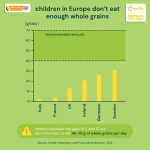






ALT What are wholegrains? A huge variety of cereal crops are grown for food throughout the world. These include wheat, rye, barley, oats and rice. Grains are the seeds of these cereal plants. The entire grain or ‘wholegrain’ contains three elements: a fibre-rich outer layer – the bran a nutrient-packed inner part – the germ a central starchy part – the endosperm.

ALT What nutrients do wholegrains contain? Most of the goodness in grains is in the outer bran layer and germ of the seed so wholegrains can contain up to 75% more nutrients than refined cereals. Wholegrains provide: fibre B vitamins and folic acid essential fatty acids (omega-3 fats) protein antioxidants including vitamin E, selenium micronutrients such as copper and magnesium other parts of the plant (phytochemicals)

ALT How can I increase my intake of wholegrains? When choosing foods from the starchy food group, replace refined cereal foods such as white bread and rice with wholegrain varieties such as wholemeal bread and brown rice. Wheat, oats, barley, rye and rice are the most commonly available cereals which can be eaten in the wholegrain form.

ALT Why should we choose wholegrains? Evidence is growing that eating wholegrains regularly as part of a healthy diet and lifestyle helps to keep us healthy. It may also help to reduce the risk of many common diseases. It is not only the fibre in wholegrains that has health promoting properties - it seems to be the ‘complete package’ of nutrients in wholegrains that work together to offer protection.