

Registered Charity - 1215809 Elite Conservation Dogs, Advanced Ranger Training and Focused Community Initiatives Canines - Conservation - Community
Carmarthen, Wales
Joined May 2019
- Tweets625
- Following295
- Followers323
- Likes380




🐕 THIS INTERNATIONAL DOG DAY - ADOPT A HERO…
⚠️ Across Southern Africa, rhinos, elephants and other endangered species are under constant threat from poaching.
Our specialist conservation dogs are on the front line, working alongside rangers to protect wildlife.
🐾 Over 15 Dogs 4 Wildlife dogs have been deployed into reserves devastated by poaching - with poaching falling by up to 75% in some areas where they operate.
Our dogs are trained to:
👉🏼 Track poachers by scent
👉🏼 Find hidden snares
👉🏼 Detect wildlife contraband
But they and we need your support.
🦮 When you adopt one of our Specialist Conservation dogs, you directly help fund their training, veterinary care, equipment and life-saving patrols - while supporting the rangers working alongside them.
This isn’t just an adoption. It’s a chance to help protect wildlife from extinction.
🌍 Wildlife can’t wait.
🐾 Donate: dogs4wildlife.org/donate
🦮 Adopt: dogs4wildlife.org/adopt-a-do…
💻 Find out more: dogs4wildlife.org
#InternationalDogDay #Dogs4Wildlife #Conservation #Wildlife #AntiPoaching
Professional standards don't happen by accident. They are built.
Behind every successful conservation dog team is far more than just a well-trained dog and dedicated wildlife rangers.
There are standards.
There are systems.
There is accountability.
Over the past few months we've been developing our own Dogs4Wildlife K9 Unit Welfare Booklet — a 40 page practical guide that will be issued to every ranger and handler working with Dogs4Wildlife conservation dog teams.
This isn't simply about feeding dogs or cleaning kennels.
It's about creating a culture where welfare becomes part of operational excellence.
The booklet covers topics including:
👉 Daily health monitoring
👉 Kennel management
👉 Hydration and heat stress
👉 Injury prevention and recovery
👉 Operational welfare responsibilities
👉 Handler accountability
👉 Best practice standards in the field
Our belief is simple...
A conservation dog will give everything it has for its handler and its purpose. In return, it deserves the very highest standards of care, welfare and respect.
The most capable working dogs are not created through training alone.
They are developed through exceptional welfare, professional handling and an unwavering commitment to doing things properly.
As Dogs4Wildlife continues to support and develop specialist conservation dog units across Africa, our aim is not simply to provide dogs.
Our aim is to help establish professional, sustainable K9 programmes built upon international best practice, where welfare, capability and conservation work hand in hand.
Because protecting wildlife starts by protecting those who protect it.
dogs4wildlife.org
#Dogs4Wildlife #ConservationDogs #WorkingDogs #WildlifeProtection #AnimalWelfare #Conservation #Rangers #K9Unit #ProfessionalStandards #WildlifeConservation
Next week, these two incredible dogs will begin a new chapter as part of a specialist conservation K9 unit being deployed to Matusadona National Park, Zimbabwe, with the support of @emirates SkyCargo.
Working in partnership with @AfricanParks, @Zimparks and the Matusadona Conservation Trust (MCT), Dogs4Wildlife has been tasked with helping establish a conservation dog programme that we hope will set the benchmark for future K9 conservation capability across Zimbabwe.
Vega and Kuda will join three specially selected rescue dogs from @FAFZim in Harare, forming a five-dog unit dedicated to supporting wildlife protection in one of Africa’s most challenging conservation landscapes. The three dogs from FAF are due to be deployed in October this year after the initial stage 1 phase of training has been completed.
Their deployment comes at a crucial time following the reintroduction of Black Rhino to Matusadona National Park.
Together with our partners, we are proud to help develop the dogs, handlers and operational capability needed to protect wildlife and support long-term conservation success.
We look forward to sharing more as the team travels to Zimbabwe and begins this exciting new chapter in conservation.
Together we can make a difference.
–––––––––––––––––––––––––––––––
To find out more and support our cause, visit our website; dogs4wildlife.org
To donate: dogs4wildlife.org/donate/
Email: info@dogs4wildlife.org
Since 1970, monitored wildlife populations have declined by an average of 73%. Across Africa, that figure rises to an estimated 76% - a stark reminder of the immense pressure facing some of the world’s most vital ecosystems.
Behind every statistic is a life lost. A species pushed closer to extinction. A habitat disappearing. A future becoming more uncertain.
Habitat loss, climate change, poaching, human-wildlife conflict, and illegal wildlife trade are driving unprecedented declines in biodiversity. The challenges can feel overwhelming, but there is hope.
At Dogs 4 Wildlife, our specialist conservation dogs are helping to change the story. From tracking poachers and locating illegal wildlife products to finding endangered species and supporting frontline conservation efforts, these incredible dogs provide a powerful tool in the fight to protect wildlife.
But conservation is about more than dogs. It’s about people too.
That’s why we work alongside local communities, empowering those who live closest to wildlife to become its greatest protectors. Through education, engagement, and opportunities for young people, we’re helping to inspire the next generation of conservation leaders who will carry this fight forward long into the future.
The challenges are immense, but so is our determination.
Together, with communities, young people, conservationists, and our extraordinary dogs, we can protect wildlife, restore hope, and create a future where nature thrives once again.
BE THE CHANGE
Support our frontline canines and the incredible rangers across Southern Africa in the fight against wildlife crime.
Together, let’s fight the good fight.
To donate to protect the world’s most endangered animals, please visit:
dogs4wildlife.org/donate
info@dogs4wildlife.org
Meet Dogs4Wildlife Vega and Kuda.
In just a few weeks' time these two incredible dogs will begin a new chapter as part of a specialist conservation K9 unit being deployed into Matusadona National Park, Zimbabwe.
Working in partnership with African Parks, Zimparks and the Matusadona Conservation Trust (MCT), Dogs4Wildlife has been tasked with helping establish and develop a conservation dog programme that we hope will set the benchmark for future K9 conservation capability across Zimbabwe.
Vega and Kuda have been developed as specialist human scent tracking dogs and will form part of a five-dog unit operating within one of Africa's most diverse and challenging conservation landscapes.
The remaining three dogs have come through an equally inspiring journey.
Working alongside our friends at THE FRIEND ANIMAL FOUNDATION in Harare, Zimbabwe, we have selected and helped develop three rescue dogs that will also join the unit. Seeing rescue dogs given the opportunity to directly contribute towards wildlife conservation is something we are incredibly proud to be part of.
Their deployment comes at a particularly important time for Matusadona National Park following the recent reintroduction of Black Rhino, a species that had been absent from the park since the 1990s due to poaching. The protection of these animals, alongside the park's wider wildlife populations, requires committed ranger teams, innovative conservation strategies and sustainable long-term capability.
For Dogs4Wildlife, this project has never been simply about supplying dogs.
It is about developing best practise standards.
It is about building capability.
It is about sharing knowledge.
Most importantly, it is about creating a sustainable conservation K9 programme that can continue protecting wildlife for years to come.
Together with MCT, African Parks and ZimParks, Dogs4Wildlife have been entrusted with helping shape the future of conservation dog deployment within the park.
Through the development of the dogs, handlers, training systems, welfare standards and operational capability, we hope to create a model that demonstrates what can be achieved when conservation dogs are developed and deployed to the highest standards.
We are incredibly excited to see Vega and Kuda take the next step in their journey and equally excited to work alongside the dedicated teams at Matusadona, African Parks, ZimParks, MCT and Friend Animal Foundation to showcase what conservation dogs can achieve in the protection and conservation of wildlife.
dogs4wildlife.org
info@dogs4wildlife.org
#Dogs4Wildlife #ConservationDogs #Matusadona #AfricanParks #ZimParks #RhinoConservation #WildlifeProtection #Zimbabwe #WorkingDogs #Conservation #HumanScentTracking #DogsForConservation #ProtectingWildlifeTogether


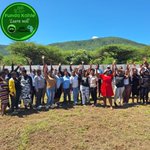
☘️We’re incredibly grateful to Fix The News at Myriad Australia Limited for grant funding Dogs 4 Wildlife to deliver certificated skills training for rural youth through our FUNDA KAHLE (“Learn well” in isiZulu) programme.
Delivered with Wild Connection in KwaZulu-Natal, South Africa, with Sboniso Mazolo as the Project Coordinator on the ground, Funda Kahle tackles a key barrier: without accredited training, many young people can’t access meaningful employment-regardless of their potential.
So far, 11 of 14 trainees who completed one month of work experience have secured jobs-an outcome made possible through recognised training.
With youth unemployment (ages 15–24) in South Africa exceeding 60%, this programme is creating real opportunities to improve lives.
Funda Kahle supports young people from rural, wildlife-adjacent communities with practical, certificated training linked directly to jobs in nearby reserves and related sectors. For many, it’s their first qualification and their first chance at paid work in environments they’ve long been connected to.
The impact is clear: increased confidence, pride, stability, and hope for participants and their families.
Though still in its early stages, Funda Kahle is already changing lives, strengthening communities and connecting people with conservation through opportunity and dignity.
We’re proud of the progress so far and excited for what’s ahead. Thank you Fix The News at Myriad Australia Limited for helping us make this possible.
To help us expand this hugely important programme, please contact: info@dogs4wildlife.org


22
Operational human scent tracking is not simply about a dog following a trail, it is a structured system that combines both ground-based tracking and air scenting capability, allowing K9 units to move efficiently, adapt to changing conditions, and operate effectively across challenging environments.
At Dogs 4 Wildlife, the dogs we develop are trained to work with speed, purpose, and clarity, but their true capability is shaped through real-world operational exposure alongside the wildlife rangers who handle them. It is this partnership - dog and handler - that defines success.
A key component of our system is developing consistent, reliable responses to what we refer to as “lost spoor procedure”. In operational environments, losing the track is inevitable. What matters is how the dog and handler respond. Through structured training, the unit learns how to problem-solve, re-acquire odour, and continue with control and intent rather than uncertainty.
Equally important is the handler’s ability to recognise and respond to proximity alerts - often subtle behavioural changes that indicate the dog is closing in on the target. These moments are critical. Correct interpretation and safe, controlled handling at this stage can determine both operational success and the safety of the unit.
As capability develops, the aim is to progress towards off-lead operational deployment, where dog and handler move as one through the bush. This is an advanced level of work that requires significant conditioning, trust, and experience, but when achieved, it allows for a level of efficiency and fluidity that cannot be replicated on lead.
This system is always developed in context. Terrain, climate, operational pressure, and the specific demands of the environment all shape how the dog is trained and deployed. Throughout, we prioritise welfare, safety, and clarity of communication, ensuring that both dog and handler are working within a framework that supports long-term effectiveness.
Our role is to build more than just capability; we aim to develop complete operational K9 units. Units that are confident, controlled, and adaptable. Units that understand the work, trust the process, and can perform consistently in demanding environments.
The goal is simple: a best-practice standard of K9 capacity, capability, and operational success, built on experience, structure, and a commitment to doing things properly.
dogs4wildlife.org
info@dogs4wildlife.org
UK Registered Charitable Company: 1215809
2
57
🌱Funde Kahle (Learn Well)
The feedback we continue to receive from participants of our Funda Kahle programme is a powerful reminder of why this work matters.
Delivered in partnership with Wild Connection in KwaZulu-Natal, South Africa, Funda Kahle was created to address a simple but often overlooked barrier facing rural youth: without formal, certificated training, access to meaningful employment is simply out of reach -regardless of motivation or potential.
To date, the programme has so far supported 24 young people by fully funding certificated skills training aligned to real employment opportunities within surrounding wildlife reserves. For many participants, this has been their first opportunity to gain a recognised qualification and, crucially, secure paid employment in environments they are deeply connected too but previously excluded from.
The feedback has been humbling. Participants speak of increased confidence, pride, stability, and hope, not just for themselves, but for their families as well. Several are now employed in full-time roles within wildlife environments, something that would not have been possible without access to accredited training.
While Funda Kahle is still in its early stages, it is already changing lives. By linking education directly to employment, the programme improves livelihoods, strengthens communities, and builds a meaningful connection between people and the landscapes they live alongside.
This is conservation that works because it puts people at the centre-creating opportunity, dignity, and long-term resilience.
We’re proud of what’s been achieved so far, and even more excited about what’s to come.
The Funda Kahle programme is about creating real opportunity where very little exists. It focuses on supporting young people from rural, wildlife-adjacent communities by funding certificated, practical skills training that leads directly to employment within surrounding wildlife reserves and associated sectors.
By removing the barrier of access to recognised training, Funda Kahle improves livelihoods, builds confidence and dignity, and strengthens the connection between communities and conservation, ensuring that protecting the natural world also delivers tangible benefit to the people who live alongside it.
To help us scale this programme to reach even more rural communities please contact us info@dogs4wildlife.org


17
🚨2025 Rhino Poaching figures released
South Africa recorded 352 rhinos illegally killed in 2025, down 68 animals (16%) from 420 in 2024, according to the Department of Forestry, Fisheries and the Environment. Of these, 266 were killed on state properties and 86 on private reserves.
Hluhluwe-iMfolozi Park (KwaZulu-Natal) saw a major improvement, with poaching dropping by over two-thirds, from 198 rhinos in 2024 to 63 in 2025.
This decline is credited to sustained investment in dehorning, camera-trap technology, ranger welfare, and stronger collaboration through the Integrated Wildlife Zones (IWZ) Programme, supported by partners such as WWF, Save the Rhino International, Wildlife ACT, and Peace Parks Foundation.
⚠️ In contrast, Kruger National Park experienced a sharp rise in poaching, with rhino deaths almost doubling from 88 in 2024 to 175 in 2025, highlighting the evolving tactics of organised criminal networks involved in rhino horn trafficking.
Minister Willie Aucamp stressed the importance of private-sector involvement, holistic solutions, and transboundary cooperation, including the role of law-enforcement bodies such as the SAMLIT Illegal Wildlife Trade Task Force, the Financial Intelligence Centre, and the banking sector in disrupting criminal networks.
The Department of Forestry, Fisheries and the Environment warned that reduced funding, political will, or international cooperation could quickly reverse gains.
Kruger continues to implement strategic dehorning, layered security, technology, ranger training and capacity building, with polygraph testing of staff ongoing.
🐕 Support our frontline canines in the fight against wildlife crime.
👊🏽 Together, we can make a difference
🌐 dogs4wildlife.org


33
🚨CONSERVATION NEWS
Rangers have successfully thwarted two poaching attempts in Kruger National Park, resulting in the seizure of firearms and equipment.
In a related operation in Limpopo, a suspect wanted since 2024 for rhino poaching was apprehended.
These actions highlight both the relentless efforts to safeguard South Africa’s endangered wildlife and the daily risks faced by rangers in the field.
👊🏽TOGETHER we can make a difference.
✅Support our front line canines in the fight against wildlife crime.
🌐 Dogs4Wildlife.org


3
49
As we move further into 2026, we’re reflecting on the multifaceted impact Dogs4Wildlife is making across conservation, community empowerment and frontline protection.
Over the past years we’ve stood beside wildlife rangers across southern Africa, working shoulder-to-shoulder with them to develop skills, capability and confidence in some of the toughest environments on the planet. Our conservation dogs and advanced ranger training programmes have supported hundreds of patrols, helped locate over 3,500 active snares and contributed to more than 500 operational responses to combat wildlife crime. This combination of canine and human effort strengthens ranger units and enhances the resilience of protected areas at a time when pressures on wildlife have never been greater.
But conservation is not just about protection; it’s also about people. Through community initiatives such as our Siyafunda Ngemvelo (We Learn in Nature) programme, partnered with the incredible The Connected Planet Foundation, we’ve been privileged to bring hundreds of rural school children into the natural environments they help protect, sparking curiosity, pride and stewardship for the natural world. We’ve also supported vital animal welfare work, including rabies vaccination and community dog health, with over 2,500 dogs vaccinated and 500 community animals spayed or neutered across Zimbabwe.
Our partnerships with organisations, rangers and supporters around the world continue to deepen. From formal training collaborations to community education and empowerment, we’re building a collective force for change that is as diverse as the challenges we face.
Looking ahead, our mission remains clear: to deliver sustained, responsible conservation impact through best-practice canine and ranger support, to uplift local communities as champions of their own natural heritage, and to inspire the next generation of wildlife guardians.
We are grateful to everyone who supports this journey - from the dedicated rangers and dogs in the field, to our community partners and global supporters.
Together we are bridging the gap between protection and empowerment, creating lasting impact where it matters most.
dogs4wildlife.org
Recently, we had the privilege of spending time in the incredible country of Zimbabwe, working alongside some truly exceptional people and organisations who are deeply committed to protecting wildlife on the ground.
A particular highlight was our continued collaboration with the Friend Animal Foundation, where the conservation dogs currently in development are progressing extremely well. Seeing the dogs mature in confidence, capability and purpose reinforced exactly why Zimbabwe is such a critical environment for this work and why it deserves a best-practice standard in conservation dog training and deployment.
Zimbabwe’s landscapes, wildlife pressures and operational realities demand more than good intentions. They require well-trained dogs, well-trained handlers, and structured systems that prioritise welfare, safety and effectiveness.
That is why we are working closely with strategic partners to develop a standardised conservation dog programme, paired with certificated ranger training and long-term mentorship, ensuring skills are embedded, sustainable and locally led.
This work is not about quick wins. It’s about building robust, ethical systems that last. Supporting rangers, strengthening conservation outcomes, and giving dogs the clarity and structure and management oversight they need to flourish.
We’re excited about what’s ahead and grateful to be working with partners who share the same commitment to doing conservation properly. Keep an eye out for updates regarding our projects in Zimbabwe and the partners we will be working with and alongside. Exciting times ahead.
dogs4wildlife.org

3
54
🚨 Conservation News 🚨
CITES Update: Regional Action Plan for West African Pangolins Launched.
In some positive news to end 2025, West Africa has adopted a landmark Regional Pangolin Action Plan- a 30-year roadmap to safeguard pangolins, the world’s most trafficked wild mammal and reverse their decline across the region. It directly addresses the drivers of pangolin decline:
✔️ A 30-year strategic roadmap for pangolin conservation
✔️Supports implementation of CITES Appendix I protections
✔️Targets illegal wildlife trade, poaching & habitat loss
✔️Strengthens cross-border cooperation, law enforcement & community action
✔️Protects white-bellied, black-bellied & giant pangolins
This long-term plan turns regional commitments into coordinated, lasting action for pangolins in West Africa.
📢 Protect pangolins. Stop illegal wildlife trade.
👊🏽TOGETHER we can make a difference!
✅Support our front line canines in the fight against wildlife crime.
🌐 Dogs4Wildlife.org


1
36
Every day across Africa, wildlife rangers stand on the frontline of a fight most people will never see, experience or fully understand.
But they’re not standing alone.
They’re standing beside one of the most powerful tools in conservation today:
A highly trained dog.
A single conservation dog can:
• Track poachers over vast distances and at night
• Detect snares hidden deep in the bush
• Find firearms, bushmeat and illegal wildlife products
• Save the lives of rangers who rely on them
Their noses don’t lie. Their loyalty doesn’t waver.
And their impact is measurable, immediate and life-changing.
At Dogs4Wildlife, we’ve seen first-hand how a dog can completely transform the effectiveness of an anti-poaching unit.
They are fast.
They are efficient.
They are precise.
They are fearless.
And, unlike technology, they can work consistently in environments where nothing else can.
But scaling this impact takes more than skilled trainers and dedicated volunteers.
It takes you.
As a newly registered UK charity (1215809), Dogs4Wildlife is ready to expand our footprint across African landscapes that desperately need support — but we cannot achieve this alone.
If you believe in a world where rhinos, elephants, pangolins and countless other species survive beyond the headlines…
If you believe in the bravery of the rangers who protect them…
If you believe in the extraordinary partnership between humans and dogs…
Then we’re asking for your help.
Your support - whether through sharing our mission, connecting us with potential partners, fundraising, volunteering, or donating — makes a direct and tangible difference on the ground.
One dog can change the future of an entire region.
Imagine what we can do together.
To everyone who stands with us: thank you.
To everyone hearing about our mission today: we’d love you by our side.
Animals saving animals.
And you can help them do it.
dogs4wildlife.org
info@dogs4wildlife.org
@JeffBezos @elonmusk @StevenBartlett @richardbranson @mackenziescott @gatesfoundation

We are extremely proud to share a major milestone:
Dogs 4 Wildlife is now officially a registered UK Charity - number: 1215809
This journey has taken years of persistence, learning, setbacks and continued belief.
What began as a vision to support wildlife conservation, reduce wildlife crime and develop wildlife rangers using highly trained dogs is now a legitimately recognised organisation with the structure to grow, scale and protect more wildlife and support more rangers than ever before.
Charitable status allows us to expand our reach, strengthen our partnerships and increase our impact across frontline conservation projects.
This isn’t the end of a journey - it’s the foundation for a much bigger one.
Thank you to everyone who helped make this possible. The mission continues, with stronger roots and further reach.
dogs4wildlife.org

1
26
The Elephant in the Room 🐘
We all see it. We all know it’s there. But few want to talk about it.
In the world of impact - whether you’re an individual, a corporation, an NGO or a charity - there’s a quiet tension that sits beneath the surface. It’s the tug-of-war between collaboration and competition.
We say we’re working for the same cause; better outcomes for both people and planet. Yet too often, we fall into the trap of competing; for funding, recognition, visibility, or simply the sense of winning.
Here’s the truth; meaningful, lasting impact doesn’t come from competition. It comes from connection.
We need to shift our mindset from scarcity to synergy, from “my project” to “our purpose”. Funding is vital, yes - but not at the expense of collaboration, trust, or shared success.
Ego, ownership, and the need to be “the one who did it” are human, but they’re also the very barriers holding back the change we all claim to want.
The most effective solutions are rarely built in isolation - they’re born from open minds, joined forces, and the courage to let go of personal credit in pursuit of collective progress.
Let’s talk about the elephant in the room—and more importantly, let’s all start moving it together.
#strongertogether
dogs4wildlife.org

🚨CONSERVATION NEWS: South Africa Stands Firm on Ivory & Rhino Horn Trade
South Africa’s Department of Forestry, Fisheries and the Environment (DFFE) has reaffirmed the country’s commitment to the global ban on the commercial trade in elephant ivory and rhino horn.
The department dismissed reports suggesting that South Africa planned to support reopening the trade, calling them “without basis.”
Officials stated that South Africa remains aligned with the international consensus under the Convention on International Trade in Endangered Species of Wild Fauna and Flora (CITES).
Minister Dion George said South Africa would not back any proposal to lift the ban, emphasising that the government’s priority is to protect the country’s wildlife and uphold conservation commitments.
The reaffirmation comes ahead of the CITES COP20 meeting, where wildlife trade policies are expected to be a key topic.
South Africa reiterated its focus on science-based and ethical conservation practices, working with regional and international partners to combat poaching, strengthen enforcement, and safeguard threatened species.
The DFFE concluded that South Africa’s policies are guided by long-term sustainability and global cooperation, ensuring that elephants and rhinos remain protected for future generations.
👊🏽Be the change. Be their voice.
Support our canine heroes on the front line against wildlife crime.
👇🏼Help us spread the word:
✅ Like
✅ Share
✅ Comment
✅ Donate
✅ Speak up
🌐 Dogs4Wildlife.org
dogs4wildlife.org/donate
#news #conservation #wildlife


1
32
Conservation cannot begin and end at the fence line.
If our models focus only on wildlife and ecosystems, we miss half the solution. Real, lasting protection must intricately include and motivate local rural communities - and of course their children, so stewardship is rooted at home, not flown in.
That’s why in partnership with The Connected Planet we run Siyafunda Ngemvelo (We learn in nature); a programme that brings local community children who would otherwise never set foot in a reserve the opportunity to experience nature, wildlife and biodiverse habitats first-hand, while learning why they matter, how they work, and how they can be protected.
Inspiration is powerful, but we pair it with practical learning and continued engagement so curiosity becomes confidence and confidence becomes action.
Future generations, local communities and conservation should be treated as a single package; build access, build understanding, build pride, and you build protection.
This is how we create conservation that endures - through lasting relationships, shared purpose and opportunities that outlive any single grant cycle.
If you knew that less than 2% of rural community children across Africa have ever seen the wildlife that surrounds them you start to understand our mission.
Thank you to all of our current sponsors and donors who help support this vital project.
dogs4wildlife.org

🤍Our hearts are broken at the passing of Dr. Jane Goodall- A shining light and beacon of hope. Jane forever changed the way the world understands animals, people, and the natural world.
Dr. Jane touched millions with her wisdom, compassion, unwavering hope and tireless global work for conservation.
Because of her, each and every one of us was called to recognise the interconnectedness of all life, to open our eyes and hearts and see that the fate of animals, people, and the environment are completely woven together.
She reminded us that compassion is not limited to our own species and that the wellbeing of nature is the wellbeing of humanity… that even the smallest action can ripple outwards to create lasting change.
Her influence lives on through the Jane Goodall Institute, Roots & Shoots, and the countless young people she has empowered and inspired to make a change and create a better future.
“What you do makes a difference, and you have to decide what kind of difference you want to make.”
🕊️ Rest peacefully, Dr. Jane. Thank you for everything you did for conservation.
Your light will never fade- it lives on in all of us who carry your vision forward.
#ThankYouDrJane

3
50