

Global Macro & Market Structure Funding, Liquidity, Volatility Regimes High‑signal insights for serious traders No narratives - only data‑driven structure
🇮🇹Worldwide 🇮🇹
Joined April 2016
- Tweets12.5K
- Following49
- Followers4K
- Likes2.4K



Pinned Tweet
Market Structure > Opinions. 📊
I filter the noise to deliver high-probability Macro insights and institutional data.
🎯 Focus: HTF Levels & Global Liquidity. 🚫 No hype. No noise.

The market opened with elevated fear, but that fear is fading fast.
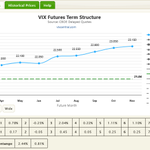
Across the volatility complex, buyers of protection are backing off and short-term stress is being repriced lower.
A double-digit drop in the VIX tells a simple story:

Wall Street ends the week under pressure as investors rethink the AI rally and shift toward more defensive sectors.


Despite the rebound in the broader market, the semiconductor sector continued to struggle. The iShares Semiconductor ETF fell for an eighth consecutive session, highlighting the persistent weakness in one of the market’s key growth engines.
ANFCI also increased in the latest week, to –0.48. Risk indicators contributed –0.33, credit indicators contributed –0.15, leverage indicators contributed –0.05, and the adjustments for prevailing macroeconomic conditions contributed 0.04 to the index in the latest week.
NFCI increased to –0.50 in the week ending October 9. Risk indicators contributed –0.26, credit indicators contributed –0.15, and leverage indicators contributed –0.09 to the index in the latest week.
NFCI increased to –0.49 in the week ending October 2. Risk indicators contributed –0.26, credit indicators contributed –0.14, and leverage indicators contributed –0.09 to the index in the latest week.
Since 1950:
October: +3% average return
November: +2.7%
December: +0.8%
Q4 in midterm years: +6.6% average
Q4 in non‑midterm years: +3.4%
Cautions against investing purely by calendar, but history is hard to ignore: Q4 tends to deliver.
The bond market is still signaling tight conditions, even if the Fed is less likely to move this month.
Wall Street walked into Friday with one set of assumptions, and walked out with another. A sharply weaker September jobs report forced traders to rethink the economy’s momentum and the Fed’s next move, and that shift in expectations sent equities higher.
ANFCI increased in the latest week to –0.57. Risk indicators contributed –0.36, credit indicators contributed –0.16, leverage indicators contributed –0.06, and the adjustments for prevailing macroeconomic conditions contributed 0.01 to the index in the latest week.
NFCI was unchanged at –0.55 in the week ending September 25. Risk indicators contributed –0.29, credit indicators contributed –0.16, and leverage indicators contributed –0.09 to the index in the latest week.