

Commercial Style Fire Protection for Residential Grade Appliances • Since 2007
Charlotte, NC
Joined August 2010
- Tweets831
- Following158
- Followers100
- Likes34






Unattended cooking contributes to 29% of reported home cooking fires, according to #NFPA.
#Denlar’s fire-suppression #RangeHoods add protection in shared kitchens—from student housing to senior living.
Learn more: denlarhoods.com/

A routine meal can become a serious fire risk.
From 2017–2021, U.S. home #CookingFires caused an average of 470 civilian deaths and 4,150 civilian injuries each year, according to the NFPA.

Unattended cooking was the leading contributing factor—a reminder that safer kitchens start with everyday habits.
At #Denlar, we’re committed to helping protect the shared kitchens where people cook, gather and live.
More than 100 years of fire safety education—and a mission that matters every day.
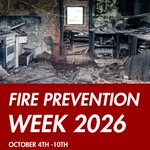
#Denlar is proud to recognize #FirePreventionWeek, the longest-running public health observance in the United States.

From campus kitchens to senior living communities, we’re committed to helping protect people and the spaces they share.
Explore the history of Fire Prevention Week: nfpa.org/en/events/fire-prev…
Pre-engineered #rangehoods take the guesswork out of stovetop fire safety. Tested, listed, and ready to install, so you get proven security out of the box.
Learn more about #Denlar: denlarhoods.com/functionalit…

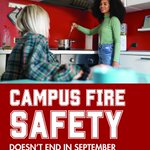
#CampusFireSafetyMonth may be ending, but fire safety is a year-round responsibility.
Thank you to the campus professionals, fire safety officials and students working every day to create safer environments.


What does campus #FireProtection look like in practice?
From installation to real-world fire events, colleges and universities have seen #Denlar fire suppression systems at work.


Hear directly from campus professionals about their experience with Denlar and protecting residential-style cooking environments.
For more information, visit denlarhoods.com/campus-fire-…
A safer campus kitchen starts with the basics. #CookingFires are a major fire safety concern in campus housing, making simple prevention practices especially important.
Check out this #NFPA resource for practical tips to help students cook safely:
content.nfpa.org/-/media/pro…
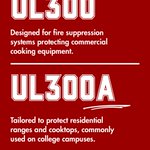
What difference does the “A” make?
UL300 and #UL300A aren't interchangeable.

UL300 addresses fire suppression for commercial cooking equipment. UL300A addresses fire suppression for residential-style cooking equipment in applicable occupancies—such as #studenthousing applications.
Knowing the difference helps you specify ideal protection for the space.
#UL300A fire protection isn't just a dormitory conversation.
Residential-style cooking equipment can be found throughout a college campus— from student and Greek housing to faculty apartments and other residential-style spaces.


Understanding where UL300A Listed fire suppression may apply is an important part of campus fire safety.
For more information, visit denlarhoods.com/campus-fire-…
#FireSafety may not always be top of mind when moving into campus housing, but a few simple precautions can make a meaningful difference.
We encourage students to review this NFPA fire safety checklist and learn what to look for in their living space: content.nfpa.org/-/media/pro…
How fire-safe is your campus kitchen?
Before move-in, students, parents and #campushousing staff should know what fire protection is in place—and whether it’s appropriate for the cooking equipment being used.


Use our Campus Kitchen Audit Checklist as a starting point, and learn more at denlarhoods.com/campus-fire-…
A #UL300A Listed #Denlar hood combines ventilation and automatic fire suppression in one system—helping protect students, property and campus operations.
Learn more at denlarhoods.com


#CampusFireSafetyMonth goes beyond the kitchen. From residence halls to off-campus housing, understanding everyday fire risks can help create a safer environment for everyone.
Explore the NFPA’s campus fire safety tips and resources: content.nfpa.org/-/media/pro…