

Watching how industries shift around the world. Opportunities rarely stay in one place. Global Markets | Trade | Capital Flows
Dayton, Ohio
Joined July 2009
- Tweets4.7K
- Following4.4K
- Followers407
- Likes12.7K




MichaelAdams retweeted

Learning about a company today: $SIVE.
One of the optical names I’ve spent more time on.
Servers move electrical signals. Fiber runs light. Optical modules do the conversion in between. Sivers sits further upstream — they make the InP lasers that actually generate the light.
As AI clusters move from 800G to 1.6T and 3.2T, bandwidth keeps going up, and the requirements on laser power, efficiency, and stability go up with it. Sivers is already working on 70mW, 100mW, 200mW DFB lasers and laser arrays. That puts them in a position to supply pluggable, NPO, and CPO.
That’s the part I find interesting about their setup. You don’t have to bet which optical architecture wins. As long as AI networking keeps scaling, the light source layer has to improve.
On execution, the key project right now is with Jabil. They’re developing a 1.6T LRO module using Sivers DFB lasers. If that line gets traction, the business model changes.
A big chunk of revenue used to come from NRE — customers paying them to do development work. They’re now trying to shift more toward product revenue. You can see it in the numbers if you look at the reports.
Q2 revenue was only SEK 53.8M, so the top line still looks weak. But product revenue grew 18% year-over-year at constant currency. Opportunity pipeline is now at $1.2B, up 268%.
They’ve also announced $30M to expand the Glasgow InP fab, aiming for over 100 million CW DFB lasers per year by Q4 2027. For a company this size, scaling capacity that aggressively suggests management is preparing for real AI optical volume.
The risk is obvious — if orders don’t show up, that capacity turns into cost. Debt is also worth watching, especially with the cloud spending questions floating around. They did finish a financing round this year: the $12M convertible converted, and the remaining $5M term loan has been paid off. Near-term, the main question has shifted from survival to actually selling product.
Market cap is around SEK 7.8B right now. TTM revenue is about SEK 278M, so roughly 28x sales. In the optical packaging space, worth putting this on the same watchlist as Marvell.
Just my view.

MichaelAdams retweeted
The market keeps writing off Intel Foundry, but the tighter leading-edge capacity gets, the harder it becomes to ignore.
$TSM still dominates advanced nodes, while #AI demand continues to tighten 3nm, 2nm and advanced packaging capacity. The market is already pricing in the possibility of further increases in 2027, leaving a real opening for $INTC.
Customers need more leading-edge capacity and a second supplier that can scale.
What matters now is when customer evaluations turn into production orders.
Intel has confirmed that several potential customers are evaluating 14A. The company expects clearer supplier decisions between the second half of 2026 and the first half of 2027. That is the real dividing line for Intel Foundry.
Once a major anchor customer commits, the market will reassess far more than the value of a single order.
Intel Foundry’s value will ultimately depend on who becomes the first customer to put 14A into a real production roadmap.

MichaelAdams retweeted
A few friends asked me privately whether Turkey has a smaller-scale $NBIS.
It does—but let’s not rush to call it “Turkey’s Nebius.”
I see $TKC as an old telecom company quietly changing its engine. It once sold connectivity. Today, it operates around 50 MW of data center capacity and is working with Google Cloud on a local Cloud Region in Turkey.
Nebius sells AI compute globally, competing on GPUs, power and time-to-compute. Turkcell’s strengths are local data sovereignty, low latency and regional cloud infrastructure.
Nebius is like a global compute wholesaler. Turkcell is closer to the company controlling the local reservoir and pipelines.
It may sound less exciting, but AI still needs data centers, networks, electricity and local compliance. This looks like a traditional telecom asset with the potential to be repriced by #AI.
Sometimes the best opportunities are old businesses whose assets suddenly become much more valuable.


MichaelAdams retweeted
$MRVL’ye baktıkça Jensen Huang’ın bu şirkete yaklaşımının diğerlerinden biraz farklı olduğunu daha fazla hissediyorum.
Mart ayının sonunda $NVDA, dönüştürülebilir imtiyazlı hisseler aracılığıyla Marvell’e 2 milyar dolar yatırım yaptı ve şirketi NVLink Fusion ekosistemine daha derinden dahil etti. Marvell özel XPU’lar ve scale-up ağ çözümleri sağlayacak; iki şirket ayrıca silikon fotonik alanında iş birliği yapacak.
Zaman çizelgesini geriye doğru uzattığımızda tablo daha da ilginç hale geliyor. NVIDIA, Ekim 2025’ten bu yana Nokia’ya 1 milyar dolar, Lumentum ve Coherent’a ayrı ayrı 2 milyar dolar, Marvell’e ise 2 milyar dolar ayırdı. Corning ile yaklaşık 3,2 milyar dolara ulaşabilecek ticari bir anlaşma yaptı ve Ayar Labs’in finansman turuna da katıldı.
NVIDIA’nın yaptığı şey, #AI altyapısının bir sonraki aşaması için bağlantı katmanını güvence altına almak gibi görünüyor. Lazerler, optik bileşenler, fiber, CPO, özel silikon ve scale-up ağ teknolojilerinin önemi giderek artıyor.
En güçlü kamuoyu desteği ise Marvell’e geldi. Jensen Huang şirketi “bir sonraki trilyon dolarlık şirket” olarak tanımladı ve hisse o gün %25’in üzerinde yükseldi.
Ardından Marvell zirveden %40’tan fazla geriledi. Bu tablo önemli bir şeyi gösteriyor: NVIDIA’nın desteği bir şirketin sektördeki konumunu doğrulayabilir, ancak değerleme ve piyasa döngüsü risklerini ortadan kaldıramaz.
Bundan sonra asıl önemli olan, Marvell’in bu desteği özel AI çipleri, optik bağlantılar ve scale-up ağ çözümlerinde gerçek gelire dönüştürüp dönüştüremeyeceği. Bu, trilyon dolarlık tahminlerden çok daha belirleyici olacak.

MichaelAdams retweeted
Kurumsal bir analist değilim; sadece yıllardır ABD yarı iletken sektörüne ve yapay zekâ altyapısına odaklanan bireysel bir yatırımcıyım.
ABD piyasalarında ilk yatırımlarımı yapmaya başladığımda ben de her acemi gibi çok hata yaptım: Her haberi okuyor, gündemin peşinden koşuyor, tüm gün ekran başında yükselen hisseleri kovalıyordum.
Hisse yükselince tezimin doğru olduğunu sanıyor, düştüğünde ise her şeyi sorgulamaya başlıyordum.
Sürekli meşguldüm ama aslında sadece piyasanın hareketlerine tepki veriyordum.
Yarı iletken sektörünü sadece hisse fiyatlarına bakarak anlamanın imkânsız olduğunu zamanla öğrendim. Bu sektör uzun döngülerle hareket eder:
📌 Teknoloji değişir.
📌 Sermaye harcamalarının (CapEx) yönü değişir.
📌 Tedarik zincirinde arz sıkışıklığı ve kapasite darboğazları oluşur.
Eninde sonunda tüm bu değişimler gelirlere, kâr marjlarına ve değerlemelere yansır.
Bunu fark ettikten sonra odağımı tamamen daralttım.
Artık zamanımın çoğunu ABD yarı iletken şirketlerine ve YZ altyapısına ayırıyorum: GPU’lar, özel tasarım YZ çipleri (ASIC), HBM, DRAM, yarı iletken ekipmanları, sunucular, optik ağlar ve enerji altyapısı.
Artık bir hissenin yarın ne yapacağına değil, sektörün önümüzdeki 2-3 yılda nereye gideceğine odaklanıyorum.
Bu yaklaşım 2026’da benim için özellikle kritik hale geldi.
Zor bir piyasadayız: Faizler, değerlemeler ve sektör rotasyonları sürekli değişiyor. Kazananlar ile kaybedenler arasındaki makas giderek açılıyor.
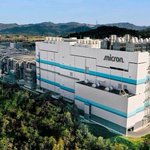
Bu yıl yakaladığım en iyi fırsatlardan biri, piyasa coşkusunu takip etmek yerine sektörün temel dinamiklerine bağlı kalmam sayesinde oldu: Micron ($MU).
Yılın başında herkes #GPU’ları konuşurken benim kendime sorduğum soru basitti: GPU’lar hızlandıkça bellek (memory) teknolojisi buna yetişebilecek mi?
YZ sistemleri daha fazla HBM’e, daha fazla sunucu DRAM’ine ve daha yüksek bant genişliğine ihtiyaç duyuyor. Üstelik HBM üretimi, standart DRAM kapasitesini de tüketiyor.
Bellek, YZ yarışında destekleyici bir unsur olmaktan çıkıp ana darboğaz (bottleneck) haline gelecekti.
Piyasa HBM arzındaki sıkışıklığı ve DRAM fiyatlarındaki artışı fiyatlamaya başlamadan önce $MU tarafındaki fırsatı görmemi sağlayan şey işte bu araştırmaydı.
Önümüzdeki dönemde de en önemli sinyaller, hisse fiyatlarında görünmeden önce kapasite yatırımlarında, siparişlerde ve tedarik zincirinde ortaya çıkacak.
Burada kimseye "bugün ne al, yarın ne sat" demiyorum. Sadece yıllardır bu sektörü takip ederken öğrendiklerimi ve gözlemlerimi paylaşıyorum.
Eğer siz de yarı iletkenler ve YZ altyapısı ile ilgileniyorsanız, süreci birlikte takip etmek için hesabımı takibe alabilirsiniz. 🤝
$NVDA #AI

The more I learn about #AI, the more I notice the importance of memory, networking and power. There’s still so much to understand.
#AIInfrastructure

Kurumsal bir analist değilim; sadece yıllardır ABD yarı iletken sektörüne ve yapay zekâ altyapısına odaklanan bireysel bir yatırımcıyım.
ABD piyasalarında ilk yatırımlarımı yapmaya başladığımda ben de her acemi gibi çok hata yaptım: Her haberi okuyor, gündemin peşinden koşuyor, tüm gün ekran başında yükselen hisseleri kovalıyordum.
Hisse yükselince tezimin doğru olduğunu sanıyor, düştüğünde ise her şeyi sorgulamaya başlıyordum.
Sürekli meşguldüm ama aslında sadece piyasanın hareketlerine tepki veriyordum.
Yarı iletken sektörünü sadece hisse fiyatlarına bakarak anlamanın imkânsız olduğunu zamanla öğrendim. Bu sektör uzun döngülerle hareket eder:
📌 Teknoloji değişir.
📌 Sermaye harcamalarının (CapEx) yönü değişir.
📌 Tedarik zincirinde arz sıkışıklığı ve kapasite darboğazları oluşur.
Eninde sonunda tüm bu değişimler gelirlere, kâr marjlarına ve değerlemelere yansır.
Bunu fark ettikten sonra odağımı tamamen daralttım.
Artık zamanımın çoğunu ABD yarı iletken şirketlerine ve YZ altyapısına ayırıyorum: GPU’lar, özel tasarım YZ çipleri (ASIC), HBM, DRAM, yarı iletken ekipmanları, sunucular, optik ağlar ve enerji altyapısı.
Artık bir hissenin yarın ne yapacağına değil, sektörün önümüzdeki 2-3 yılda nereye gideceğine odaklanıyorum.
Bu yaklaşım 2026’da benim için özellikle kritik hale geldi.
Zor bir piyasadayız: Faizler, değerlemeler ve sektör rotasyonları sürekli değişiyor. Kazananlar ile kaybedenler arasındaki makas giderek açılıyor.
Bu yıl yakaladığım en iyi fırsatlardan biri, piyasa coşkusunu takip etmek yerine sektörün temel dinamiklerine bağlı kalmam sayesinde oldu: Micron ($MU).
Yılın başında herkes #GPU’ları konuşurken benim kendime sorduğum soru basitti: GPU’lar hızlandıkça bellek (memory) teknolojisi buna yetişebilecek mi?
YZ sistemleri daha fazla HBM’e, daha fazla sunucu DRAM’ine ve daha yüksek bant genişliğine ihtiyaç duyuyor. Üstelik HBM üretimi, standart DRAM kapasitesini de tüketiyor.
Bellek, YZ yarışında destekleyici bir unsur olmaktan çıkıp ana darboğaz (bottleneck) haline gelecekti.
Piyasa HBM arzındaki sıkışıklığı ve DRAM fiyatlarındaki artışı fiyatlamaya başlamadan önce $MU tarafındaki fırsatı görmemi sağlayan şey işte bu araştırmaydı.
Önümüzdeki dönemde de en önemli sinyaller, hisse fiyatlarında görünmeden önce kapasite yatırımlarında, siparişlerde ve tedarik zincirinde ortaya çıkacak.
Burada kimseye "bugün ne al, yarın ne sat" demiyorum. Sadece yıllardır bu sektörü takip ederken öğrendiklerimi ve gözlemlerimi paylaşıyorum.
Eğer siz de yarı iletkenler ve YZ altyapısı ile ilgileniyorsanız, süreci birlikte takip etmek için hesabımı takibe alabilirsiniz. 🤝
$NVDA #AI





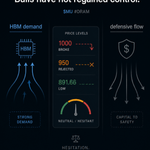
The chart matters. So do flows.
$MU can correct without following a textbook path. I’m watching whether funds keep cutting risk or start defending the next volume shelf.

$MU I think going forward
That when I say you should not chase a parabolic move, assume I have your interests at heart
knowing that all parabolic moves REGARDLESS of their fundamentals, typically end in a strong move to the downside next.
$MU is in an ABC correction now, Wave A looks nearly complete (-5% in the PM) then I expect a relief bounce for Wave B before a final leg down for Wave C
$MU will pull back -50%, like all charts that have ever come before it
There is zero difference here.

