Sara Wyen is a writer sharing about recovery from #DVT and #PE #bloodclots. Living with #APS. There is hope for healing and you are not alone. #AwarenessMatters
United States
Joined September 2012
- Tweets4.9K
- Following1.3K
- Followers1.7K
- Likes1.5K
BCRN retweeted
A new season begins. Wishing our community moments of color, calm, and renewal in the weeks ahead.
Happy first day of fall. 🍂
BCRN retweeted
Considering hormone therapy for menopause symptoms? Learn how different types may affect blood clot risk and what to discuss with your healthcare provider.
bit.ly/menopause-clotting
BCRN retweeted
Pregnancy and the weeks after your baby is born can increase your risk for a dangerous blood clot. Learn about important risk factors, ways to reduce your risk, and symptoms that should never be ignored.
Explore our pregnancy and clotting resources, including a discussion guide to review before talking with your healthcare provider: bit.ly/pregnancy_clotting
BCRN retweeted
Exercising outdoors during the summer is a great way to stay fit, but it's important to remember the potential risks when the temperatures heat up. Stay hydrated and listen to your body.
Check out some top tips shared by Women's Health about how to stay healthy while exercising outdoors during the summer months: buff.ly/wCtNxqp
BCRN retweeted
Wishing everyone a safe and restful Fourth of July weekend.
However you’re spending it — traveling, gathering, resting, or remembering someone you love — we hope the days ahead bring moments of peace, connection, and care.
BCRN retweeted
Pregnancy and the postpartum period naturally increase the risk for blood clots. For some women, inherited clotting disorders, also known as thrombophilia, may further compound that risk.
Many women may be unaware of a genetic predisposition for clotting, particularly if they have never personally experienced a blood clot. Family history, prior clotting events, pregnancy complications, and other health factors may all be important to discuss with a healthcare provider.
As part of National Women’s Health Month, and during National Women's Health Week, the Rowan Foundation is continuing to share educational resources focused on pregnancy, postpartum recovery, thrombophilia, and informed women’s health conversations.
Understanding thrombophilia:
bit.ly/genetic-clotting
Learn more:
bit.ly/pregnancy_clotting
BCRN retweeted
Blood clot symptoms can vary, and some people may experience few symptoms or none at all. The signs listed here are among the more common symptoms that may occur depending on where a clot is located.
Knowing possible warning signs may help people seek timely medical attention.
Swipe through to learn more.
Visit alexrowanfoundation.org for educational resources.
BCRN retweeted
National Women’s Health Month is here, and all May long the Rowan Foundation is spotlighting women’s health and clotting risk across a lifetime.
From contraception and family planning, to pregnancy and postpartum, to menopause and midlife health, informed choices matter at every stage.
We’re sharing new resources, stories, and women-centered health education throughout the month, with continued focus on awareness of blood clot risks that can affect women at key points across life.
Strong women deserve clear information, thoughtful care, and the power to make informed decisions.
Follow along all month.
BCRN retweeted
Women’s health and clotting awareness can intersect across many stages of life, from family planning and birth control, to pregnancy and childbirth, to menopause and some forms of hormone therapy.
This month, the Rowan Foundation is sharing new information and resources to help women better understand clotting risks, recognize symptoms, and have more informed conversations about their health.
Today, we’re introducing our new infographic on women’s health and clotting across a lifetime: bit.ly/LifeStage-Clotting
Later this week, we’ll begin a focused look at contraception and clotting, with additional resources to support safer, more informed decision-making.
BCRN retweeted
For each petal on the shamrock, this brings a wish your way: Good health, good luck, and happiness for today and every day.
-- Author Unknown
BCRN retweeted
On International Women’s Day, we celebrate the strength, insight, and lived experiences of women everywhere.
Women’s health has long been under-researched and under-recognized, including the real risks of blood clots connected to contraception, pregnancy, and hormone therapy.
At the Rowan Foundation, we believe knowledge saves lives, and so do personal stories.
Through our “In Her Words” campaign during Blood Clot Awareness Month, women are sharing experiences with blood clots and clotting disorders to help others recognize risks, understand symptoms, and advocate for their care.
Because when one woman shares her story, she may help protect another.
Explore our Blood Clot Awareness Month resources:
bit.ly/bcam2026
BCRN retweeted
Women’s health and blood clot risks are closely connected, but not every woman faces the same level of risk. Understanding your personal health history matters. Check out our new infographic to learn more about women's health and clotting: bit.ly/bcam_womensclotting
BCRN retweeted
Nicole lives with factor V Leiden, a genetic clotting disorder that can increase the risk for blood clots, especially when combined with other factors such as hormonal contraception, pregnancy, or certain health conditions.
Understanding inherited clotting disorders, or genetic thrombophilia, can help women make more informed decisions about their health. Learn more about thrombophilia and explore the Rowan Foundation's many related resources about genetic clotting and women's health: bit.ly/genetic-clotting
BCRN retweeted
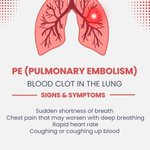
Acute pulmonary Embolism (acute PE) can be sudden and serious. Recent headlines are a reminder to know the signs. Learn what to watch for and when to get help. If you suspect PE, call 911.
BCRN retweeted
Did you know?
Any disease affecting fewer than 200,000 people in the US is considered rare.
#ShowYourStripes ##RareDiseaseAwarenessMonth
BCRN retweeted
Medical storytelling is one of the most compelling ways to share important healthcare information. It's also a crucial way to empower people who have been affected by health issues or lost loved ones due to dangerous blood clots.
If you or someone you know has been affected by blood clots connected to hormonal birth control, pregnancy, or hormone therapy we would welcome the opportunity to share your story.
Please help us raise awareness. Type the following link into your web browser to submit your story to share on our website, across our social media channels, and in the upcoming issue of our Women's Health & Clotting Quarterly:
bit.ly/mystorymyvoice26
BCRN retweeted
Snow boots today…sand between your toes tomorrow.
As winter weather continues to affect parts of the country, we hope those impacted are staying safe and warm. When the time feels right, planning a future warm escape can be something to look forward to.
When you book winter travel through our trusted partner Adam Endick Travel, a portion of your trip helps support the mission of the Rowan Foundation.
Learn more: bit.ly/travel_26
BCRN retweeted
A family tree holds more than memories. It also carries clues about your health. Genetic clotting disorders can pass from one generation to the next. Starting a simple conversation about family health history could save a life. Learn more: bit.ly/genetic-clotting
BCRN retweeted
Not sure what questions to ask about blood clots and women’s health? This simple checklist was created to help women start informed conversations with their healthcare providers about blood clot symptoms, risk factors, birth control, pregnancy, travel, surgery, and more. Blood clots can be life-threatening, but they’re often preventable with the right information and the right questions. Save this checklist for future appointments and share it with someone you care about: bit.ly/checklist-26