

Senior at the University of Washington Studying Environmental Studies, Diversity, and Sales Love to talk about #sustainability and our collective #climateaction
Joined October 2020
- Tweets225
- Following76
- Followers62
- Likes495







Alright everyone - here's the link to Cohort Happy Hour starting at 5:00! I've enabled a waiting room for security, so be sure that I can recognize you from your screen name! If you have any questions or trouble, feel free to DM me here! See you soon! washington.zoom.us/j/9312528…

Take every opportunity you can to learn something new, and cherish your cohort while you have them! I'm sad to say goodbye to my cohort, but I've learned so much from them over the years. Look out for one another, support each other whenever you can, and stay in touch!
1
1
Finally, never forget what drove you to become an environmental studies major in the beginning. We've all got a million reasons - yours will inspire and drive you straight past the finish line. Forge new friendships, learn a lot, make a difference, and enjoy the journey! #POECap
2
2
Frequently referenced the Cornell Lab of Ornithology's @MacaulayLibrary and @BirdNET_App, online tools and publications from @audubonsociety and @xenocanto over the course of my research and internship. Great tools for understanding birds and their many calls!
1
Looks like a plurality of voters picked Thursday after graduation for a cohort happy hour (don't worry - if you can't make that one, we'll be sure to have another!)
Vote on a start time in the poll below! Excited to see everyone - I'll send out a zoom link on Wednesday!
When should it happen?
39%Thursday June 10th
22%Friday June 11th
22%Over the weekend 12-13th
17%Later, 14th-20th
18 votes • Final results 1
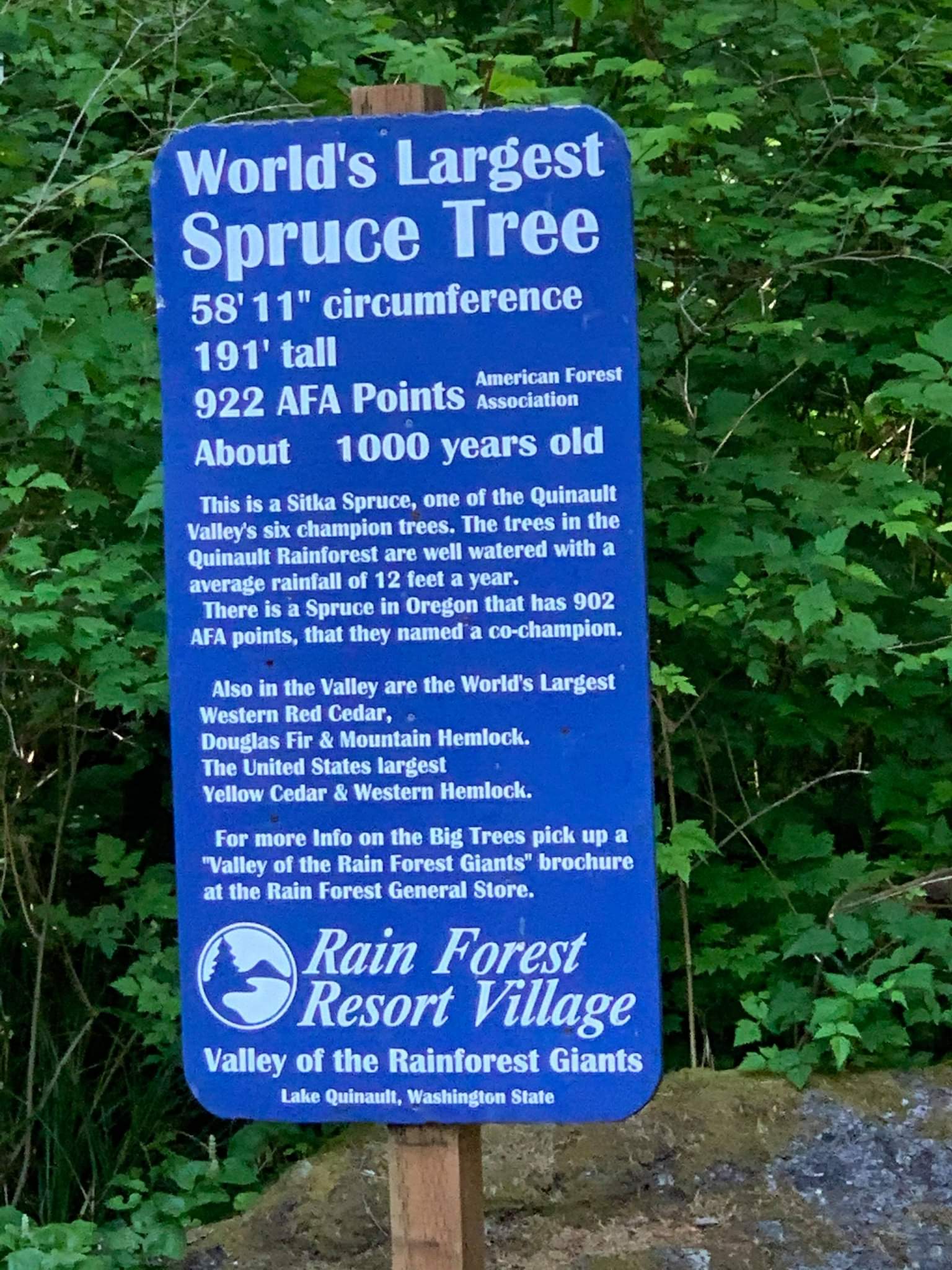
Had the chance to visit the world's largest spruce tree last weekend. The picture does not do it justice, I highly recommend a peninsula tree pilgrimage! Lot's of amazing (and enormous) trees out there!

One really useful source in my #songbird #indicatorspecies research came from @harrisecology and @MattBetts11 - "Bird abundance is highly dynamic across succession in early seral tree plantations"
Check it out! Very interesting study:
sciencedirect.com/science/ar…
1
When should it happen?
39%Thursday June 10th
22%Friday June 11th
22%Over the weekend 12-13th
17%Later, 14th-20th
18 votes • Final resultsSignificance:
Forest studies can be more temporally resilient and resource efficient via thorough research and frequent reevaluation of indicator species. We must continue reworking indicator selection processes to address the challenges and opportunities of the future. (6/6)
Results Pt. 2:
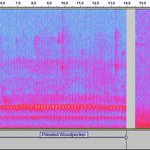
For passive acoustic monitoring, frequent and unique vocalizations are most essential. The calls of the Pileated Woodpecker and Northern Flicker are hard to tell apart (see below). Avoiding sound-alikes makes for more efficient and accurate data processing. (5/6)

Results Pt. 1:
For climate change, the key to an effective indicator species set is diversity. Picking species that have diverse needs will allow for diverse responses when climate impacts occur. Disparate responses from diverse birds = climatic realities illuminated! (4/6)
Internship/Methods:
I completed this research while interning with @waDNR. I mostly validated data from PAM surveys.
I also completed a literature review focused on current indicator selection criteria and the projected effects of climate change on the Olympic Peninsula. (3/6)