

🧬 A community that understands life through interdisciplinary perspectives.
Joined June 2026
- Tweets72
- Following22
- Followers9
- Likes129


Scientists cut “bad” cholesterol by 52.5% with a single-dose CRISPR therapy #CRISPR #GeneEditing #Cardiology


Scientists produce biologically active vitamin B12 in the microalga Spirulina for the first time
#Biotechnology #Microalgae #VitaminB12

Harvard researchers develop a new technology capable of performing real DNA synthesis on a chip #Bioengineering #DNA #Biotechnology

Scientists discovered how triple-negative breast cancer recruits nerves into tumors. Macrophages release BDNF to promote nerve growth, while blocking BDNF reduced both nerve formation and tumor growth in mice.
#BreastCancer #CancerResearch #Neuroscience

CSBIO | Biological Sciences and Engineering retweeted

Does DNA only encode which protein a cell should produce, or can it also encode information about how it should be produced?
In synthetic biology, we optimize codon usage, GC content, mRNA stability, and translation efficiency.

A study of more than 21,000 women found that estrogen therapy was associated with lower rates of dementia and fewer Alzheimer’s-related changes in the brain. #Estrogen #Alzheimers #BrainHealth

New findings suggest that elevated Lp(a) may contribute to cardiovascular risk even when conventional cholesterol measurements appear normal. #LpA #CardiovascularHealth #Genetics

In an analysis of 20070 participants, Lp(a) levels of ≥175 nmol/L were associated with a 31% higher risk of major cardiovascular events, a 49% higher risk of cardiovascular death, and a 64% higher risk of stroke. No significant association with myocardial infarction was observed
Scientists have developed a new therapeutic approach that could reduce autism-related symptoms. Targeting SLC6A20 restored key brain signaling in preclinical models.
#Autism #Neuroscience #Science

Scientists have identified a new immune cell that destroys bacteria by exploding within seconds. The findings could inspire future therapies for infections and cancer.
#Science #Immunology #Biotechnology

The immune system may be even more fascinating than we thought. Stanford researchers identified a new immune cell, called a ruptoblast, that eliminates nearby targets by exploding.
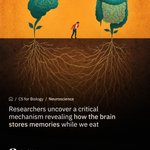
Eating is about more than energy. A new study shows that signals traveling from the stomach to the brain directly support memory formation while we eat. #Neuroscience #Memory #Science

Logan Lauer and Scott Kanoski's team found that the vagus nerve triggers acetylcholine release in the hippocampus, helping the brain encode where and what we eat.
Scientists have found that arginine, a common amino acid, may help the immune system recognize cancer cells and viruses. #Cancer #Immunology #Science

The Rockefeller University study, published in Cell, showed that low arginine levels may reduce MHC-I production, weakening immune surveillance.