




This blog post offers three strategies for state Medicaid agencies to strengthen the role of primary care in connecting members to Food is Medicine services. bit.ly/4xNLhuP

Work capacity is rarely a simple yes-or-no determination. Two people with the same disability may have very different abilities to work. CHCS’ blog post explores what that means for Medicaid's medical frailty exemption. bit.ly/4yslhq6 @mydfi_nab #NDEAM

How can health and community-based sectors help older adults build stronger social connections? This @CHCShealth Evidence Roundup explores the evidence for social prescribing and offers resources for putting it into practice: bit.ly/46W4dg4 @johnahartford

Food is Medicine (FIM) services are taking off in Medicaid. But simply creating a new benefit doesn’t guarantee eligible members will use it. How can states effectively connect members to FIM? Primary care is key. bit.ly/4xNLhuP
For states implementing federal Medicaid work requirements, engaging members and community orgs can help reduce the risk of unnecessary coverage loss. This CHCS tipsheet highlights practical strategies. bit.ly/4jcdAiY

CHCS interviewed rural providers across 10 states to develop practical considerations for improving access to behavioral health care and strengthening a community-based workforce. bit.ly/4d4wnsS

CGMs can help people with diabetes manage blood sugar in real time — improving outcomes and potentially lowering costs. Understand the barriers to CGM access and how states can expand coverage in this explainer: bit.ly/4xY3lmp

Several psychedelic medications are in FDA review, raising coverage & access questions for Medicaid programs. In this blog post, CHCS President & CEO Allison Hamblin outlines 5 reasons Medicaid leaders should pay attention to psychedelic-assisted therapy. bit.ly/4y1jpVi

People dually eligible for Medicare & Medicaid often face fragmented care across two complex systems. A new CHCS toolkit translates their feedback into practical actions states can take to improve integrated care. bit.ly/4c6j1fd @TheSCANFndtn

The Medicaid Pathways Program has supported 100 rising #Medicaid leaders from 37 agencies, helping strengthen the leadership pipeline nation wide. Hear reflections from program alumni on the importance of focused leadership development. bit.ly/3U96ilS @RWJF

WEBINAR | Sept. 15, 2–3 pm ET: Hear from dually eligible individuals and Medicaid agency staff about practical actions states can take to make integrated Medicare-Medicaid programs more responsive to dually eligible individuals’ needs. bit.ly/4hTEN9M @TheSCANFndtn

Strong #Medicaidleadership teams help agencies manage competing demands by building shared ownership, working through challenges, and creating trust that helps people raise concerns early. Hear more in this episode of the podcast: bit.ly/4bLA0mM @statemedicaid @RWJF

FDA approval and state Medicaid coverage alone will not ensure access to psychedelic-assisted therapies. This CHCS report examines the evidence, care delivery, payment, and workforce considerations that can help prepare for broader access. bit.ly/4gdvpLG

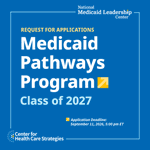
CALL FOR APPLICATIONS | The Medicaid Pathways Program supports rising #Medicaid leaders in strengthening the leadership skills needed to successfully oversee a complex organization like Medicaid. Applications are due September 11. bit.ly/45ZNVCd

For some Medicaid leaders, Medicaid & CHIP aren’t only programs they oversee — they are systems they experienced firsthand. In this latest episode, leaders from PA, ID, & OR share how lived experience informs their decisions. bit.ly/4fsZKGS
@statemedicaid @RWJF

#Medicaid agencies need strong leaders at every level to navigate change & maintain continuity. Investing in early- and mid-career staff can help prepare future leaders. Explore four steps agencies can take to strengthen leadership development: bit.ly/4fNsPvn @RWJF

Social media offer opportunities for connection, but growing evidence suggests that digital platforms negatively affect children’s behavioral health. Learn how communities can help children develop healthy relationships with technology. bit.ly/45fblDm

Member feedback is vital to effective #Medicaid programs — but listening can't stop at formal advisory councils. Medicaid leaders in PA, NV, & WI share simple, intentional practices that help build a culture where member voices help shape decisions. bit.ly/44VXxgZ

Interest in psychedelic-assisted therapy (PAT) is growing as federal & state policies evolve. This Evidence Roundup explores what PAT is, the evidence for its use in behavioral health care, and resources to help stakeholders implement it. bit.ly/45rypPh

States have a critical opportunity to improve rural health care for people with complex health & social needs. This brief explores strategies to strengthen care coordination, provider capacity, & transportation access. bit.ly/4wLeCGf @TheSCANFndtn
