

Uncovering truth and pursuing justice via in-depth recorded interviews with war and conflict survivors, conducted by legal practitioners.
Joined March 2021
- Tweets826
- Following127
- Followers1.6K
- Likes225






Throughout his career, Stefan Waespi has devoted himself to the investigation and prosecution of violations of international criminal law, bringing extensive experience to the pursuit of accountability for atrocity crimes.
Waespi will be a guest speaker at CFTJ’s 5th Annual International Conference, “Voices Against Erasure: Victims of Atrocity Crimes in an Age of Impunity.”
📍 American University of Armenia, Yerevan
📅 November 13–14, 2026
Stay tuned as we introduce more of this year’s speakers.
Register for free at: cftjustice.org/conference-20…
On October 6, CFTJ joined the discussion on “Big Tech, AI and Feminist Digital Accountability,” in the Hague within the framework of Gender Justice in International Criminal Law Conference 2026,
exploring how emerging technologies are reshaping accountability work and creating both new opportunities and new risks for practitioners and affected communities.
Maria Gevorgyan, Legal Adviser, shared insights from CFTJ work, as well as touched upon questions of harm created by circulation of footage of alleged war crimes, the power of digital platforms, and survivor-centered accountability and responsible use of technology in areas such as evidence preservation, analysis, and international Justice.
CFTJ thanks Women's Initiatives for Gender Justice, the Gender Justice Practitioner Hub, Legal Action Worldwide (LAW), and the ISS Legal Mobilization Platform for creating a safe space space and a meaningful platform for exchange on how to improve gender Justice.

The Center for Truth and Justice is pleased to announce that it has joined the Coalition for a Convention on Crimes Against Humanity (C-CAH).
C-CAH brings together civil society organizations, academics, practitioners, and other experts committed to achieving an effective, victim- and survivor-centered, and non-discriminatory international convention on the prevention and punishment of crimes against humanity. The Coalition is values-based and works to support the progressive development of international law and strengthen efforts to combat impunity.
For CFTJ, joining the Coalition is a natural extension of our work documenting serious human rights violations, supporting affected communities in Armenia, and advocating for accountability at the international level.
The development of a strong global convention on crimes against humanity is particularly important for communities that have experienced mass atrocities and continue to face barriers to justice. For Armenians affected by conflict, displacement, and serious human rights violations, stronger international mechanisms for prevention, accountability, international cooperation, and victims’ rights can contribute to closing persistent gaps in the international legal framework.
By joining C-CAH, CFTJ looks forward to bringing its experience working with Armenian affected communities and documenting violations to this global civil society effort, while learning from and working alongside organizations and experts from other contexts.
We are proud to contribute to the collective effort toward a strong and inclusive Convention on Crimes Against Humanity.


“They feel like a body without any soul, and that is because the Iraqi government has not made any effort to apply the principles of truth and justice.”
Standing before a monument depicting a hollowed-out, headless body, Sarkawt Jalil reflects on the lasting impact of the crimes committed against Iraq’s Kurdish population under Saddam Hussein’s government.
For survivors and families of victims, the absence of accountability and reparations does not end when the violence ends. It continues to shape how they live with what was taken from them.
At Voices Against Erasure: Victims of Atrocity Crimes in an Age of Impunity, Sarkawt Jalil will join an international group of speakers examining the experiences of victims and affected communities, and what justice requires when accountability remains out of reach.
November 13–14, 2026
American University of Armenia
Learn more and register at cftjustice.org/conference-20…
On September 17, 2026, CFTJ Board President Gor Mnatsakanyan addressed letters to a full list of ambassadors to Azerbaijan, regarding the recent state-guided tour of Nagorno-Karabakh organized by Azerbaijani authorities.
During the tour, Armenian historical and religious sites, including the medieval Gandzasar and Dadivank monastery complexes, were presented under altered historical identities.
The concern extends beyond how these sites are presented. Azerbaijan continues to restrict access to Nagorno-Karabakh for independent NGOs, international monitors, and human rights organizations. This leaves diplomatic representatives among the few international actors with access to observe conditions on the ground.
CFTJ is calling on diplomatic missions to go beyond state-curated tours by conducting independent, unescorted visits to Armenian cultural and religious sites, documenting their physical condition, and maintaining sustained diplomatic monitoring.
Independent observation and factual documentation are essential to preserving the historical record and tracking what happens to these sites over time.
CFTJ remains available to provide background documentation and data to assist diplomatic missions in their monitoring efforts.


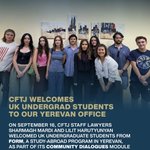
On September 16, CFTJ Staff Lawyers Sharmagh Mardi and Lilit Harutyunyan welcomed a group of UK undergraduate students from FORM to CFTJ’s Yerevan office as part of the program’s Community Dialogues module.
FORM is a study-abroad program that connects students with organizations and individuals working across civil society, research, journalism, and community initiatives. Through these conversations, students have the opportunity to learn more about Armenia’s social and political landscape directly from those working in the field.
During their visit, Sharmagh and Lilit spoke about how CFTJ began, the history and context of the conflict, and the organization’s ongoing work to document war crimes and human rights violations. The discussion covered conflict-related and gender-based violence, Armenian POWs and enforced disappearance cases, attacks on Armenia proper, the destruction of Armenian cultural heritage, and the legal mechanisms available for accountability.
The presentation was followed by an active Q&A and discussion, allowing students to engage directly with CFTJ’s work and ask questions about documentation and accountability. The visit concluded with a tour of CFTJ’s Yerevan office.
Creating spaces for direct dialogue is an important part of helping students engage with Armenia’s civil society landscape and understand the work being done to document violations and pursue accountability.


Survivor's voices are the key to justice, accountability, and remembrance.
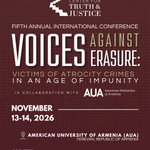
On November 13–14, 2026, the Center for Truth and Justice, in collaboration with the American University of Armenia, will convene its fifth annual international conference, Voices Against Erasure: Victims of Atrocity Crimes in an Age of Impunity.
Bringing together practitioners, experts, and civil society voices from all over the world, the conference will examine the role of victims and affected communities in shaping justice and accountability.
📍 American University of Armenia, Yerevan
📅 November 13–14, 2026
Register at: cftjustice.org/conference-20…
On September 10, 2026, CFTJ’s staff lawyers Sharmagh Mardi and Lilit Harutyunyan gave a presentation followed by a Q&A as part of the German-Armenian Leadership Exchange in Yerevan, Armenia. They were invited by the founder of the Armenian Agency of Germany, which organized the exchange bringing together 21 young leaders from Germany and Armenia working across politics, public administration, technology, and civil society.
They presented CFTJ’s work, spoke about how the initiative started, and provided historical context on the Artsakh conflict, including Azerbaijan’s violations against Armenians. They covered CFTJ’s documentation of war crimes and human rights violations, including conflict-related and gender-based violence, Armenian POWs and enforced disappearance cases, attacks on Armenia proper, destruction of Armenian cultural heritage, and the legal mechanisms available for accountability.
The session concluded with an engaging exchange of questions and perspectives, highlighting the importance of connecting young leaders across borders to deepen understanding and strengthen engagement on human rights and accountability.
Thank you to Armenian Agency of Germany, BDKJ Berlin, and AGBU Armenia for organizing this event.


Միացե՛ք մեր առաջին հանրային իրազեկման վեբինարին՝ «Հայաստանը և Միջազգային քրեական դատարանը (ՄՔԴ). նախնական քննություն, կոմպլեմենտարության սկզբունք և տուժողների իրավունքներ» թեմայով։
Հռոմի կանոնադրությանը Հայաստանի միանալուց հետո մեր երկիրը թևակոխել է նոր փուլ։ Այժմ առավել քան երբևէ կարևոր է հասկանալ, թե ինչ կարող է և չի կարող անել ՄՔԴ-ն, ինչպես է իրականացվում նախնական քննությունը, ինչ է ենթադրում կոմպլեմենտարության սկզբունքը, և ինչ իրավունքներ ունեն տուժողները Հռոմի կանոնադրության շրջանակներում։
Վեբինարը կներկայացնի այս հարցերի մատչելի և գործնական քննարկում՝ տուժողակենտրոն ձևաչափով, որին կմասնակցեն ՄՔԴ-ի փորձագետներ և տուժած համայնքների ներկայացուցիչներ։
📅 Սեպտեմբերի 18
🕒 15:00–16:30 (Կենտրոնական Եվրոպայի ամառային ժամանակով՝ CEST)|
17:00–18:30 (Հայաստանի ժամանակով` AMT)
Բանախոսներ՝
• Համակարգող՝ Մարիա Գևորգյան՝ Ճշմարտության և արդարադատության կենտրոն
• Յանա Ավանեսյան՝ Վկաների և վերապրածների համայնքի ներկայացուցիչ
• Կլաուս Մոլիտոր՝ Միջազգային քրեական դատարանի դատախազի գրասենյակ
• Էուխենիա Վալենսուելա՝ Միջազգային քրեական դատարանի դատախազի գրասենյակ
• Պաոլինա Մասիդդա՝ Միջազգային քրեական դատարանի Տուժողների հանրային պաշտպանության անկախ գրասենյակ
Անկախ նրանից՝ վերապրող եք, իրավապաշտպան, իրավաբան, ուսանող, թե պարզապես հետաքրքրված եք թեմայով, այս վեբինարը հնարավորություն է անմիջականորեն հաղորդակցվելու ՄՔԴ փորձագետների հետ և ավելի հստակ պատկերացում կազմելու միջազգային արդարադատության ու պատասխանատվության մասին։
🔗 Գրանցվե՛ք հետևյալ հղումով՝ shorturl.at/rrTN1
---
Join us for our first outreach webinar exploring Armenia and the International Criminal Court (ICC): Preliminary Examination, Complementarity, and Victims' Rights.
As Armenia begins a new chapter following its accession to the Rome Statute, it is more important than ever to understand what the ICC can and cannot do, how preliminary examinations work, the principle of complementarity, and what rights victims have within the Rome Statute system.
This webinar, offered in both Armenian and English language, will provide an accessible, practical introduction to these issues through a victim-centred discussion featuring experts from the ICC and a representative of the affected community.
📅 September 18
🕒 15:00-16:30 CEST | 17:00-18:30 AMT
Speakers:
• Moderator: Maria Gevorgyan, Center for Truth and Justice
• Yana Avanesyan, Witness and Survivor Community
• Claus Molitor, Office of the Prosecutor, ICC
• Eugenia Valenzuela, Office of the Prosecutor, ICC
• Paolina Massidda, Office of Public Counsel for Victims, ICC
Whether you're a survivor, advocate, legal professional, student, or interested member of the public, this webinar is an opportunity to engage directly with ICC experts and gain a clearer understanding of international justice and accountability.
🔗 Register via shorturl.at/rrTN1


Join the Center for Truth and Justice and the American University of Armenia (@auatweets) for the Fifth Annual International Conference: “Voices Against Erasure: Victims of Atrocity Crimes in an Age of Impunity.”
The conference aims to place victims and affected communities at the center of discussions on justice, accountability and remembrance. At a time when international justice is facing increasing political pressure and impunity remains a reality in many conflicts, the conference will bring together practitioners, experts and civil society voices to examine how victims’ experiences can meaningfully shape legal and policy responses. Its broader goal is to strengthen dialogue across disciplines and regions and to reaffirm the importance of preserving truth, memory and accountability in the face of attempts to silence or erase them.
📍 American University of Armenia (AUA), Yerevan, Republic of Armenia
🗓️ November 13–14, 2026
🎟️ Registration is free at cftjustice.org/conference-20…

Observed annually on July 17, International Justice Day marks the anniversary of the 1998 adoption of the Rome Statute, which established the International Criminal Court. It is a global day of action to promote victims’ rights, fight impunity, and strengthen international criminal justice.
CFTJ stands with victims of international crimes by amplifying the voices and stories of Armenian victims, witnesses, the affected civilian population in Armenia. Over 200 square kilometers of Armenian sovereign territory in the provinces of Gegharkunik, Syunik, Vayots Dzor, Tavush and Ararat has been occupied since 2021, while Azerbaijan continues to attack Armenian territory and threaten civilian life, security, and dignity.
CFTJ has documented testimony from witnesses of these acts, including first-hand testimonies from the residents of Khoznavar and Khnatsakh villages of Syunik region.
The crime of aggression is the crime that opens the door to many others. CFTJ therefore continues to stress the importance of the Kampala amendments and the need to harmonize the Court’s jurisdiction over the crime of aggression so that all victims, including in Armenia, can have equal access to justice and meaningful deterrence.
CFTJ remains actively committed to this advocacy in the lead-up to the 2027 intersessional meeting and the 2029 ASP Special Session. We invite you to read CFTJ’s reports page to learn more about aggression and the wider patterns of international crimes it enables. We also invite you to read two statements (cftjustice.org/statement-to-…; cftjustice.org/statement-to-…) delivered by CFTJ in the lead-up to the ICC ASP 2025 Special Session on the crime of aggression, and during the session (cftjustice.org/cftj-at-the-i…), as part of its continued advocacy for harmonized accountability and equal access to justice.


Observed annually on July 17, International Justice Day marks the anniversary of the 1998 adoption of the Rome Statute, which established the International Criminal Court. It is a global day of action to promote victims’ rights, fight impunity, and strengthen international criminal justice.
On this day, CFTJ stands with victims of international crimes by amplifying the voices of Armenian POWs. During the 44-day war in 2020, Azerbaijani forces captured more than 300 Armenian soldiers. Despite the ceasefire, the fate of many Armenian POWs and missing persons remains unresolved, while families continue to live with uncertainty and loss.
CFTJ has documented testimonies from returned Armenian POWs and families of the disappeared, including accounts supported by video and photographic evidence. On International Justice Day, CFTJ amplifies the voices of repatriated Armenian POWs. Their words speak to the urgent need for truth, accountability, and justice.
We invite you to read CFTJ’s reports on Armenian POWs, including its most recent reports on Armenian hostages, cultural erasure, and the territorial integrity of the Republic of Armenia. Visit cftjustice.org/reports


Which Aliyev do we believe?
On May 10, 2026, during a meeting with families relocating to Azerbaijan's newly built residential complex in occupied Zangilan, President Ilham Aliyev dismissed concerns that Azerbaijan posed a threat to Armenia, declaring that his government had never intended to destroy Armenia or undermine its sovereignty.
Yet his own public record tells a different story.
Our latest report examines years of Aliyev's official speeches, interviews, and public statements alongside his most recent remarks. Viewed together, they reveal repeated assertions of territorial claims over the sovereign territory of the Republic of Armenia that stand in direct contradiction to his recent claim.
Read the full report, including full quotations and source references, at cftjustice.org/conflicting-n….


From 8-12 June 2026, the Center for Truth and Justice (CFTJ) participated in the ICC–NGO Roundtables in The Hague, convened by the Coalition for the International Criminal Court (CICC) hosted by the International Criminal Court (ICC).
Representing CFTJ, Legal Adviser Maria Gevorgyan engaged with ICC officials, diplomats, civil society actors, and victims in high-level discussions on core international crimes, including genocide, deportation, conflict-related sexual violence, persecution, and torture.
CFTJ’s participation marked its first in-person engagement at the Roundtables and the only representation dedicated to accountability efforts relating to Armenia and victims affected by ongoing violations. In this capacity, CFTJ elevated Armenia-focused accountability within the broader ICC dialogue. Alongside plenary discussions, it conducted targeted bilateral meetings with Court representatives and international partners, advancing key initiatives, including its Article 15 communication to the Office of the Prosecutor, as well as its work on documentation, legal analysis, and victim-centered advocacy on behalf of Armenians.
At a time of mounting pressure on international justice systems, the Roundtables serve as a critical platform to elevate underrepresented situations, including ongoing violations affecting ethnic Armenians. The roundtables also highlighted the indispensable role of civil society in documenting crimes, supporting accountability processes, and advancing victims’ access to justice.


Unpunished crimes don’t simply stay in the past. From the Armenian Genocide of 1915 to the displacement of Armenians from Artsakh in 2023, the pattern is clear: when justice is denied, violations continue.
We remember and honor those who were lost and those who survived, carrying the weight of it. We act for those who deserve to see justice in their lifetime.
#ArmenianGenocide #April24
Two years ago, CFTJ filed the first-ever communication to the International Criminal Court on behalf of the Armenian people.
That filing marked the start of a legal process, not an immediate result.
At the ICC, the Office of the Prosecutor reviews communications to determine whether there is enough basis to move forward with an investigation. This includes assessing jurisdiction, reviewing evidence, and applying strict legal standards. It is a process that takes time for a reason.
Over the past two years, CFTJ has continued to build on that work. This includes engaging legal experts, contributing to international discussions, and pushing efforts to address crimes committed during and after the 2020 war.
Progress at this level is steady and deliberate.
And the work continues.


During the U.K. Parliament Inquiry on the Cultural Destruction in Nagorno-Karabakh, CFTJ’s Narine Vlasyan presented testimony and evidence documenting the systematic erasure of Armenian cultural heritage.
From destroyed cemeteries and churches to the displacement of 120,000 Armenians, this presentation highlights what is at stake when history itself is targeted.
Hear excerpts from her remarks delivered before Members of Parliament in London.