

My name's Luka. Later on, I want to become a professional trader. Szukaj mnie na Discordzie "Giełdowi Arystokraci" Zaproszenie: https://xitter.cf/t.co/fOdfGR5kd9
Zagrzeb
Joined March 2025
- Tweets825
- Following8
- Followers837
- Likes123


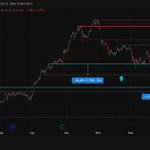


5 i 17 listopada INTC niedźwiedzie odwiedziły dolne ograniczenie strefy wsparcia. Jest szansa na choćby korekcyjny ruch do niebieskiego oporu.
Jeśli podobała Ci się to co robię, zapraszam do mojej giełdowej bazy na Discordzie.
Znajdziesz tam więcej analiz.
AF mówi, czy warto inwestować w spółkę.
AT pokazuje, kiedy to zrobić i kiedy wyjść z inwestycji, a kiedy należy cierpliwie obserwować rynek.
Zaproszenie na Discorda czeka w BIO mojego profilu. Możesz wejść i rozejrzeć się zupełnie za darmo, a jeśli klimat Ci przypasuje – będzie nam miło, jak zostaniesz na dłużej. Do zobaczenia

151
#SNT #SYNEKTIK Ależ to się pięknie zestarzało!
3 lipca przed sesją. Takie ostrzeżenia i rady, bez owijania w bawełnę, tylko na naszym Discordzie.
Zaproszenie w BIO mojego profilu.
Na marginesie. Dzień bez czyszczenia SL PKC na rachunkach inwestorów u Brokera X, dniem straconym. /patrz aktualny wykres pod spodem/


#XTB Dziś mieliśmy prezentację kompetencji analityka technicznego z naszego Discorda, pokaz działania naszej autorskiej AT w praktyce i demonstrację jak działają na rynku zlecenia obronne SL PKC u jednego z bardzo znanych polskich brokerów.
Innych zleceń SL ten broker nie posiada, jak tylko zlecenie z limitem aktywacji, które po wejściu do arkusza jest zleceniem PKC.
Prawda? Co za ironia!
O sprawie pisałem tu: xitter.cf/CEO_HossyJr/status/210…
Nikt nie podjął tematu, bo przecież nie gryzie się ręki która karmi. Mam nadzieję, że karmi dobrze i wystarczyło? Tylko "giełdowego leszcza" szkoda.
U nas AT, jak widać na załączonych obrazkach działa.


#CRI #CREOTECH
Stop loss czy finansowa rosyjska ruletka?
O zagrożeniu, o którym zaskakująco mało się mówi
Wyobraź sobie, że masz akcje Creotech Instruments (CRI) i chcesz zabezpieczyć swój kapitał przed gwałtownym spadkiem. Nie spekulować, nie grać va banque - po prostu kontrolować ryzyko.
Weźmy sesję na GPW z 6 października 2026 r. CRI w tym dniu osiągnął maksimum na poziomie 935 zł, a minimum - 821 zł. To aż 114 zł różnicy podczas jednej sesji.
Szczególną uwagę zwraca gwałtowna przecena o godzinie 14:21, gdzie w ciągu zaledwie jednej minuty doszło do gwałtownej przeceny. Skalę ruchu w tej konkretnej minucie widać na załączonym wykresie.
Takie sytuacje pokazują zagrożenie, z którego wielu inwestorów może nie zdawać sobie sprawy.
Załóżmy, że kurs wynosi 912 zł, a ja chcę ustawić zlecenie obronne i mam rachunek u bardzo znanego brokera, nazwijmy go Broker X:
„Jeśli kurs spadnie do 900 zł, system brokera ma wysłać moje zlecenie na giełdę celem sprzedaży akcji, ale pod żadnym pozorem nie wolno sprzedać moich akcji poniżej 890 zł”.
Proste? Logiczne? Jak najbardziej.
Tyle że u naszego Brokera X, jednego z najpopularniejszych w Polsce, pojawia się poważne ograniczenie.
Mogę ustawić zlecenie SELL STOP z poziomem aktywacji 900 zł. Ale uwaga: 900 zł nie jest gwarantowaną ceną sprzedaży. To tylko zapalnik uruchamiający sprzedaż.
Po osiągnięciu poziomu aktywacji zlecenie zostaje uruchomione i trafia do realizacji bez określonego limitu ceny. Tak naprawdę jest to zlecenie PKC /po każdej cenie/ i będzie realizowane tak długo aż zostanie wypełnione. Akcje mogą więc zostać sprzedane po 899 zł, 850 zł, 821 zł, a przy dziurawym arkuszu po drugiej stronie rynku - jeszcze taniej.
Ważne zastrzeżenie: nie twierdzę, że takie zlecenie zostało złożone lub wykonane 6 października na akcjach CRI u brokera X. To przykład hipotetyczny, który ma pokazać realne ryzyko związane z mechanizmem zleceń obronnych.
I tu jest sedno problemu.
Według dostępnej dokumentacji broker X nie udostępnia klasycznego zlecenia STOP LIMIT z dwiema niezależnymi cenami. Takiego, w którym inwestor sam określa:
900 zł - aktywuj sprzedaż;
890 zł - poniżej tej ceny nie sprzedawaj.
U innych brokerów - nazwijmy ich umownie Broker A, M, N i P - takie zlecenia są dostępne.
Oczywiście STOP LIMIT z limitem aktywacji i limitem ceny również wiąże się z ryzykiem. Jeśli kurs spadnie "luką cenową" poniżej 890 zł, akcje nie zostaną sprzedane, a inwestor może ponieść jeszcze większą stratę.
Ale właśnie o to chodzi: to ja chcę decydować, które ryzyko wybieram.
Czy wolę sprzedać za wszelką cenę, nawet znacznie poniżej poziomu obrony? Czy wolę nie sprzedawać poniżej ustalonego minimum, nawet jeśli oznacza to pozostanie z akcjami podczas dalszych spadków?
To dwie fundamentalnie różne strategie zarządzania kapitałem.
Inny typ zlecenia - SELL LIMIT u Brokera X nie rozwiązuje problemu. Jeżeli kurs wynosi 912 zł, zlecenie sprzedaży z limitem 890 zł zostanie wykonane od razu, zamiast czekać na spadek. /to rodzaj zlecenia dostępny u Brokera X, często przytaczany jako argument przez inwestorów mniej obeznanych w sprawie/.
To nie jest kosmetyczna różnica w aplikacji. To fundamentalna różnica w sposobie kontrolowania ryzyka.
Dlaczego o tym piszę?
Przeszukałem internet, portale giełdowe, blogi i dyskusje inwestorów. Nie znalazłem materiału, który na konkretnym przykładzie wyraźnie ostrzegałby przed tym ograniczeniem Brokera X i jego możliwymi konsekwencjami. Być może takie materiały istnieją - jeśli tak, chętnie je poznam.
Nie twierdzę, że broker X nieprawidłowo realizuje zlecenia. Nie zarzucam mu żadnej konkretnej nieprawidłowości. Zwracam jedynie uwagę na ryzyko wynikające z braku możliwości określenia dolnego limitu ceny wykonania zwykłego zlecenia SELL STOP, które po aktywacji jest zleceniem PKC.
Ilu inwestorów naprawdę rozumie, że stop loss u tego brokera nie gwarantuje minimalnej ceny sprzedaży?
Zastanawiam się też, ile czasu potrzebuje jeden z najpopularniejszych brokerów w Polsce, aby udostępnić inwestorom tak podstawowe narzędzie jak ZLECENIE OBRONNE Z LIMITEM CENY?
Ile jeszcze lat rozwoju platformy, wdrażania nowych funkcji oraz prowadzenia kampanii reklamowych musi minąć, zanim inwestor będzie mógł samodzielnie określić zarówno moment aktywacji sprzedaży, jak i najniższą cenę, którą jest gotów zaakceptować?
Nie chodzi o nowy wykres, kolejną funkcję aplikacji czy ładniejszy interfejs. Chodzi o prawdziwe pieniądze inwestorów i możliwość świadomego zarządzania własnym ryzykiem.
A teraz kilka słów do influencerów finansowych, popularnych youtuberów i rozpoznawalnych twórców reklamujących brokera X.
Gdzie jesteście, kiedy trzeba mówić o takich zagrożeniach?
Oglądamy wasze filmy, poradniki i recenzje platform. Słyszymy o zerowych prowizjach, wygodnej aplikacji, prostocie inwestowania i kolejnych promocjach.
A gdzie informacja o tym, że zwykły SELL STOP może doprowadzić do sprzedaży akcji znacznie poniżej ceny aktywacji - bez możliwości ustawienia dolnego limitu wykonania? Narażając na poważne straty, jak miało to miejsce 6 października na CRI.
Czy sami rozumiecie tę różnicę? Czy sprawdziliście to, zanim zaczęliście polecać platformę tysiącom odbiorców? A jeśli wiedzieliście o tym ograniczeniu, dlaczego tak trudno znaleźć w waszych materiałach wyraźne ostrzeżenie?
Nie zarzucam nikomu świadomego przemilczania problemu. Pytam o odpowiedzialność i standardy edukacji finansowej.
Celowo nie oznaczam żadnego influencera, youtubera ani innej rozpoznawalnej osoby. Nie wymieniam nazwisk.
Nie chcę, aby ktokolwiek odebrał ten wpis jako atak personalny, próbę wywołania konfliktu czy sposób na budowanie własnych zasięgów dzięki cudzej popularności.
Nie chodzi o nazwiska, kliknięcia ani popularność. Chodzi o mechanizm, który każdy inwestor powinien rozumieć, zanim powierzy swoje pieniądze brokerowi.
Jeżeli zarabiacie na reklamowaniu platform inwestycyjnych, oczekiwałbym, że równie głośno będziecie mówić o ich ograniczeniach, jak o ich zaletach.
Bo link afiliacyjny to nie edukacja. Reklama to nie ostrzeżenie. A tysiące subskrybentów oznaczają nie tylko zasięgi, lecz także odpowiedzialność.
I jeszcze jedno: nie proszę o promowanie mojego profilu ani zwiększanie zasięgów tego wpisu dla samej popularności.
Proszę o rozpowszechnianie wiedzy o tym zagrożeniu.
Porozmawiajcie o nim ze znajomymi inwestorami. Sprawdźcie możliwości swoich brokerów. Jeśli prowadzicie profile, kanały lub grupy giełdowe, opiszcie ten mechanizm własnymi słowami i na własnych przykładach. Nie musicie nawet odsyłać do mojego wpisu.
Nie ma znaczenia, kto pierwszy o tym napisał. Ważne, żeby kolejny inwestor nie dowiedział się o tym ograniczeniu dopiero wtedy, gdy zobaczy cenę wykonania swojego zlecenia.
Na koniec mam jedno pytanie do tych, którzy uczą Polaków inwestowania:
Czy edukacja finansowa kończy się tam, gdzie zaczynają się niewygodne pytania o ograniczenia reklamowanego brokera?
O prawdziwej wartości edukacji finansowej nie świadczy to, ilu ludzi dzięki Wam otworzyło rachunek maklerski. Świadczy o niej również to, ilu ludzi dzięki Waszej wiedzy uniknęło kosztownego błędu.
Właśnie takie trudne, niewygodne sytuacje pokazują, ile naprawdę warta jest wasza finansowa edukacja.
Prawdziwego edukatora poznaje się nie po tym, jak przekonująco opowiada o zaletach brokera, ale po tym, czy ma odwagę równie głośno mówić o jego ograniczeniach - nawet wtedy, gdy jest to niewygodne dla reklamodawcy.
Wiedzę najłatwiej sprzedawać, kiedy wszystko jest OK. Jej prawdziwa wartość ujawnia się wtedy, gdy inwestor może stracić pieniądze.
I właśnie dlatego powstał ten post.
#GPW #CRI #Inwestowanie #StopLoss #StopLimit #EdukacjaFinansowa

1
10
2,172

🇵🇱 KRUK stracił 33%, gdy WIG20 zyskał 34%. Giełdowa okazja czy pułapka na łowców tanich akcji?
Na koniec 2025 roku akcja KRUK-a kosztowała 493,50 zł. Na zamknięciu 12 listopada 2026 roku - 331,30 zł. To spadek o niemal jedną trzecią. W tym samym czasie WIG20 urósł o ponad 34%. Trudno więc zrzucić przecenę na „słabą giełdę”.
Owszem, po drodze akcjonariusze dostali 20 zł dywidendy na akcję. Po jej uwzględnieniu strata inwestora trzymającego papier od końca 2025 roku wynosiłaby około 29%, bez podatków, prowizji i reinwestowania. Nadal boli. I właśnie dlatego warto zadać pytanie: czy rynek przesadził, czy wycenia problem, którego na pierwszy rzut oka nie widać?
Moim zdaniem odpowiedź nie kryje się w samym wykresie kursu. Kryje się w tym, jak KRUK zarabia, dlaczego ostatnio zarabia mniej i czy zdoła znów zwiększać zysk przypadający na jedną akcję.
Najpierw trzeba zrozumieć, co właściwie kupujemy?
KRUK nie jest zwykłą firmą, której sprzedaż rośnie z kwartału na kwartał wraz z liczbą klientów. Jego podstawowy biznes polega na kupowaniu pakietów wierzytelności, a potem odzyskiwaniu z nich pieniędzy przez kolejne lata. Żeby na takim zakupie dobrze zarobić, trzeba jednocześnie zapłacić odpowiednio niską cenę i trafnie przewidzieć, ile pieniędzy oraz w jakim czasie uda się odzyskać.
To ważne rozróżnienie. Jeśli KRUK odzyska od dłużników określoną kwotę, nie oznacza to, że cała ona jest zyskiem. Część spłaty stanowi zwrot pieniędzy wcześniej wydanych na zakup portfela. Zysk zależy od tego, ile z tych spłat zostanie po uwzględnieniu ceny zakupu, kosztów windykacji, finansowania i podatków.
A teraz najciekawsze: przez pierwsze dziewięć miesięcy 2026 roku KRUK odzyskał prawie 3 mld zł. To nawet trochę więcej niż rok wcześniej. Mimo tego zysk netto spadł z 877 mln zł do 753 mln zł. Innymi słowy: do firmy wpłynęło nieco więcej pieniędzy z portfeli, ale akcjonariuszom zostało mniej zysku.
To jeden z najważniejszych sygnałów ostrzegawczych w tej historii.
Czasem pada kontrargument: „Przecież EBITDA gotówkowa wzrosła!” Rzeczywiście, za dziewięć miesięcy była nieco wyższa niż rok wcześniej i przekroczyła 2 mld zł. Tyle że ten wskaźnik nie oznacza 2 mld zł wolnej gotówki, którą można wyciągnąć ze spółki. Przed KRUK-iem pozostają jeszcze m. in. odsetki od długu, podatki i potrzeby dalszego inwestowania. Dla akcjonariusza liczy się ostateczny efekt, a nie najbardziej imponująca liczba z prezentacji.
Trzeci kwartał zapalił żółte światło
Gdy spojrzymy na sam trzeci kwartał, obraz staje się mniej komfortowy. Zysk netto wyniósł około 198 mln zł - o 32% mniej niż rok wcześniej. Spadły także przychody i EBITDA gotówkowa, a koszty finansowania wzrosły. Nie mówimy więc wyłącznie o jednym księgowym drobiazgu.
Co się zmieniło? KRUK nadal odzyskuje ogromne kwoty, ale rezultaty mniej korzystnie wypadają na tle wcześniejszych oczekiwań. W tej branży liczą się nie tylko pieniądze już zebrane, lecz także prognozy przyszłych spłat. Jeśli spółka przewiduje, że posiadane pakiety przyniosą w przyszłości więcej pieniędzy, może to podnieść ich wycenę i bieżący wynik. Gdy takie korzystne aktualizacje słabną, zysk przestaje dostawać wsparcie, do którego rynek zdążył się przyzwyczaić.
W pierwszych dziewięciu miesiącach 2026 roku dodatnie korekty prognoz nadal występowały, ale były wyraźnie mniejsze niż rok wcześniej. Podobnie osłabły dodatnie różnice między rzeczywistymi wpłatami a prognozami księgowymi. To nie znaczy, że wszystkie portfele KRUK-a nagle zaczęły tracić wartość. Znaczy, że pewien ważny silnik wcześniejszego wyniku pracuje słabiej.
Zarząd sygnalizował też niedobór odzysków rzędu 4% względem własnych oczekiwań operacyjnych po dziewięciu miesiącach. Tu trzeba uważać: plan operacyjny zarządu i plan zapisany w księgach nie są tym samym. Tych brakujących wpłat nie wolno po prostu odjąć drugi raz od opublikowanego zysku. Ale jako sygnał, że rzeczywistość zaczyna rozmijać się z ambicjami spółki, mają znaczenie.
I tu dochodzimy do sedna: rynek nie musi bać się tego, że KRUK nagle przestał zarabiać. Może bać się tego, że jego przyszłe zarobki stają się trudniejsze do przewidzenia.
Rumunia i Hiszpania: dwa różne problemy
Na pierwszy plan wysuwa się Rumunia. Tam spłaty po dziewięciu miesiącach wzrosły o około 5%, ale przychody spadły aż o 31%, a EBITDA o 43%. Czyli pieniądze nadal wpływają, lecz rentowność wygląda dużo słabiej. Mniejszą rolę odegrały korzystne aktualizacje wartości portfeli. Dodatkowo wyniki w złotych obciążał kurs walutowy, choć jego całkowitego wpływu na Grupę nie można wyliczać przez proste dodanie jednej rumuńskiej pozycji.
Dla mnie wniosek jest jasny: nie wystarczy, że po kolejnym kwartale Rumunia pokaże „więcej spłat”. Chcę zobaczyć, że te spłaty przekładają się na lepszy, powtarzalny wynik, również po oddzieleniu wpływu walut.
Hiszpania wygląda inaczej. Tam wyniki częściowo się poprawiły dzięki niższym kosztom sądowym i komorniczym. To dobra wiadomość. Problem w tym, że same odzyski nadal nie w pełni spełniały prognozy księgowe, a tempo przekazywania pieniędzy z postępowań pozostaje nieregularne. Zarząd mówił również o słabości utrzymującej się w październiku i możliwości przesunięcia części odzysków na 2027–2028 rok.
Dla zwykłego inwestora oznacza to jedną rzecz: wygrana sprawa w sądzie nie jest tym samym co pieniądze na rachunku. Spółka może mieć rację co do wartości portfela, ale jeśli na gotówkę trzeba czekać dłużej, cierpią przewidywalność i tempo reinwestowania. Jednorazowy duży przelew też nie wystarczy - potrzebna jest regularność.
Na szczęście nie cała mapa KRUK-a świeci na czerwono. Polska pozostaje największym źródłem spłat, a Włochy notowały wzrost przychodów i wyników. To bardzo ważny szczegół. Mamy do czynienia z rentownym biznesem, w którym część rynków działa dobrze, a część rozczarowuje - nie z dowodem, że cały model windykacyjny przestał działać.
Najtrudniejsze pytanie: co KRUK będzie odzyskiwał za kilka lat?
Problemy z bieżącymi spłatami to tylko połowa historii. Druga dotyczy zakupów nowych pakietów wierzytelności.
KRUK kupuje portfel dziś, by przez lata ściągać z niego pieniądze. Stare portfele z czasem się wyczerpują. Jeśli nowe zakupy są za małe, za kilka lat może zabraknąć paliwa do wzrostu, nawet gdy dzisiejsze odzyski wciąż wyglądają przyzwoicie.
Po dziewięciu miesiącach 2026 roku KRUK zainwestował w nowe portfele około 1,21 mld zł, wobec 1,43 mld zł rok wcześniej. Przyczyną jest między innymi ostra konkurencja o portfele w Polsce i Rumunii. Za niektóre wierzytelności konkurenci są gotowi płacić ceny, których KRUK nie chce akceptować.
I tutaj wcale nie zamierzam ganić zarządu za każdy niewydany milion. W tej branży zbyt drogi zakup potrafi ciążyć na wynikach całymi latami. Lepiej czasem wrócić z przetargu z pustymi rękami niż kupić przyszłe rozczarowanie. Dyscyplina cenowa może być zaletą.
Ale tylko przez pewien czas. Jeśli przez kolejne kwartały KRUK nie znajdzie wystarczająco dużo rentownych portfeli, rodzi się pytanie, czy rynek zrobił się po prostu zbyt drogi, czy może konkurenci mają niższe koszty i potrafią z tych samych wierzytelności odzyskać więcej. To dwie zupełnie różne historie dla akcjonariuszy.
Dodatkowo przekaz dotyczący planowanej skali zakupów w 2026 roku nie był całkowicie spójny. W relacjach z październikowej konferencji pojawiało się zarówno około 2 mld zł, jak i około 2,5 mld zł. Nie traktowałbym żadnej z tych liczb jak obietnicy. Żeby osiągnąć te poziomy, KRUK musiałby w czwartym kwartale kupić portfele za mniej więcej 0,8–1,3 mld zł. Ważniejsze od samej kwoty będzie to, czy zakupy rzeczywiście nastąpią i czy zachowają sensowną rentowność.
To też zmienia sposób patrzenia na strategię do 2029 roku. Spółka zakładała m. in. wzrost wartości posiadanych portfeli do około 20 mld zł i rentowność kapitału bliską 20%. Na koniec września portfele miały wartość około 12,2 mld zł, a ROE - czyli zyskowność kapitału akcjonariuszy - obniżyło się do około 17%. Nie chodzi o to, żeby dziś skreślać cele. Chodzi o to, żeby zarząd pokazał wiarygodną drogę ich osiągnięcia w nowych warunkach.
Na grudzień 2026 roku zapowiedziano aktualizację perspektyw po pracach budżetowych. Nie znamy jednak konkretnego dnia ani gwarancji publikacji całkiem nowej strategii. Dla mnie to jeden z najważniejszych punktów, na które warto czekać.
Nowa technologia może pomóc. Ale prezentacja to jeszcze nie wynik.
KRUK inwestuje w nowy system operacyjny, automatyzację i lepsze wykorzystanie danych. W Polsce system zaczął już obsługiwać prawdziwe sprawy, a kolejne wdrożenia mają objąć zagranicę. Sam kierunek ma sens: szybsza obsługa, lepsze decyzje i niższy koszt odzyskania każdej złotówki mogłyby poprawić rentowność oraz dać przewagę przy kupowaniu nowych portfeli.
Nie wpisywałbym jednak pełnych korzyści do wyników za najbliższy kwartał. Po dziewięciu miesiącach na transformację przypadło około 90 mln zł kosztów i nakładów, a pierwotna strategia przewidywała znacznie większy budżet rozłożony na lata. Tymczasem w trzecim kwartale relacja kosztów obsługi portfeli do spłat wzrosła z około 22% do 25% rok do roku. Wpływ miały m. in. niższe spłaty i wyższe koszty sądowe, więc nie jest to dowód porażki nowego systemu. Jest to jednak przypomnienie, że na efekty trzeba jeszcze poczekać.
Będę patrzył nie na liczbę komunikatów o sztucznej inteligencji, tylko na to, czy porównywalną sprawę da się obsłużyć taniej, szybciej i skuteczniej.
Czy zadłużenie jest problemem? Jeszcze nie. Czy może nim zostać? Tak.
KRUK finansuje dużą część działalności długiem, bo zakup portfeli wymaga wydania pieniędzy na długo przed ich odzyskaniem. Na koniec września zadłużenie odsetkowe netto, łącznie z leasingiem, wynosiło około 7,2 mld zł. To duża kwota, ale sama w sobie niewiele mówi bez porównania do możliwości jej obsługi.
Relacja długu do EBITDA gotówkowej wynosiła około 2,7, przy wskazanym limicie umownym 4,0. Spółka miała też blisko 1 mld zł niewykorzystanych linii kredytowych, a w październiku podniosła limit dużego kredytu odnawialnego. Nie oznacza to, że dostała tę kwotę na konto; oznacza, że ma dostęp do dodatkowego finansowania na uzgodnionych warunkach.
To daje oddech. KRUK nie wygląda dziś jak firma postawiona pod ścianą przez wierzycieli. Ale uwaga: dług może stać się relatywnie cięższy nie tylko wtedy, gdy dalej rośnie, lecz również wtedy, gdy maleją zyski i gotówka potrzebne do jego obsługi. Koszty finansowania już ciążyły na wyniku za trzeci kwartał.
Jest tu jeszcze jedna pułapka interpretacyjna. Wspomniane ponad 2 mld zł EBITDA gotówkowej za dziewięć miesięcy nie jest równoznaczne z kwotą do wypłaty w dywidendzie. KRUK pokazał około 649 mln zł przepływów operacyjnych. W tej pozycji uwzględnił już zakupy portfeli - nie wolno ich odejmować ponownie. Po uwzględnieniu wskazanych w sprawozdaniu wydatków inwestycyjnych, leasingu, zapłaconych odsetek i przepływów z zabezpieczeń pomocniczy rachunek daje około 222 mln zł.
To nie jest oficjalnie wyliczony wolny przepływ pieniężny ani prognoza, ile spółka może wypłacać co roku. Dla porównania w tym okresie wypłaciła 391 mln zł dywidendy. Czy to znaczy, że zabrakło pieniędzy? Nie. Spółka może korzystać także z zasobów bilansowych i finansowania. Pokazuje to natomiast, dlaczego nie wolno patrzeć tylko na efektowną „gotówkową EBITDA” i zakładać, że cała zamienia się w pieniądze dla akcjonariusza.
A może przy tej cenie KRUK jest już po prostu tani?
Przy kursie 331,30 zł z 12 listopada wycena wygląda na pierwszy rzut oka kusząco. Historyczne C/Z wynosi około 6,7. Po ludzku: giełda wycenia spółkę na niespełna siedmiokrotność zysku osiągniętego przez ostatnie dwanaście miesięcy. C/WK to około 1,12 - cena rynkowa jest niewiele wyższa od przypadającego akcjonariuszom kapitału księgowego.
Taki zestaw oczywiście przyciąga uwagę. Ale niskie C/Z ma pewien haczyk: opiera się na zysku, który już został zarobiony. Jeśli przyszłe zyski spadną, spółka może okazać się znacznie droższa, niż sugeruje dzisiejszy mnożnik. Przecena o 33% nie jest sama w sobie dowodem, że rynek popełnił błąd.
Z kolei wartość księgowa KRUK-a opiera się przede wszystkim na portfelach wierzytelności i prognozach przyszłych spłat. Na koniec września portfele miały wartość bilansową około 12,2 mld zł, ale ich wycena do wartości godziwej wynosiła około 11,5 mld zł. Różnica to około 719 mln zł.
Zaznaczam od razu: to NIE jest automatyczny odpis ani „dziura” do natychmiastowego odjęcia od kapitału spółki. Metody wyceny są różne. To jednak sygnał, by nie traktować C/WK jako żelaznej podłogi pod kursem. Jeśli przyszłe spłaty rozminą się z założeniami, papierowa wartość aktywów nie obroni sama siebie.
Dywidenda? Za 2025 rok wypłacono 20 zł na akcję. W relacji do kursu 331,30 zł byłoby to około 6%, ale mówimy o wypłacie historycznej, a nie obietnicy na przyszły rok. Polityka dywidendowa jest uzależniona od zysku i poziomu zadłużenia. Możliwe dodatkowe wypłaty w 2027 roku były sygnalizowane warunkowo. Większa dywidenda może być miłym zwrotem gotówki dla inwestora, ale czasem oznacza też, że spółka nie widzi dość atrakcyjnych okazji do reinwestowania.
Warto także pilnować, ile wyniku rzeczywiście przypada na jedną akcję. Programy motywacyjne mogą zwiększać liczbę akcji, a podatki i koszty finansowania zmniejszać zysk pozostający właścicielom. To właśnie dlatego interesuje mnie nie tylko wielkość całej Grupy, ale przede wszystkim jej zdolność do wzrostu wartości dla pojedynczego akcjonariusza.
I jeszcze drobna przestroga dla polujących na „sygnały grubych ryb”: listopadowych zawiadomień dotyczących Goldman Sachs nie można czytać jako prostego dowodu wielkich zakupów akcji na lata. Znaczącą rolę odgrywały instrumenty finansowe, w tym swapy i pożyczanie papierów. Samo przekroczenie progu zgłoszeniowego nie jest rekomendacją kupna.
Co musiałoby się wydarzyć, żebym patrzył na KRUK-a bardziej optymistycznie?
Nie czekam na jeden magiczny kwartał. Chcę zobaczyć ciąg dowodów.
Najpierw Rumunia: poprawa rentowności i odzysków, której nie wyjaśnia wyłącznie korzystniejszy kurs waluty. Potem Hiszpania: pieniądze faktycznie wpływające na rachunek, regularnie, a nie wyłącznie obietnica ich odzyskania po zakończeniu spraw. Równolegle Polska i Włochy powinny dalej utrzymywać mocną bazę biznesu.
Następnie zakupy. Większa kwota wydana na portfele sama w sobie niczego nie załatwia. Sukcesem będzie możliwość kupowania ich wystarczająco dużo i z dobrym oczekiwanym zwrotem. Gdyby KRUK musiał przepłacać, żeby pokazać wzrost, wolałbym mniejsze zakupy. Gdyby jednak atrakcyjnych zakupów brakowało przez lata, trudno byłoby obronić dawne ambicje rozwoju.
W grudniowej aktualizacji perspektyw chciałbym usłyszeć konkretną odpowiedź: jak nowe założenia dotyczące spłat i zakupów zmieniają oczekiwane wyniki na 2027 rok i drogę do celów na 2029 rok? Wiarygodne, nawet skromniejsze cele będą lepsze niż efektowne hasła bez planu. Sprawdzę także, czy nowe technologie zaczynają obniżać koszty, a zadłużenie pozostaje pod kontrolą.
Na koniec najważniejszy test: czy poprawa przekłada się na gotówkę po kosztach finansowania i na zysk przypadający na akcję? Nie na rekord komunikatów, nie na najbardziej imponujący wskaźnik z prezentacji, lecz na realną korzyść właściciela.
Moja ocena: tania wycena, ale nie okazja.
Widzę dla KRUK-a dwa możliwe scenariusze. W lepszym Rumunia stabilizuje wyniki, Hiszpania przyspiesza regularne odzyski, Polska i Włochy nadal dowożą, a spółka znowu znajduje atrakcyjne portfele. Jeśli do tego technologie rzeczywiście poprawią koszty, obecna wycena może z perspektywy czasu wyglądać bardzo interesująco. Rynek często reaguje już na wiarygodne pierwsze oznaki poprawy - nie musi czekać na cały rok dobrych wyników.
W gorszym scenariuszu słabsze odzyski okazują się trwalsze, nowe portfele pozostają drogie, a dawniej kupione aktywa stopniowo się spłacają. Wtedy KRUK nadal może zarabiać i wypłacać dywidendy, ale przestaje być firmą rosnącą w tempie, za które inwestorzy byli gotowi płacić więcej. Niskie historyczne C/Z może być nie promocją, tylko odbiciem niższych przyszłych zysków.
Dlatego nie kupuję automatycznie opowieści „spadło o jedną trzecią, więc musi odbić”. Nie skreślam też KRUK-a, bo jego podstawowy biznes wciąż generuje ogromne spłaty, a finansowanie daje czas na poprawę.
Na dziś KRU to dla mnie spółka do uważnej obserwacji, a nie bezdyskusyjna okazja.
Wycenę można uznać za ciekawą. Tezę inwestycyjną - dopiero wtedy, gdy kolejne wyniki potwierdzą, że KRUK potrafi odzyskiwać przewidywalnie, kupować rozsądnie i zwiększać wartość przypadającą na jedną akcję.
Analiza fundamentalna na podstawie informacji dostępnych do końca 12.11.2026 r. Kurs 331,30 zł to kurs zamknięcia z tego dnia. Dane z 13 listopada nie zostały uwzględnione.
Rozbudowana wersja analizy jest dostępna na życzenie, dla community Discorda.
Materiał ma charakter analityczny i nie stanowi indywidualnej rekomendacji inwestycyjnej.
#KRUK #KRU #GPW #Giełda #Inwestowanie #AnalizaFundamentalna #Akcje #WIG20
Jeśli podobała Ci się ta analiza, zapraszam do mojej giełdowej bazy na Discordzie.
Znajdziesz tam „drugą nogę” moich wpisów z X, czyli Analizę Techniczną (AT).
AF mówi, czy warto inwestować w spółkę.
AT pokazuje, kiedy to zrobić i kiedy wyjść z inwestycji, a kiedy należy cierpliwie obserwować rynek.
Zaproszenie na Discorda czeka w BIO mojego profilu. Możesz wejść i rozejrzeć się zupełnie za darmo, a jeśli klimat Ci przypasuje – będzie nam miło, jak zostaniesz na dłużej. Do zobaczenia!

bitcoin:native #OKX #Bitcoin
Rozpiska dla pary BTCUSDC. Wykres dla giełdy OKX gdzie się przeniosłem z BINANCE.
Binance zaczyna naliczać opłaty od aktywów zgromadzonych na kontach klientów z PL, poczynając od 29 listopada. 31 grudnia definitywnie zamyka konta inwestorów z Polski.
Pełne wersje moich AT są dostępne na Discordzie. Wejściówka za free w moim BIO.

3
406
🇺🇸 PORSCHE IS MAKING A COMEBACK. BUT 2027 COULD BE THE REAL TEST FOR INVESTORS.
Period covered: January 1 - November 12, 2026. Exchange: Xetra (XETR), Frankfurt. Information as of November 12, 2026.
Reference price: Xetra close on November 12, 2026, €45.80.
Porsche is emerging from one of its toughest stretches in years. Earnings look respectable again, its automotive business has a substantial financial cushion, and a new management team has laid out a roadmap to restore profitability. But customers are taking delivery of fewer cars, parts of the lineup are being phased out, and the biggest payoffs from upcoming models are still years away.
At first glance, this looks like a turnaround. Pop the hood, though, and the story gets more complicated. Much of the earnings recovery reflects a sharp drop in the extraordinary costs that hammered last year's results. Cash flow also got a major lift from the sale of Porsche's stakes in Bugatti Rimac and Rimac Group. Management has even cautioned that 2027 could bring lower vehicle volumes and operating earnings than 2026.
For me, the central question is no longer whether Porsche can bounce off the bottom. On a reported earnings basis, it already has. What matters now is whether it can consistently earn attractive profits on fewer vehicles, without relying on one-off asset sales, while paying to bring new models to market. That's how I assess the business. Whether the stock is worth buying at a given price is a separate question.
Why did earnings rebound so sharply?
To understand 2026, you have to remember just how bad 2025 was. Porsche generated €36.3 billion in revenue, but operating profit collapsed to just €413 million. Its operating margin, the share of sales left after operating expenses, fell from more than 14% to 1.1%. The company was moving fewer cars while footing the bill for a strategic reset, troubled battery programs, restructuring, and U.S. import tariffs.
Over the first nine months of 2026, operating profit recovered to roughly €1.74 billion and the margin climbed to 6.9%, even as revenue remained slightly below the year-earlier level. That's real progress. But here's the catch: exceptional restructuring and strategic charges fell from approximately €2.7 billion to €0.5 billion. That reduction was larger than the increase in reported operating profit itself.
It doesn't make the improvement fake. It means we shouldn't confuse lower exceptional charges with a comparable jump in the profitability of selling cars. Earnings also benefited from the release of previously booked provisions following agreements with suppliers. Reversing a provision improves accounting profit, but it doesn't bring a new customer through the showroom door or create a fresh car-sale cash inflow.
The quarter-by-quarter picture adds another wrinkle. Porsche's operating margin was roughly 8.5% in Q2, then fell to about 4.8% in Q3. The year-earlier third quarter had posted a huge operating loss, so the year-over-year recovery is undeniable. But I wouldn't describe 2026 as a straight-line acceleration. Future reports will have to show what margins look like when exceptional items and spending patterns settle down.
Cash flow looks great. But where did the money come from?
Porsche's automotive net cash flow, a company-defined measure of cash generated by its car business after specified investment spending, rose more than 86% over nine months to roughly €2.5 billion. That headline sounds like decisive evidence of a turnaround.
There's an important qualification. In September, Porsche completed the sale of its stakes in Bugatti Rimac and Rimac Group, bringing in about €984 million at the group level. That's real cash, and it strengthens the balance sheet. But it didn't come from recurring car sales. You can sell an asset once; you can't sell the same stake again every quarter.
So I ran a simple cross-check. I removed the entire line item for changes in equity investments from both comparison periods. On that basis, growth in the automotive cash-flow measure comes to roughly 8.6%, not 86%. This is my own limited adjustment to one line item, not Porsche's official "normalized free cash flow." It doesn't strip out every exceptional factor, and that line item isn't identical to the full Bugatti/Rimac sale price. Still, it puts the eye-catching headline in perspective.
Operating cash flow from the Automotive segment itself was also slightly lower than a year earlier. Additional pension contributions, tariffs, and restructuring payments weighed on cash generation. Management has flagged further development and licensing expenditures, so I wouldn't assume every quarter will repeat Q3's unusually strong cash performance.
The good news is substantial: at the end of September, Automotive reported about €8.23 billion in net liquidity. That buys Porsche time to execute its plan without immediately tapping shareholders for new capital. But it's not the entire group's cash balance, and it doesn't mean Porsche has no debt. The company also operates financing and leasing businesses with their own assets and funding. Financial flexibility gives a turnaround room to work; it doesn't guarantee success.
Fewer cars, more revenue per vehicle. Is that enough?
Porsche is betting on pricing power and exclusivity rather than chasing every unit of volume. Through September, customer deliveries were down 16%, while group revenue declined by less than 6%. That gap suggests higher-end variants and pricing discipline helped offset softer demand.
There's a trap in the numbers, though. Dividing total group revenue by customer deliveries doesn't give you the average selling price of a car. Group revenue includes financial services, and the timing of recognized vehicle sales isn't necessarily the same as deliveries to customers. A more comparable calculation, Automotive revenue divided by vehicles recognized as sold, points to an increase of around 4.5%. That supports the idea of a better sales mix, but it still isn't the sticker price customers actually paid.
The 911 remains Porsche's clearest proof of brand strength. Deliveries were up 12% over nine months, with high-end GTS, Turbo, and GT versions helping support the mix. Even there, I wouldn't assume momentum is accelerating across the board: 911 deliveries in Q3 alone were slightly below the prior-year quarter. That doesn't prove orders have weakened, since production and delivery timing matter. It does mean investors should watch incoming orders and inventory, not just the strong year-to-date headline.
Elsewhere in the lineup, the picture is less encouraging. Cayenne remained the biggest model family, and its electric version began reaching customers. Macan is feeling the phaseout of its combustion-engine version. Taycan and Panamera have been weaker, while 718 deliveries plunged after production of the previous generation ended. Some of this is demand pressure; some is an intentional gap between outgoing and incoming models. Either way, the financial impact is real.
China is the clearest warning sign, with deliveries down 33%. Customers have more alternatives, particularly in EVs. Porsche is defending its premium positioning rather than buying volume with steep discounts. I understand the logic: cutting prices aggressively can damage both margins and brand equity. But when fewer cars leave the factory, fixed manufacturing and development costs have to be absorbed by fewer units. Even a world-class brand can't ignore that forever.
U.S. tariffs are another headwind. Porsche is planning around the assumption that 15% U.S. import tariffs remain in place, rather than banking on a quick political fix. Foreign-exchange movements or a recovery in Chinese demand could help. I wouldn't build the bull case around either one. The strategy needs to hold up in a difficult operating environment.
The next-decade plan: fewer cars, leaner costs
In October, Porsche unveiled its Sportwagenschmiede '35 strategy. The pitch is straightforward: sell a more exclusive mix of vehicles, simplify the organization, and earn more at a lower production volume.
The goal that interests me most is lowering the break-even point to fewer than 200,000 cars a year. In other words, Porsche wants to be able to cover its costs at a much smaller sales volume. If it can deliver on that, the company won't need to recapture its old delivery records just to make a profit. For now, though, that's a target, not an achieved result.
Management is targeting an operating margin of 10%-15% over the medium term, and 15% over the longer term. Those aren't 2027 forecasts. Based on the CFO's comments, even reaching the lower end of the medium-term range looks more like a 2030-2031 story. Porsche itself considers the lower ends of its target ranges more likely under current assumptions. That's a long runway, and it shouldn't be mistaken for the recovery already visible in this year's reported numbers.
Meanwhile, the cost base has to come down. Porsche has outlined an overall plan to eliminate roughly 9,000 positions by 2032, simplify management, and focus resources on its core automotive operations. Side businesses, including Cellforce and e-bike initiatives, are being wound down. July's labor agreement also included protections for the core workforce and investment commitments for its plants through 2035. This isn't as simple as laying people off and immediately pocketing the savings. Severance, obligations, capital spending, loss of expertise, and possible project delays all matter.
Porsche still expects roughly €300 million-€400 million in restructuring charges in 2027. Management sees development spending easing gradually after its peak, but that doesn't mean costs fall off a cliff on January 1. Nor would I welcome better cash flow if it came mainly from kicking necessary investment down the road.
New models offer upside, but the timing leaves a gap
Porsche's revised product strategy gives customers more powertrain choices. EVs will be joined by combustion-engine and hybrid models, recognizing that the market hasn't shifted to full electrification as quickly as companies once assumed.
The electric 718 is expected to support sales in its first full year of production in 2028. A new combustion-engine and hybrid SUV is also planned for 2028, with a more meaningful contribution to earnings expected in 2029. The Mission S concept points to ambitions in an even more exclusive segment above the 911. But without a production decision, clear spending requirements, and a launch schedule, I wouldn't assign it future profits in a valuation model.
The sequencing matters. First come engineering costs and production investment. Only later do sales arrive, followed by evidence of sustainable margins. That makes 2027-2028 potentially difficult even if the longer-term roadmap is sound. Every delay stretches the period in which Porsche carries the costs without getting the expected revenue.
Cayenne Electric provides an earlier scorecard. A higher EV share isn't enough by itself, especially if that share rises partly because combustion models disappear from the lineup. What matters is delivering vehicles without excessive discounting, while preserving quality and margins. Porsche doesn't disclose profitability by individual model, so investors have to look for clues in segment results, orders, inventory, and pricing.
Asset sales deserve a separate look as well. The Bugatti/Rimac exit has already boosted liquidity. Porsche has also signed a deal to sell consulting firm MHP to Tata Consultancy Services. As of the cutoff for this analysis, the materials reviewed did not confirm closing or disclose a price. Promises of technology collaboration and AI opportunities don't tell us whether the economics work. The sale proceeds, the earnings Porsche gives up, and the future cost of purchased services all have to be considered.
There is also a leadership transition in research and development. Michael Steiner is set to leave in May 2027, with Jörg Bartels named as his successor. With an unusually demanding product calendar, continuity of execution matters far more to me than the name on the executive roster.
Why 2027 could be tougher than the headline recovery suggests
During the October earnings call, CFO Jochen Breckner indicated that he expected both vehicle sales and operating profit to be lower in 2027 than in 2026. That's a big deal because some of the exceptional charges should already be fading. If profit still falls despite those savings, the underlying business is struggling with weaker volumes and the cost of operating through product gaps.
These comments come from an available Q&A transcript, not a formal numerical 2027 guidance range. Management said it expected to provide detailed guidance with the annual results in March 2027.
Why does that matter so much? A company can execute its cost-cutting plan and still disappoint shareholders if investors were pricing in a faster recovery. During the call, a Barclays analyst referred to market estimates pointing to a relatively quick return to higher margins. I haven't independently reconstructed a full, current consensus, but the exchange illustrates a potential gap between Wall Street expectations and management's timetable.
Before that, Porsche has to close out 2026. It has maintained guidance of €35 billion-€36 billion in revenue and a 5.5%-7.5% operating margin. Meeting the revenue target requires a strong fourth quarter. The CFO has also pointed to additional license payments to Audi and higher development spending than in Q3. If cash flow weakens at year-end, the payment schedule needs to be part of the analysis rather than an automatic declaration that the turnaround has stalled.
A further warning came from Porsche's controlling shareholder. Volkswagen recorded a €6.4 billion impairment of goodwill associated with Porsche in VW's own accounts. It's a noncash charge at the Volkswagen Group level and must not be deducted again from Porsche AG's operating profit. But it does signal that the owner revised downward its assessment of Porsche's future economic benefits. That's hard to overlook when weighing ambitious long-range margin targets.
What are P911 shareholders actually buying?
P911 represents preferred shares in operating automaker Porsche AG, not shares of the separate Porsche SE holding company, which trades as PAH3. Half of Porsche AG's share capital consists of unlisted ordinary voting shares; the other half consists of publicly traded preferred shares without standard voting rights. Volkswagen and Porsche SE together control nearly 88% of the capital and all ordinary voting rights. Only around 12% of total share capital is in the public float.
That structure matters. Buying P911 gives you an economic stake in the automaker, but not the usual vote on shareholder decisions. Preferred shares receive just €0.01 more in dividends per share than ordinary shares. That's a nominal perk, not meaningful protection against a dividend cut. Porsche also moved from the DAX to the MDAX after its falling share price and small free float reduced its index-eligible market capitalization. It wasn't a change in corporate control or a new share issuance.
The dividend for 2025 was €1.01 per P911 share. Across both share classes, the total payout was substantially larger than the consolidated profit earned in that difficult year. Porsche relied on available resources and its legally distributable earnings rather than limiting the payout to current-year consolidated profit. Its new policy calls for distributing at least half of consolidated after-tax profit, but no specific dividend for 2026 had been approved as of this report's cutoff. And 2026 earnings include a one-time gain from selling investments, while the transformation still requires cash.
Is the stock still attractive after the rebound?
P911 closed at €45.80 on Xetra on November 12, 2026. That's only about 0.4% above its year-end 2025 closing price. Including the June gross dividend, the simple holding-period return was about 2.6%, before taxes and trading costs. The move since the session before the latest earnings release was much sharper: shares gained roughly 10.8% through November 12.
We can't prove the earnings report caused that entire move. But some optimism may already be priced in. At €45.80, Porsche AG's implied total equity market value is roughly €41.7 billion, assuming the unlisted ordinary shares carry the same per-share value as the traded preferred shares. That's an approximation, not an observable market price for the unlisted class. Nor is it enterprise value after accounting for cash and debt.
A low-looking price-to-sales ratio alone won't convince me that Porsche is cheap. What matters is future earnings and cash generation after investment spending, once asset-sale windfalls fade and new models contribute. Nor would I simply subtract Automotive net liquidity from the group's market cap and call that enterprise value while overlooking financing elsewhere in the business.
Analysts are split, too. UBS maintained a Buy rating and a €60 price target, while DZ Bank raised its assessed fair value to €40 but kept a Sell recommendation. Those are attributed analyst views from published reports, not a full consensus I independently compiled. The disagreement captures the central debate: do earnings and cash flow normalize relatively quickly, or only after several costly years?
I'm also cautious about focusing exclusively on "adjusted" profit. If we add back restructuring charges, we should also identify asset-sale gains and provision releases. Depreciation isn't a cash expense in the current quarter, but it reflects investment already made, much of which will eventually need replacement. A sound valuation can't ignore the cash needed to maintain and develop the product lineup.
The investor takeaway: opportunity or risk?
What makes the bull case credible?
Porsche still has a formidable asset: a brand with enough pricing power to sell highly desirable, high-end cars. The 911 demonstrates that strength, while a richer sales mix helps cushion the drop in deliveries. The company has recovered from an exceptionally weak earnings base and has enough financial flexibility to fund its product transition without immediately leaning on shareholders. Lowering the break-even point and running a leaner operation are sensible goals. A more flexible powertrain strategy also better reflects what customers actually want. The turnaround opportunity is real, but much of the execution still lies ahead.
What worries me most?
Reported profits benefited heavily from the decline in exceptional charges, while cash flow got a substantial one-time boost from asset sales. Q3's margin was weaker than Q2's. Deliveries in China are falling sharply, outgoing models leave holes in the lineup, and replacement vehicles won't generate meaningful profits overnight. Restructuring, development, and pension funding will continue to consume cash. Most importantly, the CFO sees the possibility of lower volume and EBIT in 2027 even as exceptional charges subside. Add Volkswagen's impairment, the limited voting influence of P911 holders, and the risk that investors already expect too much too soon, and the bear case is far from trivial.
What would change my view?
First, I want to see the full-year 2026 results: did Porsche hit its own guidance, what does cash flow look like without one-off disposals, and how do the Audi licensing costs, development spending, and pension contributions shake out? Then comes the formal 2027 outlook expected in March. I'll be looking for a credible bridge from the loss of the old Macan and 718 to lower fixed costs and sustainable earnings. In subsequent reports, the key signals will be underlying margins, order intake, discounting, inventories, and the 911's performance. I'll also watch whether Cayenne Electric scales profitably, whether the electric 718 and new SUV launch on schedule, whether cost reductions translate into real savings, and whether the MHP transaction closes on sensible terms. Stronger recurring cash generation with pricing discipline would reinforce the thesis. Further delays, deeper discounting, or costs without corresponding benefits would undermine it. And a stronger business doesn't guarantee a rising stock at any valuation.
My assessment as of November 12, 2026
I see Porsche as a company with a credible path to recovery, but not yet convincing proof that its old profit margins are coming back for good. The brand and financial position give management breathing room. Product gaps and restructuring costs mean the benefits could take longer to materialize than investors hope. I'm cautiously constructive on the business's long-term potential, but that doesn't automatically make P911 a bargain at €45.80. I want more evidence of recurring earnings power and cash flow before becoming more confident about the stock.
Porsche doesn't need to set new delivery records. It needs to prove it can earn attractive returns on fewer cars without pouring those profits into a never-ending restructuring. That matters more than the next polished strategy presentation.
#Porsche #P911 #PorscheAG #Stocks #Investing #Equities #Xetra #MDAX #AutoIndustry
1
1
758
🇵🇱 PORSCHE WRACA DO GRY? MOCNE ODBICIE, ALE ROK 2027 MOŻE BYĆ PRAWDZIWYM TESTEM DLA INWESTORÓW!
Zakres: 01.01.2026–12.11.2026. Rynek: Xetra (XETR), Frankfurt. Stan informacji: 12.11.2026.
Kurs odniesienia: zamknięcie Xetra 12.11.2026 - 45,80 EUR.
Porsche wychodzi obronną ręką z bardzo trudnego okresu. Zyski ponownie wyglądają przyzwoicie, na koncie segmentu samochodowego jest duży bufor finansowy, a nowy zarząd przedstawił plan odbudowy rentowności. Jednocześnie klienci odbierają mniej samochodów, część modeli znika z oferty, a najważniejsze korzyści z nowych projektów mają nadejść dopiero za kilka lat.
Na pierwszy rzut oka widać więc powrót do formy. Kiedy jednak rozłoży się wyniki na części, obraz jest bardziej złożony. Poprawie zysków pomaga przede wszystkim to, że Porsche ponosi znacznie mniej wyjątkowych kosztów niż rok wcześniej. Gotówkę wyraźnie zasiliła sprzedaż udziałów w Bugatti Rimac i Rimac Group. Co więcej, zarząd ostrzega, że w 2027 roku sprzedaż i zysk operacyjny mogą być niższe niż w 2026.
Dla mnie najważniejsze nie jest już pytanie, czy Porsche potrafi odbić od dna - w raportowanym wyniku już to zrobiło. Ważniejsze, czy będzie w stanie regularnie dobrze zarabiać na mniejszej liczbie aut, bez pomocy jednorazowych transakcji i przy kosztach wprowadzania nowych modeli. Od tego zależy, jak oceniam sam biznes. Osobną sprawą pozostaje to, ile warto za jego akcje zapłacić.
Dlaczego zyski tak mocno odbiły?
Żeby zrozumieć 2026 rok, trzeba pamiętać, jak słaby był 2025. Porsche miało wtedy 36,3 mld EUR przychodów, ale zysk operacyjny stopniał do zaledwie 413 mln EUR. Marża operacyjna – czyli część sprzedaży pozostająca po pokryciu kosztów działalności – spadła z ponad 14% do 1,1%. Firma sprzedawała mniej aut, a jednocześnie płaciła za zmianę strategii, problemy programów bateryjnych, reorganizację i amerykańskie cła.
W pierwszych dziewięciu miesiącach 2026 roku zysk operacyjny wzrósł do 1,74 mld EUR, a marża do 6,9%. To zdecydowana poprawa, tym bardziej że przychody nadal były nieco niższe niż przed rokiem. Ale jest jeden szczegół, którego nie wolno pominąć: koszty nadzwyczajnej przebudowy zmniejszyły się z około 2,7 mld EUR do 0,5 mld EUR. Ich spadek był większy niż sam wzrost zysku operacyjnego.
To nie znaczy, że poprawa jest fikcyjna. Znaczy tylko, że nie można całej przypisać większej dochodowości sprzedawanych samochodów. W dodatku część wyniku skorzystała z rozwiązania wcześniejszych rezerw po porozumieniach z dostawcami. To poprawia księgowy zysk, ale nie jest nowym klientem ani nową gotówką ze sprzedaży auta.
Ważna jest też kolejność wydarzeń. W drugim kwartale marża operacyjna wynosiła około 8,5%, a w trzecim spadła do 4,8%. Rok wcześniej trzeci kwartał przyniósł ogromną stratę, więc poprawa w ujęciu rocznym pozostaje faktem. Nie opisuję jednak całego 2026 roku jako nieprzerwanego przyspieszania. Dopiero kolejne wyniki pokażą, jaka rentowność zostanie po uspokojeniu wydatków i zakończeniu wyjątkowych rozliczeń.
Gotówka wygląda świetnie. Skąd jednak pochodzi?
Automotive net cash flow, czyli miara pieniędzy pozostających w biznesie samochodowym po określonych wydatkach inwestycyjnych, wzrósł w dziewięć miesięcy o ponad 86%, do około 2,5 mld EUR. Taka liczba brzmi jak dowód zdecydowanego uzdrowienia finansów.
Problem w tym, że we wrześniu Porsche sfinalizowało sprzedaż udziałów w Bugatti Rimac i Rimac Group. Transakcja przyniosła grupie około 984 mln EUR wpływów. To rzeczywista gotówka, ale nie zarobiona na powtarzalnej sprzedaży samochodów. Kiedy firma sprzeda aktywo, może poprawić swój bilans, lecz nie będzie mogła sprzedawać tego samego udziału co kwartał.
Zrobiłem więc prosty sprawdzian: z obu porównywanych okresów wyłączyłem całą pozycję zmian udziałów kapitałowych. W takim ujęciu wzrost gotówki wynosi około 8,6%, a nie 86%. To moja ograniczona korekta jednej pozycji, a nie oficjalny „oczyszczony” przepływ Porsche. Nie usuwa wszystkich zdarzeń wyjątkowych i nie oznacza, że całą cenę Bugatti/Rimac można utożsamić z jedną pozycją rachunku. Pokazuje jednak, dlaczego warto zachować dystans do efektownego procentu z nagłówka.
Dodatkowo przepływy z samej działalności operacyjnej Automotive były nieco niższe niż rok wcześniej. Gotówkę obciążały m. in. dodatkowe wpłaty na emerytury, cła i koszty zmian. Zarząd zapowiada również dalsze nakłady na rozwój i licencje, więc nie zakładałbym powtórzenia wyjątkowo mocnego wyniku gotówkowego w każdym następnym kwartale.
Pozytyw jest jednak bardzo konkretny: na koniec września płynność netto Automotive wynosiła około 8,23 mld EUR. To daje Porsche czas na zmiany bez natychmiastowej konieczności szukania pieniędzy u akcjonariuszy. Trzeba tylko pamiętać, że nie jest to gotówka całej grupy ani dowód, że spółka nie ma zadłużenia. Porsche prowadzi też działalność kredytową i leasingową, z własnymi aktywami oraz finansowaniem. Duży bufor pozwala przeprowadzić naprawę, ale nie gwarantuje jej powodzenia.
Mniej aut, ale droższa sprzedaż. Czy to wystarczy?
Porsche próbuje zarabiać więcej na jakości i ekskluzywności oferty, a nie ścigać się o każdą sprzedaną sztukę. Przez dziewięć miesięcy dostarczyło klientom o 16% mniej samochodów, podczas gdy przychody grupy spadły o niespełna 6%. To wspiera tezę, że droższe wersje i utrzymanie cen częściowo rekompensują słabszy wolumen.
Łatwo tu jednak popełnić błąd: podzielenie przychodów całej grupy przez liczbę dostaw nie daje średniej ceny samochodu. Przychody zawierają również usługi finansowe, a sprzedaż księgowa i wydanie auta klientowi mogą przypadać na inne momenty. Bardziej odpowiednie porównanie przychodu segmentu Automotive na pojazd ujęty w sprzedaży wskazuje wzrost o około 4,5%. To dobry sygnał dla miksu, ale nadal nie jest dosłowną ceną, którą klient płaci w salonie.
Największą siłę marki widać w 911. Dostawy tego modelu wzrosły o 12%, a drogie wersje GTS, Turbo czy GT pomagają utrzymać wartość oferty. Nie zakładałbym jednak, że wszystko przyspiesza: w samym trzecim kwartale dostawy 911 były nieco niższe niż rok wcześniej. Nie dowodzi to spadku zamówień, bo znaczenie ma także produkcja i termin odbioru. Zachęca natomiast do obserwowania kolejnych danych, a nie tylko świetnego wyniku narastającego.
Pozostałe modele nie mają tak dobrej passy. Cayenne utrzymało pozycję największej linii, a elektryczna odmiana zaczęła trafiać do klientów. Macan odczuwa wygaszenie wersji spalinowej, Taycan i Panamera sprzedają się słabiej, a dostawy 718 załamały się po zakończeniu produkcji poprzedniej generacji. To częściowo problem popytu, częściowo świadoma luka między starymi i nowymi modelami. Jej finansowe skutki są realne, niezależnie od przyczyny.
W Chinach sytuacja wygląda szczególnie niepokojąco: dostawy zmniejszyły się o 33%. Klienci mają tam coraz więcej alternatyw, zwłaszcza w samochodach elektrycznych. Porsche broni cen, by nie osłabiać marż i ekskluzywności marki. Rozumiem taki wybór. Ale jeśli sprzedaje się mniej aut, koszty fabryk i rozwoju rozkładają się na mniejszą liczbę egzemplarzy. Nawet świetna marka nie może tego ignorować w nieskończoność.
Amerykańskie cła są kolejnym ciężarem. Zarząd planuje działalność przy założeniu utrzymania 15-procentowych ceł USA, nie licząc na szybkie polityczne rozwiązanie. Kursy walut i poprawa sytuacji w Chinach mogłyby pomóc, ale nie budowałbym na nich podstawowej tezy. Plan powinien działać także w trudnym otoczeniu.
Plan na następną dekadę: mniej samochodów, niższe koszty
W październiku Porsche zaprezentowało strategię Sportwagenschmiede ’35. Jej przekaz jest prosty: firma chce sprzedawać bardziej ekskluzywne samochody, upraszczać organizację i zarabiać więcej przy mniejszej skali działalności.
Najbardziej interesuje mnie plan obniżenia progu rentowności poniżej 200 tys. aut rocznie. To liczba samochodów, przy której biznes miałby przestać przynosić stratę po pokryciu kosztów. Gdyby Porsche rzeczywiście osiągnęło taki poziom, nie musiałoby odzyskiwać dawnych rekordów dostaw, aby działać rentownie. Na razie jest to jednak cel, nie wynik.
Zarząd mówi o docelowej marży operacyjnej 10–15% w średnim terminie i 15% w dłuższej perspektywie. Nie jest to obietnica na 2027 rok. Z wypowiedzi CFO wynika, że dojście do dolnej części średnioterminowych celów można wiązać raczej z okolicami lat 2030–2031. Przy obecnych założeniach spółka sama ocenia dolne krańce przedziałów jako bardziej prawdopodobne. To długa droga i trzeba ją wyraźnie oddzielać od bieżącej poprawy wyników.
W międzyczasie Porsche musi ograniczyć koszty organizacji. Zapowiedziano całościowy program redukcji około 9 tys. etatów do 2032 roku, zmianę sposobu zarządzania i koncentrację na podstawowej działalności. Wygaszane są poboczne przedsięwzięcia, m. in. Cellforce i projekty związane z e-bike’ami. Lipcowy pakiet pracowniczy obejmuje także ochronę zatrudnienia podstawowej załogi i inwestycje w zakłady do 2035 roku. Nie chodzi więc o proste „zwolnić ludzi i natychmiast oszczędzać”. Są odprawy, zobowiązania, nakłady oraz ryzyko utraty doświadczenia i opóźnień.
W 2027 roku Porsche nadal spodziewa się kosztów restrukturyzacji rzędu 300–400 mln EUR. Spółka zapowiada stopniowe zmniejszanie wydatków rozwojowych po ich szczycie, ale nie oznacza to natychmiastowego spadku kosztów już na początku przyszłego roku. Nie chciałbym widzieć poprawy przepływów osiągniętej tylko przez przesuwanie koniecznych inwestycji na później.
Nowe modele są szansą, lecz harmonogram pozostawia lukę
Nowa strategia zakłada większą swobodę wyboru napędów: obok elektryków pozostaną samochody spalinowe i hybrydy. To odpowiedź na to, że klienci nie przeszli na elektryfikację tak szybko, jak zakładano kilka lat temu.
Elektryczny 718 ma wspierać sprzedaż w pierwszym pełnym roku produkcji w 2028 roku. Na ten sam rok planowany jest nowy SUV z silnikami spalinowymi i hybrydowymi, który powinien istotniej pomóc w wynikach w 2029 roku. Koncept Mission S pokazuje ambicje wejścia w jeszcze bardziej ekskluzywny segment ponad 911, lecz bez decyzji o produkcji i konkretnych kosztów nie przypisywałbym mu przyszłych zysków.
Najpierw trzeba wydać pieniądze na rozwój i uruchomienie produkcji. Dopiero później pojawi się sprzedaż i możliwość oceny marży. Dlatego lata 2027–2028 mogą być trudne, nawet jeżeli plan na dalszą przyszłość ma sens. Każde opóźnienie nowego modelu przedłuża okres kosztów bez oczekiwanych wpływów.
Cayenne Electric będzie wcześniejszym sprawdzianem. Sam wzrost udziału elektryków nie wystarczy – może przecież wynikać również z wycofania aut spalinowych. Potrzebne są dostawy bez nadmiernych rabatów, z właściwą jakością i marżą. Porsche nie publikuje rentowności każdego modelu, więc inwestor musi opierać się na kolejnych danych całego segmentu, zamówieniach i sygnałach dotyczących cen.
Warto pamiętać również o zbywanych aktywach. Sprzedaż Bugatti/Rimac już poprawiła płynność. Osobno Porsche podpisało umowę sprzedaży konsultingowego MHP do Tata Consultancy Services. Na moment zamknięcia tej analizy nie było w wykorzystanych materiałach potwierdzenia zamknięcia transakcji ani ujawnionej ceny. Sama zapowiedź współpracy technologicznej i wykorzystania AI nie mówi jeszcze, czy ekonomicznie będzie to korzystne: liczą się otrzymana kwota, utracony zysk MHP i przyszłe koszty usług.
Zmiana w pionie badań i rozwoju także wymaga uwagi. Michael Steiner ma odejść w maju 2027 roku, a jego następcą wskazano Jörga Bartelsa. Przy tak napiętym planie modeli istotne będzie zachowanie ciągłości prac i terminów, a nie samo nazwisko w zarządzie.
Dlaczego 2027 rok może być trudniejszy, niż sugerują wyniki?
W październikowej konferencji dyrektor finansowy Jochen Breckner wskazał, że w 2027 roku spodziewa się niższej liczby sprzedanych samochodów i niższego zysku operacyjnego niż w 2026. To szczególnie istotne, bo część nadzwyczajnych kosztów powinna już wtedy maleć. Jeżeli mimo oszczędności zysk ma być słabszy, problemem pozostaje niedostateczny wolumen i koszty utrzymywania działalności przy lukach modelowych.
To wypowiedź zarządu znana z dostępnej transkrypcji Q&A, nie pełna formalna prognoza na 2027 rok. Szczegółowych prognoz CFO oczekiwał będę przy publikacji wyników rocznych w marcu 2027 roku.
Dlaczego zwracam na to tak dużą uwagę? Spółka może zgodnie z planem ciąć koszty, a inwestycja w akcje P911 i tak może rozczarować, jeśli inwestorzy oczekiwali szybszej poprawy. Podczas konferencji analityk Barclays przytoczył prognozy rynku sugerujące dość szybki powrót do wyższych marż. Nie jest to pełny, niezależnie odtworzony przeze mnie konsensus, ale dobrze pokazuje możliwy rozdźwięk między oczekiwaniami a harmonogramem zarządu.
Pierwszym sprawdzianem będzie jednak zakończenie 2026 roku. Porsche utrzymuje prognozę 35–36 mld EUR przychodów i 5,5–7,5% marży operacyjnej. Żeby osiągnąć cel sprzedażowy, musi mieć mocny czwarty kwartał. Równocześnie CFO zapowiadał dalsze płatności licencyjne dla Audi i większe wydatki na rozwój niż w samym Q3. Dlatego ewentualny słabszy przepływ gotówki na koniec roku trzeba będzie ocenić razem z harmonogramem płatności, a nie automatycznie ogłaszać nowy kryzys.
Dodatkowy sygnał ostrzegawczy przyszedł od głównego właściciela. Volkswagen wykazał w swoich księgach odpis wartości firmy związanej z Porsche o 6,4 mld EUR. To obciążenie niegotówkowe na poziomie VW, którego nie wolno ponownie odejmować od EBIT Porsche AG. Pokazuje jednak, że właściciel obniżył ocenę przyszłych korzyści z działalności Porsche. Trudno to zignorować, gdy rozważa się odległe cele marżowe.
A co właściwie kupuje akcjonariusz P911?
P911 to uprzywilejowane akcje producenta Porsche AG, nie akcje holdingu Porsche SE notowanego jako PAH3. Połowa kapitału Porsche AG składa się z nienotowanych akcji zwykłych z prawem głosu, a połowa z uprzywilejowanych, notowanych na giełdzie, bez standardowego prawa głosu. Volkswagen i Porsche SE kontrolują łącznie niemal 88% kapitału i wszystkie zwykłe głosy. W wolnym obrocie jest tylko około 12% całego kapitału.
To ma znaczenie: kupując P911, uczestniczymy w ekonomicznych wynikach producenta, lecz nie mamy normalnego wpływu na decyzje walnego zgromadzenia. Akcje uprzywilejowane mają jedynie symboliczną przewagę dywidendową – o 0,01 EUR na akcję więcej niż zwykłe. Nie jest to ochrona przed obniżką wypłaty. Porsche przeszło też z DAX do MDAX, ponieważ przy niskim free floacie spadek kursu obniżył kapitalizację uwzględnianą w rankingu indeksowym. Nie była to zmiana kontroli nad spółką ani emisja akcji.
Dywidenda za 2025 rok wyniosła 1,01 EUR na akcję P911. Łączna wypłata dla obu klas akcji była znacznie większa niż skonsolidowany zysk osiągnięty w tym trudnym roku. Spółka wykorzystała dostępne środki i podstawę prawną podziału, zamiast ograniczyć dywidendę do wielkości bieżącego zysku. Nowa polityka zakłada wypłatę co najmniej połowy skonsolidowanego zysku po podatku, ale nie podano jeszcze zatwierdzonej kwoty za 2026 rok. Zwłaszcza że ten zysk zawiera jednorazową korzyść ze sprzedaży udziałów, a transformacja nadal wymaga gotówki.
Czy po odbiciu kurs nadal jest atrakcyjny?
Na zamknięciu Xetra 12 listopada P911 kosztowało 45,80 EUR. Od końca 2025 roku kurs wzrósł zaledwie o około 0,4%, choć po uwzględnieniu czerwcowej dywidendy brutto prosty wynik posiadania wynosił około 2,6%, bez podatków i kosztów. Znacznie mocniejszy był ruch po publikacji wyników kwartalnych: od zamknięcia poprzedzającego raport do 12 listopada kurs zyskał około 10,8%.
Nie da się udowodnić, że cały wzrost wywołał właśnie raport. Widać jednak, że część optymizmu mogła już trafić na rynek podnosząc wycenę. Przy 45,80 EUR orientacyjna kapitalizacja całego kapitału Porsche AG – przy założeniu tej samej ceny dla notowanych akcji uprzywilejowanych i nienotowanych zwykłych – wynosi około 41,7 mld EUR. To szacunek, nie rzeczywisty kurs nienotowanej klasy. Nie utożsamiałbym go również z kompletną wartością przedsiębiorstwa po długu i gotówce.
Prosty wskaźnik ceny do przychodów nie wystarczy mi do uznania Porsche za tanie. Właściwe pytanie dotyczy przyszłego zysku i gotówki po inwestycjach, gdy znikną wyjątkowe korzyści ze sprzedaży aktywów, a nowe modele zaczną zarabiać. Nie używałbym do tego także uproszczonego wyliczenia, które od kapitalizacji całej grupy odejmuje tylko płynność Automotive, pomijając finansowanie pozostałych segmentów.
Analitycy sami znacząco różnią się oceną. UBS podtrzymywał rekomendację kupna z ceną docelową 60 EUR, podczas gdy DZ Bank mimo podwyższenia szacowanej wartości do 40 EUR nadal rekomendował sprzedaż. To cudze oceny znane z relacji, nie odtworzony przeze mnie pełny konsensus. Różnica dobrze pokazuje istotę sporu: czy zyski i przepływy poprawią się stosunkowo szybko, czy dopiero po kilku latach kosztownego przejścia.
Nie chciałbym też patrzeć wyłącznie na „zysk po korektach”. Jeżeli wyłączamy koszty restrukturyzacji, trzeba równocześnie uważać na korzyści ze sprzedaży majątku i rozwiązania rezerw. Amortyzacja nie oznacza bieżącego wydatku gotówkowego, ale odzwierciedla wcześniejsze inwestycje, które z czasem trzeba odnawiać. Dobra wycena nie może ignorować pieniędzy niezbędnych do utrzymania i rozwoju produktów.
Podsumowanie dla inwestora – szansa czy ryzyko?
Co przemawia na korzyść spółki?
Porsche nadal ma potężny atut: markę, która pozwala utrzymywać wysokie ceny i sprzedawać wyjątkowe odmiany samochodów. 911 wciąż pokazuje tę siłę, a korzystniejsza struktura sprzedaży ogranicza wpływ słabszego wolumenu. Firma wyszła z wyjątkowo słabego okresu na poziomie zysków, ma duży bufor płynności i może sfinansować zmianę oferty bez natychmiastowej presji na akcjonariuszy. Pomysł, aby obniżyć koszty i zarabiać przy mniejszej liczbie aut, jest ekonomicznie sensowny. Nowa, bardziej elastyczna strategia napędów też lepiej odpowiada temu, jak naprawdę zachowują się klienci. Potencjał odbudowy jest realny, chociaż najważniejsze oszczędności i premiery pozostają przed spółką.
Co budzi największe wątpliwości?
Poprawa zysku została w dużej mierze osiągnięta dzięki mniejszym kosztom wyjątkowym, a imponująca poprawa gotówki mocno skorzystała na sprzedaży udziałów. Sam trzeci kwartał miał słabszą marżę niż drugi. Chiny wyraźnie tracą, wycofywane modele pozostawiają luki, a nowości nie zaczną istotnie zarabiać od razu. Koszty restrukturyzacji, rozwoju i finansowania emerytur będą nadal obciążać pieniądze firmy. Najważniejszy sygnał ostrzegawczy dotyczy 2027 roku: według CFO wolumen i EBIT mogą być niższe mimo malejących kosztów nadzwyczajnych. Do tego dochodzi odpis wartości w Volkswagenie, ograniczony wpływ akcjonariuszy P911 na decyzje oraz ryzyko, że rynek już zakładał zbyt szybkie odbicie.
Co musi się zmienić i co obserwować?
Najpierw pełne wyniki 2026 roku: czy Porsche realizuje własną prognozę, jak wygląda gotówka bez jednorazowych zbyć i jak rozlicza wydatki na Audi, rozwój oraz emerytury. Potem formalna prognoza na 2027 rok, zapowiedziana na marzec: szukałbym wiarygodnego wyjaśnienia, jak oszczędności zrównoważą lukę po starym Macanie i 718. W następnych raportach kluczowe będą marże bez nadzwyczajnych korzyści, zamówienia, rabaty, zapasy i kondycja 911. Osobno obserwowałbym rentowną skalę Cayenne Electric, terminy 718 i nowego SUV-a, rzeczywiste oszczędności z redukcji kosztów, sukcesję w dziale rozwoju oraz warunki zamknięcia sprzedaży MHP. Utrzymanie cen i poprawa powtarzalnej gotówki wzmocnią tezę; kolejne opóźnienia, rabaty i nowe koszty bez efektów ją osłabią. Poprawa biznesu nie gwarantuje przy tym wzrostu kursu przy dowolnej wycenie.
Moja ocena na dziś
Na stan informacji z 12 listopada 2026 roku Porsche oceniam jako firmę z realnym potencjałem naprawy, ale jeszcze bez dowodu trwałego powrotu do dawnych marż. Marka i finanse dają jej czas; luka produktowa i koszty sprawiają, że efekty mogą nadejść później, niż chcieliby inwestorzy. Jestem ostrożnie pozytywnie nastawiony do długoterminowych możliwości samego biznesu, ale nie uznaję automatycznie akcji P911 za okazję przy kursie 45,80 EUR. Do takiego wniosku brakuje mi większej pewności co do przyszłej, powtarzalnej gotówki i rentowności.
Porsche nie musi znowu bić rekordów liczby sprzedanych samochodów. Musi udowodnić, że potrafi zarabiać odpowiednio dużo na mniejszej sprzedaży i nie zużywać tych zysków na niekończącą się przebudowę. To będzie ważniejsze od kolejnego efektownego komunikatu o strategii.
#Porsche #P911 #PorscheAG #Gielda #Inwestowanie #Xetra #MDAX
Jeśli podobała Ci się ta analiza, zapraszam do mojej giełdowej bazy na Discordzie.
Znajdziesz tam „drugą nogę” moich wpisów z X, czyli Analizę Techniczną (AT).
AF mówi, czy warto inwestować w spółkę.
AT pokazuje, kiedy to zrobić i kiedy wyjść z inwestycji, a kiedy należy cierpliwie obserwować rynek.
Zaproszenie na Discorda czeka w BIO mojego profilu. Możesz wejść i rozejrzeć się zupełnie za darmo, a jeśli klimat Ci przypasuje – będzie nam miło, jak zostaniesz na dłużej. Do zobaczenia!
3
351
#SIVE SIVERS SEMICONDUCTORS AB
Co jest powodem mocnej przeceny?
To zderzenie wielkich oczekiwań z wynikami a nie jeden negatywny komunikat. Spółka działa na styku półprzewodników, fotoniki i infrastruktury AI, ale obietnica przyszłego wzrostu nadal wyprzedza skalę obecnego biznesu.
W II kwartale przychody spadły z 61,4 do 53,8 mln SEK, a strata na poziomie skorygowanej EBITDA pogłębiła się z 20,9 do 35,5 mln SEK. Sprzedaż produktów rosła, ale nie zrekompensowała spadku przychodów z prac projektowych.
Najważniejsze jest jednak rozróżnienie: wskazywany przez zarząd pipeline o wartości 1,2 mld USD nie oznacza podpisanych zamówień. To potencjale szanse sprzedażowe rozłożone na pięć lat. Rynek musi jeszcze zobaczyć, ile z nich zamieni się w dostawy, przychody i gotówkę.
Na to nałożyły się doniesienia o słabości sektora i aktywność inwestorów grających na spadki.
Najbliższy raport będzie 26 listopada. To będzie test wiarygodności harmonogramu. Dowiemy się czy zapowiadane przyspieszenie w IV kwartale pozostaje aktualne i czy komercjalizacja na 2027 r. idzie zgodnie z planem.
W Sivers stawką nie jest już tylko atrakcyjna historia o AI. Jest nią tempo, w jakim ta historia zacznie być widoczna w rachunku wyników.
---
AT: Za 13 dni raport, jeżeli ktoś chce kupić przed publikacją, licząc na dobre wiadomości ze spółki, to może już się 🧐.
Wsparcie 14,47 SEK delikatnie wyłamane. Gdybym miał tu zainwestować, to z tego poziomu zrobiłbym podłogę. Jeżeli SIVE zatrzyma przecenę na tym poziomie to potwierdzi ważność tego wsparcia i da pretekst do wejścia. Jeżeli przeleci niżej - poziom automatycznie stanie się oporem. Wówczas poczekałbym na raport i reakcję rynku.
Aby było jasne. Samo utrzymanie 14,47 przed raportem nie gwarantuje, że po publikacji to wsparcie wytrzyma presję sprzedających. Ostatnie publikacje raportów spółek z Nasdaq pokazały, że nawet rekordowe wyniki potrafiły powodować przecenę.
#SiversSemiconductors #SIVE #Semiconductors #Photonics
Jeśli podobała Ci się ta analiza, zapraszam do mojej giełdowej bazy na Discordzie.
Znajdziesz tam „drugą nogę” moich wpisów z X, czyli Analizę Techniczną (AT).
AF mówi, czy warto inwestować w spółkę.
AT pokazuje, kiedy to zrobić i kiedy wyjść z rynku.
Zaproszenie na Discorda czeka w BIO mojego profilu. Możesz wejść i rozejrzeć się zupełnie za darmo, a jeśli klimat Ci przypasuje – będzie nam miło, jak zostaniesz na dłużej. Do zobaczenia!

4
635


🇺🇸 $TTWO Take-Two Ahead of the Launch of the Decade: Record Demand, Weak Financials, and Sky-High Expectations
One week before the launch of Grand Theft Auto VI, Take-Two Interactive finds itself at a crossroads where the extraordinary demand for its flagship product and the company's underlying financial performance tell two very different stories. GTA VI is scheduled to launch on November 19, 2026. Sony and Microsoft have confirmed record-breaking preorders across their respective digital storefronts, development is complete, and preloading has already begun. Even by the standards of the biggest franchises in gaming, the level of anticipation is extraordinary.
Meanwhile, Take-Two's Net Bookings fell 11.7% in the first half of fiscal 2027, its operating loss nearly doubled, and free cash flow turned negative. Despite those headwinds, management is sticking to its full-year Net Bookings guidance of $8.0–$8.2 billion and expects to generate more than $1 billion in operating cash flow.
Those two narratives aren't necessarily at odds. A publisher can spend years funding development, staffing, and marketing, only to recognize a massive share of sales within weeks of launch. For shareholders, however, that creates a concentrated bet. GTA VI could be an outstanding game and a blockbuster commercial success without necessarily generating the cash flows needed to justify the stock's current valuation.
Based on the evidence available today, there is a strong case for exceptional demand heading into launch. What we cannot yet establish is GTA VI's actual profitability or whether Take-Two is about to move into a sustainably higher earnings bracket. That distinction-between a successful product and a successful investment-is the central question of this analysis.
HOW TO READ TAKE-TWO'S FINANCIAL RESULTS
Take-Two Interactive Software is a U.S.-based video game developer and publisher operating primarily through Rockstar Games, 2K, and Zynga. Its shares trade on the Nasdaq under the ticker TTWO, and the company reports its financial results in U.S. dollars under U.S. GAAP. Take-Two's fiscal year ends on March 31. FY2026 ran from April 1, 2025, through March 31, 2026, while FY2027 covers April 1, 2026, through March 31, 2027. That places the GTA VI launch squarely in the third quarter of FY2027.
Three financial metrics need to be kept separate. Net Bookings are Take-Two's primary operating performance metric. They capture, among other things, the value of products sold digitally or delivered for physical distribution, along with services, licensing, and in-game advertising. GAAP revenue reflects amounts recognized under accounting rules. Certain customer payments may not be recognized as revenue immediately if the publisher still has outstanding performance obligations. Cash flow, meanwhile, measures actual cash coming in and going out. It is affected by platform settlements, development spending, working capital, and other factors. Around a launch of this magnitude, all three measures can paint very different pictures-even within the same quarter. Treating them as interchangeable is a serious analytical mistake.
Another important metric is Recurrent Consumer Spending (RCS), which captures spending tied to ongoing engagement with a publisher's products, including virtual currencies, add-on content, microtransactions, and advertising. The word "recurrent" suggests repeat business, but not every transaction classified as RCS represents spending that will recur regularly. As we'll see when examining GTA VI's higher-priced edition, that distinction matters enormously when valuing future earnings.
FY2026: REAL BUSINESS IMPROVEMENT, BUT THE BOTTOM LINE NEEDS CONTEXT
The beginning of the period under review showed that Take-Two's existing franchises were still capable of delivering meaningful growth. On February 3, the company reported approximately $1.757 billion in Net Bookings for the quarter ended December 31, 2025, up 28% year over year. RCS increased 23% and accounted for roughly 76% of Net Bookings. Supported by NBA 2K26, the existing Grand Theft Auto franchise, and mobile titles, management raised its full-year guidance from $6.40–$6.50 billion to $6.65–$6.70 billion.
By May, even that upgraded outlook had proved too conservative. FY2026 Net Bookings reached $6.721 billion, compared with $5.648 billion a year earlier-a 19.0% increase. GAAP revenue rose from $5.634 billion to $6.656 billion, up 18.2%, while gross profit climbed from $3.062 billion to $3.810 billion. Gross margin expanded from 54.3% to 57.2%. In Wall Street terms, this wasn't simply a bigger top line. Higher sales volume was translating into stronger unit economics and better gross profitability.
The bottom line, however, tells a more complicated story. Take-Two's operating loss narrowed from $4.391 billion in FY2025 to $104.2 million in FY2026. Its net loss declined from $4.479 billion to $298.2 million. That does not mean the company suddenly created more than $4 billion in new, recurring earnings. FY2025 included a $3.545 billion noncash goodwill impairment charge that did not recur in FY2026. That impairment did not represent an equivalent cash outflow. Instead, it reflected a downward reassessment of previously acquired assets. As a result, the unusually weak comparison year makes the subsequent year-over-year improvement look far more dramatic than the underlying operational turnaround alone would suggest.
None of this erases the genuine progress. In the January–March 2026 quarter, Take-Two even generated approximately $10.9 million in positive GAAP operating income. For FY2026 as a whole, however, the company still reported both an operating loss and a net loss. Results also reflected approximately $725.6 million in amortization of acquired intangible assets and $305.3 million in stock-based compensation. EBITDA, calculated using management's definitions and adjustments, came in at $760.6 million. That is a useful window into part of the company's operating earnings potential, but it is not the same as GAAP net income or cash available to shareholders. Stock-based compensation can dilute existing investors even when it does not trigger an immediate cash outflow.
Cash generation offered stronger evidence of improving fundamentals. Operating activities generated $624.3 million in cash, compared with a $45.2 million outflow the previous year. After subtracting $162.8 million in capital expenditures, Take-Two generated approximately $461.5 million in simplified free cash flow (FCF). That is my calculation based on the company's cash flow statement, not a separately reported company metric. It shows that Take-Two's existing portfolio was capable of producing meaningful cash despite ongoing development costs. Still, I would not treat that $461.5 million as a guaranteed annual cash-flow baseline. Development schedules and major release windows can create substantial swings from one period to the next.
MORE THAN GTA: SCALE, DIGITAL DISTRIBUTION, AND THE COST OF RUNNING A MAJOR PUBLISHER
In FY2026, approximately 50.1% of Take-Two's GAAP revenue came from mobile platforms, 39.0% from consoles, and 10.9% from PC and other platforms. Digital and online channels accounted for roughly 97% of total revenue. RCS generated $5.197 billion, representing 78.1% of GAAP revenue and approximately 78% of Net Bookings.
This is an important counterweight to the idea that Take-Two lives or dies entirely by blockbuster releases. Players continue spending on downloadable content, virtual items, in-game currencies, ongoing services, and advertising-supported mobile games. These revenue streams can help smooth results between major launches. But they do not automatically guarantee sustained growth. Player engagement changes. Spending habits shift. Even established live-service franchises can lose momentum.
Scale also comes with a substantial cost structure. At the end of March, Take-Two employed 12,909 full-time workers, including 9,998 in development studios and 1,456 in sales and marketing. An organization of this size can develop multiple franchises simultaneously and support them for years. It also carries enormous costs long before those investments begin generating meaningful revenue. The real competitive advantage, therefore, is not simply owning blockbuster IP. It's knowing where to allocate capital, when to pull the plug on underperforming projects, and how to generate attractive returns from successful franchises over many years.
THE PORTFOLIO LOST MOMENTUM AHEAD OF GTA VI
Following a strong FY2026, Take-Two reported a softer first quarter of FY2027 on August 7. Net Bookings declined from $1.4231 billion to $1.3859 billion, a 2.6% year-over-year decrease. Nevertheless, the result beat the high end of management's $1.37 billion guidance range. GAAP revenue edged higher to $1.5339 billion. Operating income, however, swung from a $21.6 million profit to a $35.5 million loss, while the net loss widened from $11.9 million to $34.1 million. That net loss still fell within management's expected range. It was not a miss beyond the entire guidance band.
During the same quarter, Take-Two recorded approximately $43.4 million in write-downs related to the cancellation of an unannounced project at an external studio. This was not GTA VI. Still, it illustrates an important risk: development spending initially recorded as an asset can eventually hit the income statement if a project's commercial prospects deteriorate.
The July–September 2026 quarter, reported on November 9, was weaker. Net Bookings fell from $1.9605 billion to $1.6013 billion, down 18.3%. That was $18.7 million below the low end of the company's August guidance range of $1.62–$1.67 billion. The shortfall wasn't enormous in absolute terms, but the message mattered: heading into its biggest launch, the rest of Take-Two's portfolio failed to meet management's own expectations.
Part of the weakness was tied to release timing. A year earlier, sales had benefited from Borderlands 4 and Mafia: The Old Country. The September 2026 quarter faced a less favorable release calendar, while NBA 2K27 underperformed internal expectations. Net Bookings from full-game sales and other products plunged from approximately $532.2 million to $299.2 million-a decline of nearly 44%. RCS decreased from $1.4283 billion to $1.3021 billion, down 8.8%. Yet its share of total Net Bookings actually rose from roughly 73% to 81%. That was a mix shift driven by an even steeper decline in the rest of the business-not evidence that existing players were spending more.
GAAP revenue declined 15.6% to $1.497 billion. Gross margin improved from 55.3% to 57.5%, partly due to changes in the sales mix and lower amortization associated with the release calendar. But gross profit still fell from $980.5 million to $860.4 million. Operating expenses declined from approximately $1.079 billion to $977.9 million. Those savings were not enough to offset the drop in gross profit. As a result, the operating loss widened from $98.0 million to $117.5 million.
The net loss looked better at first glance, narrowing from $133.9 million to $54.0 million. But that improvement deserves a closer look. The pretax loss was virtually unchanged at $111.9 million versus $115.5 million a year earlier. Most of the improvement came from taxes. The prior-year quarter included an $18.4 million income tax expense. This time, Take-Two recorded a $57.9 million income tax benefit. That $76.3 million swing explains approximately $76.3 million of the $79.9 million improvement in net income. I would not call that a turnaround in the core business.
Take-Two also disclosed that it had completed a restructuring of certain intangible assets to simplify its global operating structure. The potential future effects on the effective tax rate and deferred tax assets were still being evaluated. That makes it particularly important not to treat the latest tax benefit as a new, sustainable profit margin.
Across the first half of FY2027, Net Bookings totaled $2.9872 billion, down from $3.3836 billion a year earlier-a decline of 11.7%. GAAP revenue fell from $3.2776 billion to $3.0309 billion. The operating loss widened from $76.4 million to $153.0 million. The net loss improved to $88.1 million from $145.8 million, but that improvement must be viewed in the context of the tax effects discussed above.
The key takeaway for me is that Take-Two's existing portfolio did not enter the GTA VI launch year with a structurally higher level of operating profitability. The anticipated earnings acceleration is still ahead of us. That is not unusual for a hit-driven publishing business, but it means a substantial portion of the investment thesis has yet to show up in reported financials.
GTA VI: RECORD PREORDERS ARE NOT THE SAME AS REALIZED FINANCIAL RESULTS
The November 19, 2026 release date was established in November 2025, following an earlier delay from May 2026. Rockstar announced preorders on June 24, with official preordering opening on June 25. In the United States, the standard edition is priced at $79.99, while the Ultimate Edition costs $99.99. The announced native launch platforms are PlayStation 5 and Xbox Series X/S. Rockstar is positioning the initial release as a single-player experience. The company has not announced a launch date for a native PC version or a separate new multiplayer mode. Additional platforms and services could extend GTA VI's monetization runway, but assigning sales, spending, or release dates to unannounced products would be speculation.
On November 9, management confirmed that development was complete. Preloading began on November 10. That meaningfully reduces the risk that the project will fail to reach a finished, launch-ready state. It does not yet establish that November 19 will bring a flawless rollout, stable technical performance, or strong player satisfaction after launch.
The most compelling demand signals are not coming solely from Take-Two's own promotional statements. On November 10, Sony announced that GTA VI had become the most-preordered game in PlayStation Store history. Microsoft confirmed a corresponding all-time preorder record for the Microsoft Store on the same day. Those are two independent confirmations of exceptional demand across major distribution platforms. Neither company, however, disclosed an official worldwide preorder count or the net amount ultimately payable to Take-Two.
Third-party analytics firm Sensor Tower has attempted to estimate the scale. Reuters cited an estimated 7.71 million digital preorders as of November 3 in a November 9 report. Articles published on November 11, also drawing on Sensor Tower data, put the estimated total at approximately 10.31 million preorders, with more than $1 billion in consumer purchase value after refunds. The estimated platform split was 75% PlayStation and 25% Xbox. These figures are not necessarily contradictory. They represent two snapshots of a third-party model taken on different dates-not two sets of official company sales figures.
And they remain estimates, not confirmed Take-Two sales results. Consumer spending at digital storefronts does not automatically equal publisher Net Bookings, GAAP revenue, or cash receipts. Platform fees, contractual terms, refunds, product delivery dates, and the allocation of purchase prices between the base game and bundled extras all matter. Some preorder activity may also simply pull forward purchases consumers would otherwise have made after launch, rather than represent entirely incremental demand.
In November, Strauss Zelnick acknowledged that preorders had significantly exceeded management's original expectations. Even so, Take-Two did not raise its full-year Net Bookings guidance before seeing actual post-launch data. That could reflect prudent financial discipline. It also highlights a meaningful distinction: even record-setting preorders were not yet enough for management to increase its official financial outlook. At this stage, extraordinary demand is well supported. Final sales value, realized margins, and the rate at which demand may normalize after launch are not.
XBOX CLOUD GAMING: BROADER REACH, UNPROVEN FINANCIAL UPSIDE
On November 10, Microsoft announced that GTA VI would be available through Xbox Cloud Gaming at launch. Streaming on supported devices, including Xbox One, could allow more players to access the game without purchasing a new console, subject to regional availability, eligibility, and service requirements. That does not make GTA VI a native Xbox One release. Nor does it mean the game is being added to Game Pass. Microsoft explicitly stated that a separate purchase is required.
I see a potentially meaningful distribution advantage here, but not an automatic sales windfall. Some players may simply change how they access a game they would have purchased anyway. Without data on incremental buyers, regional availability, streaming costs, and revenue-sharing arrangements, there is no sound basis for calculating the additional margin or raising Take-Two's earnings outlook. This is a genuine new distribution channel. Its financial contribution remains an open question.
$8.0–$8.2 BILLION: THE FULL-YEAR PLAN RESTS ON THE SECOND HALF
In May, management guided for FY2027 Net Bookings of $8.0–$8.2 billion. That would represent approximately 19–22% growth over the $6.721 billion recorded in FY2026. The guidance was reaffirmed in August and again on November 9, despite NBA 2K27's weaker-than-expected performance and deteriorating prelaunch results.
The math makes the concentration of expectations impossible to ignore. After generating $2.9872 billion in the first half, Take-Two must deliver another $5.0128–$5.2128 billion in the second half to hit its full-year target. The comparable six-month period a year earlier generated $3.3374 billion. That implies required year-over-year growth of approximately 50.2–56.2%. The midpoint of projected second-half Net Bookings accounts for roughly 63% of the midpoint of full-year guidance. This is not a modest sequential improvement. It is a major step-change in business volume concentrated around GTA VI's launch.
For the October–December 2026 quarter alone, Take-Two expects Net Bookings of $3.35–$3.50 billion, compared with $1.7571 billion a year earlier. That translates into year-over-year growth of approximately 90.7–99.2%. In other words, the GTA VI launch quarter is expected to generate more Net Bookings than the entire first half of FY2027.
What does that leave for the final quarter, January–March 2027? Subtracting the first-half actuals and the December-quarter outlook from the full-year guidance produces an implied midpoint of approximately $1.6878 billion. Combining the outer bounds yields a mathematical range of $1.5128–$1.8628 billion. That is my calculation, not separate Q4 guidance from management. The high and low ends of different guidance ranges are not necessarily intended to occur together. Still, the exercise illustrates a critical point. One blockbuster launch can create an enormous spike in Net Bookings. Maintaining a higher earnings run rate after that initial surge is a different challenge altogether.
SALES ARE EXPECTED TO GROW FASTER THAN EARNINGS
In November, Take-Two raised its FY2027 GAAP revenue guidance from $7.90–$8.10 billion to $7.98–$8.18 billion. Management now expects net income of $109–$142 million, equivalent to diluted earnings per share (EPS) of $0.57–$0.75. EBITDA, using the company's methodology, is expected to reach $1.024–$1.082 billion. These are the updated November projections, not the older May or August guidance figures.
For the launch quarter, management expects $3.27–$3.42 billion in GAAP revenue, $250–$276 million in net income, and diluted EPS of $1.30–$1.44. That means the launch quarter alone is expected to generate more net income than the company projects for the entire fiscal year. This is not an accounting error. Losses in the first half and expenses elsewhere in the fiscal year will drag down the full-year bottom line. But it does underscore just how heavily earnings expectations are concentrated in one release window.
FY2027 operating expenses are projected at approximately $4.078–$4.098 billion, compared with actual expenses of $3.914 billion a year earlier. That means costs are expected to grow more slowly than revenue. The setup creates the potential for positive operating leverage: each incremental dollar of revenue could contribute proportionally more to profit because Take-Two does not need to expand its cost base at the same pace. Using the midpoints of the November guidance ranges for revenue, cost of revenue, and operating expenses, I calculate approximately $252.5 million in illustrative operating income. That is my estimate, not a separate management target. The company cautions that the extremes of individual guidance ranges should not automatically be combined.
Even with higher expected sales, earnings will remain burdened by substantial costs that shareholders should not overlook. Take-Two forecasts approximately $623 million in amortization of acquired intangible assets and around $462 million in stock-based compensation for FY2027. Much of the former is noncash, but it reflects the cost of past acquisitions. The latter can dilute per-share ownership. Against expected net income of just $109–$142 million, these are material figures. EBITDA above $1 billion is not proof that shareholders will retain a comparable amount of economic value after investment spending and other costs.
RCS IN THE LAUNCH YEAR: PERCENTAGES CAN BE MISLEADING
Take-Two expects RCS to account for approximately 65% of FY2027 Net Bookings, down from roughly 78% in FY2026, while the absolute dollar amount is expected to remain broadly similar. That does not necessarily point to players abandoning existing games. When full-game sales surge because of GTA VI, the percentage contribution from add-ons and microtransactions naturally declines.
There is a more important wrinkle, however. During the November earnings call, CFO Lainie Goldstein confirmed that the additional $20 charged for GTA VI's Ultimate Edition versus the standard version is classified as RCS because the bundled content can also be purchased separately. Management expects approximately 12% RCS growth in the December quarter, partly supported by those add-ons.
I would therefore be careful not to interpret a jump in RCS as evidence that a new, sustainable GTA Online monetization engine is already up and running. A one-time premium-edition upsell boosts launch-period revenue. A community that continues buying new content over many years can create far greater long-term value. Only subsequent quarters will show how much of the RCS increase reflects each dynamic. As of November 12, there is not enough evidence to treat the latter as an established GTA VI revenue stream.
ROCKSTAR: GTA V DEMONSTRATES THE UPSIDE, BUT IT IS NOT A FORECAST FOR GTA VI
According to management, Grand Theft Auto V has approached 235 million units sold since its 2013 launch. Very few entertainment properties ever achieve that kind of scale. In the first half of FY2027, the Grand Theft Auto franchise accounted for approximately 12.6% of Take-Two's GAAP revenue. During the September quarter, the company reported double-digit growth in spending associated with the franchise and in average monthly GTA+ membership.
The existing GTA Online ecosystem continues to benefit from updates, events, and an engaged community. In 2026, Rockstar expanded the franchise through initiatives including Kortz Center Heist and nopixel V, the latter tied to the roleplay community. Management also confirmed that FiveM is profitable, although it did not disclose the product's revenue or earnings. These are tangible examples of Rockstar's ability to extend a franchise's commercial life-not merely deliver a massive launch.
Still, extrapolating GTA V's history directly to GTA VI would be a mistake. Since 2013, game prices, the console market, digital distribution, microtransactions, subscription models, and player expectations have all changed. The economics of the new installment will depend on unit sales, the pace of post-launch normalization, premium-edition uptake, future platform releases, additional content, and any eventual multiplayer offering. The total cost of development and commercialization matters just as much. Rockstar's track record is a legitimate competitive advantage. Successfully replicating GTA V's long-term monetization economics, however, remains an investment thesis-not an established fact.
1
1
1,515
2K AND ZYNGA: DIVERSIFICATION DOESN'T ELIMINATE EARNINGS VOLATILITY
For FY2027, Take-Two expects its major publishing labels to contribute approximately 37% of Net Bookings from Rockstar Games, 34% from Zynga, and 29% from 2K. These percentages describe expected sales mix, not precise profit contributions or an allocation of GTA VI's value across the group. Even in the year of its biggest launch, Take-Two's other businesses still account for the majority of activity.
NBA 2K27 launched on September 4 and, according to management, surpassed 4 million units sold by November. Over a comparable period, the game delivered the second-highest Net Bookings performance in franchise history. Even so, it fell short of Take-Two's internal plan. That is an important lesson for investors. A popular product can still be a financial disappointment if management had penciled in even stronger growth, higher player spending, or a level of profitability that the actual results fail to deliver. Management pointed to intense competition for players' attention and outlined plans for new seasons and additional content. The question is whether those initiatives translate into higher Net Bookings, not merely more headlines and social media engagement.
2K also operates franchises including Borderlands, Mafia, Civilization, WWE 2K, and PGA TOUR 2K. A broad catalog reduces dependence on any one title, but it does not ensure that every release earns an attractive return. During 2026, some games received updates and additional content, while other projects were delayed or scaled back. Work on Borderlands 4 for Switch 2 was suspended, and the NFL 2K initiative did not proceed in its originally planned form. Portfolio breadth alone does not eliminate execution risk.
Zynga operates under a different business model, with greater exposure to mobile gaming, advertising, and ongoing player activity. In Q2 FY2027, mobile Net Bookings fell from $818.1 million to $707.6 million, a 13.5% decline. Color Block Jam weakened against an exceptionally strong year-earlier comparison, while Match Factory! also underperformed. At the same time, Toon Blast grew Net Bookings by 4%, Words With Friends increased 6%, and Top Goal remained in limited rollout. The company also reported quarter-over-quarter growth in its advertising business.
In China, NBA 2K All-Star, developed in partnership with Tencent, surpassed 11 million registered users, according to management. Take-Two described the game's margins as attractive. However, registered users are not the same as paying customers. Without detailed financial disclosures, there is no reliable way to calculate the game's contribution to consolidated earnings.
Another opportunity for Zynga is direct-to-consumer (DTC) distribution. By reducing reliance on intermediaries, publishers may retain a larger share of player spending and gain greater control over their customer relationships. The channel is expanding, but Take-Two has not disclosed enough data to quantify its future impact on group-level margins.
Overall, I view the diversification story as moderately positive. Rockstar, 2K, and Zynga serve different audiences and monetize their products in different ways, allowing established franchises to support the company between major launches. But NBA 2K27's shortfall and weakness in parts of the mobile portfolio show that these businesses are not a complete hedge against the risks now concentrated around GTA VI.
CASH FLOW: THE REAL TEST GOES BEYOND RECORD SALES
The most convincing financial evidence of GTA VI's success will not be the preorder count. It will be the cash Take-Two actually gets to keep. For now, the cash flow picture has deteriorated. During the first six months of FY2027, operating cash flow came in at negative $173.5 million, compared with positive $83.7 million a year earlier. That represents a $257.2 million deterioration. Capital expenditures increased from $57.0 million to $163.3 million. As a result, simplified free cash flow-operating cash flow less capital expenditures-fell from positive $26.7 million to negative $336.8 million.
That does not, by itself, signal a financial crisis. Ahead of a major launch, cash can leave the business long before the anticipated sales start flowing in. The cash flow statement includes $372.4 million in outflows related to software development and licensing. Importantly, that amount is already reflected in operating cash flow. Subtracting it again when calculating FCF would double-count the expense. Inventories, prepaid expenses, and other assets also increased, while deferred revenue declined. Take-Two has been funding preparations for future sales. Whether those investments pay off depends on its ability to deliver against the plan.
One notable expenditure involved the August acquisition of a London property that the company had previously leased. The capitalized value of the asset was approximately $91.8 million. That full accounting value should not be treated as an equivalent one-time cash payment, since the transaction also involved the settlement of the existing lease arrangement.
As of November, management continued to expect more than $1 billion in operating cash flow for FY2027. After posting negative $173.5 million in the first half, Take-Two would need to generate more than $1.1735 billion in positive operating cash flow during the second half to reach that target. With full-year capital expenditures projected at approximately $290 million, simplified FCF would exceed roughly $710 million if management delivers on its cash flow outlook. That is a forward-looking scenario, not a realized result.
If GTA VI produces enormous Net Bookings but weak cash conversion, the financial payoff will be less impressive than the headline sales figures suggest. Ultimately, the economics of this release cycle will be validated by the combination of sales, profitability, cash generation, and the company's ability to reduce debt.
$2.5773 BILLION IN CAPITALIZED COSTS IS NOT GTA VI'S DEVELOPMENT BUDGET
As of September 30, Take-Two reported $2.4949 billion in long-term capitalized software development and licensing costs, along with $82.4 million classified as current. Combined, those assets totaled approximately $2.5773 billion, representing 27.5% of the group's total assets. The long-term portion alone had increased by approximately $217.4 million since March.
This accounting treatment cuts both ways. Development spending incurred today can be capitalized and recognized as an expense later, when the underlying games begin generating revenue. That helps match production costs with the periods in which the products are monetized. But capitalization does not eliminate the risk that some investments will fail to generate adequate returns. The write-down of a canceled game in the first quarter is a clear example.
Crucially, the $2.5773 billion balance covers multiple projects across the entire Take-Two group. It is not a disclosed development budget for GTA VI. Nor should we assume that the entire amount will begin amortizing in November. The timing and pace of expense recognition depend on the individual titles and their release schedules. A credible assessment of GTA VI's standalone profit margin would require information about its full development budget, marketing costs, amortization, revenue, and ongoing operating expenses. Take-Two has not disclosed those figures. Ignoring these costs would distort the analysis. Attributing the entire capitalized balance to GTA VI would be equally misleading.
THE BALANCE SHEET PROVIDES A CUSHION, BUT DEBT MATURITIES STILL MATTER
At the end of September, Take-Two held $1.1494 billion in cash and cash equivalents, plus $524.2 million in short-term investments. That represents approximately $1.6736 billion in available cash and investments, excluding restricted cash. Financial debt, measured at its carrying value, totaled approximately $2.5198 billion. Subtracting cash and short-term investments produces simplified net debt of approximately $846.2 million, compared with roughly $528.7 million in March. Net debt therefore increased by approximately $317.5 million. That increase primarily reflects a reduction in the company's cash cushion, rather than a comparable increase in gross borrowings.
Take-Two also had approximately $997.9 million available under an undrawn revolving credit facility. That provides an additional liquidity backstop, but it is not cash already sitting on the balance sheet. Drawing on the facility would create additional borrowing obligations under the applicable terms.
The debt maturity schedule deserves attention. Approximately $29.4 million in remaining convertible notes comes due on December 15, 2026. Another $600 million in notes matures on April 14, 2027, followed by $800 million in March 2028. Take-Two has previously repaid debt using, among other sources, proceeds from equity issuance. Short-term debt increased to $629.2 million at the end of September, largely because approaching maturities were reclassified from long-term liabilities. That should not be mistaken for the company taking out an entirely new loan of the same amount.
I do not see evidence of an immediate solvency threat in these figures. The company has cash, short-term investments, and access to additional credit. Management has also indicated that GTA VI-related cash inflows could allow Take-Two to finish FY2027 in a net cash position. But that remains to be demonstrated. Between management's projections and the March year-end balance sheet lies a major test: can the launch fund ongoing operations, future development, and scheduled debt repayments without a meaningful increase in borrowing or shareholder dilution?
PLATFORM OWNERS CONTROL THE ROAD TO THE CUSTOMER
Owning one of the world's most valuable gaming franchises does not make Take-Two independent of distribution platforms. In FY2026, the company's five largest customers accounted for a combined 80.6% of GAAP revenue. Take-Two disclosed that Apple, Sony, Google, and Microsoft each individually represented more than 10%. During the first half of FY2027, revenue concentration among the five largest customers increased to 80.8%. Four customers individually accounted for 27.1%, 20.7%, 14.7%, and 11.9% of group revenue. However, the quarterly filing did not identify which company corresponded to each percentage. Assigning those figures to specific platform operators would therefore be speculation.
Console manufacturers and mobile storefront operators control player access, distribution rules, product approvals, and financial settlements. A franchise as powerful as GTA gives Take-Two considerable negotiating leverage. It does not eliminate platform dependence.
One agreement that merits particular attention is Take-Two's global publishing arrangement with Sony. According to the FY2026 annual report, the current contractual term expires on March 31, 2027, with provisions for automatic annual renewals. Sony nevertheless retains the right to terminate the agreement with or without cause upon 30 days' notice. That does not mean termination is likely. The commercial incentives for both parties strongly favor maintaining the relationship. But the contractual language highlights a meaningful asymmetry in their respective rights.
Take-Two also entered into a new long-term agreement with Microsoft, signed on September 28, 2026, and effective September 17. The agreement replaces earlier Xbox-related arrangements and governs areas including publishing, physical and digital distribution, compensation, and product approvals. Some of the economic terms remain confidential. As a result, the agreement cannot be used to infer specific GTA VI margins or guaranteed payments. It provides a more predictable framework for cooperation, not a publicly disclosed sales contract with a known dollar value.
Xbox Cloud Gaming and Zynga's direct-to-consumer initiatives address a similar strategic question from different angles: Who owns the customer relationship, and who captures the economics of the money players spend? Both initiatives offer potential upside. Neither provides enough disclosed financial data to attach a reliable dollar value to that upside.
SHAREHOLDERS OWN A CLAIM ON THE BUSINESS, NOT JUST ITS REVENUE
Take-Two does not pay a regular dividend. It also conducted no share repurchases during the September quarter, despite having an authorized buyback program. Shareholder returns therefore depend primarily on the company's future earnings power and the valuation investors are willing to assign to it.
The share count matters as well. At the end of March 2026, Take-Two had approximately 185.4 million shares outstanding. By October 26, that figure had risen to 187,213,488 shares-an increase of roughly 1% in just a few months. Stock-based compensation expense reached $176.0 million in the first half of FY2027, compared with $136.6 million a year earlier. Management expects approximately $462 million in stock-based compensation for the full fiscal year. Those accounting costs cannot be translated directly into an equivalent percentage of dilution. The terms and settlement methods of individual awards matter. But the underlying risk is clear. Even if the company's total equity value increases, the benefit per share can be diluted if the ownership base keeps expanding.
In June, Take-Two disclosed the potential settlement of up to 329,949 shares associated with incentive units granted to ZMC Advisors, a management-affiliated entity. If fully settled, that maximum issuance would represent approximately 0.18% of the resulting share count. This was not an equity offering to public investors in exchange for fresh cash. Related-party filings also show sales of certain shares, including transactions intended to cover tax obligations. Without distinguishing tax-related sales and other administrative transactions from genuine changes in insiders' investment convictions, I would not interpret insider selling alone as evidence that management lacks confidence in GTA VI.
In September, shareholders also approved a charter amendment limiting the liability of certain corporate officers to the extent permitted under Delaware law. That is a corporate governance issue. The available information does not support assigning a specific numerical valuation impact to the change.
RISKS THAT DON'T SHOW UP DIRECTLY ON THE INCOME STATEMENT
In April, Rockstar confirmed a limited data-related incident involving the systems of an external service provider. According to the company, the incident did not affect operations or players. There is no sound basis for estimating a financial loss or attributing an impact on GTA VI's launch. Nevertheless, the episode highlights exposure to third-party vendors and cybersecurity risks.
A separate labor dispute has been unfolding in the United Kingdom. Former Rockstar employees and union representatives have linked certain dismissals to union activity. The company has rejected those allegations, citing confidentiality violations. A vote concerning formal union recognition within Rockstar's U.K. operations began on November 12 and was scheduled to run through November 26. As of the information cutoff for this analysis, neither the dispute nor the vote had reached a final resolution. The situation could affect workforce management, reputation, and operating costs.
Artificial intelligence presents another longer-term variable. Google's January demonstration of its Project Genie prototype drew market attention to the possibility of generating interactive worlds using AI. That demonstration, however, does not establish that current AI tools can replace the sophisticated design, production, marketing, and long-term support required for a GTA-scale game. Over time, AI could both lower certain development costs and intensify competition, potentially reshaping the competitive advantages of major publishers. The direction and magnitude of its eventual financial impact on Take-Two cannot yet be estimated with confidence.
STOCK PERFORMANCE AND VALUATION: A MUCH BETTER FUTURE IS ALREADY PRICED IN
Take-Two shares closed at $256.03 on December 31, 2025. By November 11, 2026, the stock was trading at $231.31, representing a decline of approximately 9.66%. Over the same period, the price-only S&P 500 index increased from 6,845.50 to 7,619.38, a gain of 11.30%. That puts TTWO's relative underperformance at approximately 20.96 percentage points. The comparison excludes index dividends, so it should not be interpreted as a total-return comparison.
More recently, the stock staged a sharp rebound. TTWO closed at $207.40 on November 9, surged to $224.64 on November 10 (+8.31%), and climbed again to $231.31 on November 11 (+2.97%). Across those final two trading sessions, shares gained approximately 11.53% relative to the November 9 close. The rally coincided with management reaffirming guidance, the earnings release, and additional evidence of GTA VI's extraordinary preorder demand.
At $231.31 per share, using the latest confirmed share count of 187,213,488, Take-Two's equity market capitalization is approximately $43.30 billion. Adding simplified net debt of $846.2 million produces an estimated enterprise value (EV) of approximately $44.15 billion. That calculation combines the November 11 share price, the October 26 share count, and the September 30 balance sheet. It does not fully incorporate lease obligations or other adjustments sometimes included in more comprehensive enterprise value calculations.
Against FY2027 guidance, the resulting EV represents approximately 5.38-5.52x Net Bookings and 5.40-5.53x GAAP revenue. I would not characterize those multiples as cheap, particularly given the company's weak current profitability. Net Bookings are not earnings. Between a customer's purchase and cash that ultimately accrues to shareholders lie development costs, platform fees, amortization, taxes, and additional investment requirements.
The valuation disconnect becomes even more apparent when we compare the stock price with FY2027 GAAP EPS guidance of $0.57–$0.75. At $231.31 per share, TTWO trades at approximately 308–406x projected FY2027 GAAP earnings. That exceptionally high multiple is partly explained by the company's position in its development cycle and amortization associated with historical acquisitions. But it would be difficult to argue that current GAAP earnings, on their own, support the valuation.
Now consider cash flow. If Take-Two delivers more than $1 billion in operating cash flow and spends approximately $290 million on capital expenditures, simplified FY2027 FCF would exceed roughly $710 million. Relative to the company's market capitalization, that implies an FCF yield above approximately 1.64%. That is still a modest near-term cash return relative to the price investors are paying for the business. More importantly, it depends on the company executing a demanding second-half cash flow plan. The market is therefore paying not so much for earnings already reported, but for a substantial expansion in Take-Two's earnings power in FY2028 and beyond.
WALL STREET IS VALUING FY2028, BUT MANAGEMENT HASN'T GUIDED FOR IT YET
November research notes from major banks help explain the optimism embedded in Take-Two's valuation. JPMorgan maintained its Overweight rating and a $310 price target for December 2027. A public summary of its model pointed to approximately $10.59 in adjusted EPS for FY2028. UBS reiterated its Buy rating while lowering its price target from $300 to $295. It also trimmed its FY2028 adjusted EPS estimate from $11.06 to $10.86. Bank of America, having previously reduced its target from $368 to $330, continued to express a positive view and maintained the $330 target following the November results.
These are sell-side analyst forecasts, not commitments made by Take-Two. The material reviewed does not include the banks' complete financial models, so their underlying assumptions cannot be independently reconstructed in full. At $231.31 per share, the FY2028 adjusted EPS forecasts from JPMorgan and UBS imply approximately 21.3-21.8x forward adjusted earnings. That is a striking contrast with the 308–406x multiple implied by FY2027 GAAP EPS. Part of the difference comes from using adjusted rather than GAAP earnings. But the bigger driver is the expectation that profitability will increase dramatically in the following fiscal year. These metrics cannot be directly reconciled without a detailed breakdown of the adjustments.
As of November 12, Take-Two had not yet issued comprehensive official guidance for FY2028. The market may reasonably anticipate that GTA VI will become a multiyear monetization platform. But investors still lack reliable company-level guidance on the actual scale and margins of that future business. If record launch sales are followed by sustained purchases of additional content and a durable player community, today's elevated expectations could ultimately prove justified. If the revenue profile is dominated by a one-time purchasing surge and subsequent periods fall short of expectations, even a record-breaking launch may not be enough to support the current valuation. A bullish analyst rating does not remove that uncertainty.
THE STRONGEST CASE AGAINST BEING TOO BEARISH
It would be easy to look at negative free cash flow, a widening operating loss, and declining first-half Net Bookings, then dismiss the entire growth story. That would be too simplistic. For a publisher preparing one of the biggest launches in gaming history, the six months leading up to release may be a particularly poor period for judging long-term earnings power.
Take-Two has spent years funding a product whose eventual sales could dwarf the company's typical quarterly revenue. Development is complete. Preloading is underway. Sony and Microsoft have independently confirmed unprecedented preorder demand. Management has maintained its financial guidance. And Rockstar has already demonstrated, through GTA V, that it can monetize a successful franchise over an exceptionally long period. Those are meaningful reasons to expect a sharp improvement in financial performance. Take-Two also has deep experience in digital distribution, microtransactions, and managing large, long-lived gaming communities. If demand converts into realized sales and cash receipts, the second half of FY2027 could look radically different from the first.
That is why weak current results do not invalidate the GTA VI bull case. But they do not financially validate it yet, either. A record-breaking product and an attractive investment at a particular share price are not the same thing. What ultimately matters is whether Take-Two's realized cash-generating power exceeds-or falls short of-the expectations already baked into the stock.
WHAT INVESTORS SHOULD WATCH OVER THE COMING MONTHS
The first major catalyst is November 19, 2026. Investors should monitor GTA VI's actual release, availability on PlayStation 5 and Xbox Series X/S, and technical performance at launch. The following weeks will provide a clearer picture of actual sales, player reception, and how well demand holds up after the initial rush. Official unit sales disclosures would be valuable, although there is no guarantee those figures will be released immediately.
The second major test will come with earnings for the quarter ending December 31, 2026. The key benchmarks are management's guidance of $3.35-$3.50 billion in Net Bookings and $250–$276 million in GAAP net income. Meeting those targets while maintaining healthy profitability would provide strong evidence that Take-Two is successfully converting launch excitement into actual financial performance. Availability issues, weaker-than-expected sales, or poor conversion of orders into recognized revenue would point in the opposite direction.
The third test is cash generation. Management's full-year operating cash flow target of more than $1 billion requires more than $1.1735 billion in positive operating cash flow during the second half. That cash generation needs to be assessed alongside capital spending and changes in debt-not merely Net Bookings.
The fourth test concerns genuine recurring monetization. Some launch-quarter RCS will come from the Ultimate Edition price premium. That means the headline RCS figure alone will tell us little about whether GTA VI is establishing a durable new spending ecosystem. Future disclosures on player engagement, repeat purchases, additional content, new platforms, and any eventual multiplayer offering will be crucial.
1
1,133
The fifth test is the performance of Take-Two's existing portfolio. NBA 2K27 needs to improve relative to management's expectations, while the mobile business needs to stabilize its declines. The sixth involves the balance sheet. Investors should watch the December convertible note maturity, preparations for the $600 million repayment due in April, and management's stated goal of ending FY2027 with net cash.
The seventh concerns distribution relationships. Continuity of the Sony and Microsoft agreements, along with the financial benefits of direct-to-consumer sales, will matter-particularly with the current term of the Sony arrangement scheduled to expire on March 31, 2027.
Further out, changes in the share count and official FY2028 guidance will become increasingly important. No sensible investment case requires every subsequent quarter to match the growth rate of the launch quarter. The more meaningful question is whether, after the initial sales spike, Take-Two settles into a materially higher and sustainably profitable level of business. Only then will we be able to distinguish a genuine long-term step-change in earnings power from one exceptionally strong quarter.
INVESTOR TAKEAWAY: OPPORTUNITY OR RISK?
1. What's working in Take-Two's favor?
Take-Two's greatest competitive advantage is its portfolio of franchises and communities that competitors cannot easily buy or replicate. GTA V's history, nearly 235 million units sold, and more than a decade of GTA Online activity demonstrate Rockstar's ability to monetize a successful product for years. GTA VI is ready for release, and independent preorder records confirmed by PlayStation Store and Microsoft Store provide strong evidence of demand beyond the publisher's own marketing narrative. FY2026 also delivered genuine operational improvement. Net Bookings grew 19%, gross margin expanded, and Take-Two generated approximately $461.5 million in simplified FCF. This is not a business with no demonstrated capacity to generate cash.
Rockstar, 2K, and Zynga provide different products, audiences, and revenue streams. Digital distribution also creates opportunities to extend the economic life of established franchises long after their initial release. Management's decision to maintain its $8.0-$8.2 billion Net Bookings guidance despite a weaker first half, together with a modest improvement in November's accounting outlook, supports the expectation of a very strong finish to FY2027. A successful GTA VI launch, healthy cash conversion, and sustained monetization could elevate the business to a substantially higher earnings level.
2. What are the biggest concerns?
The central problem is not a lack of demand for GTA VI. It's the gap between sky-high expectations and the financial results Take-Two has delivered so far. In H1 FY2027, Net Bookings declined 11.7%, the operating loss reached $153 million, and simplified FCF came in at negative $336.8 million. The apparent improvement in the September quarter's net loss was driven primarily by taxes. NBA 2K27 underperformed internal expectations, while parts of the mobile portfolio continued to weaken.
To meet its annual targets, Take-Two still needs to generate more than $5 billion in second-half Net Bookings and over $1.17 billion in second-half operating cash flow. We also lack full visibility into GTA VI's development costs, standalone profit margins, and the long-term economics of additional content. Prelaunch consumer purchase value is not the same as cash received by the publisher. And some launch-related RCS may reflect one-time Ultimate Edition upsells rather than sustainable microtransaction revenue.
Additional risks include approximately $846 million in net debt, upcoming bond maturities, heavy reliance on a small group of distribution platforms, and rising stock-based compensation. With a market capitalization near $43.3 billion and an extremely high multiple on projected FY2027 GAAP EPS, the market is already pricing in years of earnings growth that Take-Two has not yet demonstrated in its reported results.
3. What needs to change, and what should investors monitor?
The first hurdle is November 19: a timely, stable launch and strong realized sales after the preorder phase. Next, Q3 FY2027 earnings need to show whether Net Bookings actually land within the projected $3.35-$3.50 billion range. Investors should also assess whether GAAP revenue and the expected $250–$276 million in net income translate into genuinely better operating economics. Weaker demand, serious technical problems, or results materially below guidance would challenge the bullish thesis.
For FY2027 as a whole, the major checkpoints remain $8.0–$8.2 billion in Net Bookings and more than $1 billion in operating cash flow. That cash generation must then be evaluated against capital expenditures, debt repayments, and the company's net debt position. Strong sales without a corresponding improvement in cash flow would be a warning sign.
Subsequent reporting periods should reveal whether GTA VI is generating genuine recurring monetization beyond one-time purchases of the Ultimate Edition. At the same time, NBA 2K27 needs to improve against its internal targets, while the mobile business needs to stabilize. Investors should also look for confirmation of stable platform distribution arrangements, including Sony, orderly debt repayments, and greater discipline around shareholder dilution.
The most important longer-term benchmark will be Take-Two's official FY2028 guidance-and whether the company ultimately delivers against it. Sustained growth in cash flow and per-share earnings would strengthen the investment case. A sharp post-launch decline, additional write-downs, or rising financing requirements would undermine it.
4. My assessment as of today
As of November 12, 2026, I am very bullish on GTA VI's prospects as a commercial product. Confirmed preorder records, completed development, and Rockstar's track record provide a compelling foundation for that view. A sharp improvement in Take-Two's financial performance during the second half of FY2027 is also a credible scenario. The weakness of earlier quarters may largely reflect the investment-heavy phase leading up to a major release. But I would not treat that improvement as a done deal. Current FCF is negative. Parts of the non-GTA portfolio are struggling. And a substantial share of the full-year financial outlook depends on what happens over the next several weeks.
Valuation is a separate question, and that is where I remain more cautious. At approximately $43.3 billion in market capitalization, TTWO is not priced solely for a successful launch. Its valuation also reflects expectations of materially higher, sustainable earnings in FY2028 and beyond. Without official guidance for that period, actual post-launch cash flow data, and evidence of durable multiyear monetization, I do not have enough information to conclude that the stock is clearly undervalued. Nor do I see a sufficient basis for assigning my own price target or treating record preorders as proof of an attractive entry point.
My investment assessment therefore has three distinct layers: the commercial launch outlook is highly compelling; the financial improvement outlook is credible but execution-dependent; and the stock's valuation still needs further validation.
I would become more constructive on the underlying business if strong sales translated into substantial free cash flow, lower net debt, and recurring post-launch revenue. I would maintain my current assessment if management delivered against guidance, the other franchises stopped dragging on results, and Take-Two established a higher sustainable business baseline-even if the extraordinary growth of the launch quarter was never repeated. I would become more cautious if the launch encountered major problems, Net Bookings materially missed expectations, cash conversion remained weak despite strong sales, new significant impairments emerged, or the company required substantially more financing and shareholder dilution.
Take-Two owns exceptional franchises and has a demonstrated ability to monetize them over many years. Now the company has to prove something more demanding than breaking preorder records: that GTA VI will transform not just one quarter, but Take-Two's long-term ability to generate cash and create value on a per-share basis. The next few weeks may determine just how big the launch becomes. The quarters that follow will determine how much of that success ultimately belongs to shareholders.
$TTWO #GTA6 #GTAVI #TakeTwoInteractive #RockstarGames #GamingStocks #StockMarket #Investing #GrandTheftAutoVI
354