

Mission: Reverse Progressing Cardiometabolic Disease to the point of durable remission or practical cure. https://xitter.cf/t.co/xwBDGByWuv
Joined January 2018
- Tweets1.6K
- Following132
- Followers321
- Likes178



Craig Backs MD retweeted

Just had another request for a "letter of medical necessity" land on my desk. That's where the insurance company, which already has every medical record it needs, creates up to an hour of work for me. I get to explain my reasoning for treatment using the same paperwork I already sent them.
In the letter, I explain that their cherry-picked rationales are population-based and don't apply to every patient. I explain that they, the insurance company, don't have a license to practice medicine, and their sellout doctors don't have a license to practice in my state. Their protocols were meant to get us to a peer-to-peer, not to dictate medical care. They were asked to hold their subscribers' money in case they needed it, and that money is, in fact, not theirs. And I note that I understand the only reason for this unpaid, unfunded waste of time is to discourage me from writing the letter at all.
If a lawyer wrote the masterpiece I produce, it would be billed out at thousands of dollars. Mine isn't paid at all. It costs me time with patients, who are already backed up because the new CMS rules make me see them twice for the same problem. And it costs me time with my family. whew.....
Craig Backs MD retweeted

"North is still North."
"Right is still right, even if you stand by yourself."
Craig Backs MD retweeted

Cardiovascular research suggests that roughly between 70/80% of heart-attacks are caused by the rupturing of SOFT plaque
This vulnerable plaque may not cause significant narrowing of the arteries (stenosis)
And often wont show on a traditional stress test or angiogram
This could explain the phenomenon of why most cardiac arrest victims have had normal stress tests shortly before they have a cardiac event
Something worth knowing for long-term heart health.
Craig Backs MD retweeted

Autopsy studies show fatty streaks in arteries as early as the teens and 20s.
Atherosclerosis starts far earlier than most people think.
Craig Backs MD retweeted
Many patients focus on stress tests.
But coronary artery disease is primarily about plaque biology, not treadmill performance.
You can have entirely stress with multivessel coronary artery disease.
Craig Backs MD retweeted

If your LDL went up after going low carb but:
✅ Triglycerides crashed
✅ Insulin dropped
✅ A1c normalized
✅ BP improved
✅ You lost the belly
✅ You got off meds
✅ You feel better than ever
You are NOT sick.
Don’t let one number scare you back into the disease.
Craig Backs MD retweeted

Vitamin D is so important in the body that I consider it more of a hormone than a vitamin.
Vitamin D is such an underrated asset.
It influences over 2,000 genes in the body vitamin D affects immune function, cardiovascular and metabolic health, muscle performance, and even cell proliferation and differentiation.
Despite how important it is, the majority of the patients that I check are severely deficient!
Learn about one of the most important vitamins in the body:
open.substack.com/pub/drjess…

Craig Backs MD retweeted

Inflammation in the body causes cholesterol to deposit in the arteries, leading to heart disease.
This occurs regardless of the amount of cholesterol in the bloodstream.
Reducing cholesterol numbers is irrelevant, the real fix is addressing the inflammation.

Craig Backs MD retweeted
Most people think diabetes starts when their A1c hits 42.
It doesn't.
By the time your A1c creeps into the "pre-diabetic" range, insulin resistance has likely been silently damaging your cardiovascular system, your brain, and your liver for years.

Craig Backs MD retweeted

The idea that diet and sunshine cure established atherosclerosis is pastoral fantasy.
Yes — improve diet. Yes — move more. Yes — get outside. We all agree.
But LDL particles do not evacuate your coronary arteries because you achieved metabolic enlightenment in natural light.
The “200 people for five years” line is low-risk math weaponized for drama. In high-risk or secondary prevention patients, the benefit is substantial and measurable: fewer heart attacks, fewer strokes, fewer deaths.
As for the side-effect recital — the serious harms are rare. The events prevented are common. That’s why statins remain in guidelines across countries, systems, and ideologies.
And it’s curious to hear lectures about “incentives” from someone who sells private consults and takes payment in Bitcoin while denouncing mainstream medicine for financial corruption.
If sunshine and dietary purity were sufficient, cardiology would have closed its doors decades ago.
It hasn’t.
Arteries are stubbornly unimpressed by ideology — whether it’s pharmaceutical or crypto.


Craig Backs MD retweeted

This "4-day benefit" from statins is two things:
1) absolutely correct
2) NOT proof that statins don't work (they do)
If you'd like to understand why, and be one of the few who can see through the nonsense, read the thread I link in my reply below.

Craig Backs MD retweeted
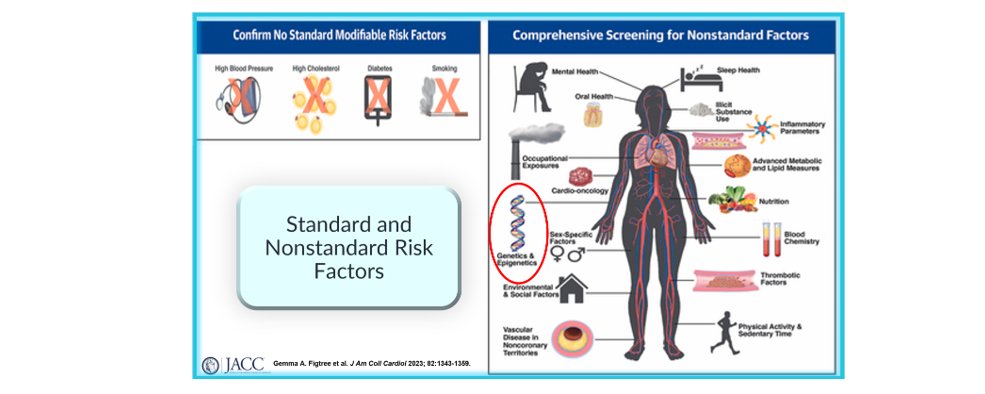
If you think heart health is about one “test,”
You’ve misunderstood how risk really accumulates.
Craig Backs MD retweeted

🚨BREAKING: Robert F Kennedy Jr announced it is official. Mercury is REMOVED from all vaccines.
“Now that America has removed mercury from all vaccines, I call on every global health authority to do the same”

Craig Backs MD retweeted
Please repeat after me:
An elevated CT Calcium Score is NOT a Risk Factor for heart disease.
It IS Heart Disease.
Craig Backs MD retweeted
Yes—carotid plaque can be tracked over time, though the vessels are smaller than coronaries. The focus is moving beyond percent stenosis to plaque volume and composition (lipid, fibrous, calcified, hemorrhagic), which better predict stroke risk.
Elucid’s PlaqueIQ (@ElucidBio) is the leading FDA-cleared, CT-based tool for serial carotid plaque tracking.
Others are more adjacent: Cleerly (@Cleerlyhealth) and cvi42 Plaque (@circlecvi) mainly target coronary plaque.
Bottom line: Carotid plaque tracking is feasible today, and Elucid currently leads for standardized, repeatable carotid monitoring.
Craig Backs MD retweeted

The growth of euthanasia will provide the medical profession with abundant opportunities to bring more shame and disgrace upon itself. If we accept the premise that it is an appropriate medical response to suffering, there will be no limits on how it is used. Best to say no.

In Canada, this woman - who did not want MAID - was euthanised when her husband (suffering from 'caregiver burnout') pushed for MAID.
The medical team responded to this urgency with lethal drugs, not care.
Here (for now), men with 'caregiver burnout' who bring about their wives' deaths will at least be prosecuted, although almost never given time in prison.
In Canada, lawful Assisted Dying means that Mrs B's death is only a chance to 'share learnings'.

Craig Backs MD retweeted
Those “only 1 in 100 benefit” statin claims are misleading because they average results across many people who don’t actually need treatment, since we usually prescribe in primary prevention without knowing whether the patient even has plaque. If you include lots of plaque-negative individuals, event rates are low and absolute benefit looks tiny; but if you focus on plaque-positive (proven atherosclerosis) patients, both plaque progression/regression and clinical event reduction show much larger and unequivocal more meaningful benefit. In other words, the problem isn’t that statins don’t work—it’s that non–plaque-directed therapy dilutes the measured benefit, while plaque-directed therapy identifies the people who clearly benefit most, with evidence in both plaque burden and events.
This is not to discount the benefits of lifestyle adjustments as you so compassionately describe, Thank you for creating the opportunity for the dialogue
Craig Backs MD retweeted

Rest in glorious peace, @ScottAdamsSays - you changed more lives and made the world infinitely better. God bless you and thank you for everything you did for me. We will always love you.