

Proto-Uralic unicorn doing PhD in Tartu, from Hungary. Linguist, makeshift musician, teacher. My heart is in the Volga region.
Tartu, Estonia
Joined August 2020
- Tweets2.3K
- Following190
- Followers8.4K
- Likes4.6K




Things in the Finno-Ugric world I've been loving lately. 🧵
It's been a while so here's some fresh Finno-Ugric stuff that has been giving me the good vibes.
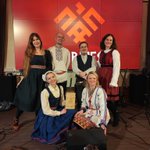
1. Dänkki Briha's Äijän Äyri video. They got me with the massive Ingrian flag.
youtube.com/watch?v=WCV7GIsm…
7. Geresdlak, Hungary crushing the preparations for the title of Finno-Ugric Capital of Culture.
They are not only ready with the logo and the website, they're also creating a choir piece, a dedicated wine, a drawing contest and a Finno-Ugric escape room.
finnugor2027.hu/


Yay today I passed my guide exam at the Estonian National Museum's Finno-Ugric permanent exhibition! 🇪🇪
So from now on you can book me in English Finnish and Hungarian to tell you all kinds of Finno-Ugric stories as we pass through the artefacts.
Can't wait to do this for real 😊

Bogáta Timár retweeted

“To understand views in Canada, we now turn to our Commonwealth correspondent in London who wants to tell us about the mysterious British soul.”
Thought this article was a bit too absurd.
Then, just this week, the Atlantic published a piece by an Eastern European correspondent based in Portugal (a Russian citizen who previously lived in Moscow). Her article, which led by describing (incorrectly) what Ukrainians think was based on interviews with other Russians about how uniquely complex Russians are.
The world needs more satire.
badbaltic.com/if-eastern-eur…

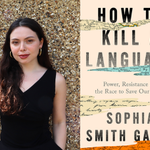
Sometimes it's OK to let a language die, concluded a New Yorker columnist, upon reading Sophia Smith Galer's new book, How to Kill a Language.
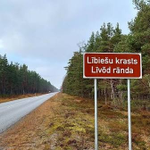
When this conversation blew up, I was at the Livonian coast, watching language revitalization first-hand.
newyorker.com/magazine/2026/…

Sophia Smith Galer interviewed me for her book, and I told her about Livonian. We had a good chat about what it takes for a language to live or die.
It often starts with one person, who can wake up the dormant affinity for heritage.
But lone heroes won't save the world.


