

Start a Bitcoin Savings Plan at your company today.
Kelowna, BC
Joined August 2023
- Tweets1.4K
- Following543
- Followers1.2K
- Likes736



Block Rewards retweeted

We enrolled a company with 30 employees for a Bitcoin Savings Plan this morning and I got to do the employee meeting myself.
This is one of the unique things about @Block_Rewards. There are other ways to buy bitcoin through payroll but we support the employer in the process.
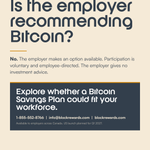
Is the employer recommending Bitcoin? No. The employer makes an option available. Participation is voluntary and employee-directed. The full report is at blockrewards.com.


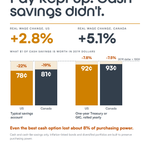
A Canadian truck driver needed 4.7 years of pay for an average home in 1990, 12.3 today.
The honest version, with mortgage rates priced in (13.3% then, 4.87% now):
1990: 50% of gross pay
2025: 68%
Lenders cap it at 39%. In 1990 it qualified. Today it doesn't.


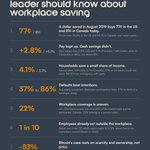
Most people curious about Bitcoin never buy any. The barrier is friction: which exchange, which wallet, how much, when. A workplace plan removes all of it. Pick an amount once and every paycheque does the rest. For a lot of employees, that's the first Bitcoin they'll ever own.
Saving in Bitcoin safely transfers your purchasing power earned today, into the future for you to consume when you need it.

"We don't want to tell employees to buy Bitcoin." You don't have to. Nobody reads a group RRSP fund menu as an instruction to buy every fund on it. A payroll Bitcoin option works the same way: the employer provides access, the employee decides whether and how much.
