







ALT Shifting Paradigms: Reimagining Human-Nature Relationships for Sustainable Biodiversity Conservation Join us in exploring the urgent need for transformative change in biodiversity conservation. Under the expert guidance of guest editors Prof. Ann-Marie Nienaber and Dr. Julie A. Ewald from the PRO-Coast Consortium, our special issue emphasizes the critical behavioral shifts necessary to address the challenges posed by human activity on nature. As we draw insights from influential works contributing to the upcoming IPBES Global Transformative Change Assessment, expected in 2024, we highlight the necessity of reshaping our attitudes towards nature. This issue delves into the motivations, attitudes, and values driving conservation behaviors and introduces emerging paradigms that integrate social sciences, helping us navigate the complexities of human-nature interactions. We advocate for interdisciplinary collaboration to bridge gaps in understanding the behavioral drivers of conservation

ALT At the heart of the PRO-Coast is the imperative to decipher the multifaceted influences that shape human behavior and decision-making concerning environmental conservation in coastal regions. Through nine in-depth case studies, the initiative meticulously examines behavior patterns, anthropogenic impacts, lifestyle choices, and cultural and ethical values. By actively involving a diverse array of stakeholders—including civil society representatives, policymakers, funders, and industry leaders— PRO-Coast strives to create effective strategies that enhance environmental governance and foster sustainability within local communities. In this endeavor, PRO-Coast empowers local communities and civil society to take charge of restoring and maintaining biodiversity across Europe. Ibercivis plays a pivotal role by providing innovative methodologies and tools for citizen participation, enabling the evaluation of these processes and reinforcing the evidence base for impactful conservation.

ALT The second day of the third PRO-Coast meeting in Koper, Slovenia, has successfully concluded, marking the end of the overall meeting. Participants showcased a total of ten case studies, including an additional case study from Norway, which was voted and accepted by all members of the consortium, highlighting their developments over the past year. This day also featured the presentation of the outcomes from the communication and dissemination campaign, which detailed the results from the first of three years of the PRO-Coast project. An intriguing presentation from the Spanish organization CARTIF focused on the project's key performance indicators (KPIs) and their progression. The third PRO-Coast meeting wrapped up with a review of the results and deliverables from the first year. At the close of the meeting, the coordinator of the PRO-Coast consortium, ESUG, announced that the next meeting will be hosted by the University of Tartu in Estonia in June 2025.




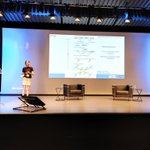
ALT PRO-Coast member, Alex Yendell and his team (from Leipzig University) recently captivated attendees at the Annual Conference of the German Centre for Integrative Biodiversity Research German Centre for Integrative Biodiversity Research (iDiv) Halle-Jena-Leipzig with their insightful presentation of the paper titled "Societal Dynamics and Loss of Coastal Ecosystem Biodiversity: A Sociological Multi-Level Review." Joined by co-authors Yvonne Jaeckel, Pauline Rosteius, Giulia Bär, and Helene Lerch, the team shed light on the often-neglected human dimensions of biodiversity loss and conservation efforts. They argued that although human factors are critical to understanding these environmental challenges, sociological theories are seldom employed to analyse the impact of macro-social influences, political culture, and bounded rationalities—phenomena that can lead individuals within organizations to act against their rational interests.

ALT Under the esteemed organization of the University of Bergen the PRO-Coast project's second case study in Norway is unveiling a pressing issue that, while it may seem ironic, is anything but humorous. Lost fishing gear, often swept away by relentless currents or misplaced due to negligence, transforms into a relentless predator of the sea—commonly referred to as "ghost fishing." This insidious phenomenon ensnares marine life, leading to injuries and starvation that perpetuate a devastating cycle of death. Ghost fishing stands as the most lethal form of marine debris, posing formidable challenges for removal due to the difficulty of locating lost gear and the extensive resources required for its retrieval. Yet, our dedicated partners at Norges Miljøvernforbund (The Environmental Protection Association of Norway) are rising to this challenge with determination. Following a successful pilot phase, during which they effectively retrieved a substantial amount of lost gear and pinpointed key


ALT As part of the Pro-Coast project, the Sligo Case Study brought together a diverse group of local stakeholders to explore and co-create innovative strategies for protecting biodiversity along our coastlines. Participants from Sligo County Council, NPWS, NGOs, industry, and local businesses gathered at Atlantic Technological University (ATU-Sligo) for the workshop, "Building a Resilient Coastline: Community-Driven Solutions." The event provided a platform for dynamic discussion and collaboration, addressing critical challenges such as coastal erosion and sand dune restoration. Their valuable insights, active participation, and commitment to creating sustainable solutions were key in driving impactful behavioural change. By harnessing local knowledge and expertise, Sligo CS is laying the foundation for long-term biodiversity protection and resilience in their coastal communities.


ALT The Univerza na Primorskem is the Case Study Leader for the Slovenian CS within the PRO-Coast. Activities for the case study in Slovenia are already in progress in the stunning Strunjan Landscape Park and its surrounding areas. These activities include meetings with farmers, protected area managers, and hunters to discuss biodiversity concerns, as well as the use of camera traps to assess local wildlife. Strunjan Landscape Park boasts the longest stretch of natural coastline in the Gulf of Trieste, characterized by steep cliffs, salt pans, and diverse ecosystems. The flysch cliffs, the highest along the Adriatic coast, offer breath-taking views. - Fig1. Meeting with farmers , Fig 2. Camera trap photo of a female European roe deer and her offspring , Fig 3 and 4. The Strunjan Landscape Park #Slovenia, Univerza na Primorskem #casestudy, #biodiversity, Strunjan, #LandscapePark, #AdriaticSea, #socialtransformation #ecosystem #horizon #EU #globalwarming


ALT FOE Malta as the Case Study Leader for the Maltese CS within the PRO-Coast Project, we are currently engaged in conducting surveys in collaboration with various stakeholders. We are about to launch these initiatives and subsequently leverage the insights gained to propel the project forward. The experience gained in Bergen, Norway has proven invaluable, as it fostered a sense of camaraderie with fellow nations confronting similar challenges to those we face in Comino, Malta. This experience also afforded me the opportunity to glean new ideas and perspectives on tackling the environmental issues that impede our biodiversity efforts. Moreover, it allowed me to gain insight into the diverse contexts that exist beyond our own. In our personal time, we had the opportunity to visit nature reserves recommended by local residents. This enabled us to draw inspiration from international best practices, take notes on potential applications, and envision how we can one day implement them.


ALT With summer in full swing, many of us are either enjoying our vacations or planning them. However, it's important to remember that not all beaches are solely for tourists. Corbu Beach stands out as a pristine sanctuary, still rich with natural elements. From plant species uniquely adapted to this environment to birds that use the area for breeding, feeding, and resting, Corbu Beach remains a vital ecological haven. Yet, like all coastal ecosystems, Corbu Beach is vulnerable to climate change. Prolonged heat waves pose a significant threat to this already delicate environment. Following the recent meeting in Bergen, we are optimistic about implementing the successful strategies and insights shared by other nations to protect and preserve these crucial habitats.


