

Move. Sweat. Thrive. Repeat. 📍Margot Connell Recreation Center | Quonset Hut https://xitter.cf/t.co/SCjZaFDHco
- Tweets4.1K
- Following399
- Followers1.7K
- Likes1.5K
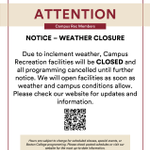
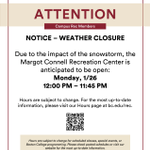
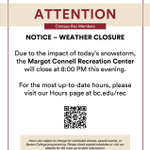


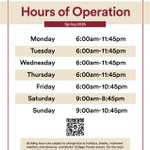




ALT Margot Connell Recreation Center, with the headline "Tour Video."

ALT Margot Connell in a yellow blazer and gold jewelry smiling at the camera

ALT Close up on William F Connell School of Nursing lettering on the stone wall with a black lamppost above it

ALT Flyer reading Watch Party NCAA Frozen Four Boston College vs. Michigan Thursday, April 11, 8:30 PM ET, Connell Recreation Center, Mac Courts Free pizza and drinks to the first 250 students Sponsored by Cocacola

ALT Boston Marathon


ALT Background image of a field with a girl swatting away a mosquito: Mosquito and Tick Safety. Mosquito and ticks can spread diseases. Swipe to learn more!

ALT Background image of a field with a girl swatting away a mosquito: Where are they found? Mosquitos lay their eggs in standing water and are most active from dusk to dawn. They are most likely to carry diseases from July to September. Ticks are found in brushy, wooded, or grassy area. Ticks do not fly, jump, or drop from trees. They attach through direct contact and climb afterwards.

ALT Background image of a field with a girl swatting away a mosquito: Mosquitoes and ticks can make you sick! There are both tick-borne and mosquito-borne infections you can acquire. More commonly in Boston, tick-borne infections such as lyme disease, babesiosis, and anaplasmosis are common. Mosquito-borne infections such as west nile virus are also common. Rare to Boston, are tick-borne infections such as tulerima, rocky mountain fever, powassan virus, and borrelia miyamotos, and mosquito-borne infections such as eastern equine encephalitis (EEE).

ALT Background image of a gray sky with clouds and a few mosquitos: Column titled, “Ticks”: Check yourself and children after being in areas where ticks are likely to be found. Wear lots of colors, long sleeve shirts and pants, and tuck your pant legs into your socks. Use insect repellants containing deet, oil of lemon eucalyptus, picaridin, or IR3535 on exposed skin (read labels carefully). Column titled, “Mosquitos”: Use mosquito repellent containing deet, oil of lemon eucalyptus, picaridin, or IR3535. Make sure items around your house do not collect water. Wear protective clothing such as a long sleeve shirts and long pants to stop mosquito bites. Try to limit time spent outdoors from dusk to dawn.


ALT Summer Youth Camp Flyer


ALT Runners in Boston Marathon


ALT Summer Youth Camp Flyer

ALT The Law Enforcement Torch Run presents Boston College Polar Plunge


ALT blue graphic with a green shamrock with text: Happy St. Patrick's Day, Boston with the City of Boston logo on the bottom

ALT Toy Drive flyer


ALT Graphic with maroon background and white text. The text reads Happy Thanksgiving. Gasson Hall is faded into the background


