Dev tools should reduce friction, not add complexity Building icon tools & workflows @ AXIALIS macOS + Windows
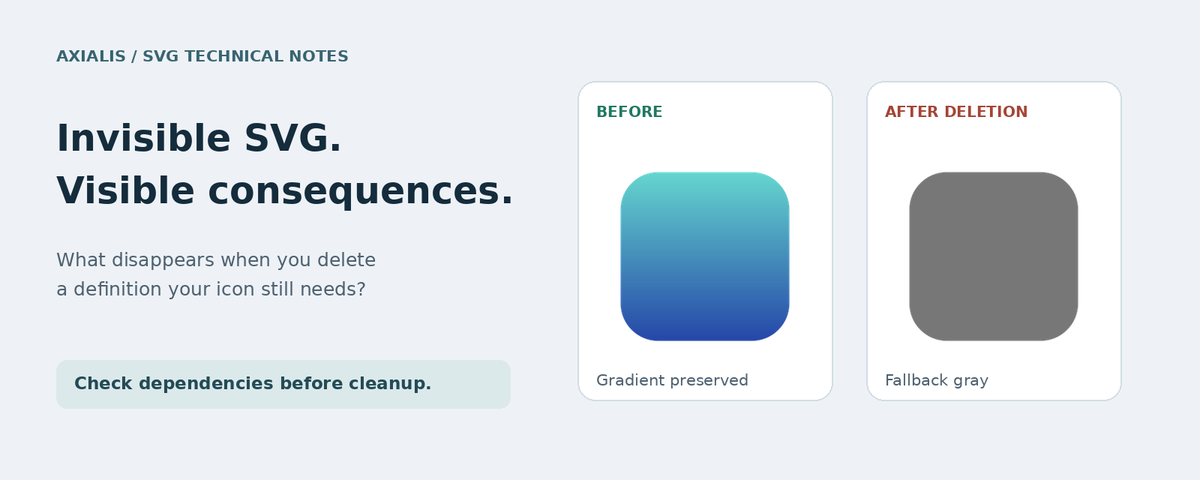
Before deleting an invisible element, check what depends on it.
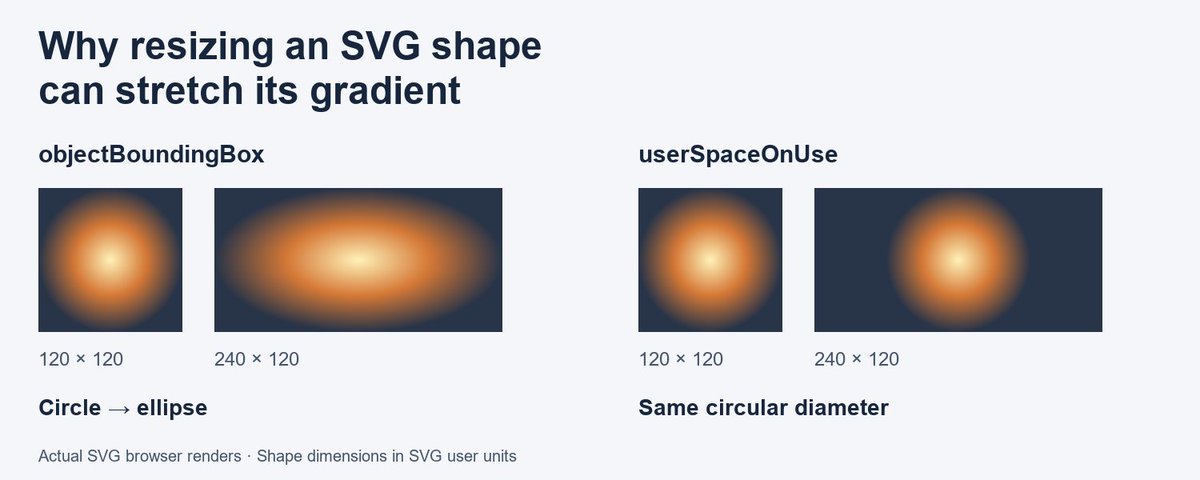
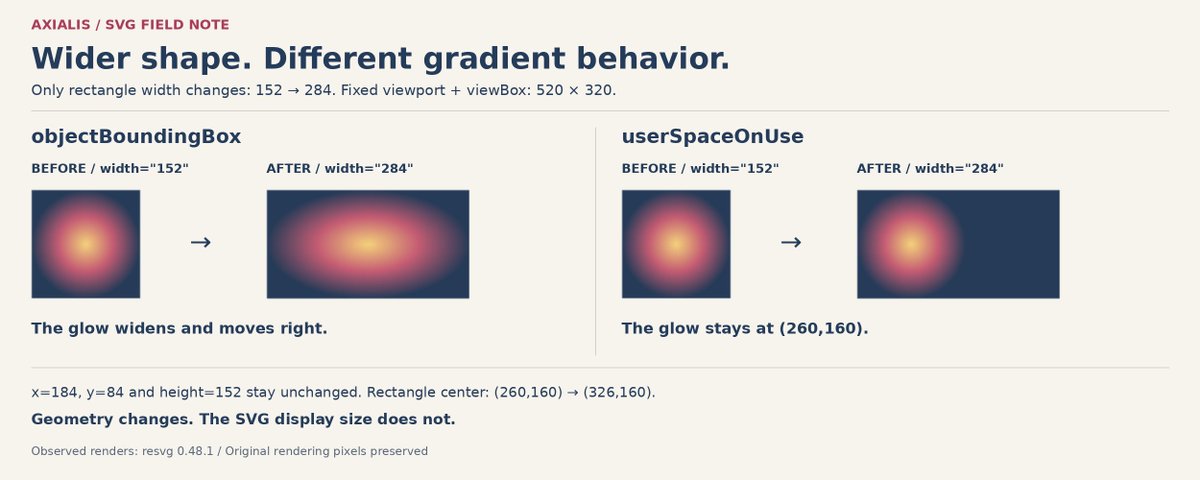
You widen a square SVG shape into a rectangle. Its outline looks right, but the circular highlight inside it becomes an oval.
A gradient can look right while you are editing an icon. Before handing it to a developer, there are two more versions worth checking: the SVG you saved and the PNG you exported.
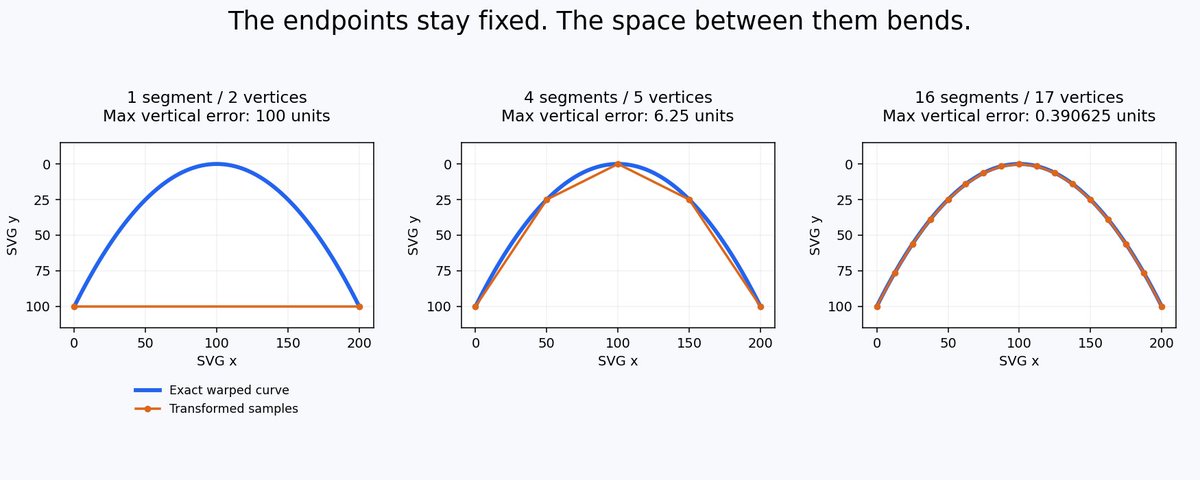
A straight SVG segment can be perfectly accurate before a deformation and completely wrong afterward.
You widen a shape, and its round highlight stretches sideways. The colors have not changed. Neither has the SVG’s display size. What changed is how the gradient’s coordinates map onto the shape.
Giving AI agents access to desktop applications is becoming easier.
AI agents are becoming remarkably good at choosing what to do next.
An SVG can be perfectly valid, render correctly, and still break your design system.
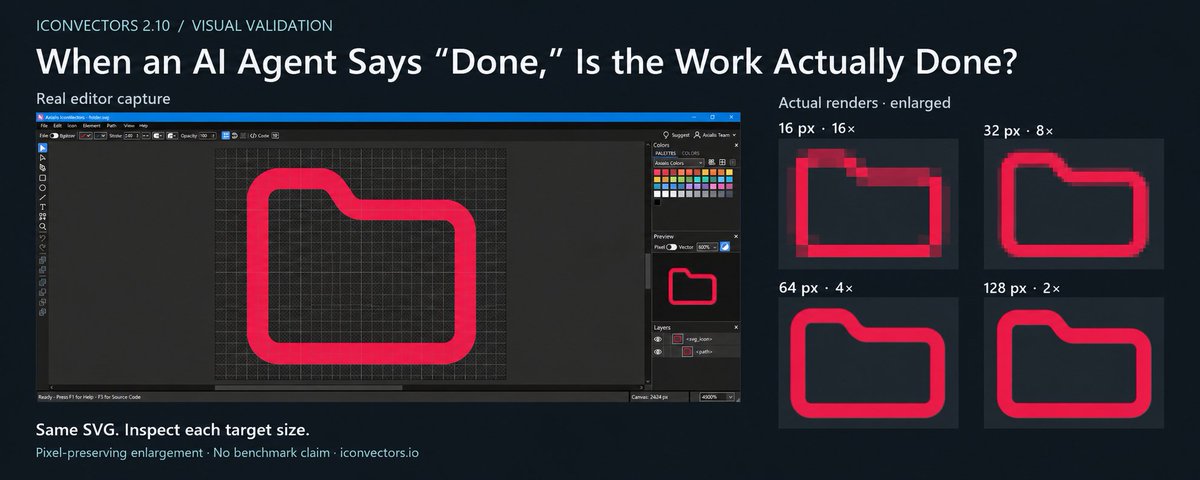
All tests passed. The patch looked clean. The agent reported success.
The code is identical. The build succeeds. The widget behaves perfectly in isolation. Yet something breaks when you put it inside the real application.
Most long-lived C++ projects have one dependency that is rarely documented properly:
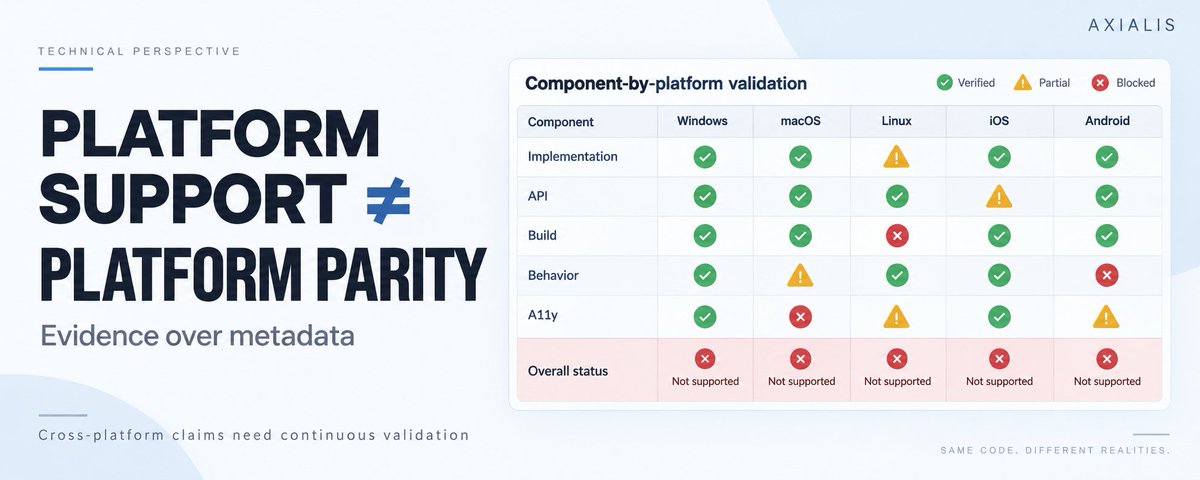
A component can exist on Windows, macOS, iOS, and Android—and still behave differently on every platform.