






When explosive ordinance disposal teams were called to an Alabama airport after screeners spotted historic Civil War cannonballs in a passenger's checked bag, it made for a wild news headline—and a classic operational case study.
Travelers often don't realize that historical munitions, even vintage ones, can contain active black powder or present significant density anomalies under X-ray imaging. When an unexploded ordnance risk is flagged, it triggers immediate safety protocols, bag freezes, and bomb squad sweeps that temporarily disrupt terminal flow.
It’s an unusual story, but a great reminder of why clear passenger education about restricted items remains essential for smooth airport operations.
nbcnews.com/news/us-news/tsa…
#AviationSecurity #TSA #AirportOperations #TravelSafety #JeffPrice

The recent attacks on the King Khalid International Airport in Riyadh, in Saudi Arabia, and continued drone attacks related to the war in Iran on other airports, has brought the question of whether current airport security measures are enough to protect the traveling public.
The answer, largely enough, is no - at least not from a regulatory perspective and particularly not in the U.S. Transportation Security Regulations primarily require airports to implement measures to protect access to commercial airline passenger flights, not aerial defense from outside threats, such as drones and ballistic missiles. In the US, air defense has been the role of the US military, but with the advent of drone warfare, this role may be changing. I recently completed an interview for @CNBC which you can review below.
cnbc.com/2026/10/13/riyadh-a…
#AviationSecurity #AirportOperations #AirDefense #JeffPrice

A Reflection on 25 Years of Post-9/11 Aviation Security
Twenty-five years after September 11, 2001, aviation security in the United States looks dramatically different—from the creation of TSA and reinforced flight decks to advanced CT screening and biometric identity verification.
The system is far from perfect, and it continues to navigate questions around efficiency, privacy, and federal oversight. But the aviation environment today is undeniably stronger than it was on September 10, 2001.
The most vital lesson from the past quarter-century is that security must continuously evolve because threats continuously evolve. Distance from the event must never become complacency.
I reflected on what the industry got right, where challenges remain, and what comes next:
leadingedgestrategies.com/25…
#AviationSecurity #TSA #AirportOperations #PublicPolicy #JeffPrice

Aviation security rules only work if they reflect the actual threats we face on the ground and in the air. As technology, threat vectors, and regulations evolve, keeping our educational and operational frameworks current is essential.
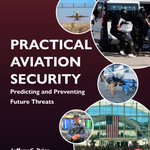
That is why Jeff Forrest and I expanded and updated Practical Aviation Security: Predicting and Preventing Future Threats for its 4th edition.
Beyond updating checkpoint screening processes and physical public-area security, this expanded edition includes dedicated chapters on asymmetrical threats—specifically cybersecurity risks across aircraft and navigational systems, drone defense (Counter-UAS), and urban air mobility.
Whether you are instructing the next generation of industry leaders or managing security protocols on an active airfield, having an up-to-date, real-world reference makes all the difference.
The 4th edition is available now on Amazon:
leadingedgestrategies.com/pr…
#AviationSecurity #AirportOperations #Cybersecurity #CounterUAS #JeffPrice

For those I haven't connected with recently, welcome! I’m Jeff Price.
I’ve spent the last 25+ years immersed in aviation security, airport management, and academic research—serving as a Professor at MSU Denver, authoring several industry textbooks (including Practical Aviation Security), and consulting with airports across the country through my firm, Leading Edge Strategies.
My goal has always been simple: taking complex federal regulations, security theories, and operational requirements and turning them into clear, practical strategies that airport managers and rising professionals can actually use on the airfield.
If you ever want to discuss airport operations, training, aviation jobs, or aviation security policy, feel free to reach out or visit the site to learn more:
leadingedgestrategies.com/ab…
#AirportManagement #AviationSecurity #AviationEducation #LeadingEdgeStrategies #JeffPrice

Working at an airport and understanding how an airport works are two different things. The AAAE Certified Member (C.M.) program builds your knowledge across the airport industry and demonstrates a commitment to your profession.
Whether you work in operations, security, planning, administration, maintenance, or another airport function, the C.M. is a worthwhile investment in becoming a more well-rounded airport professional. Don’t just learn your job. Learn the airport.
The American Association of Airport Executives (AAAE) Loretta Scott CM Academy coming up this November prepares you to take the CM exam and obtain a valuable industry certification.
Check out the upcoming November for the next class:
aaae.org/academy
#AirportOperations #AirportSecurity #AAAE #ProfessionalDevelopment #JeffPrice

As an educator, one of the most rewarding parts of my work is watching students step into careers across airport operations, air traffic control, and aviation security. But for many bright young professionals, financial barriers can make earning a degree a steep uphill climb.
Airport Magazine recently highlighted the impact of the AAAE Foundation, which has awarded millions of dollars in scholarships to support students pursuing airport management and aviation careers.
Programs like this do more than just help individual students—they ensure our industry continues to attract driven, diverse, and talented leaders to carry aviation forward.
Take a look at how the AAAE Foundation is helping build our industry's future workforce:
aaae.org/airportmagazine/aaa…
#AviationEducation #AirportManagement #AviationCareers #AAAE #JeffPrice

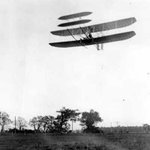
On October 5, 1905, Wilbur Wright flew the "Flyer III" for over half an hour at Simms Station in Dayton, Ohio—covering over 20 miles before running out of fuel. While the famous 1903 flights at Kitty Hawk got the initial headlines, it was these sustained flights in 1905 that turned a scientific experiment into a practical, controllable flying machine.
In airport management, we spend a lot of time focused on complex modern technology, but it’s always humbling to look back at the early milestones that laid the groundwork for today’s global air transportation network.
wright-brothers.org/Informat…
Image: Wright brothers, Public domain, via Wikimedia Commons
#AviationHistory #WrightBrothers #AviationMilestones #Innovation #JeffPrice

‘Friday Night Lights’ at 20: Can We Ever Get Back to Dillon? nytimes.com/2026/10/02/arts/… via @NYTimes

The recent in-flight emergency aboard FlyDubai Flight 1073 has brought a critical, uncomfortable aviation security question back to the forefront: how do we protect the flight deck when the threat originates from within the cockpit itself?
Following September 11, the global aviation industry rightly focused on hardening flight deck doors, deploying air marshals, and expanding crew self-defense training to prevent outside attackers from storming the cockpit. Those measures transformed passenger safety, but protecting against insider threats presents an entirely different operational hurdle.
From continuous psychological vetting and crew identity verification to programs like the Federal Flight Deck Officer (FFDO) initiative, there are layers designed to mitigate risk. But at some point, the system relies on fundamental trust in the professionals flying the aircraft.
In my latest article for The Conversation, I break down how post-9/11 security protocols changed cockpit access, where current safeguards stand, and why internal cockpit threats remain one of aviation’s hardest challenges to solve:
theconversation.com/flydubai…
#AviationSecurity #FlightSafety #AirportOps #JeffPrice

With rapid growth across airport management, air traffic control, and airline operations, our industry is bringing in a wave of talented new professionals.
As an educator, I always remind experienced airport directors and managers that technical knowledge is only part of the equation. Sharing institutional knowledge, helping young professionals navigate federal regulatory environments, and encouraging them through career milestones like the AAAE C.M. program are how we ensure long-term industry resilience.
If you've been in aviation for a decade or more, consider reaching out to a student or junior staff member this month. Mentorship is how we pass the torch.
#AviationCareers #Mentorship #AirportManagement #AviationEducation #JeffPrice

From subterranean gargoyles to secret underground bunkers, Denver International Airport (DEN) has embraced its status as the world’s most mythologized aviation hub.
As an airport management professional, I always find these theories entertaining. The truth behind the "endless underground tunnels" is actually much more impressive from an engineering standpoint: miles of automated baggage handling tunnels, train infrastructure, and utility vaults keeping a massive hub operational.
It's a great example of an airport leaning into local folklore with lighthearted marketing while continuing to run a top-tier global hub.
travelandleisure.com/airline…
#Aviation #DEN #DenverAirport #LeadingEdgeStrategies

When students or career-changers ask me how to break into aviation, I tell them the same thing: the industry is way bigger than just the flight deck.
That’s why we wrote Landing An Aviation Career—to give people an honest, real-world map of what it actually takes to work in airport management, air traffic control, or safety operations. And for everyone who prefers a physical book on their desk or in their classroom, I’m glad to say the print edition is officially out.
Whether you’re mentoring someone or plotting your own next move, check it out here:
leadingedgestrategies.com/la…
#AviationCareers #AirportManagement #AviationEducation #LeadingEdgeStrategies

Cast iron skillets, oversized snow globes, and power tools over seven inches, every summer, travelers are genuinely surprised when these end up in the TSA confiscation bin.
It seems silly on the surface, but from an X-ray operator's perspective, it comes down to density, liquid volumes, and dual-use threat risks. As an industry, the best way we can shorten checkpoint lines during peak travel is simply helping people pack smarter before they leave the house.
usatoday.com/story/travel/20…
#AviationSecurity #TSA #TravelTips #AirportOps #LeadingEdgeStrategies

It’s Raining Boxes: Amazon Drones Overwhelm a Texas Suburb
There's a difference in having the ability to do something, and whether it's the right thing to do. I'm sure this isn't the last we'll see of this debate as drone deliveries expand throughout the country. The FAA says there isn't a "significant impact," to these operations, and have promised more regulation for drone activities, but we have yet to see anything.
#dronedelivery #drones #amazon
nytimes.com/2026/09/21/us/po…

Passing a regulatory audit is baseline compliance; ensuring your team understands how to apply those rules when complex situations hit the airfield is what truly protects an operation.
In conjunction with AAAE, I help deliver core industry training programs, including the curriculum for the Certified Member (C.M.) and Airport Certified Employee (ACE) Security tracks. My focus is skipping the dry textbook lectures and translating complex federal regulations into practical, real-world strategies your staff can apply directly on the airfield.
If you are looking to sharpen your team's operational readiness or prep for professional certification, check out the training options available through AAAE:
leadingedgestrategies.com/le…
#AirportOperations #AviationTraining #AAAE #LeadingEdgeStrategies

This is TSA’s latest program, moving towards the "Golden Age of Flight." It allows certain non-passengers (meeters and greeters) to access the checkpoint and go to the gate area, just like you could pre 9/11. At this point, it’s only available at certain airports and you must be a member of PreCheck or have a Known Traveler Number.
tsa.gov/precheck/gateside-ts…
#AviationSecurity #AirportSecurity #TSAPreCheck #TSA #AirportOperations

When national political tensions run high, people naturally wonder if it's safe to fly, or why security lines suddenly feel longer.
Behind the scenes, federal agencies, local police, and airport operators step up coordination, deploy more plainclothes officers, and increase secondary checks. Most of this work is invisible, but the goal is simple: keeping the system quiet, stable, and safe.
If you are traveling during an election season or a tense news cycle, my advice as an airport security practitioner is straightforward: build extra time into your travel, keep your patience handy, and stay aware of your surroundings.
I broke down what actually happens behind the terminal doors (and what travelers should expect) on the blog:
leadingedgestrategies.com/na…
#AviationSecurity #TravelTips #AirportOps #LeadingEdgeStrategies

The ongoing policy debate around privatizing TSA screening brings us back to one of the fundamental lessons of post-9/11 aviation security: system structure matters.
It is important to remember that private screening already exists through TSA's Screening Partnership Program (SPP). Participating airports use private contractors, but those screeners operate strictly under federal standards, testing, and oversight.
Where I caution industry colleagues is when proposals suggest returning to a pre-9/11 model which was inconsistent and cost-driven by the airlines – it was a system just waiting to be exploited. Ironically though screening failures alone did not enable 9/11—the hijackers exploited lax federal policies, including rules allowing knives with blades up to four inches aboard aircraft.
Whether screening is performed by federal officers or private contractors under the SPP model, strong, standardized federal oversight is non-negotiable. Travelers shouldn't encounter a different security standard every time they enter a different airport.
wvtm13.com/article/911-trans…
#AviationSecurity #TSA #PublicPolicy #AirportManagement #JeffPrice

If you're designing an airport terminal for 2030 and beyond, simply building a bigger box isn't going to cut it anymore.
This excellent piece by Mike Butler in AAAE’s Airport Magazine digs into why future terminal planning must shift toward flexible layouts and understanding passenger personas. Airlines adapt fleets and business strategies quickly; the facilities that succeed over the next 40 years will be those built to reconfigure space on the fly rather than just adding square footage.
A great read for anyone involved in terminal master planning:
aaae.org/airportmagazine/pre…
#AirportPlanning #TerminalDesign #AirportInfrastructure #AAAE #LeadingEdgeStrategies
