

The world’s most advanced duty of care platform
United Kingdom
Joined September 2021
- Tweets278
- Following422
- Followers41
- Likes4




Pinned Tweet
Track24 has today announced the appointment of Andrew McInerney as Chief Executive Officer . Read the full story here: zurl.co/VQ5Cw
#dutyofcare #leadership

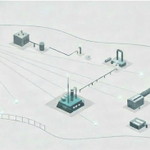
Energy infrastructure involves high hazard environments, and needs world class risk management. Here's what good CEM looks like: zurl.co/FsVd5

Energy operators face a demanding combination of high-hazard sites, remote teams and strict accountability. Effective critical event management connects alerts, people and decisions in one response.
zurl.co/4omoz

Beyond dependable mobile coverage, safety depends on keeping people, vehicles and response teams visible and connected. Satellite communication closes that operational gap across remote terrain.
zurl.co/gO3Rg

The gap between a GSOC identifying a threat and the right people receiving instructions is wider than most clients realise. zurl.co/TSsaA

Retail staff working alone or outside normal hours face risks that require more than a policy. Clear check-ins, discreet alerts and dependable escalation help turn duty of care into practical protection.
zurl.co/Y6ODV

In oil and gas, duty of care cannot stop at the perimeter. Remote work and changing conditions demand wider visibility.
zurl.co/tmBzi

Emergency communications are only effective if people can actually be reached. ReachScore identifies device, permission and engagement gaps before a crisis exposes them.
zurl.co/yyoAo

A global workforce moves risk across time zones, jurisdictions, and working patterns. See how critical event management brings the picture together.
zurl.co/eqLsh

Martyn's Law is now legislation. Venue operators need practical plans for communication, coordination and protective action.
zurl.co/R67ji

During an outbreak, communication can be as operationally important as transport, medicine, and logistics.
What Ebola response teaches NGOs about reaching people under pressure.
zurl.co/fGqvN

Field engineers work beyond the office perimeter, where incomplete information carries greater consequences.
zurl.co/96P5e

For NGO security teams in fragile environments, duty of care depends on preparation, communication and the ability to act in real time.
zurl.co/POcJt

NIS2 raises the bar for resilience across critical infrastructure. Emergency communications need to be part of the compliance conversation.
Read the practical considerations.
zurl.co/IiBov

A near-blackout is not only an energy-sector problem. Any organisation that depends on power needs a credible response plan.
zurl.co/agikK

Local authorities need more than an emergency plan. They need a live capability to coordinate people, information and decisions when an incident unfolds.
zurl.co/75UIG

Mining operations can collect data on people, vehicles, fatigue, and hazards without creating one reliable view of risk.
See how to connect these signals for stronger workforce oversight and incident response.
zurl.co/woBmj

ISO 31030 sets the international standard for travel risk management. Here's how to build a compliant duty of care programme for your mobile workers: zurl.co/UmEOn

Logistics disruption rarely stays in one place.
A road closure, port delay, or severe-weather event can quickly affect depots, drivers, customers, and management.
How can joined-up incident management support a coordinated response?
zurl.co/kSqW4

An alert is only the start. Effective incident management connects people, information, decisions, and actions from first report to recovery.
See what a joined-up approach looks like:
zurl.co/4f4Ui

Diplomatic missions are responsible for four distinct populations in a crisis. Most can't reach all of them at speed. Here's how you can: zurl.co/PFggU
