

Doctoral Researcher in Diet-Health Misinformation @UCL and Chief Science Educator @HealthScAcademy
- Tweets840
- Following1.8K
- Followers597
- Likes1.5K


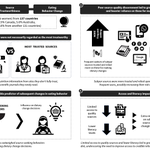







ALT Results revealed a disconnect between source popularity and perceived trustworthiness. While nutrition–health websites, Google–Internet searches, and diet–health books were most commonly consulted, participants placed the highest level of trust in nutrition scientists, nutrition professionals, and scientific journals, suggesting that frequent information seeking from a subpar source may not be a reliable predictor of the level of trust assigned to it. Although the frequency of source-seeking behaviors and source trustworthiness both contributed to dietary changes, the latter appeared to have a more pronounced influence. When a source was less trusted, there was a reduced likelihood of relying on it for changing diet. Additionally, source seeking may not always translate into effective dietary change, as shown by the less strong correlation between the two. Nutrition misinformation; literacy; eating behavior change; dietary change; sources of information; information-seeking behaviors


