
Enterprise Data Management & AI. From data strategy to AI in production
Joined February 2018
- Tweets165
- Following84
- Followers17
- Likes0






The warning was there.
The problem was that it looked like everything else.
When dashboards give every metric the same visual weight, leaders are forced to search for what matters instead of being guided towards it.
Material risks should stand out.
Emerging issues should attract attention before they become obvious problems.
Good reporting does not simply show leaders what is happening.
It helps them understand what deserves attention first.
Executives rarely suffer from a lack of information.
The harder problem is knowing which information actually deserves attention.

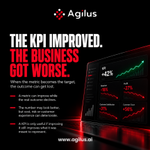
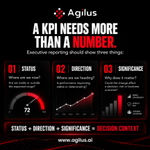
If a metric changes but nothing about the decision, action or behaviour changes with it, its value to the executive conversation may be limited.
The goal is not to show leadership everything the organisation knows.
More data does not automatically lead to better decisions. In many organisations, the problem is no longer access to information. It is deciding what actually matters. Dashboards grow. Reports multiply. Metrics increase. New data sources are added.

Which information adds confidence — and which simply adds complexity? A decision can become harder when leaders are surrounded by numbers that compete for attention. Strong data management is not about giving executives more to look at.
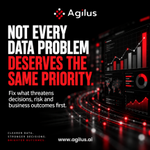
Two data problems can look very different on paper. One affects 2,000 incomplete marketing contacts. The other affects only 12 supplier banking records. Which one should be treated as the greater priority?

Look at the financial, operational, regulatory and reputational consequences. Then consider scale and frequency. A large problem can be low priority. A small problem can be critical. Good data governance is not about treating every defect equally.