

We are committed to elevating awareness around #addiction and improving national policy through a comprehensive response. Need help? Call us at 1-833-301-HELP
Washington, DC
Joined November 2014
- Tweets8.3K
- Following547
- Followers5.5K
- Likes1.8K




Inspired by last night’s CADCA Drug-Free Kids Campaign Awards Dinner! Incredible to see people across the country, especially youth, leading change and building brighter futures through prevention and collaboration. #DFKCampaign

12 strategies for parents to keep your teens safe from addiction. Check out these 12 strategies: bit.ly/4cgTtMK #Prevention #Parents

Prevention starts with delaying first use. The earlier substance use begins, the greater the impact on the developing brain. Age matters. Protect your brain. Check out the APF explainer video.
#ProtectYourBrain #AgeMatters

Check out these tips for preventing and managing anxiety for those in recovery. ✅
addictionpolicy.org/post/mai…

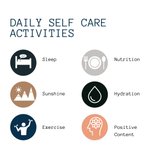
Learn about the basic principles of self-care: sunshine, exercise, nutrition, hydration, positive content and sleep. This list may seem deceptively simple, but it holds a gold mine of help and lasting wellness for all of us. Are you checking each of these off each day?

Don't miss your chance to become a certified Responding to Addiction Instructor! Join our June 25th virtual training to deliver our addiction knowledge and stigma-reduction program. Join community leaders from across the world. Register today: bit.ly/4uH4P2A

Register for Addiction Policy Forum's Virtual Instructor Training on June 25 & become certified to deliver Responding to Addiction, an evidence-informed education program designed to increase understanding of addiction & reduce stigma.
Register here: bit.ly/4uH4P2A

"Stigma keeps families, it keeps patients, it keeps those that need help in the shadows...we need to change our entire framework on how we wrap support around families -- just as if they were struck with diabetes or cancer or Alzheimer's." #stigma #addiction
New DEA Public Safety Advisory warns about an increasingly dangerous illicit drug supply driven by fentanyl mixed with other synthetic substances, which are making the drug supply more unpredictable & more deadly than ever before. Read more: bit.ly/3RJ8XBb

A study found that combining naltrexone + bupropion reduced methamphetamine use and improved depressive symptoms early in treatment. Depression is highly prevalent among individuals with MUD and is strongly associated with poorer long-term outcomes. More: bit.ly/4nwCcDj

Understanding the brain science of addiction is key to ending the #stigma around it. Substance use disorders hijack the brain and disrupt the survival hardwiring. Watch the full video explainer at bit.ly/3oPau5x
Join us TOMORROW for a free webinar on prevention research supported by NIDA. Learn about evidence-based strategies to prevent substance use initiation and progression & the latest scientific advances shaping the future of prevention research.
Register: bit.ly/4cXjL6Z

In this Ask the Expert video, Dr. Bonnie Halpern-Felsher with @StanfordTPT discusses the importance of screening regularly, building patient-provider trust, and using validated screening tools.
Why are more teens using cannabis? Dr. Bonnie Halpern-Felsher with @StanfordTPT highlights several key drivers, including appealing flavors, discreet products like edibles and vapes, targeted marketing, and continued access despite age restrictions.
Cannabis use can impact nearly every part of the body, particularly for young people. Dr. Bonnie Halpern-Felsher with @StanfordTPT explains how cannabis can impact memory, mental health, & overall brain development, along with effects on the lungs, heart, motor control & more.
Cannabis potency has changed dramatically over the past decade, increasing from 5-10% in the past to 20% today. In this video, Dr. Bonnie Halpern-Felsher with @StanfordTPT discusses how these shifts are contributing to growing concerns about addiction and mental health risks.
What does addiction really mean? This excerpt from Understanding Addiction: A Guide for Families, author Jessica Hulsey explores the science & the importance of using a biopsychosocial approach to better understand the factors that contribute to addiction. bit.ly/3Psk1lB

Understanding the brain science of addiction is key to ending the #stigma around it. Substance use disorders hijack the brain and disrupt the survival hardwiring. bit.ly/3oPau5x #addiction #StopTheStigma
Join us on June 11 for a webinar exploring the science of addiction and models of recovery for substance use disorders. Learn about the neurobiology of addiction, the current research on recovery models, and emerging innovations.
Register here: bit.ly/3OZ91Ms
