

Vice-Chancellor, SOAS University of London
London, England
Joined December 2011
- Tweets7.7K
- Following427
- Followers111K
- Likes851


Interesting! The much-maligned Qatar financing was part of a political arrangement between Israel, Qatar, the US( both the Trump & Biden administrations) and the UN. This is why there is so much distrust of politicians… on all sides. The lesson: Own your mistakes.

Letters obtained by TIME reveal Israel played a bigger role in the payments than Netanyahu has acknowledged.
time-magazine.visitlink.me/t…

“A human being is far more valuable than his opinions.”
Hannah Arendt and why friendship matters more than truth ft.com/content/074aaed0-6edb… via @ft

Adam Habib retweeted

Let me say this again. The Nobel Committee awarded Judge Navi Pillay the Nobel Peace Prize for her oeuvre, her ENTIRE life's work, including fighting apartheid when some of you and your ancestors were enjoying its fruits. She helped build the democratic edifice that has anchored our imperfect South Africa, and helped so many of you thrive. That you are losing your shit over one aspect of her work, is telling. You will be strong. Her work and its impact are a reality that your venom and childish outburst cannot erase.
Adam Habib retweeted

New podcast out now!
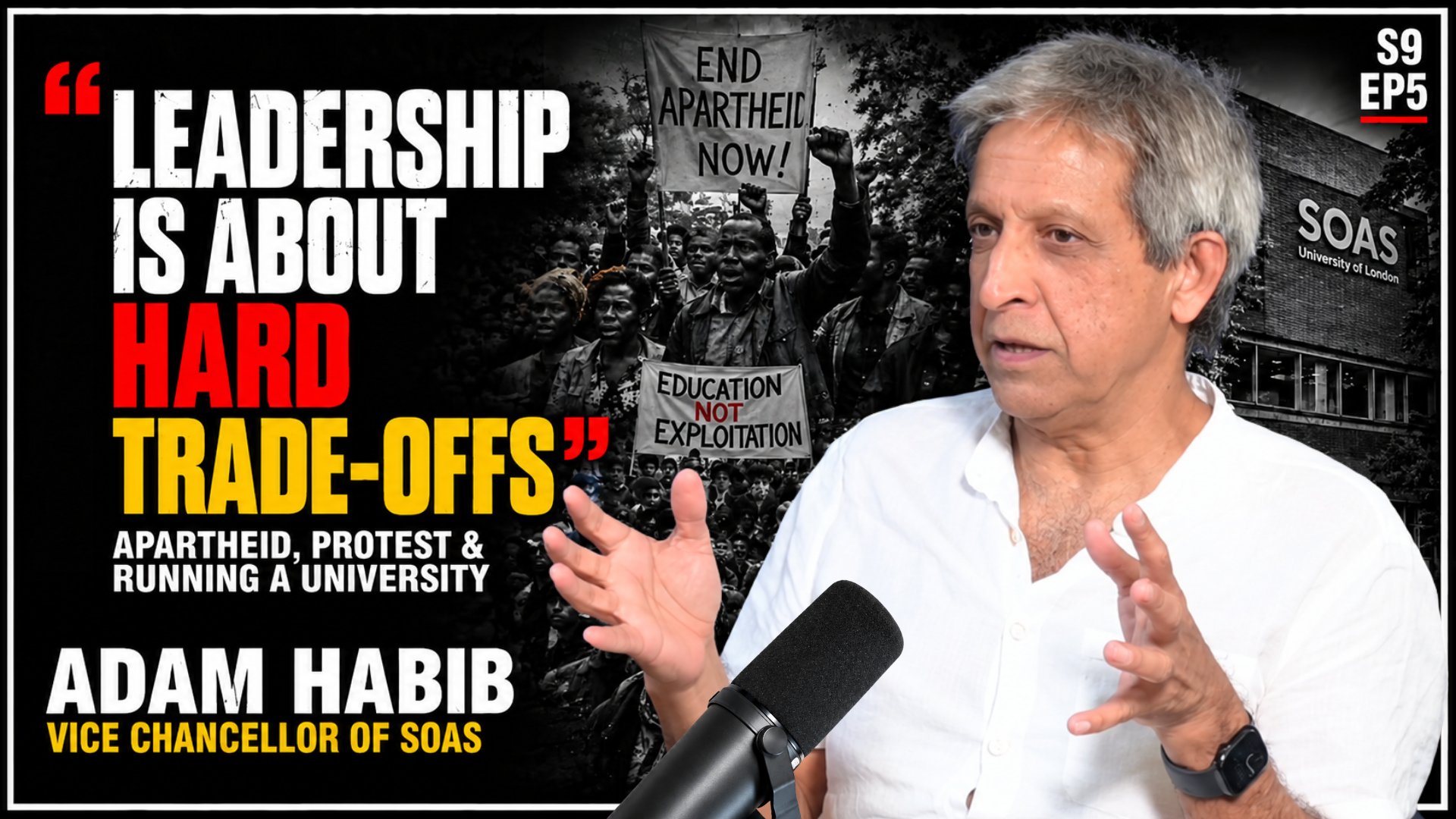
S9EP5 - @AdHabb: From Apartheid Prison to SOAS Vice Chancellor
Adam Habib is Director and Vice Chancellor of SOAS University of London. Born and raised in South Africa, he previously served as Vice-Chancellor of the University of the Witwatersrand, where he led the university through the Fees Must Fall protests. He is the author of Rebels and Rage, which recounts that period, and a former political activist who was arrested during apartheid's 1986 state of emergency.
We had the absolute pleasure to speak with Adam about his life and career, and explored topics including growing up under apartheid, being arrested and held in solitary confinement, being deported from the US, why he sat with protesting students for 36 hours before calling in the police, balancing institutional empathy with academic freedom, and how UK universities can survive their financial headwinds.
@SOASalumni
Watch the full podcast:
YouTube: youtu.be/9d5msC-9BMA
Spotify: open.spotify.com/episode/5yU…
Apple Podcasts: podcasts.apple.com/gb/podcas…
Hope you enjoy!
Adam Habib retweeted
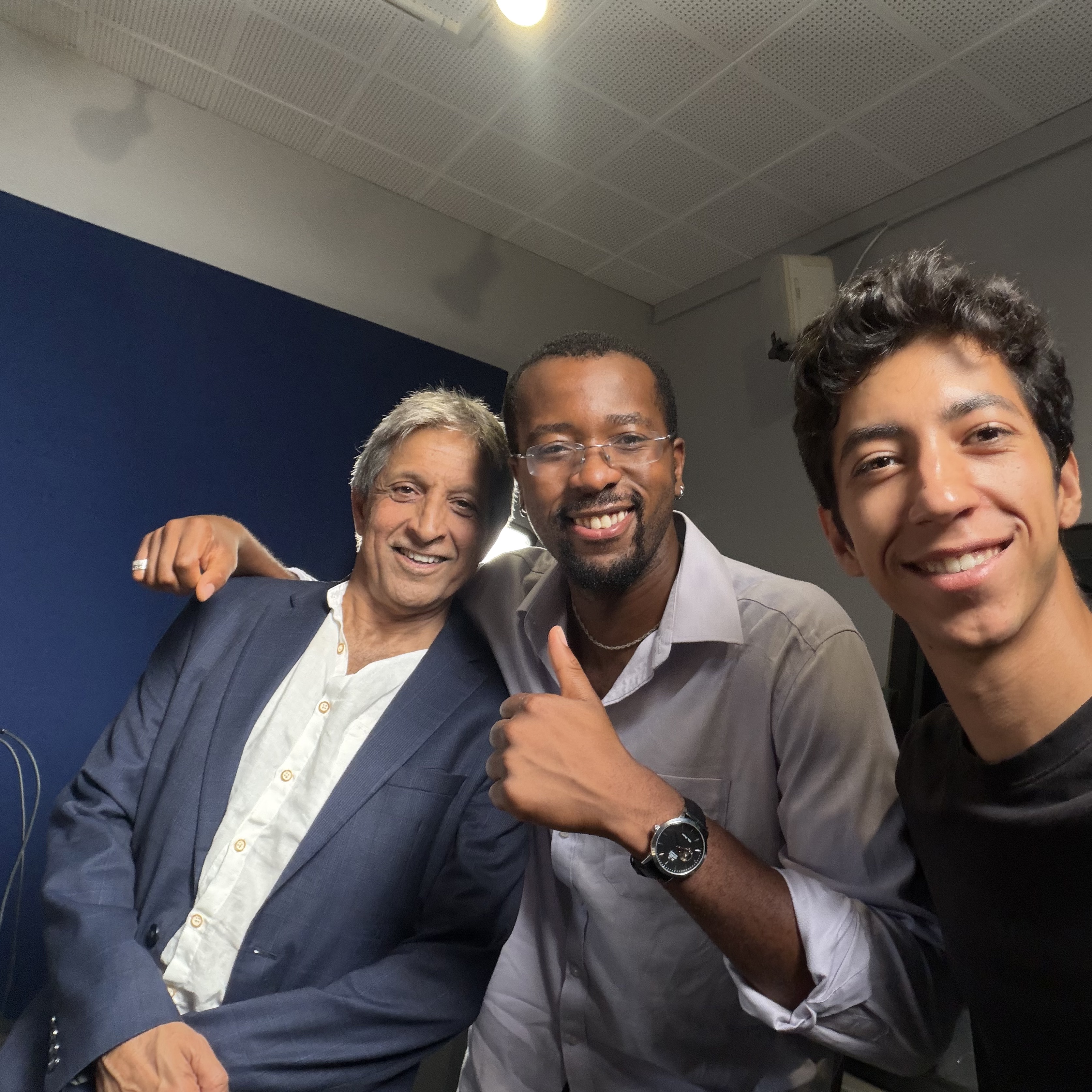
We had the absolute pleasure of speaking with Adam Habib (@AdHabb), Vice-Chancellor of SOAS University of London, on the podcast.
While many of us know Adam for his work in higher education and his leadership at SOAS, we were surprised to learn about the amazing story behind the person. Growing up in apartheid South Africa as someone from a South Asian background, Adam experienced a very different world from the one many of us know today. He became an activist during apartheid, was imprisoned and spent time in solitary confinement as a result of his activism.
It was fascinating to hear how those experiences shaped his views, his career and his approach to education and leadership. We really enjoyed this conversation and would encourage anyone interested in education, activism, South Africa or Adam's story to give it a listen.
We were also recently asked by @SOASalumni to share a little more about the podcast, so we wanted to take the opportunity to share what we wrote:
The Inspire Us Podcast was launched in 2024 with a simple idea: to learn about the world through meaningful conversations with the people shaping it. We speak to academics, activists, artists, athletes, policymakers and people with extraordinary lived experiences, exploring topics from economics, politics and philosophy to technology, science, finance and development.
Our aim is to make complex and interesting ideas accessible, encourage curiosity and create space for thoughtful conversations. At a time when public conversations are becoming increasingly divided and polarised, we try to bring an open-minded and balanced approach to the topics and guests we interview.
SOAS has been at the heart of the project from the beginning. We both studied an MSc in Development Economics at SOAS, and the idea for the podcast grew from the inspiring conversations we had with our classmates about the world. Many of our guests have since been SOAS alumni and academics.
In many ways, we see Inspire Us as an extension of the SOAS community, and we hope to continue involving its students, academics and alumni in conversations that matter.
Watch the full podcast:
YouTube: youtu.be/9d5msC-9BMA
Spotify: open.spotify.com/episode/5yU…
Apple Podcasts: podcasts.apple.com/gb/podcas…
Best,
Dara and Alex
Adam Habib retweeted

With a growing range of economic and diplomatic partners, African countries are diversifying their relationships to create more choice and potentially more leverage. But engagement with great powers—including China, the United States, and Russia—may create as much constraint as opportunity.
“I think that the vast majority of the big players on the continent—Nigeria, Ethiopia, South Africa, Kenya—look toward what I call a strategic autonomy,” @SOAS's @AdHabb told a Council audience on Wednesday. “And strategic autonomy is play great powers against each other to maximize developmental concessions for your own country.”
Watch his full discussion with @CarnegieEndow’s Frances Brown, @NorthwesternU’s Richard Joseph, and Council President and CEO @londonvinjamuri at bit.ly/46DVBdK
Adam Habib retweeted

Three agreements signed during the Times Higher Education World Academic Summit reaffirmed UCT’s commitment to research collaboration, international engagement and more equitable global partnerships.
#THEwas #UCTHostsGlobalSummit
Read more: qr.codes/GW8q26

Adam Habib retweeted
What will Wits’ new Cultural Precinct bring to Johannesburg? 🎭🎨🎶💙🏛️
Embedded in the Faculty of Humanities and the Wits School of Arts, the Precinct will bring together some of Wits’ key arts and cultural spaces, including the Wits Art Museum, Jack Ginsberg Centre for Book Arts and the new Chris Seabrooke Music Hall.
Plans also include a state-of-the-art Digital Arts building, expanded Wits School of Arts facilities, new exhibition and performance spaces, and further development of the Wits Theatre Complex.
Read More: ow.ly/tuCP50ZSvi6
#WitsForGood #WitsCulturalPrecinct

Adam Habib retweeted
[PHOTOS] The Times Higher Education World Academic Summit is in Cape Town — for the first time on the African continent — and has brought together university leaders, policymakers, industry representatives, civil society and student leaders from around the world.
The summit started off with a Presidents’ Forum attended by university leaders before the first official day. Day 1 included a talk on universities in the artificial intelligence era with UCT Vice-Chancellor Professor Mosa Moshabela, as well as Deputy Vice-Chancellor (DVC) for Research and Internationalisation Professor Thokozani Majozi on purpose and public value. DVC for Teaching and Learning Professor Brandon Collier-Reed also shared his thoughts on inclusive education.
View the full photo essay: qr.link/Bx724w
#THEwas #UCTHostsGlobalSummit


Adam Habib retweeted
Cape Town is buzzing with excitement as global delegates arrive for a milestone week!
The University of Cape Town proudly hosts the Times Higher Education (THE) World Academic Summit from 29 September to 1 October 2026 – marking the first time the summit takes place on the African continent. Held in partnership with the University of Bristol and THE, the event welcomes global leaders, researchers and changemakers to explore the defining theme, "Knowledge, justice and futures: Universities in the age of intelligence".
Find out more: qr.codes/q123P0
This event is proudly brought to you by one of UCT's sponsors, Standard Bank.
#THEwas #UCTHostsGlobalSummit
@Timeshighered
@standardbankza
@bristoluni


Adam Habib retweeted

This is a ridiculous headline. Everyone knows there is no genocide in SA. When a fact is indisputable, it shouldn't be framed as a debatable issue. Nor should it be attributed to one person, as if BBC is unsure about it. A media outlet should state the facts, not cloud the issue.

South African white genocide does not exist, new ambassador to US tells BBC bbc.in/4xJ4qxW

Adam Habib retweeted

Emotional poverty is the inability to hold different causes,sometimes seemingly distant causes, close to your heart.
Like the trans community *and* biological women in need.
Like the Gaza innocents *and* the 7 October massacre victims.
Like Palestinian liberty *and* Israel’s right to exist in peace.
Like family values *and* individual freedom.
Like basic social justice *and* a reasonably free market.
Human rights are an anthology, and upholding them requires a broad view and emotional generosity. Don’t impoverish your compassion.

A lesson for SA, and in particular Johannesburg and Pietermaritzburg.

Mamdani makes a point that travels far beyond New York, including to Nairobi.
We make a serious mistake when we politicise the basic expectation of delivery. Government and opposition will rightly disagree on priorities and policy. But clean streets, efficient services, responsible use of public money and tackling waste should be common expectations of government.
Politics determines choices. Governing requires delivery.
When competence itself becomes political territory, we lower the standard we demand of government. And ultimately, we weaken public trust. @GTSummit2026 @SingoeiAKorir
Adam Habib retweeted

בגלל העניין והחשיבות הציבורית אני ורחלי החלטנו ביחד עם הגרדיאן שהסרט נז״א יהיה נגיש באינטרנט בחינם, ללא הגבלת זמן, כדי שכל אדם יוכל לצפות בו ובעדויות החיילים. זה יקרה בעוד כמה שבועות, בנובמבר, במועד הכי מוקדם שהצלחנו לקבוע. עד אז פנינו לבתי קולנוע בישראל והצענו להם את הסרט ללא עלות, בתקווה שיוקרן בארץ כבר עכשיו, במקביל להפצתו בבתי קולנוע בעולם. הצגתו תהיה החלטה אמיצה אל מול אלימות גדולה שמכוונת להסתרתו. אני יודע שיש ביקוש אדיר לצפות בסרט ואני מקווה שבאופן הזה כולם בקרוב יוכלו לראות אותו: בין אם בבתי הקולנוע ובין אם באינטרנט בעוד כמה שבועות.
הרבה דברים לא נכונים נאמרו עלינו ועל הסרט בשבוע החולף. הסרט מבוסס על תחקיר עיתונאי מקיף של שלוש שנים והפרטים בו מאומתים ומוצלבים. הוא ידבר בעד עצמו והאמת סופה להתבהר.
עשינו את הסרט כדי לעורר דיון ציבורי לגבי המעשים של הממשלה בעזה, ההרג של יותר מ73,000 בני אדם, רובם אזרחים, הנרמול של מלחמת השמדה, של התפיסה ש״אין בלתי מעורבים״. עשרים וארבעה חיילים וחיילות עשו צעד ודיברו מול מצלמה על מה שחברה שלמה לא רוצה לדבר עליו.
ההכרה בזוועות בעזה לא מפחיתה לרגע מהטבח הנפשע של השבעה באוקטובר, שחמאס אחראי עליו, שחיילים מדברים עליו בסרט, ושאין לו שום הצדקה. להפך. הרי ההתעלמות ממה שקורה בעזה היא מהגורמים שסללו את הדרך לשבת הנוראה ההיא. וההתעלמות הזו נמשכת.
עיתונות היא לא בגידה. ביקורת היא לא בגידה. זו חובה של כל אזרח שממשלתו מבצעת פשעים לדעת ושל כל חייל שהיה עד להם לספר. מסתובבים כאן אלפי חיילים כאלה, שיצפו בסרט ויזהו את מה שמתואר בו באופן אישי: את ההרג של אנשים לא חמושים שחוצים קו מדומיין, את אישורי הנז״א במאות, את התקיפות המערכתיות בבתי משפחות, את השריפה וההשמדה הפיזית של עזה, רצח וירי על אנשים רעבים במרכזי מזון ופשעים נוספים שאין להם הצדקה. גם אם זה מפחיד, זו חובתכם למצוא את הדרך להעיד על מה שראיתם. יגידו לכם שכדאי להסתיר את האמת למען הסברה בחו״ל, אבל זה קשקוש. שם יודעים כבר הכל. פשעים לא מסבירים אלא עוצרים. הסתרת האמת קודם כל מרעילה את החברה שלנו ומעל הכל מאפשרת לפגיעה בבני אדם בעזה להימשך.
ובנימה אישית: אני כותב על מדיניות האש של הצבא בעזה בעברית ב״שיחה מקומית״ כבר שלוש שנים. התחקירים זכו להתעלמות בישראל. עכשיו בפעם הראשונה משהו נסדק במסך ההתעלמות - וזה דבר חיובי. זה דבר בריא. כן, זה מגיע עם מחיר אישי גדול. היה שבוע קשה. אבל בתוכו גם יש המון תמיכה, והרבה נדיבות. מה שבטוח: האיומים לא יעזרו. זה לא מרתיע אותנו. אני ורחלי נחזור לארץ ונמשיך להיאבק על עתיד המקום הזה ביחד עם שותפים רבים.
Adam Habib retweeted
Meet Wits’ new Registrar, Tasneem Wadvalla! 💙🏛️
With 18 years of institutional, legal and governance expertise, Wadvalla brings extensive knowledge of Wits and its governance environment to one of the University’s key statutory roles.
Read More: ow.ly/j9eV50ZQwWe
#WitsForGood #WitsUniversity #WitsNews

Adam Habib retweeted
A new five-country consortium led by UCT will put advanced, locally built and maintained light microscopes into the hands of African researchers. They will use these tools to tackle tuberculosis (TB), malaria, and other understudied diseases, where these diseases hit hardest and the tools are scarcest.
Read more: qr.codes/PwWvhl

This is a terrible situation. Dr Shihuwa Sishuwa should not be abandoned in any way. Thank you South Africa for coming to the rescue. Academics on the continent and outside of it must clearly condemn the Zambian government for its action. We stand by Dr Shihuwa Sishuwa.

Dr Sishuwa Sishuwa, the Zambian-born academic who lost his passport after the government of Hakainde Hichilema revoked it last week while he was visiting England, has safely returned to South Africa after the South African government through its diplomatic embassy in London issued him with a South African travel document.
Dr Sishuwa, a renowned senior lecturer in history at Stellenbosch University, had his passport revoked after the Zambian dictator took issue with his critical analysis of the country's recent tainted election.
The Oxford-trained academic and Rhodes Scholar had travelled to England on academic business when the cancellation took effect, leaving him unable to return home.
What the South African government did is a great act of pan-Africanism, one rooted in the country's own history of resistance against political oppression.
Oliver Tambo relied on travel documents arranged through the Indian government, first via the Indian consul in Kenya and then further papers issued in Nairobi, after fleeing South Africa in 1960 following the Sharpeville massacre.
Nelson Mandela travelled across Africa and to London in 1962 on an Ethiopian passport issued by Emperor Haile Selassie under the alias David Motsamayi, since he had left South Africa without any valid South African travel documents.
Thabo Mbeki, who also left the country without travel papers in 1962, was granted asylum by Tanzania under President Julius Nyerere before settling in Britain, where he lived and studied for years without a South African passport.
Miriam Makeba, after her South African citizenship and passport were revoked in 1963, held passports issued by Guinea, Algeria, Ghana and Belgium over the following decades.
Hugh Masekela obtained a Guinean passport, arranged by Makeba through President Ahmed Sékou Touré, and later a Liberian passport granted personally by President William Tolbert.
Es'kia Mphahlele, who left South Africa on a South African passport in 1957 to teach in Lagos, found himself relying on a British passport while resident in Nigeria before its independence, and continued his exile through Kenya, Zambia, France and the United States.
Cyril Ramaphosa, President of South Africa and current chairperson of SADC, skipped Hakainde Hichilema's inauguration and offered no public congratulations, after the Zambian leader shut down the country's High Courts to block his opponents from challenging the disputed election result.
A former cabinet minister, Mutotwe Kafwaya, was killed during a security forces raid on the home of opposition leader Brian Mundubile, a day after the election, and the counting and release of votes was suspended for hours.
The Lusaka High Court later ruled unlawful the detention of forty three opposition members and supporters, arrested, and ordered their immediate release after they had been held for twenty one days without charge.
A female opposition figure, former ambassador Martha Lungu Mwitumwa, was reported by her party to have been abducted, though police denied the claim, and she was subsequently confirmed to be under arrest.
The main opposition leader, Brian Mundubile, is also in prison, together with his deputy, Makebi Zulu, and sixteen others, all charged with treason. The charges were formally laid on 29 August, but the accused have not yet been taken to court, with the Director of Public Prosecutions saying investigations are still ongoing.
Dr Sishuwa Sishuwa is not the only Zambian whose passport was revoked last week for criticising the Zambian regime. Five others, including former diplomat Emmanuel Mwamba and former lawmakers Emmanuel Jay Banda and Binwell Mpundu, had their passports revoked as well.

Adam Habib retweeted
Carney (Canada), Lula (Brazil), Costa (EU), and Ruta (Kenya) have together penned a piece in the FT announcing a new middle power partnership.

Somadoda Fikeni speaking on “the political economy of inefficiency”. This speaks to how rooted corruption is within the state.

Sometimes the most important political education does not come from a campaign rally or a party political speech. It comes from listening carefully when someone interrogates the architecture of the state itself.
Professor Somadoda Fikeni's evidence before the Madlanga Commission is a reminder that South Africa's crisis is not simply about individuals who behave badly. It is about institutions, incentives, accountability and a political economy that can allow dysfunction to reproduce itself.
We have enough policies. We have enough reports. We have enough diagnoses. What we desperately need is implementation, consequence and institutional integrity.
This is why we must listen—not merely react. 🇿🇦