

Elite Executive Recruiter & Strategic Adviser | I write at the intersection of talent, strategy, and business | Making hiring human with my firm Murdoch Mason
Nashville, TN
Joined December 2015
- Tweets1.1K
- Following455
- Followers153
- Likes84









Pinned Tweet
🎙️ Had a great interview with Tim Paradis at @BusinessInsider about the role of résumés, my take on candidate assessments, and the latest in hiring trends.
🔗 Check it out here - and let me know your own thoughts!
#MakeHiringHuman #Recruitment #Jobs
businessinsider.com/hiring-t…

Your unique background can be seen as an asset, bringing fresh perspectives to a new role or industry––as long as you tell the story well enough.
1
26
An employer brand isn’t just about having flashy perks or a slick careers page.
It’s about creating an authentic narrative that reflects your company’s mission, values, and the kind of workplace you’re building.
21
True leadership isn’t about wanting the title or being the loudest. It’s about setting the right tone for an organization and embodying the qualities that guide others to success.
1
16
Mastering your craft is important, but understanding how to connect with others makes you truly irreplaceable.
11
The other day, I had to tell a candidate they weren’t going to get a role they were excited about.
Why? Because I knew from experience they weren't what the client was looking for.
They said, “You’re the first recruiter who ever told me that up front.”
1
9
When I talk to candidates who are frustrated with their “messy” career paths, I often find they’re sitting on unique combinations of skills and perspectives.
They just need to learn to tell that story effectively and extract the value from their diverse experience.
1
12
In leadership, it's not just about being the right person for the job.
It's about being the right person for the job right now.
8
When it comes to recruiting or any business for that matter:
Building relationships always beats making transactions in the long run.
9
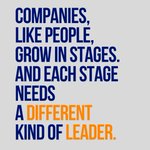
The best leaders recognize when their strengths align with the phase the company is in and know when it’s time to bring in specialist support or let someone else take the reins.
10
Every successful career path includes detours—and it’s often the more meandering roads that shape the deepest insights and the greatest accomplishments.
2
17

Playing politics the right way doesn't mean compromising your values—it means advancing while staying true to them.
8
It takes humility and foresight for a leader to know when they’ve guided the company as far as they can—and when it’s time for a new direction.
1
9
Each role in my career taught me something: how organizations operate, how people function, and what my own strengths and weaknesses were.
By reflecting on my experiences, continuing to learn, and building a strong network, each job became a springboard to something better.
9
Here’s what you can control: your knowledge, work quality, networking, response to feedback, and how you present yourself.
Here’s what you can’t: internal politics, hiring freezes, decision maker biases, and market conditions.
14
When companies rush a hiring process, they typically:
• Skip proper role definition
• Overlook cultural fit considerations
• Cut corners on candidate assessment
• Miss red flags in interviews
• Push candidates to decide too quickly
Slow down!
13
As an anti-recruiter, I'm just as proud of the jobs I don't fill as the ones I do.
Protecting candidates from bad situations is more important than making a quick fee and some of my strongest client relationships actually started because I said no to the company.
12
You can’t be anything you want. Natural advantages, circumstances, and timing all play a part. What I’ve learned is more nuanced:
You probably can’t be absolutely anything you want. But you can be a lot more than people might think… and often a lot more than you think yourself.
10
If you can just focus on what you can control––rather than dwelling on what you can't––you’re guaranteed to create more opportunities for yourself over time and far more likely to achieve the success you want.
1
8