

AVAS was established for vascular access clinicians to network & develop the specialty through research, practice & education. Posts by the AVAS Executive Team.
Sydney, Australia
Joined July 2013
- Tweets897
- Following142
- Followers952
- Likes752


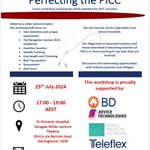
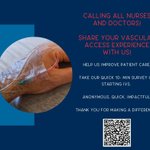



VeinTech are an Australian-based medical device company looking to better understand one of the key procedures you perform as a qualified healthcare provider: starting an IV.
Please click the link below to start the survey:
forms.office.com/r/Ek24XwCBH…

We are incredibly proud of AVAS members @a_ullman and @Claire_AVATAR on this outstanding achievement. This research will contribute to reducing CVC complications in children with cancer. Well done Amanda and Claire!

I am honoured & excited by the investment from @nhmrc as an IG to reduce CVC complications for kids w cancer & build capacity for the future.
I am also excited that we get to DO the research, rather than PROPOSE the research, for the next 5 years.
@UQHealth @childhealthqld
AustVASociety retweeted

Do you want to do a fully funded PhD to improve one of the fastest growing sectors in health?
👇
Join us @RBRCUniSA for a project to develop better support mechanisms for caregivers of people having intravenous antibiotics at home.
Further details here unisa.edu.au/research/degree…
Journal Alert! AVAS has partnered with the Canadian Vascular Access Association. AVAS Members can now disseminate their work and access a broader range of leading-edge theories, developments, research, and practices: avas.org.au/vascular-access-…
SA AVAS would like to thank @FloMedical for supporting our event this evening.
Great turnout from clinicians interested in Vascular Access.
Kim’s research looking at adverse events of Umbilical Vein Catheters (UVC) and Umbilical Artery Catheters (UAC). Systematic review and meta analysis - adverse events UVC’s 13% UAC’s 9%


Empowering patients to understand their PICC lines is important. Can assist with management at home and feeling comfortable living with.
PICC: catheter to vein ration (CVR) can increase thrombus risk. @reb_sharp suggests <45% CVR reduces risk. CVR >45% doubles risk.


AVAS members - @AlexandrouE & @AirliftNurse's recent presentations are now available on the website under the members portal! Check it out!