

The American Frozen Food Institute (AFFI) is the national trade association that promotes the interests of all segments of the frozen food and beverage industry
Arlington, VA
Joined March 2011
- Tweets5.2K
- Following1.7K
- Followers2.6K
- Likes3.7K
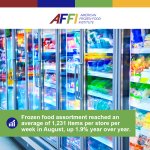







The frozen aisle continues to offer shoppers more choices.
Frozen food assortment reached an average of 1,231 items per store per week in August, up 1.9% year over year.
The continued expansion reflects retailer interest in longer-term frozen category development, alongside the impact of seasonal merchandising.
Explore more trends shaping the frozen aisle in AFFI’s August Retail Market Insights Report.
Sign in to the AFFI Member Site to read the full report: affi-org.us.auth0.com/login?…...

Freezing is nature’s pause button, helping maintain taste, texture, and nutrition until you’re ready to enjoy the food.

Families need nutritious, convenient foods they can count on without breaking the bank.
Frozen foods help make that possible by stretching grocery dollars while making it easier to get meals on the table.
Hear more from AFFI CEO Alison Bodor.
The strength of the frozen food industry is in the people behind it.
AFFI members represent the frozen food supply chain from farm to table. Together, they tell the story of an industry that feeds America and supports communities across the country.

Nearly 30% of food produced in the U.S. goes unsold or uneaten, with food processors accounting for 20% of that total.
AFFI’s new food waste guide, Left on the Line, offers practical tools to identify, measure, and reduce food waste.
Read the guide: affi.org/food-waste-guide/


Frozen fruits and vegetables stood out in August.
The category reached $1.0 billion in sales, with dollar sales increasing 6.1% and unit sales increasing 5.6% year over year.
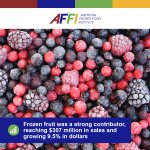
Frozen fruit was a particularly strong contributor, reaching $307 million in sales and growing 9.5% in dollars, while demand for broccoli, corn and beans helped drive growth across plain frozen vegetables.
See what’s driving performance across the frozen aisle in the August Retail Market Insights Report.
Sign in to the AFFI Member Site to read the full report: member.affi.org/?iss=https%3…

Students are more likely to choose nutritious foods when they’re served in ways they enjoy. One study found frozen-fruit smoothies increased fruit selection 16x and consumption nearly 3x.
Read AFFI CEO Alison Bodor’s op-ed: agri-pulse.com/articles/2515…

From farm to freezer to family table, frozen food supports hundreds of thousands of American jobs and connects communities across the country. ❄️

From field to freezer to fork, frozen food supports American agriculture, creates jobs, and helps families access affordable, reliable food. ❄️
What if your FSA could help put more fruits and vegetables on the table?
A new op-ed from Daily Harvest CEO Ricky Silver makes the case for expanding HSA/FSA eligibility to fruits and vegetables, including frozen.
Read the full piece in @thehill.
thehill.com/opinion/healthca…

From home kitchens to schools and restaurants, frozen foods help make meals more
affordable, nutritious, convenient, and reliable.
That’s the Frozen Food Advantage. frozenadvantage.org/

Registration is officially OPEN for AFFI-CON 2027!
The frozen food industry is heading to Orlando February 27– March 2 for four days of B2B meetings, industry connections and opportunities to move business forward.
With new experiences, expanded programming and more ways to connect, there’s even more to look forward to at AFFI-CON 2027.
Register now and join the business of frozen today: affi.org/affi-con/

Throwing it back to Government Action Summit 2026! ❄️
This May, AFFI members came together in Washington, D.C., to meet with policymakers, share industry priorities, and advocate for policies that support the frozen food supply chain.
Thanks to everyone who joined us!

School nutrition works best when we focus on what students will actually eat.
AFFI President & CEO Alison Bodor shares why policies should support approaches that help students choose and enjoy nutritious foods.
Read more in @AgriPulse: agri-pulse.com/articles/2515…


AFFI-CON 2027 is headed to Orlando, Florida, February 27-March 2, 2027!
Registration launches soon, so explore what’s ahead, including new experiences, programming and opportunities to connect with 1,800+ frozen food industry leaders from 500+ companies.
The countdown is on for another unforgettable AFFI-CON. Stay tuned for more information and registration details!

From the frozen aisle to Capitol Hill ❄️
Take a look back at Taste of Frozen, where AFFI members shared the innovation, variety, and impact behind the frozen foods Americans rely on every day.
WATCH: A new video to jumpstart our new public affairs campaign.
Frozen food plays an important role in helping families, communities and institutions access nutritious, affordable and convenient meals every day.
From real ingredients prepared with care to quality preserved through freezing, frozen foods support Americans at every stage of the food system. They help families stretch their food budgets, reduce food waste and provide reliable access to food in homes, schools, healthcare settings, restaurants and more.
Learn more about the story behind frozen food and the benefits it delivers every day.
As families settle back into school-year routines, convenience and affordability matter more than ever.
Frozen foods help keep nutritious options on hand while reducing frequent grocery trips, simplifying meal prep and helping food last longer.
It’s one more way the freezer can help busy families save both time and money.
Explore the #FrozenAdvantage: frozenadvantage.org/

Frozen foods delivered a strong July despite continued pressure on consumer spending.
Dollar sales across the frozen food department increased 2.1% year over year, while unit sales edged up 0.2%. Frozen fruits and vegetables were a standout, generating more than $816 million in July sales and increasing 5.7% in dollars and 5.1% in units.
Explore these results, along with the latest trends in inflation, assortment, consumer behavior and category performance, in AFFI’s July Retail Market Insights Report.
AFFI members can sign in to read the full report: affi-org.us.auth0.com/login?…

School nutrition policy should reward what works.
In a new @agripulse op-ed, AFFI President and CEO Alison Bodor highlights research showing that when middle school students were offered frozen-fruit smoothies, they were 16x more likely to select fruit, consumed nearly 3x more fruit and wasted less.
Yet current USDA rules can discourage schools from using that approach.
The takeaway is simple: Give school nutrition professionals the flexibility to serve nutritious foods in the ways that work best for their students and kitchens.
Read more: agri-pulse.com/articles/2515…
