

From ERP data paralysis to clarity: Nexus AI unlocks Finance, Ops & HSE reporting in Oil & Gas. Faster, smarter, secure. #OilandGas #ERP #AI #Microsoft #BI
- Tweets6.8K
- Following146
- Followers287
- Likes2.2K


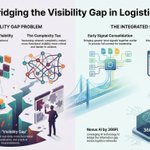




ALT 𝐓𝐡𝐞 𝐩𝐫𝐨𝐛𝐥𝐞𝐦 𝐢𝐬 𝐫𝐚𝐫𝐞𝐥𝐲 𝐭𝐡𝐞 𝐛𝐨𝐭𝐭𝐥𝐞𝐧𝐞𝐜𝐤. The real issue is spotting it too late. 𝗜𝗻 𝗺𝗮𝗻𝘂𝗳𝗮𝗰𝘁𝘂𝗿𝗶𝗻𝗴, production bottlenecks often show up only after output is affected. 𝗜𝗻 𝗹𝗮𝗿𝗴𝗲 𝗽𝗿𝗼𝗷𝗲𝗰𝘁𝘀, schedule risks are usually seen only after delays have already started to spread across activities. 𝗜𝗻 𝗹𝗼𝗴𝗶𝘀𝘁𝗶𝗰𝘀, disruptions often reach leadership teams only after service levels begin to drop. The warning signs are usually there much earlier. The challenge is to recognize them early enough and raise awareness quickly so teams can act before the impact grows. That is where the next wave of operational improvement will come from, not from more reports, but from getting an earlier view of risks that already exist. We are currently exploring these challenges across Manufacturing, EPC and Logistics environments.

ALT 𝐌𝐨𝐬𝐭 𝐨𝐩𝐞𝐫𝐚𝐭𝐢𝐨𝐧𝐚𝐥 𝐢𝐬𝐬𝐮𝐞𝐬 𝐚𝐫𝐞 𝐧𝐨𝐭 𝐝𝐢𝐬𝐜𝐨𝐯𝐞𝐫𝐞𝐝 𝐥𝐚𝐭𝐞. 𝐓𝐡𝐞𝐲 𝐚𝐫𝐞 𝐞𝐬𝐜𝐚𝐥𝐚𝐭𝐞𝐝 𝐥𝐚𝐭𝐞. Across EPC projects, manufacturing plants and logistics networks, operational teams usually identify issues much earlier than enterprises are able to react to them collectively. → A procurement delay starts building. → A production bottleneck appears. → A hub congestion situation develops. → A maintenance concern gets flagged locally. However, coordinated escalation and intervention across functions often happens much later. By the time it happens: ➘ schedules start slipping ➘ downtime risk increases ➘ SLAs get impacted ➘ teams move into reactive mode We have been exploring AI-led operational workflows around 𝗶𝗺𝗽𝗿𝗼𝘃𝗶𝗻𝗴 𝗲𝗮𝗿𝗹𝘆 𝗼𝗽𝗲𝗿𝗮𝘁𝗶𝗼𝗻𝗮𝗹 𝘃𝗶𝘀𝗶𝗯𝗶𝗹𝗶𝘁𝘆, 𝗲𝘀𝗰𝗮𝗹𝗮𝘁𝗶𝗼𝗻 𝘁𝗶𝗺𝗶𝗻𝗴 𝗮𝗻𝗱 𝗽𝗿𝗼𝗮𝗰𝘁𝗶𝘃𝗲 𝗶𝗻𝘁𝗲𝗿𝘃𝗲𝗻𝘁𝗶𝗼𝗻 in complex operational environments.

ALT Most operational issues are not invisible. They are just acted on too late. Across large industrial and energy environments, operational teams usually identify issues much earlier than enterprises are able to respond to them collectively. ➘ A deviation starts building locally. ➘ An operational anomaly is noticed. ➘ A maintenance concern is raised. ➘ A process drift becomes visible. But coordinated escalation and intervention across operations, planning and leadership often happens much later. By the time that happens, ➚ operational risk increases ➚ downtime exposure grows ➚ teams move into reactive mode We are building an AI-led operational decision workflows around this exact gap "improving early operational visibility, escalation and proactive intervention in complex industrial environments." Feels like an area where operational AI can create far more practical value than generic dashboards or reporting layers.

ALT 𝗠𝗼𝘀𝘁 𝗼𝗽𝗲𝗿𝗮𝘁𝗶𝗼𝗻𝗮𝗹 𝗶𝘀𝘀𝘂𝗲𝘀 𝗮𝗿𝗲 𝗸𝗻𝗼𝘄𝗻 𝗲𝗮𝗿𝗹𝘆. Action is what gets delayed. Across logistics and EPC environments, the problem looks very similar. A delay starts building somewhere on ground: ➚ at a hub ➚ on a route ➚ at site ➚ in procurement The local teams usually know, but by the time the same picture reaches planning, leadership, or connected teams, the impact already spreads. That’s when: ➘ SLAs start slipping ➘ schedules move ➘ teams shift into firefighting mode In many cases, 𝘁𝗵𝗲 𝗶𝘀𝘀𝘂𝗲 𝗶𝘀𝗻'𝘁 𝗹𝗮𝗰𝗸 𝗼𝗳 𝘃𝗶𝘀𝗶𝗯𝗶𝗹𝗶𝘁𝘆. It is the delay between early signal and coordinated action. Feels like an important operational gap that more enterprises are starting to recognise. Request demo to learn how teams are leveraging Nexus AI to deal with this in large operational environments?

ALT In logistics, delays don’t start where they become visible. A hub starts slipping in the morning. Local team knows. Planning sees it later. Leadership reviews it even later. By then: ➚ Linehaul is misaligned ➚ Downstream hubs are impacted ➚ SLAs are already at risk The issue wasn’t invisible. It just didn’t reach the right people early enough. Most networks don’t have a visibility problem. They have a decision-timing problem. ❓What if there could be an AI solution, tailored for logistics & supply chain organizations, to deal with this gap? Drop a message for demo.

ALT 𝗪𝗵𝘆 𝗟𝗼𝗴𝗶𝘀𝘁𝗶𝗰𝘀 𝗧𝗲𝗮𝗺𝘀 𝗥𝗲𝗮𝗰𝘁 𝗙𝗮𝘀𝘁 - 𝗕𝘂𝘁 𝗦𝘁𝗶𝗹𝗹 𝗦𝗲𝗲 𝗣𝗿𝗼𝗯𝗹𝗲𝗺𝘀 𝗟𝗮𝘁𝗲 Disruptions are not invisible in logistics operations. The on ground teams see challenges like 𝐝𝐞𝐥𝐚𝐲𝐬, 𝐞𝐱𝐜𝐞𝐩𝐭𝐢𝐨𝐧𝐬, 𝐫𝐨𝐮𝐭𝐞 𝐢𝐬𝐬𝐮𝐞𝐬 quite early and they act really fast to solve them. Inspite of so much action, a complete picture often takes time to emerge across operations, planning and leadership. And by the time everything comes together, the impact already starts to build. 𝐓𝐡𝐢𝐬 𝐢𝐬 𝐧𝐨𝐭 𝐚 𝐥𝐚𝐜𝐤 𝐨𝐟 𝐫𝐞𝐬𝐩𝐨𝐧𝐬𝐢𝐯𝐞𝐧𝐞𝐬𝐬. It is a challenge of 𝐜𝐫𝐨𝐬𝐬-𝐟𝐮𝐧𝐜𝐭𝐢𝐨𝐧𝐚𝐥 𝐯𝐢𝐬𝐢𝐛𝐢𝐥𝐢𝐭𝐲 𝐢𝐧 𝐫𝐞𝐚𝐥 𝐭𝐢𝐦𝐞. This gap becomes more critical with complex logistics networks. Logistics organizations need to focus on how to bring these signals together earlier, so decisions can be taken with full context. This is something we are exploring to address through Nexus AI.

ALT 𝐖𝐡𝐲 𝐄𝐏𝐂 𝐭𝐞𝐚𝐦𝐬 𝐜𝐚𝐧'𝐭 𝐚𝐜𝐭 𝐝𝐞𝐬𝐩𝐢𝐭𝐞 𝐤𝐧𝐨𝐰𝐢𝐧𝐠 𝐭𝐡𝐞 𝐢𝐬𝐬𝐮𝐞𝐬? In many EPC projects, teams are not unaware of issues. ➚ Engineering teams know when designs are changing. ➚ Procurement teams know when timelines are slipping. ➚ Site teams know when execution is getting impacted. In most cases, the problem is not awareness. It is that this awareness remains 𝐰𝐢𝐭𝐡𝐢𝐧 𝐟𝐮𝐧𝐜𝐭𝐢𝐨𝐧𝐬, and takes time to come together in a way that leadership can act on. By the time this happens, the impact is already visible in project reviews. This is why many decisions in EPC environments tend to be 𝐫𝐞𝐚𝐜𝐭𝐢𝐯𝐞 𝐫𝐚𝐭𝐡𝐞𝐫 𝐭𝐡𝐚𝐧 𝐞𝐚𝐫𝐥𝐲. Some organizations are now focusing on how to bring this cross-functional visibility together sooner. At 366Pi Technologies, this is something we are exploring through Nexus AI - designed to sit on top of existing systems and help leadership see the full picture earlier.

ALT 𝐖𝐡𝐲 𝐄𝐏𝐂 𝐏𝐫𝐨𝐣𝐞𝐜𝐭 𝐑𝐞𝐯𝐢𝐞𝐰𝐬 𝐎𝐟𝐭𝐞𝐧 𝐃𝐢𝐬𝐜𝐨𝐯𝐞𝐫 𝐏𝐫𝐨𝐛𝐥𝐞𝐦𝐬 𝐓𝐨𝐨 𝐋𝐚𝐭𝐞? In most EPC projects, formal project reviews are meant to give leadership a clear picture of progress. But in reality, many issues are already known on the ground 𝐛𝐞𝐟𝐨𝐫𝐞 𝐭𝐡𝐞𝐲 𝐬𝐡𝐨𝐰 𝐮𝐩 𝐢𝐧 𝐭𝐡𝐞𝐬𝐞 𝐫𝐞𝐯𝐢𝐞𝐰𝐬. Engineering teams may already be dealing with design changes. Procurement teams may be managing vendor delays. Site teams may already be seeing execution challenges. By the time these come together in a review meeting, 𝐭𝐡𝐞 𝐢𝐦𝐩𝐚𝐜𝐭 𝐡𝐚𝐬 𝐚𝐥𝐫𝐞𝐚𝐝𝐲 𝐬𝐭𝐚𝐫𝐭𝐞𝐝 𝐭𝐨 𝐛𝐮𝐢𝐥𝐝. This is not because teams are not tracking things. It is because information exists across different systems and functions, and it takes time to come together in a form that leadership can act on.

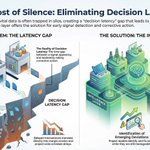
ALT 𝐃𝐞𝐜𝐢𝐬𝐢𝐨𝐧 𝐋𝐚𝐭𝐞𝐧𝐜𝐲: 𝐓𝐡𝐞 𝐌𝐨𝐬𝐭 𝐄𝐱𝐩𝐞𝐧𝐬𝐢𝐯𝐞 𝐇𝐢𝐝𝐝𝐞𝐧 𝐂𝐨𝐬𝐭 𝐢𝐧 𝐎𝐢𝐥 & 𝐆𝐚𝐬 𝐄𝐏𝐂 In large EPC programs, thousands of operational signals appear every week across engineering updates, procurement delays, safety observations and project cost movements. 𝐓𝐡𝐞 𝐩𝐫𝐨𝐛𝐥𝐞𝐦 𝐢𝐬 𝐭𝐡𝐚𝐭, each signal exists in a different system. By the time these signals converge through periodic reporting cycles, days or even weeks may have already passed. That gap is 𝐝𝐞𝐜𝐢𝐬𝐢𝐨𝐧 𝐥𝐚𝐭𝐞𝐧𝐜𝐲. In multi-project EPC environments, decision latency can quietly translate into: ➚ delayed project interventions ➚ cascading schedule slippages ➚ margin erosion that becomes visible only in later reporting cycles A growing number of organizations are beginning to address this by introducing an 𝐢𝐧𝐭𝐞𝐥𝐥𝐢𝐠𝐞𝐧𝐜𝐞 𝐥𝐚𝐲𝐞𝐫 𝐨𝐧 𝐭𝐨𝐩 𝐨𝐟 𝐄𝐑𝐏 𝐚𝐧𝐝 𝐨𝐩𝐞𝐫𝐚𝐭𝐢𝐨𝐧𝐚𝐥 𝐬𝐲𝐬𝐭𝐞𝐦𝐬 that helps leadership interpret cross-functional...

ALT 𝗧𝗵𝗲 𝗛𝗶𝗱𝗱𝗲𝗻 𝗩𝗶𝘀𝗶𝗯𝗶𝗹𝗶𝘁𝘆 𝗚𝗮𝗽 𝗶𝗻 𝗟𝗮𝗿𝗴𝗲 𝗢𝗶𝗹 & 𝗚𝗮𝘀 𝗘𝗣𝗖 𝗣𝗿𝗼𝗷𝗲𝗰𝘁𝘀. In large oil & gas EPC environments, enterprise systems do an excellent job of capturing structured operational data such as project cost movements, procurement transactions, engineering documentation and compliance records. However, the earliest operational signals of deviation rarely appear as structured entries in ERP or reporting systems. They emerge through engineering change discussions, safety observations at site, procurement delays or coordination challenges between teams. Each signal exists across different functions within Operations, Finance, HSE and project management teams. Yet leadership rarely sees them 𝐢𝐧 𝐜𝐨𝐧𝐭𝐞𝐱𝐭 𝐰𝐢𝐭𝐡 𝐞𝐚𝐜𝐡 𝐨𝐭𝐡𝐞𝐫 𝐞𝐚𝐫𝐥𝐲 𝐞𝐧𝐨𝐮𝐠𝐡. 𝐓𝐡𝐞 𝐜𝐡𝐚𝐥𝐥𝐞𝐧𝐠𝐞 𝐢𝐬𝐧'𝐭 𝐥𝐚𝐜𝐤 𝐨𝐟 𝐝𝐚𝐭𝐚, 𝐛𝐮𝐭 𝐢𝐧𝐭𝐞𝐫𝐩𝐫𝐞𝐭𝐢𝐧𝐠 𝐞𝐦𝐞𝐫𝐠𝐢𝐧𝐠 𝐨𝐩𝐞𝐫𝐚𝐭𝐢𝐨𝐧𝐚𝐥 𝐜𝐨𝐧𝐭𝐞𝐱𝐭 𝐞𝐚𝐫𝐥𝐲 𝐞𝐧𝐨𝐮𝐠𝐡.

ALT 𝗛𝗼𝘄 𝘁𝗼 𝗣𝗿𝗲𝘃𝗲𝗻𝘁 𝗣𝗿𝗼𝗷𝗲𝗰𝘁 𝗠𝗮𝗿𝗴𝗶𝗻 𝗘𝗿𝗼𝘀𝗶𝗼𝗻 𝗶𝗻 𝗢𝗶𝗹 & 𝗚𝗮𝘀 𝗘𝗣𝗖. In oil & gas EPC environments, margin erosion rarely happens overnight. It accumulates quietly through different systems in a form of safety incident, procurement delay and various other signals. Each signal exists in a different system across Operations, Finance, HSE et al. However, leadership rarely sees them together early enough. 𝐓𝐡𝐞 𝐜𝐡𝐚𝐥𝐥𝐞𝐧𝐠𝐞 𝐢𝐬𝐧'𝐭 𝐥𝐚𝐜𝐤 𝐨𝐟 𝐝𝐚𝐭𝐚, 𝐛𝐮𝐭 𝐝𝐞𝐥𝐚𝐲𝐞𝐝 𝐜𝐫𝐨𝐬𝐬-𝐟𝐮𝐧𝐜𝐭𝐢𝐨𝐧𝐚𝐥 𝐯𝐢𝐬𝐢𝐛𝐢𝐥𝐢𝐭𝐲. By the time these signals converge into a consolidated view from ERP or other data systems, weeks pass causing decision latency. In multi-project EPC environments, reducing this decision latency is one of the most overlooked levers in protecting project margins At 366Pi Technologies, we created an intelligence layer called Nexus AI that sits on top of ERP/Data systems and provides real-time contextual visibility.

ALT 𝗦𝗲𝗲 𝘁𝗵𝗲 𝗙𝘂𝘁𝘂𝗿𝗲 𝗼𝗳 𝗢𝗶𝗹 & 𝗚𝗮𝘀 𝗗𝗲𝗰𝗶𝘀𝗶𝗼𝗻 𝗠𝗮𝗸𝗶𝗻𝗴. 𝘕𝘦𝘹𝘶𝘴 𝘈𝘐: 𝘙𝘦𝘢𝘭 𝘛𝘪𝘮𝘦 𝘋𝘦𝘤𝘪𝘴𝘪𝘰𝘯 𝘐𝘯𝘵𝘦𝘭𝘭𝘪𝘨𝘦𝘯𝘤𝘦 𝘓𝘢𝘺𝘦𝘳 We are hosting a private, interactive session on how to move to "Real-Time Decision" mode. This isn't a generic webinar; it's a look at how Nexus structures digital context for cross-functional reasoning across operations, finance, HSE, and compliance in Oil & Gas. 𝗪𝗵𝗼 𝗶𝘀 𝘁𝗵𝗶𝘀 𝗳𝗼𝗿? Operations Leaders, Finance Teams, and Transformation Leads 𝗙𝗼𝗿𝗺𝗮𝘁: Live Walkthrough + Discussion 𝗥𝗦𝗩𝗣 to reserve an exclusive walkthrough session for your team. #registernow #oilandgas #AI #event


ALT 𝗜𝘀 𝘁𝗵𝗶𝘀 𝘄𝗵𝗮𝘁 𝘀𝗹𝗼𝘄𝘀 𝗱𝗲𝗰𝗶𝘀𝗶𝗼𝗻-𝗺𝗮𝗸𝗶𝗻𝗴 𝗶𝗻 𝘆𝗼𝘂𝗿 𝗢𝗶𝗹 & 𝗚𝗮𝘀 𝗼𝗿𝗴𝗮𝗻𝗶𝘇𝗮𝘁𝗶𝗼𝗻? ERP systems report numbers accurately. But when leadership asks why something changed, OPEX movement, production deviation, or an operational event, the explanation rarely sits in one place. It’s scattered across ERP, drilling activity, maintenance logs, and field inputs. 𝗡𝗲𝘅𝘂𝘀 𝗔𝗜 is built to sit on top of this landscape. 𝗜𝘁 𝗰𝗼𝗻𝗻𝗲𝗰𝘁𝘀 structured ERP data with unstructured operational context and produces clear, traceable explanations - not dashboards, not static reports, but narratives leadership can act on. 𝗙𝗿𝗼𝗺 𝗮 𝗯𝘂𝘀𝗶𝗻𝗲𝘀𝘀 𝘀𝘁𝗮𝗻𝗱𝗽𝗼𝗶𝗻𝘁, this reduces the time between an event occurring and a decision being taken. 𝗙𝗿𝗼𝗺 𝗮 𝘁𝗲𝗰𝗵𝗻𝗼𝗹𝗼𝗴𝘆 𝘀𝘁𝗮𝗻𝗱𝗽𝗼𝗶𝗻𝘁, Nexus combines domain-aware context stitching, retrieval-based reasoning, and explainability layers, ensuring responses are grounded in enterprise data.