Snapshots of the Communist movement in Australia (as well as other radical movements).
Joined October 2022
- Tweets2.4K
- Following33
- Followers2.6K
- Likes740




Australian Communist History retweeted
Students "hanging" an effigy of Premier Henry Bolte in the Treasury Gardens of Melbourne VIC
(1969. From the "Herald Sun")

Australian Communist History retweeted
Photo of the "Quang Incident," where South Vietnamese Ambassador to Australia, Luic Tuong Quang (right), was barricaded for over an hour in the Relaxation Block at the University of Queensland by anti-war students.
(4 September 1970)


Australian Communist History retweeted
"Justice for John Pat and all Koories killed in KKKustody!" - article from "Struggle" on the 13th anniversary of the murder of John Pat by the Western Australian Police.
(By the C-RCPA. Issue #4, Sep. 1996) [1/2]

Australian Communist History retweeted
(FTF): "Stop black deaths in custody" - Poster for a rally & concert commemorating the death of John Pat, a 16-year-old Yindjibarndi boy who was bashed by drunk policemen (who were returning from a Police Union meeting) and left to die in cell two years prior.
(Sept 27 1985)


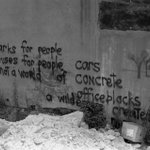
"Parks for people, houses for people, not a world of cars/ concrete/ officeblocks; a wilderness created [by man]."
Graffiti in Woolloomooloo, NSW during the struggle in defense of working class housing against commercial development, ca. 1970s.

Australian Communist History retweeted
"Act now against US murders!" (29/11/71)
After the murder of George Jackson in the San Quentin State Prison, the CPA issues a call to action to circulate a petition to the UN, carrying out the wishes of George's mother and sister in reply to a letter of condolence sent to them.


Australian Communist History retweeted
On this day in 1951, the referendum to ban the Australian Communist Party was rejected by the Australian public.
"Sep 22 deserves to be celebrated along with the centenary of Federation. The defeat of the referendum ... confirmed that Australia’s temper would remain democratic."


Australian Communist History retweeted
Anatoly Chernyaev was a member of the CC CPSU, working in the International Department. In 1972 he started writing a diary, recording the internal life of the highest Soviet political organs.
Here we find an interesting view of the relationship between the CPSU and the CPA (🧵)