

Official feed of the UK Health Security Agency (UKHSA) providing regular news updates on the work of the organisation.
- Tweets30.8K
- Following785
- Followers463K
- Likes2.6K








ALT UTIs again and again? Vaginal oestrogen might help prevent frequent UTIs. If you’re experiencing menopause or are post-menopausal, talk to a healthcare professional.

ALT A gradient background from green to blue. The text reads, "Did you know? Flu vaccination can go ahead if you or your child has a minor illness such as a cold, but may be delayed for illnesses that include fever." A virus icon is displayed in the bottom right corner.

ALT Positive tests (%) for flu Line chart showing flu positivity from October 2025 to October 2026. Following a decline after the winter peak, positivity remained low through spring and summer before increasing in recent weeks. The latest trend shows flu positivity remaining broadly stable. Data from: 13 October 2025 – 11 October 2026 Source: SGSS: England only; 7-day-rolling average

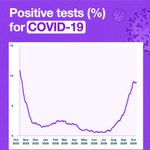
ALT Positive tests (%) for COVID-19 Line chart showing COVID-19 positivity from October 2025 to October 2026. Positivity declined from autumn 2025 and remained relatively low for much of 2026 before increasing during late summer and early autumn. The latest trend shows COVID-19 positivity remaining broadly stable. Data from: 13 October 2025 – 11 October 2026 Source: USD: England only; 7-day-rolling average

ALT Weekly positive tests (%) for RSV Line chart showing RSV positivity from October 2025 to October 2026. Positivity peaked during late 2025 before declining and remaining low through much of 2026. The latest trend shows RSV positivity increasing in recent weeks. Data from: 13 October 2025 – 11 October 2026 Source: Respiratory DataMart System; weekly percentage of tests positive; England only


ALT A person coughing, surrounded by red circles. Text on the image reads: "FluSurvey. Help us protect your community from flu and COVID-19 infections. Join FluSurvey.net today"


ALT E.coli bacteria under a microscope. Image has been tinted yellow. Black text on the image says, "E. Coli (Escherichia coli) bacteria are commonly found in the intestines of humans and animals. While many strains exist harmlessly in the digestive system, others may cause infections, including gastrointestinal illness. The bacterium is present in poo and can survive in the environment."

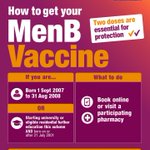
ALT Asset from UKHSA and NHS about the MenB vaccination. Text says: "How to get your MenB Vaccine. Two doses are essential for protection ✓✓. If you are...Born 1 Sept 2007 to 31 Aug 2008 OR Starting university or eligible residential further education this autumn AND born on or after 21 July 2001. What to do. Book online or visit a participating pharmacy. Find out more at nhs.uk/book-menb"

ALT Flu positive tests (%) Data: 06 October 2025 to 04 October 2026 Green line chart showing flu test positivity peaking during winter 2025/26, remaining low through spring and summer, then rising again ahead of winter 2026. Source: SGSS, England only, 7-day rolling average.


ALT Salmonella may be present in eggs, chicken, pork and dairy products, as well as fruit and vegetables that have come into contact with livestock, manure or untreated water. Symptoms including diarrhoea, stomach cramps, nausea, vomiting and fever typically develop in the 12 to 72 hours following infection. The illness usually persists for 4 to 7 days.

ALT Andi Biotic holds a sign saying, "Using leftover antibiotics is a health risk. Always return them to a pharmacy." The UK Health Security Agency logo is visible in the corner. The background shows a pharmacy interior.

ALT DONT LEAVE IT ON READ Meningitis can become serious in hours Getting vaccinated takes minutes Book your MenB vaccine today


ALT Close-up of a man with gray hair and beard drinking from a disposable cup, highlighting a new NHS vaccine offer for homeless people.

ALT Shigella can cause severe diarrhoea (which is sometimes bloody), fever and stomach cramps. Transmission occurs through contact with contaminated poo, either directly from person to person, or indirectly through contaminated food, water or surfaces. Travellers to regions with inadequate sanitation face particular risk, although it is present in the UK. Globally, most cases of shigellosis are in children younger than 5 years of age, but all ages can be affected. There is also a risk of Shigella transmission through sexual contact, which is more likely among men who have sex with men.